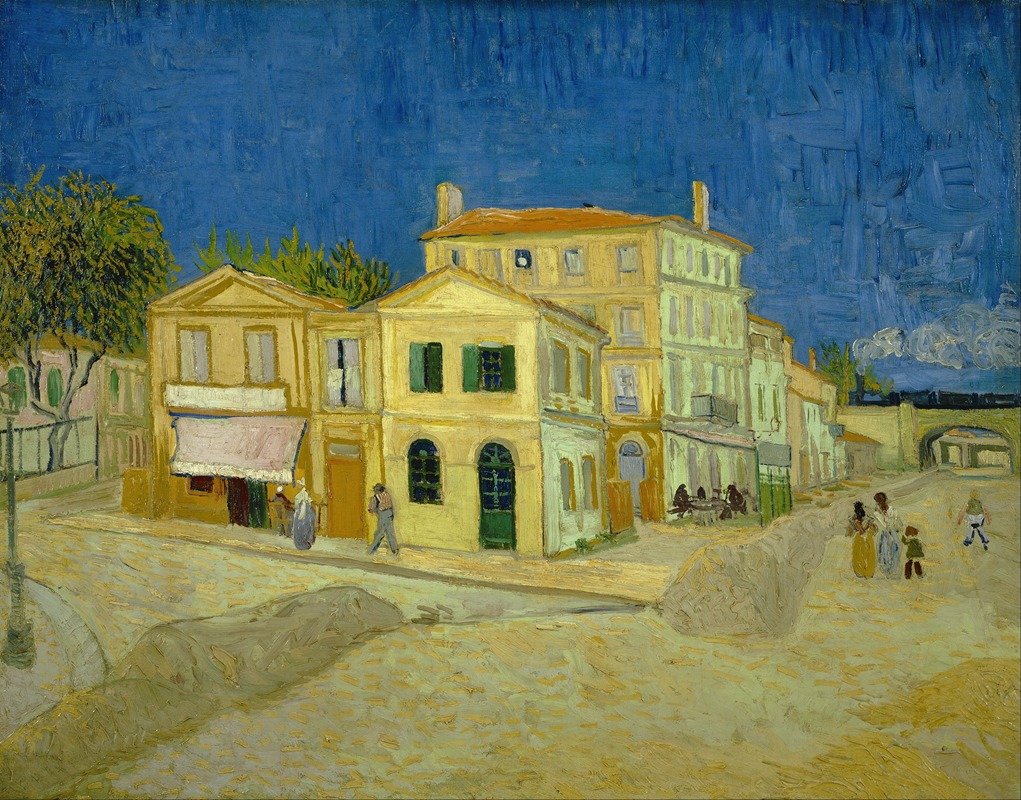
Discover insights about this artwork
L’église À Essoyes — History & Facts
In L’église À Essoyes, Pierre-Auguste Renoir presents a charming view of a church set against a lush landscape. The painting is filled with vibrant greens and soft blues, creating a serene atmosphere. The church, with its simple yet elegant architecture, stands prominently in the foreground.
Surrounding it are trees and fields that enhance the peaceful setting. The artwork is executed in oil on canvas, a common medium for Renoir, allowing for rich color and texture. The brushwork is loose and fluid, typical of the Impressionism style, which emphasizes the effects of light and atmosphere. Viewers can observe the interplay of light and shadow on the church's facade and the surrounding nature.
The dimensions of the painting are approximately 60 x 80 cm, making it a moderate-sized piece. Pierre-Auguste Renoir painted this work during the late 19th century, a time when he was exploring the beauty of rural life. Essoyes, a village in France, was a significant place for Renoir, as it was where he spent many summers. An interesting fact about this painting is that it reflects Renoir's deep appreciation for the landscapes and architecture of his homeland.
It captures a moment of tranquility, showcasing his ability to blend nature with human structures.
More Artworks by Pierre-Auguste Renoir
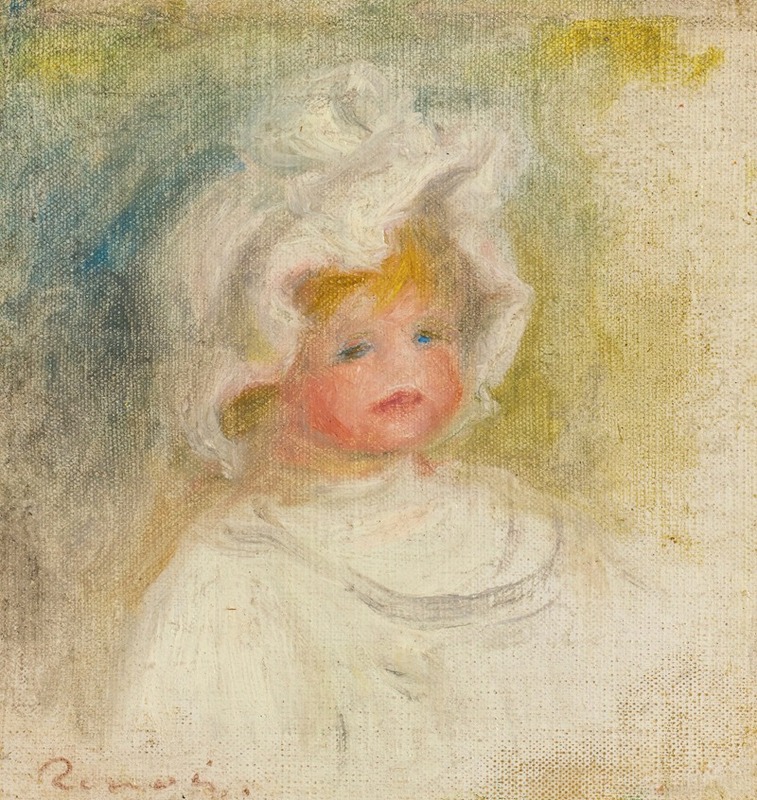
Portrait De Coco Renoir
Pierre-Auguste Renoir
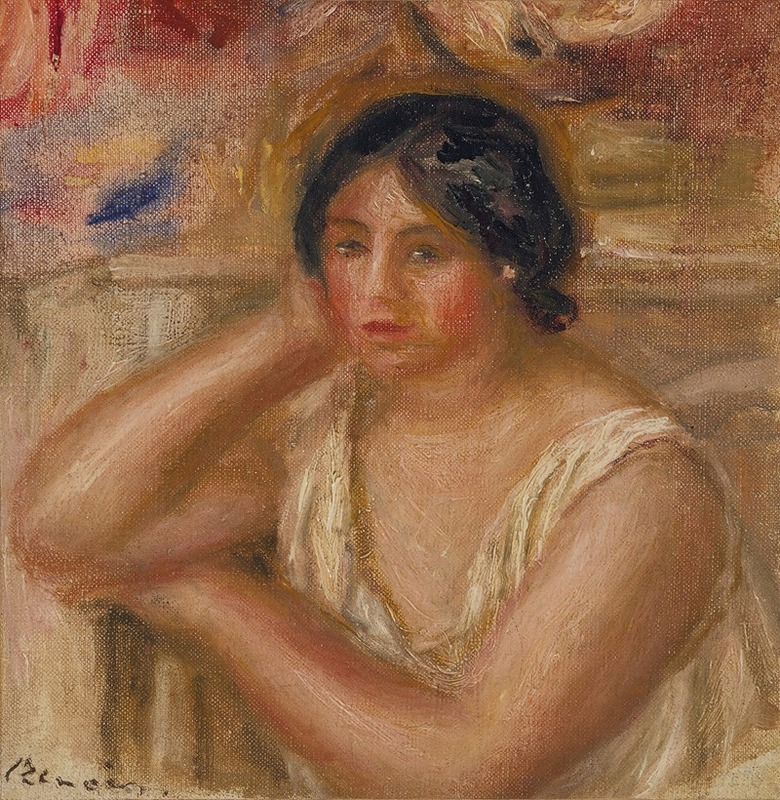
Portrait De Gabrielle
Pierre-Auguste Renoir
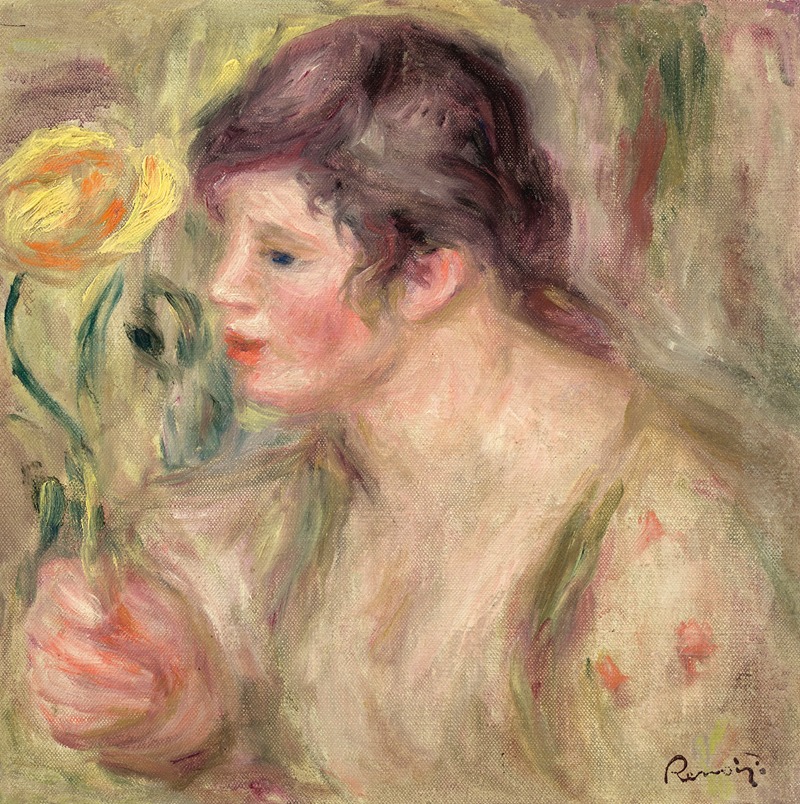
Femme à la rose
Pierre-Auguste Renoir
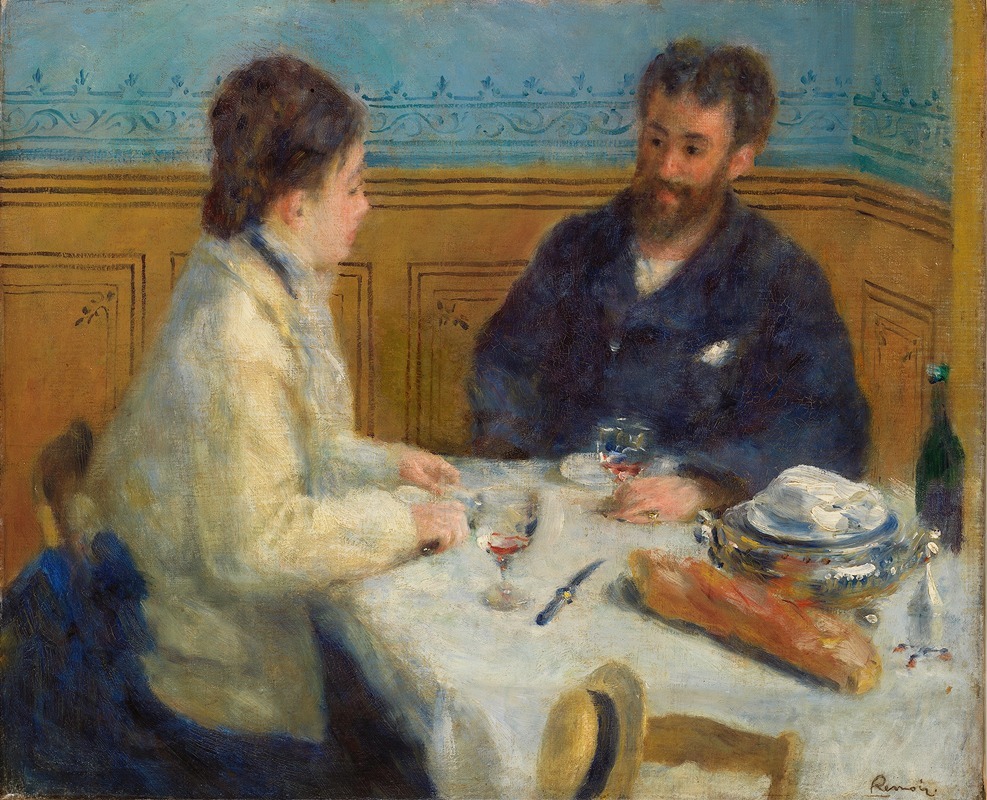
Luncheon (Le Déjeuner)
Pierre-Auguste Renoir
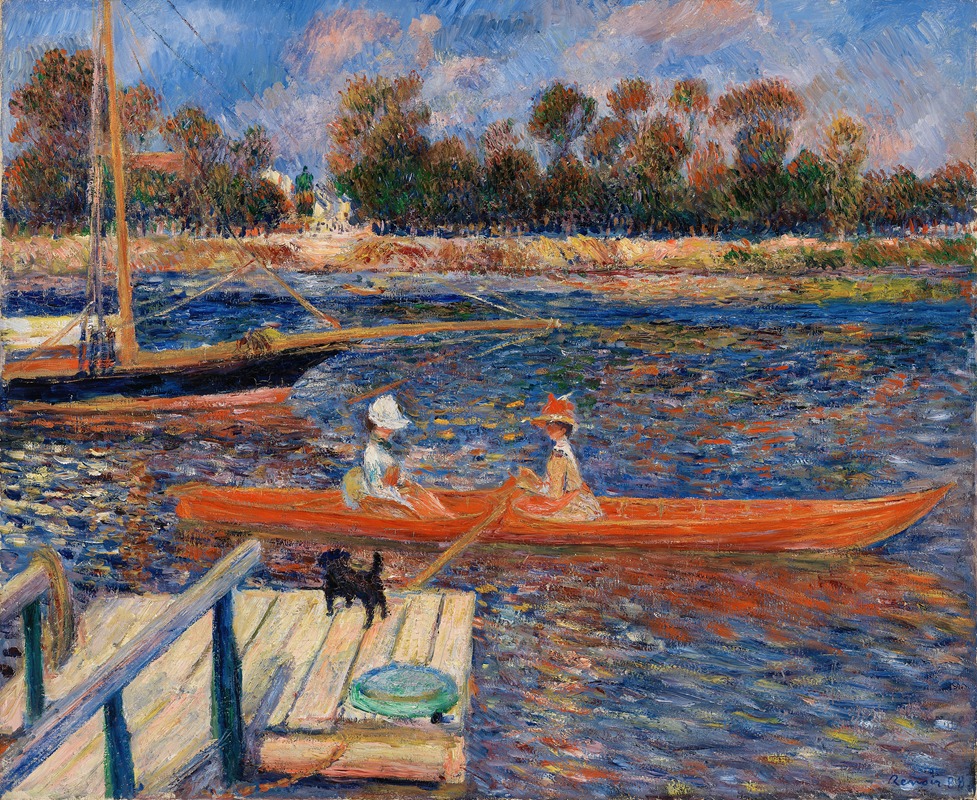
The Seine at Argenteuil (La Seine à Argenteuil)
Pierre-Auguste Renoir
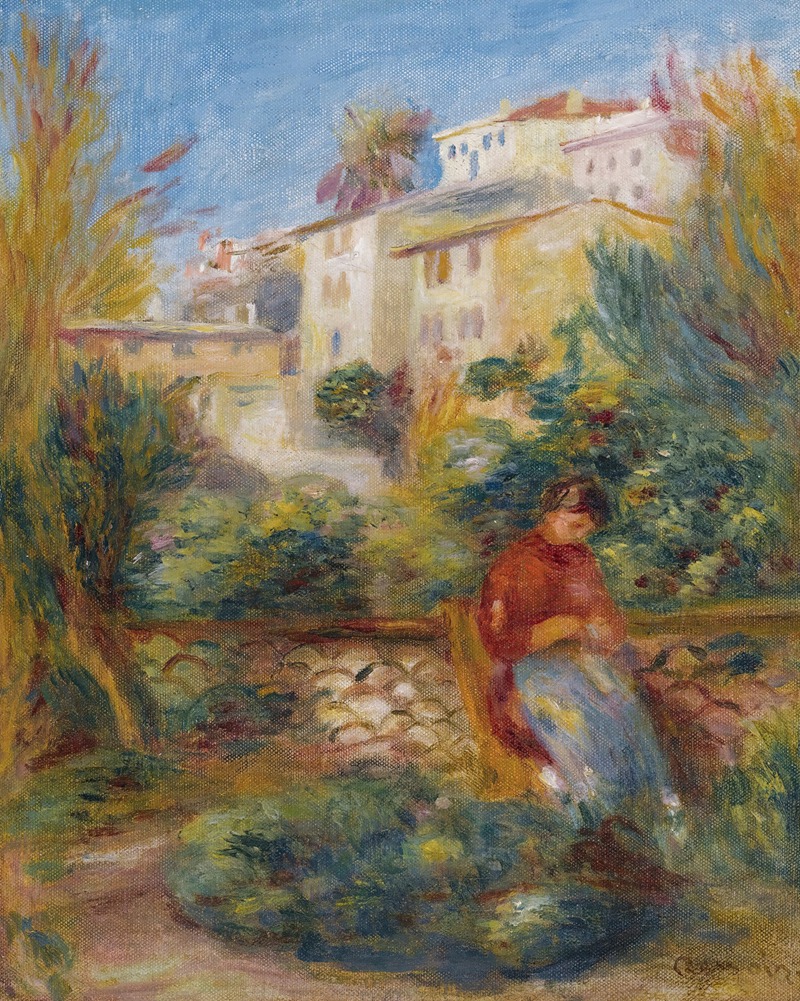
La Terrasse À Cagnes
Pierre-Auguste Renoir
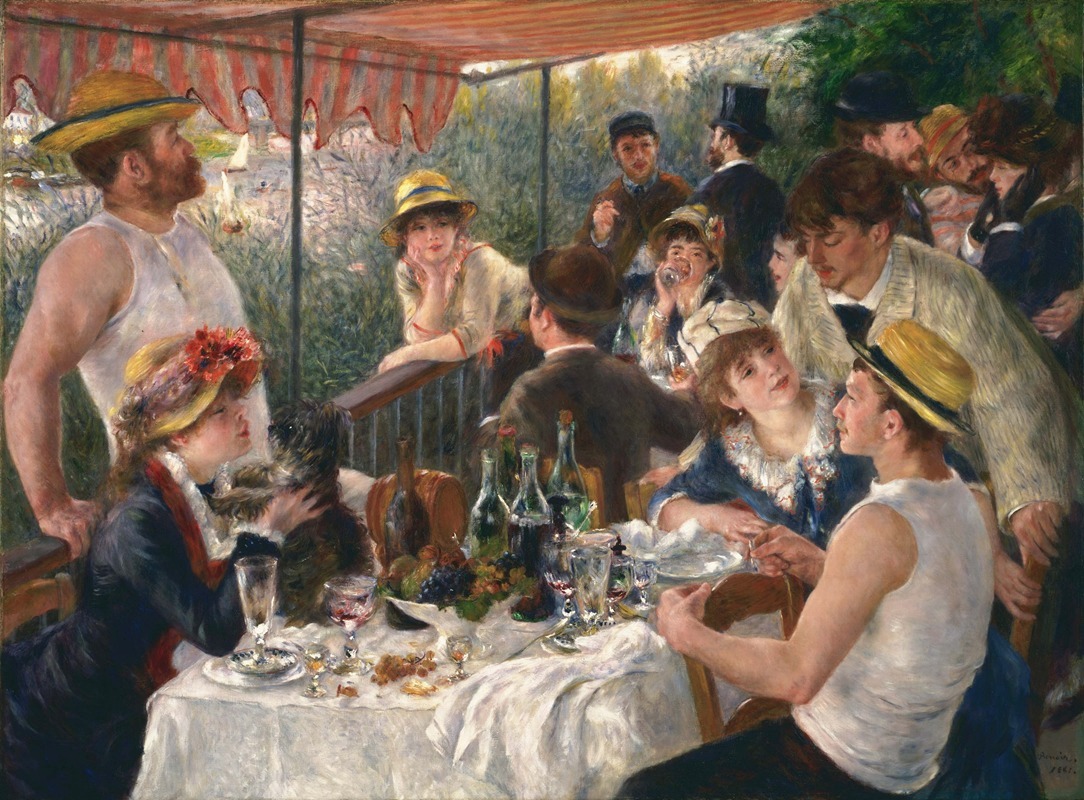
Luncheon of the Boating Party
Pierre-Auguste Renoir
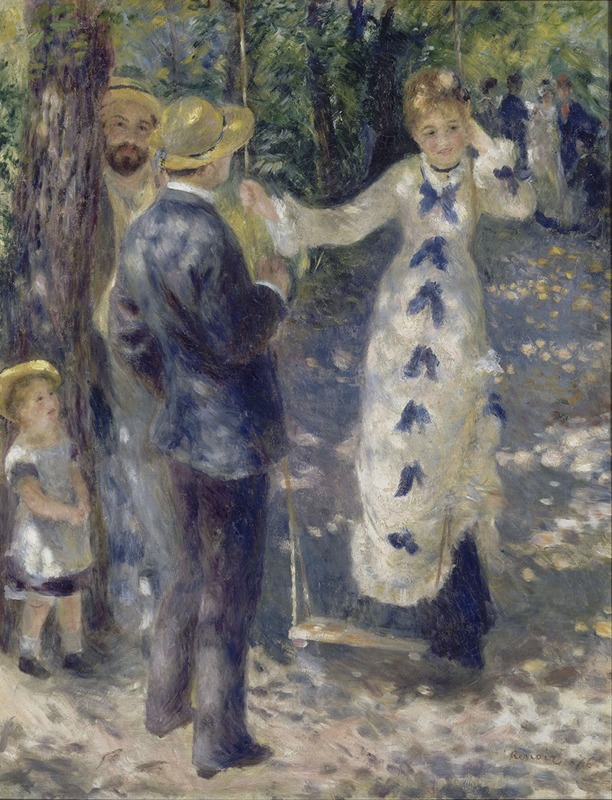
The Swing
Pierre-Auguste Renoir
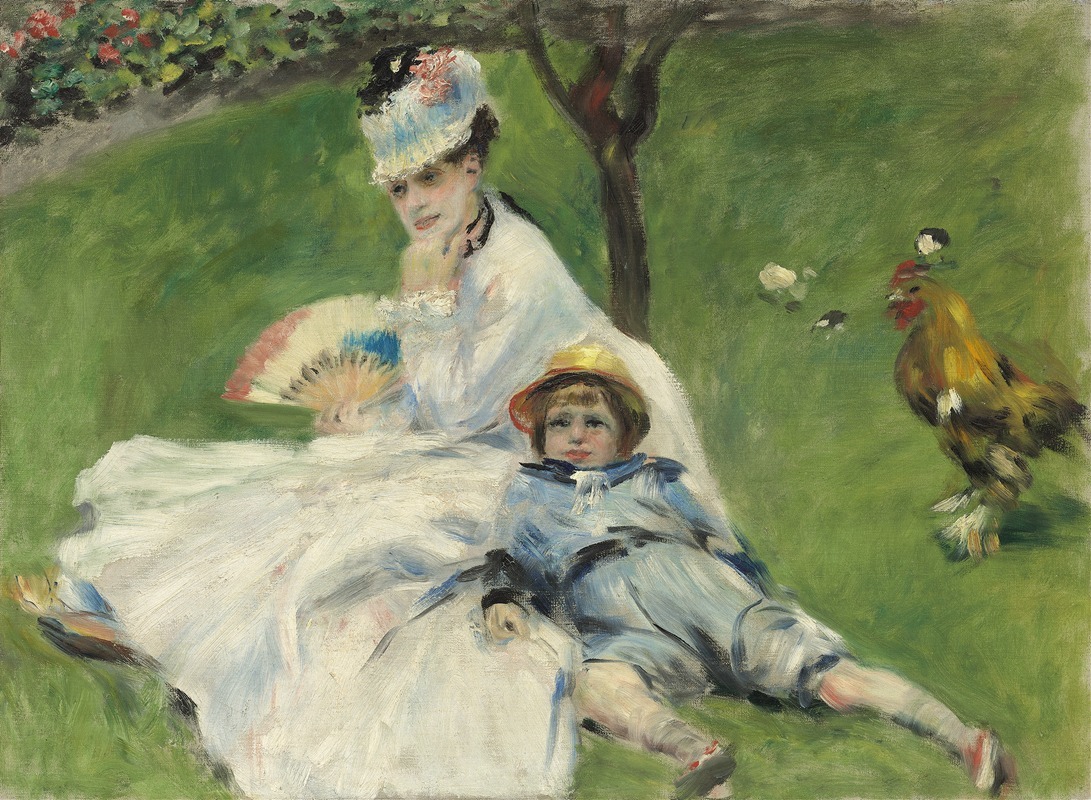
Madame Monet and Her Son
Pierre-Auguste Renoir
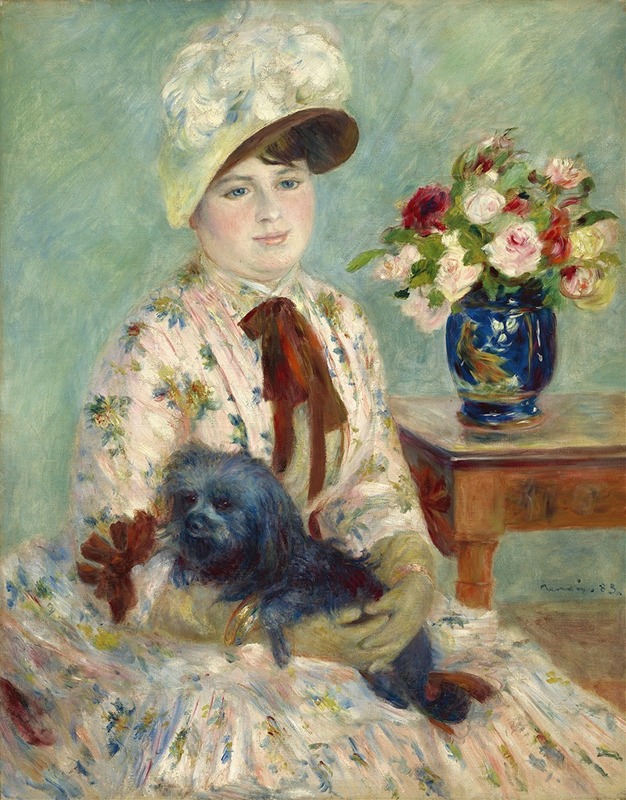
Mlle Charlotte Berthier
Pierre-Auguste Renoir