
L’Innocence — History & Facts
In L’Innocence, William Bouguereau presents a young girl with flowing hair, dressed in a white gown. She is surrounded by lush greenery and delicate flowers, which enhance her innocence. The colors are soft and warm, with a predominance of greens and whites.
The setting feels serene and inviting, capturing a moment of purity in nature. The painting is executed in oil on canvas, showcasing Bouguereau's skill in realistic detail and texture. The girl's expression is gentle and thoughtful, inviting viewers to reflect on the theme of innocence. The use of light and shadow adds depth, making the scene feel three-dimensional.
Bouguereau's technique emphasizes the softness of the girl's skin and the delicate fabric of her dress. William Bouguereau was known for his academic style and focus on human figures, often depicting themes of innocence and childhood. L’Innocence is a prime example of his work, created during the late 19th century when he was at the height of his career. Interestingly, Bouguereau often faced criticism for being too traditional in a time when Impressionism was gaining popularity.
Nevertheless, his ability to capture human emotion and beauty remains celebrated.
More Artworks by William Bouguereau

A Study For The Secret
William Bouguereau
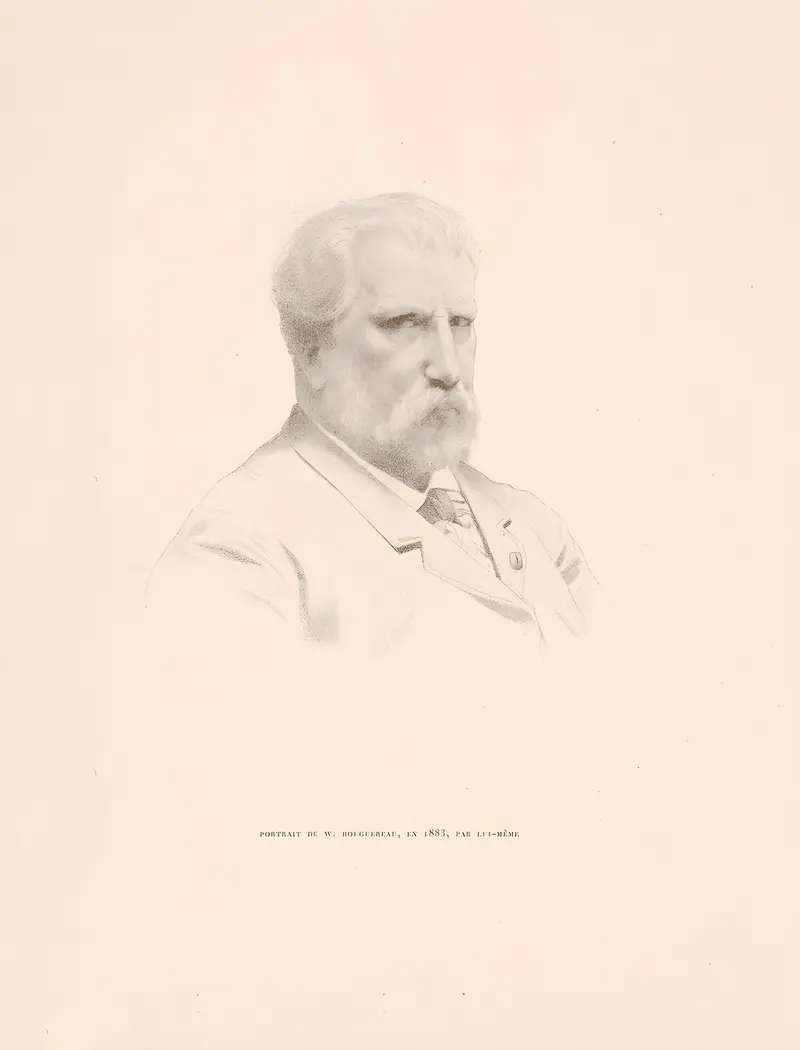
Portrait de W. Bouguereau, en l899
William Bouguereau
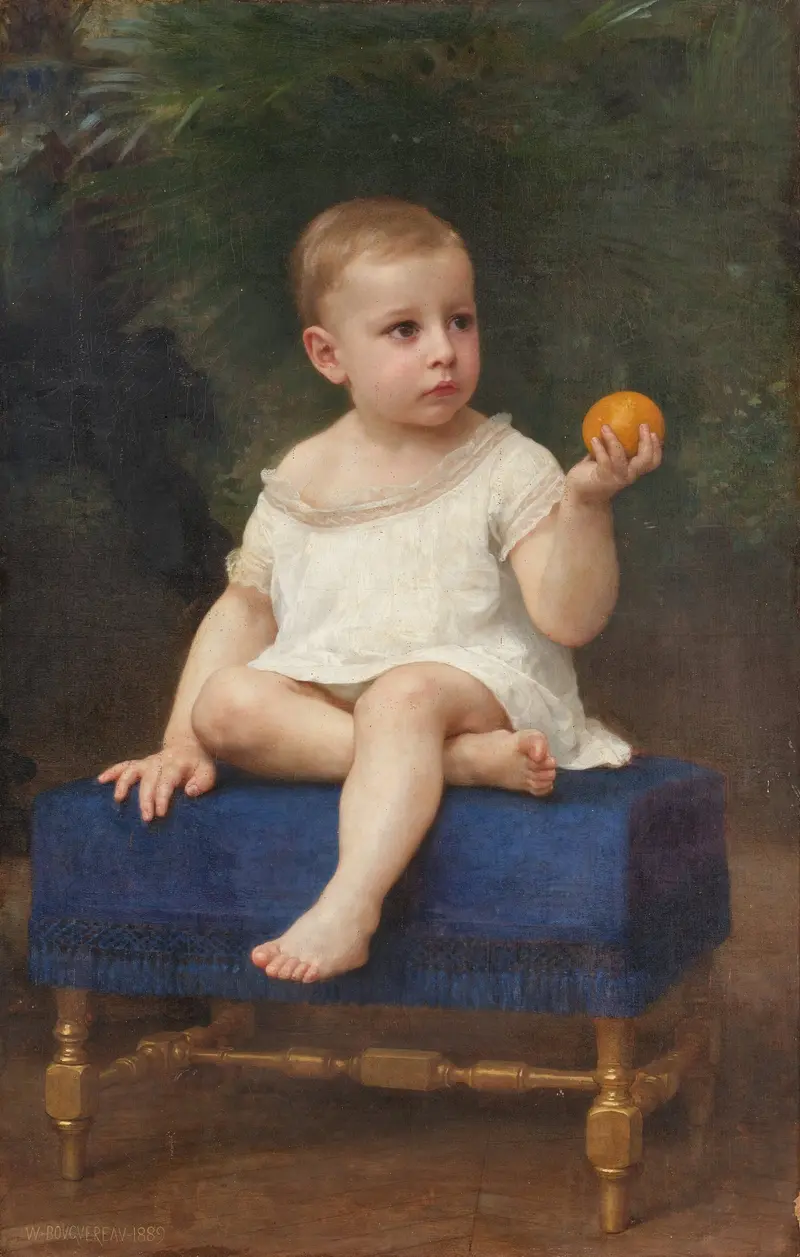
Portrait of a Child of Madame Porter
William Bouguereau
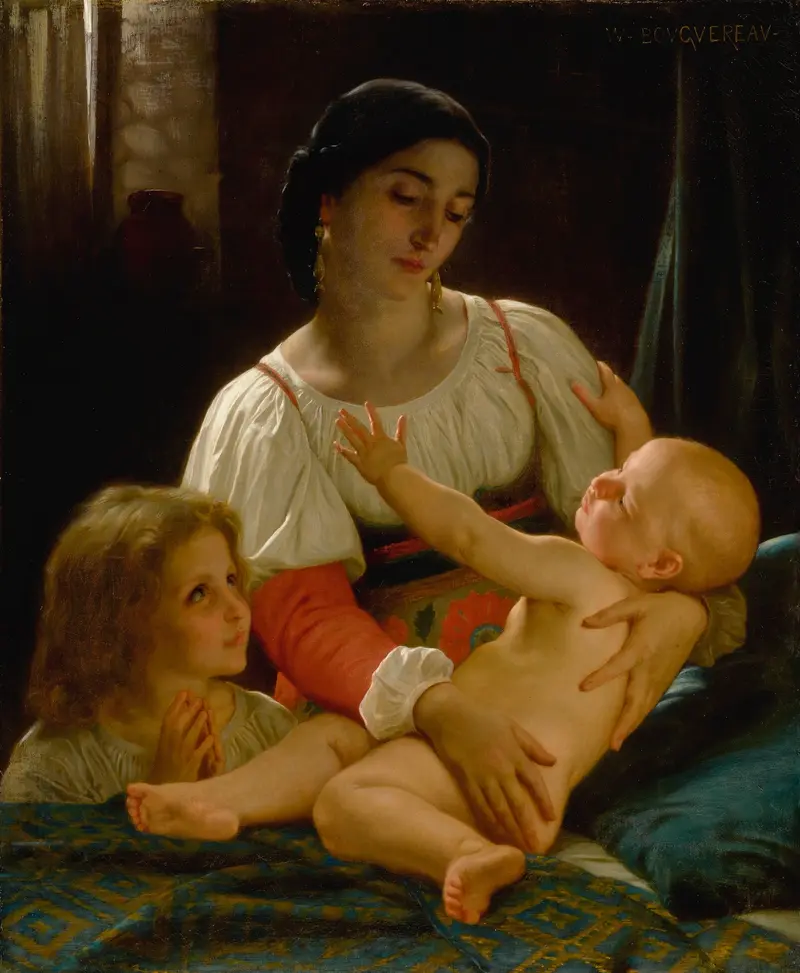
Le Réveil
William Bouguereau
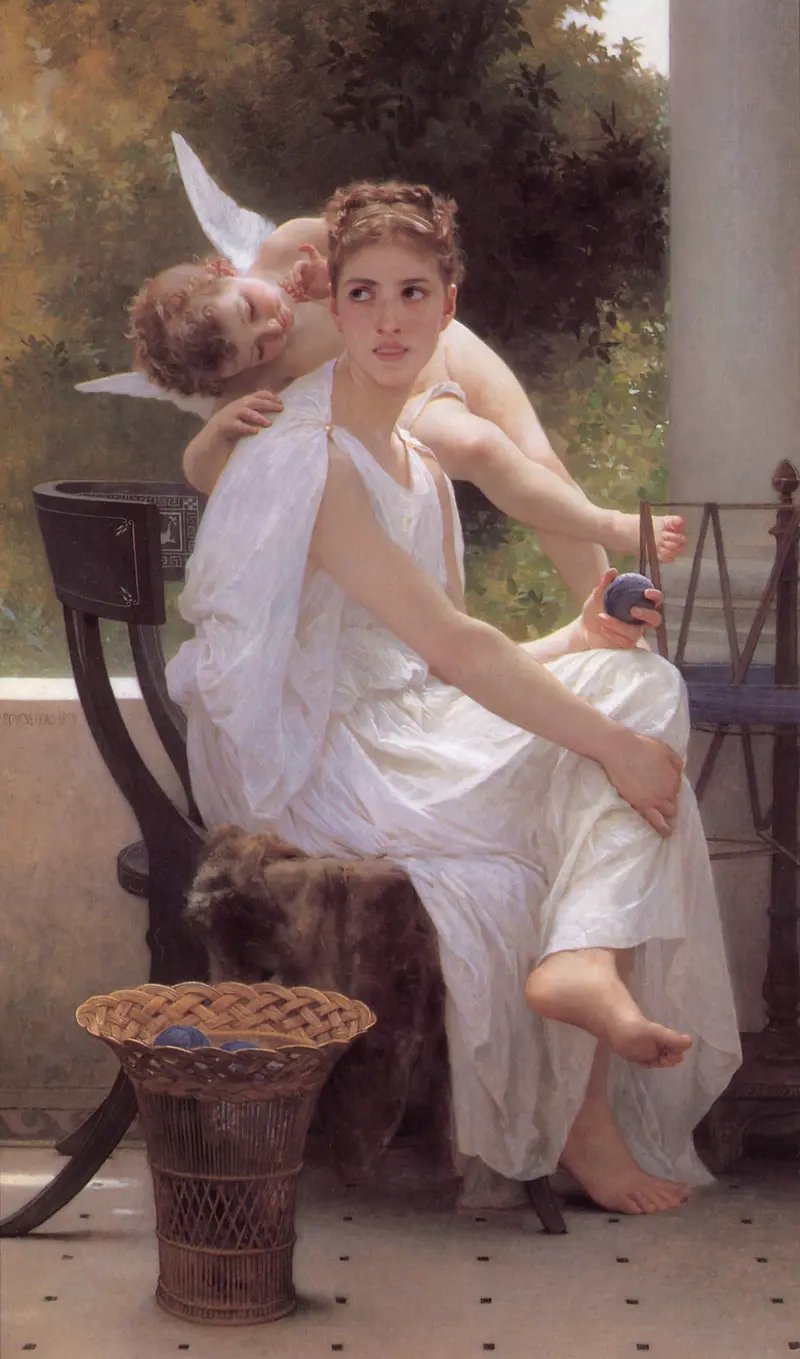
Le travail interrompu
William Bouguereau
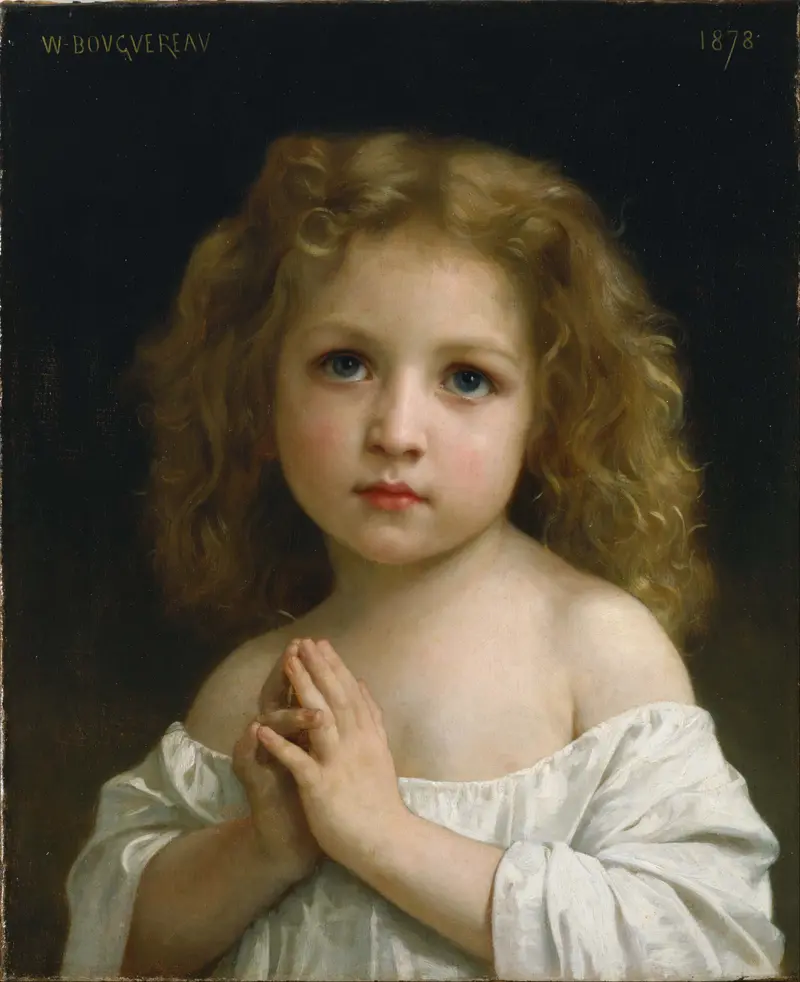
Little Girl
William Bouguereau
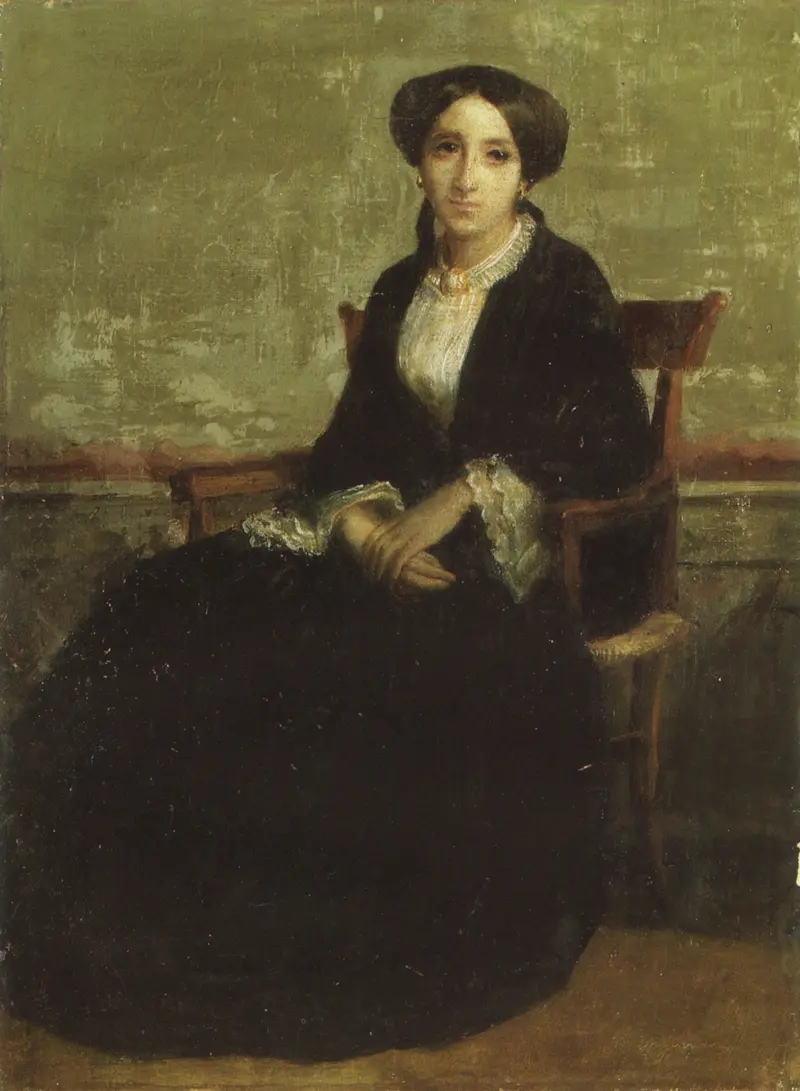
Portrait of Céline Geneviève
William Bouguereau

Bohémienne Au Tambour De Basque
William Bouguereau
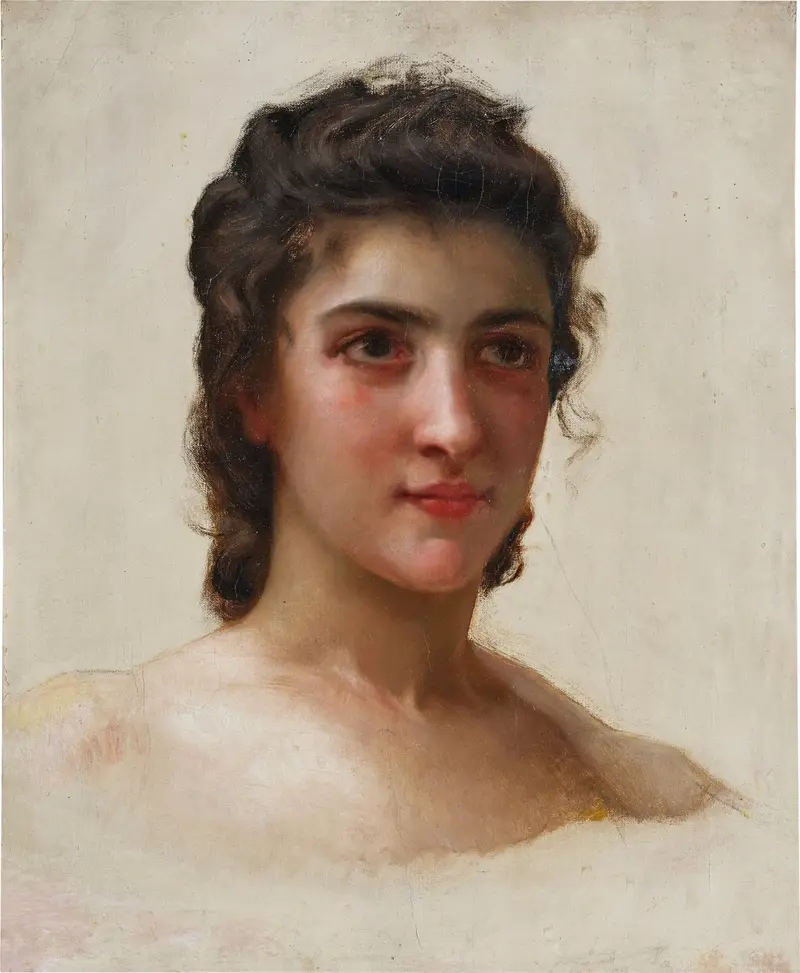
Portrait Study of Gabrielle Drunzer
William Bouguereau
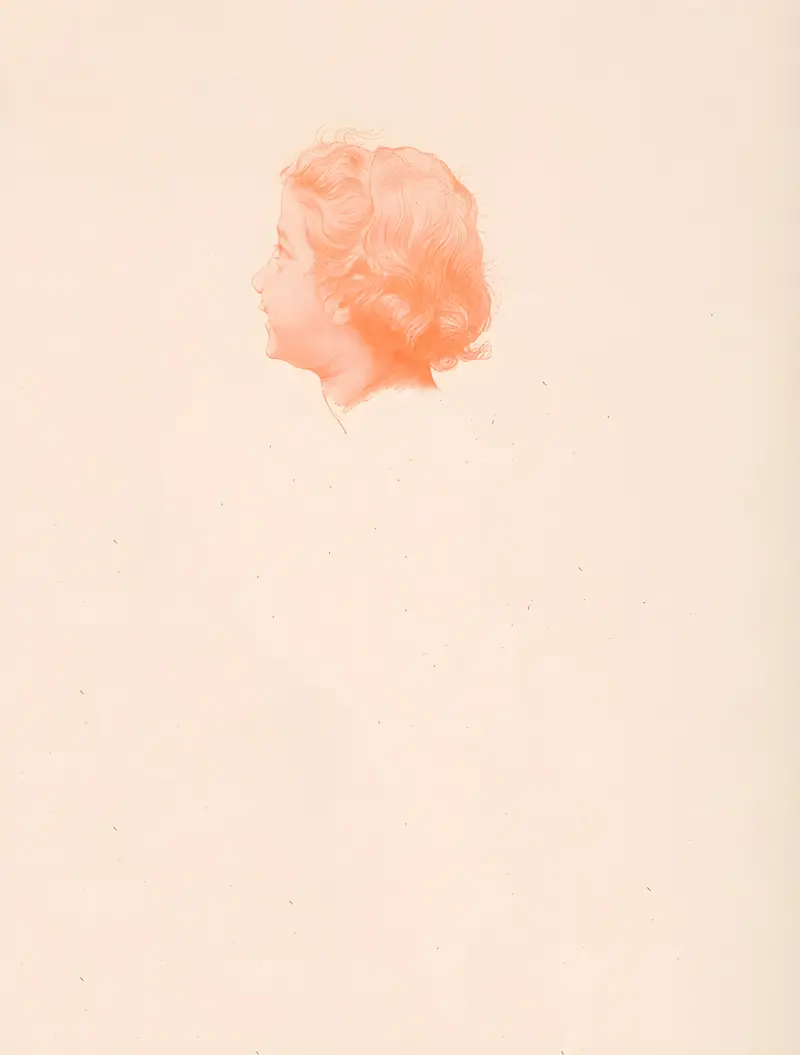
Tête d’enfant
William Bouguereau





