
La Baie D’agay Et Le Sémaphore — History & Facts
Can paint confess what words never could? In La Baie D’agay Et Le Sémaphore, the artist beckons us into a world where nature and human presence converge, whispering secrets of legacy, color, and light. Look to the left at the bold strokes of emerald green that define the lush foliage, drawing your eye across the canvas. The vibrant blues of the sea capture the sunlight, glittering like scattered jewels, while the semaphore stands sentinel against the horizon. Notice the interplay between the tender pastels of the sky and the earthy hues below, a delicate balance that invites contemplation on the passage of time and the echoes of history within this tranquil bay. Delve deeper into the contrasts: the steadfastness of the semaphore against the ephemeral play of light across the water.
Here, the warm reds and oranges pulse with vitality, suggesting the warmth of the sun setting on a day that will never return. The juxtaposition of nature’s calm with the human-made structure highlights a dialogue between permanence and transience, allowing the viewer to feel the weight of what was and what remains. Created in 1922, this piece reflects Armand Guillaumin's late-career exploration of light and color, shaped by his earlier affiliations with the Impressionist movement. By this time, the artist was well-respected, navigating a world of shifting artistic currents and growing recognition.
The serene bay captures the essence of his artistic legacy, a testament to his enduring passion for the beauty of the French landscape and the stories it holds.
More Artworks by Armand Guillaumin
Browse all →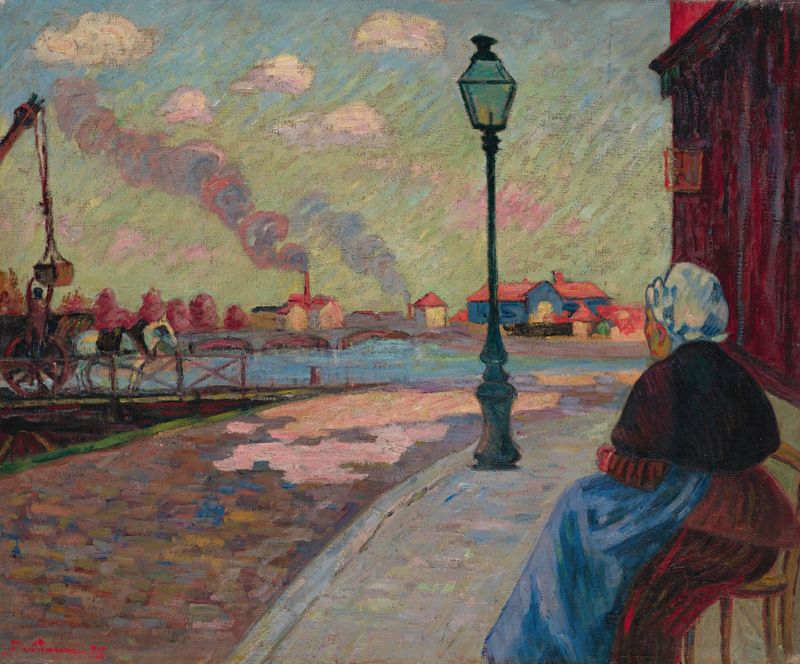
La Seine À Charenton
Armand Guillaumin
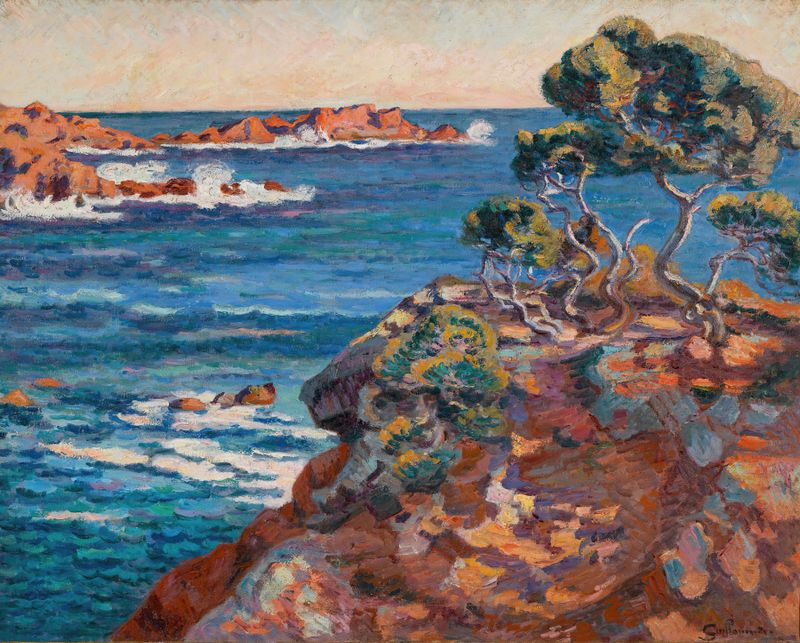
Bord De Mer À Agay
Armand Guillaumin
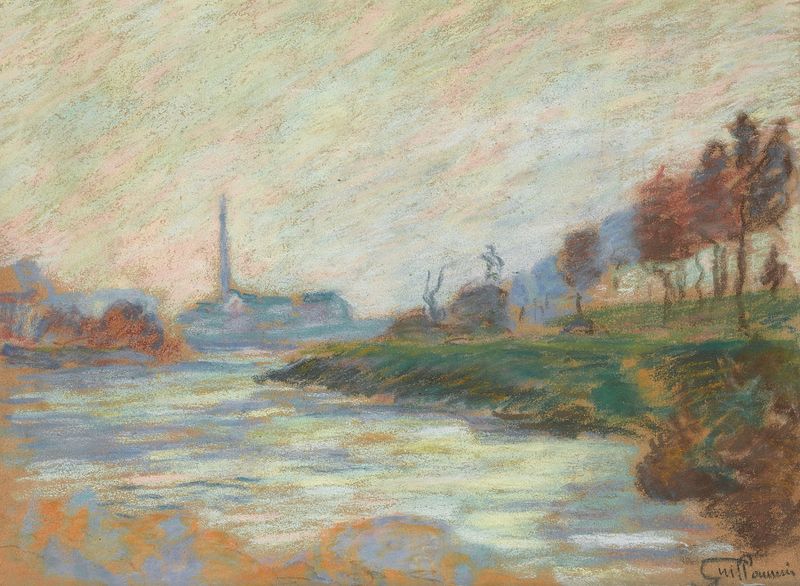
Confluent De La Marne Et De La Seine, Île De La France
Armand Guillaumin

Le Ravin de la folie, vue de Chateau Crozant
Armand Guillaumin
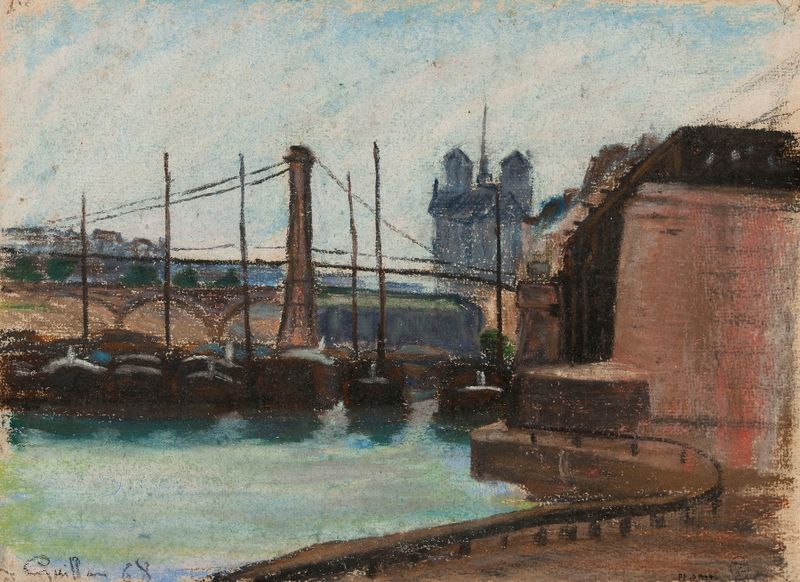
Le Pont d’Austerlitz
Armand Guillaumin

Paysage de Printemps
Armand Guillaumin
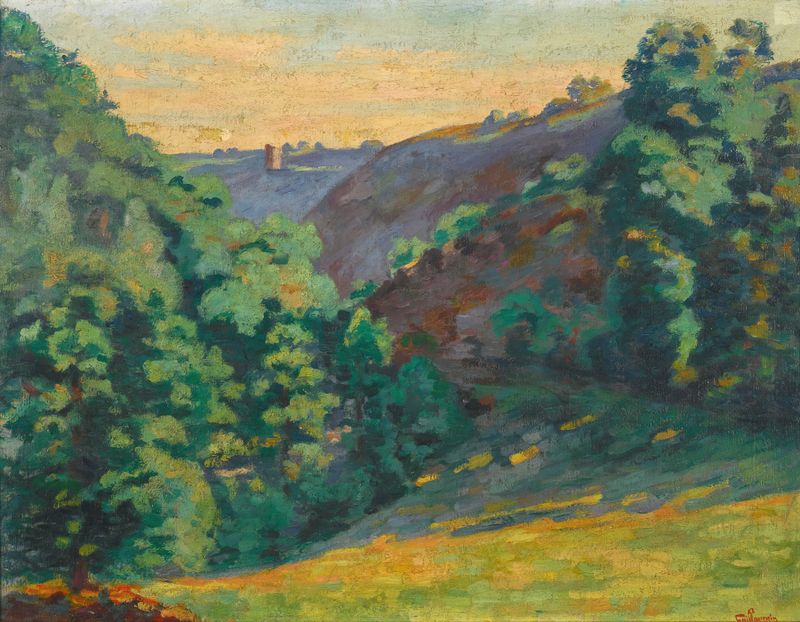
Crozant, Le Ravin De La Sedelle À La Folie
Armand Guillaumin
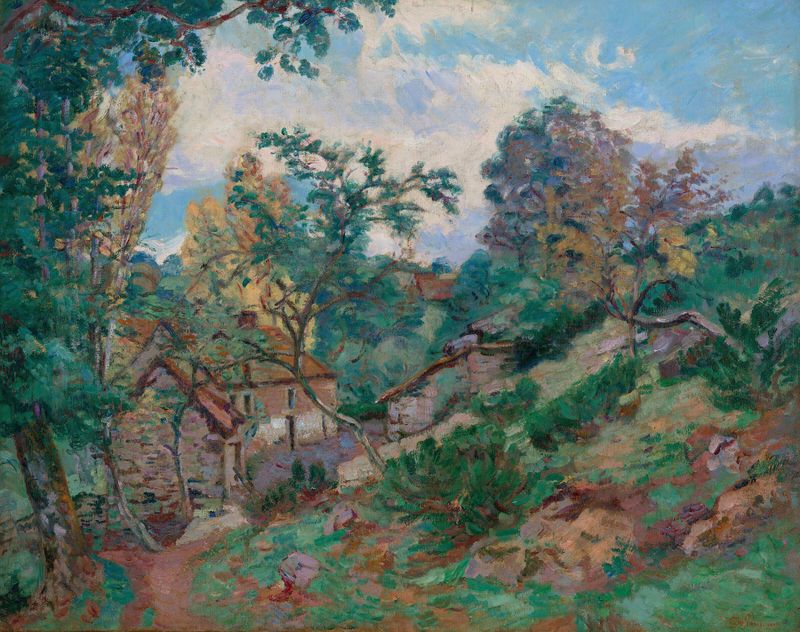
Paysage
Armand Guillaumin

La vallée de la creuse
Armand Guillaumin

L’Eglise Saint-Sulpice, Paris
Armand Guillaumin





