
La Camargue, Coucher De Soleil — History & Facts
When did color learn to lie? In the deceptive embrace of twilight, the hues of La Camargue, Coucher De Soleil whisper secrets that beckon the heart into a tender void. Focus first on the expansive sky, where oranges and deep purples vie for dominance, swirling into one another like the soft strokes of a painter's brush. Notice how this brilliant spectacle reflects upon the tranquil waters below, creating a mirror that not only captures the moment but transcends it. The composition is a dance of light and shadow, framing the horizon where land meets sky, evoking an ethereal stillness that hints at the day’s end and the mysteries of night. Beneath the surface of vibrant colors, a quiet tension lingers.
The luminous sky contrasts sharply with the dark silhouettes of distant trees, symbolizing the duality of nature’s beauty and its inherent chaos. It invites a discourse on the ephemeral nature of time; as day fades, one can sense an aching longing, a yearning for what is lost yet also a celebration of fleeting beauty. The void looms close, suggesting both an ending and a new beginning, as night approaches, promising solace in obscurity. Félix Ziem painted this work during a pivotal time in his career, likely in the late 19th century when he was deeply influenced by the impressionist movement.
Living in Paris yet often escaping to the wild landscapes of southern France, he captured the unique light of the Camargue region at a time when artists were increasingly drawn to the interplay of color and atmosphere in their work. This painting reflects not only his mastery of technique but also the broader artistic exploration of light and emotion in a changing world.
More Artworks by Félix Ziem
Browse all →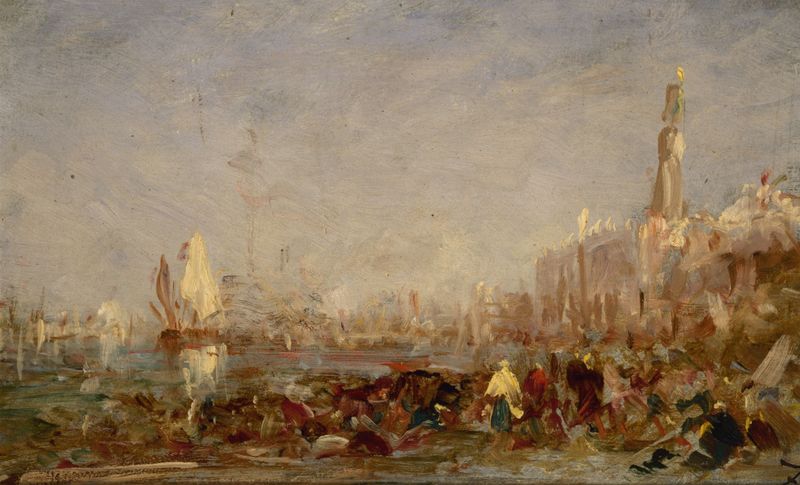
Venise
Félix Ziem
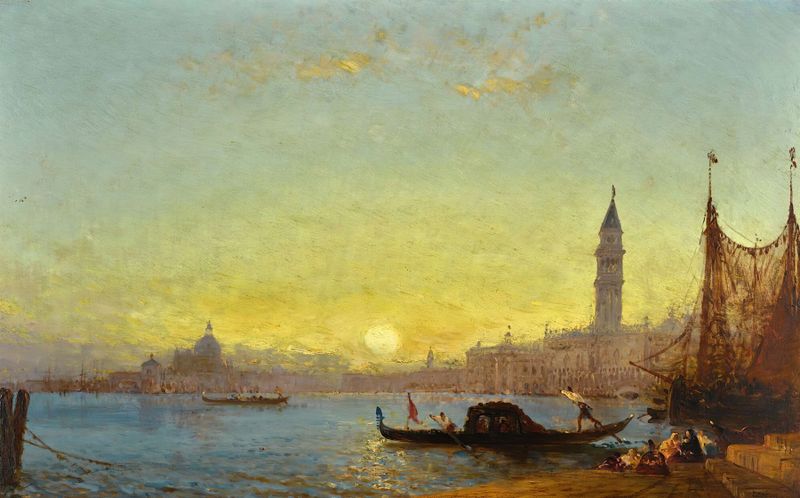
Coucher De Soleil À Venise
Félix Ziem
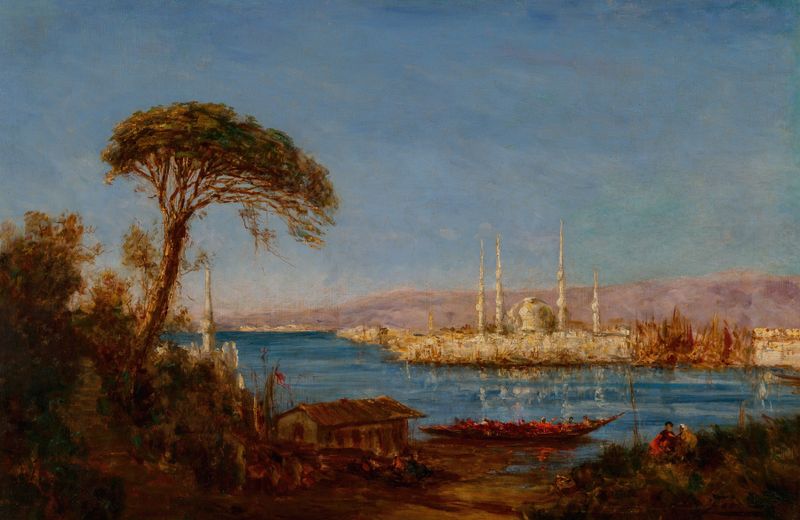
Constantinople
Félix Ziem
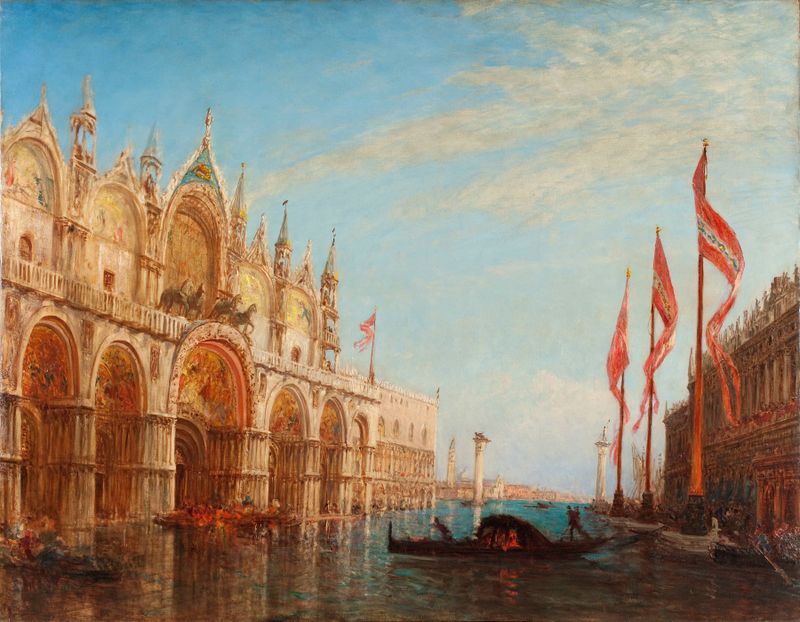
La place Saint-Marc, inondation de 1863
Félix Ziem
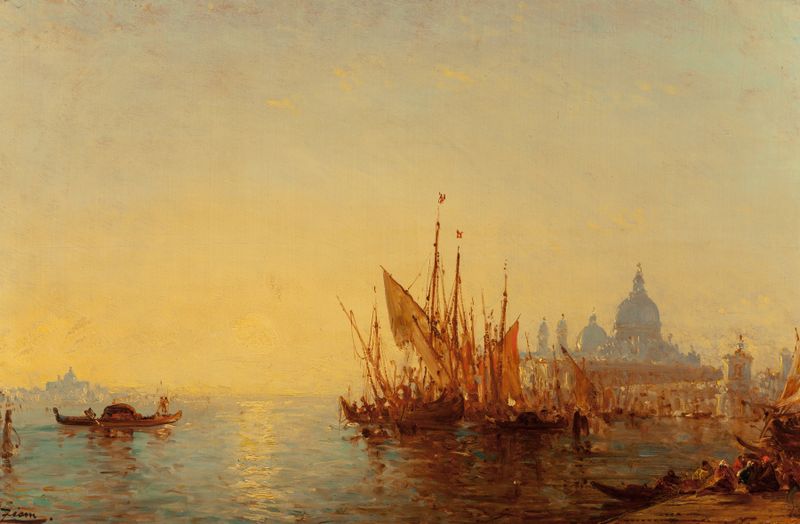
Bacino di San Marco
Félix Ziem
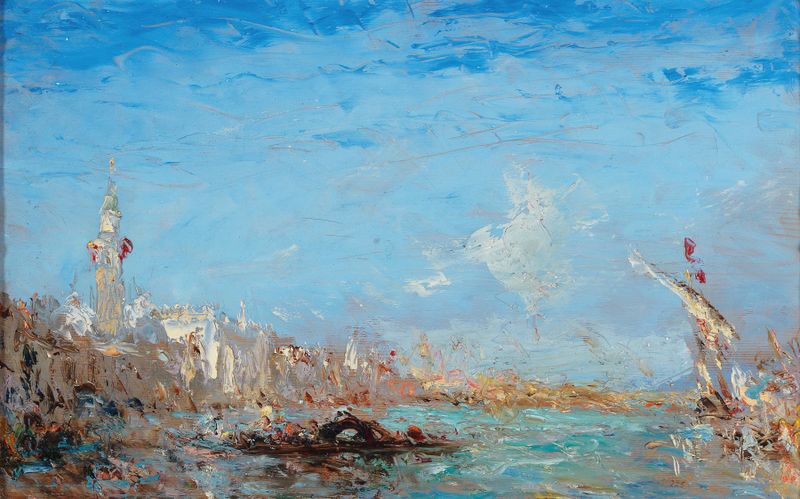
Canal Grande
Félix Ziem
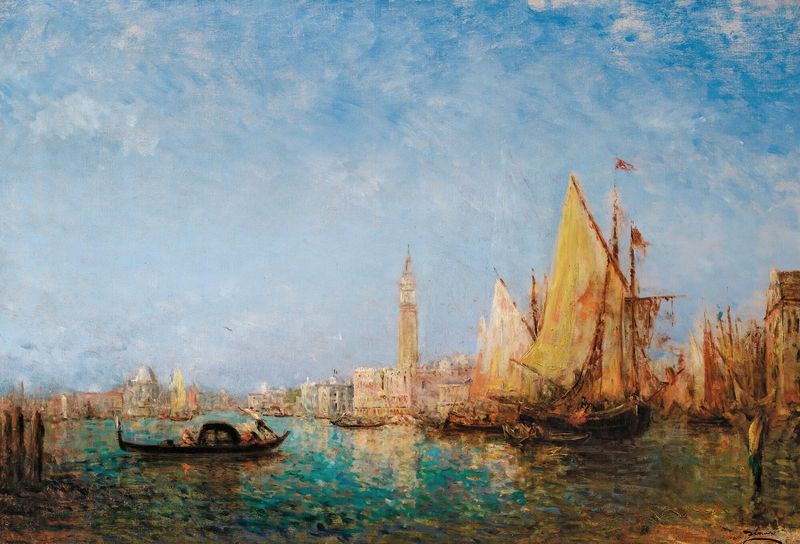
Le Palais Du Doge, Venise
Félix Ziem
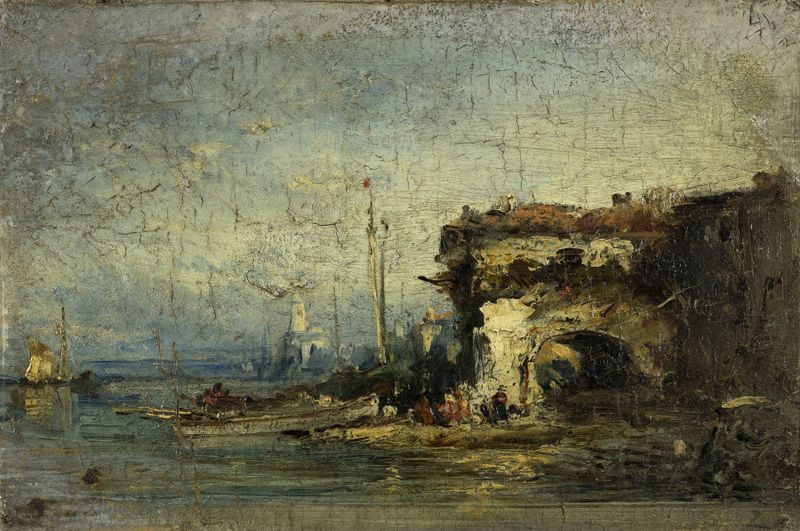
Vue d’Italie; la vieille porte
Félix Ziem
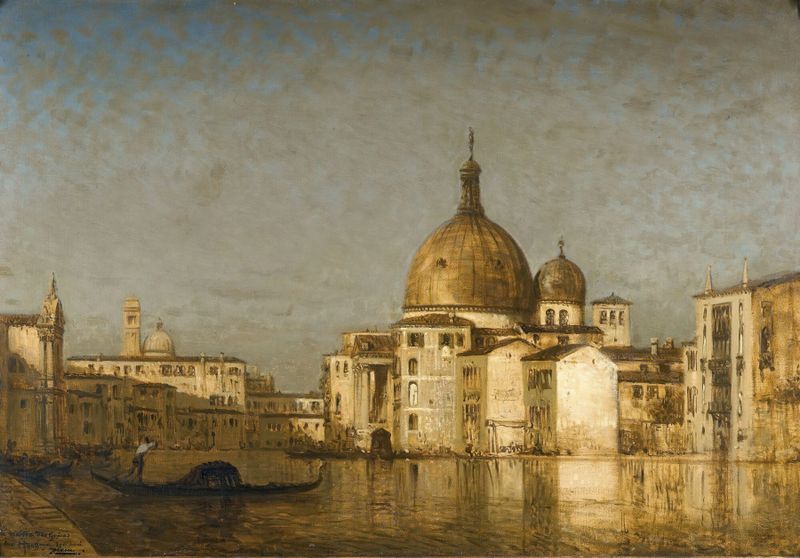
San Simeone Piccolo Au-Delà Du Grand Canal, Venis
Félix Ziem
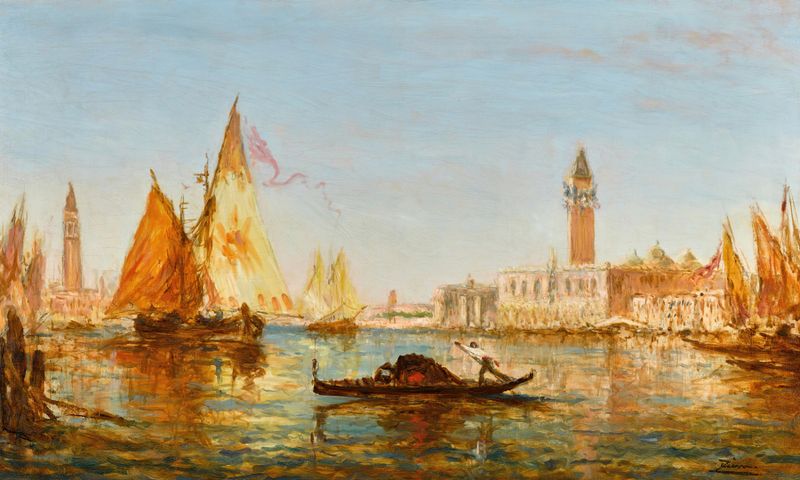
Venise, gondole et voiliers devant le Palais des doges et San Giorgio Maggiore
Félix Ziem





