
La Cathédrale — History & Facts
What if silence could speak through light? In La Cathédrale, the interplay of illumination and shadow offers a voice to the hallowed recesses of memory and legacy. Look to the center where the towering spire of the cathedral pierces the canvas, drawing your gaze upward. Notice how the light cascades across the stone facade, illuminating intricate carvings that whisper stories of faith and history. The subtle greens and grays of the surrounding landscape cradle the cathedral, providing a sense of permanence amidst the shifting seasons of life.
Each stroke of the brush captures not just the architecture but the ethereal quality of the air, making the viewer almost feel the weight of the past hovering over the present. Delve deeper into the small details that reveal emotional nuance — the flecks of golden sunlight that dance on the cathedral’s surface suggest hope, while the darker shadows lurking at its base symbolize the weight of time and tradition. Here lies a tension between the grandeur of man’s creations and the quiet inevitability of nature’s reclamation. Each element harmonizes, creating a dialogue between the divine and the ephemeral, urging contemplation of our own legacies. In 1919, the artist painted La Cathédrale during a tumultuous period in Europe, marked by the aftermath of World War I.
Residing in the Netherlands, Schelfhout was influenced by both the lingering pain of conflict and a growing yearning for peace and stability. His work reflects this duality, capturing not only a structure of worship but the collective spirit of resilience that characterized a world emerging from chaos.
More Artworks by Lodewijk Schelfhout
Browse all →
Hollands landschap met boerderij en weiland
Lodewijk Schelfhout
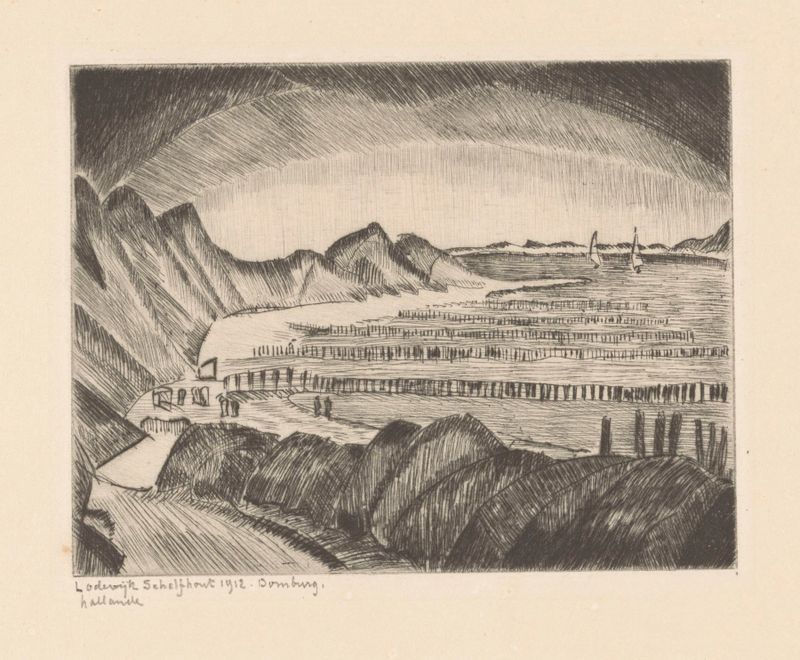
Strand van Domburg Plage de Dombourg
Lodewijk Schelfhout
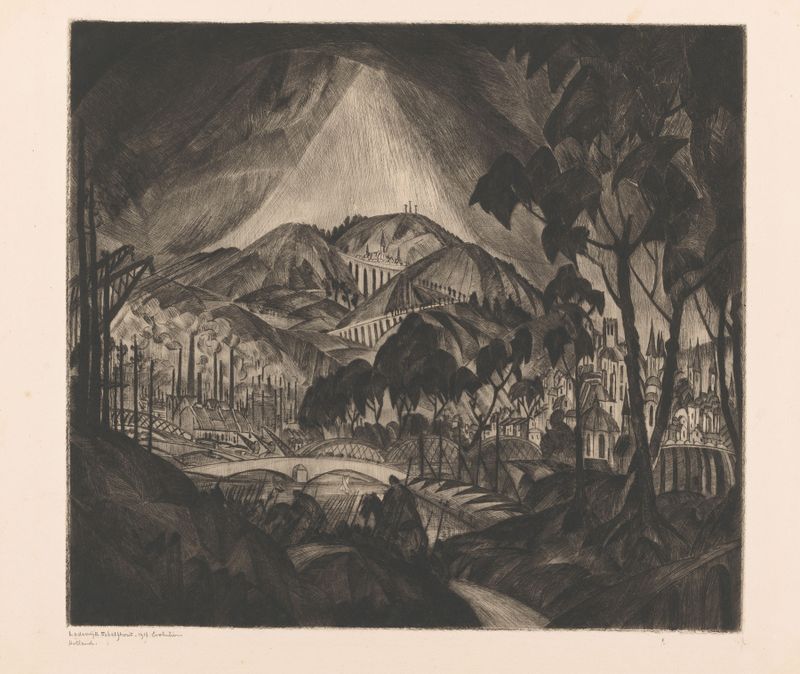
Heuvellandschap met industrie
Lodewijk Schelfhout
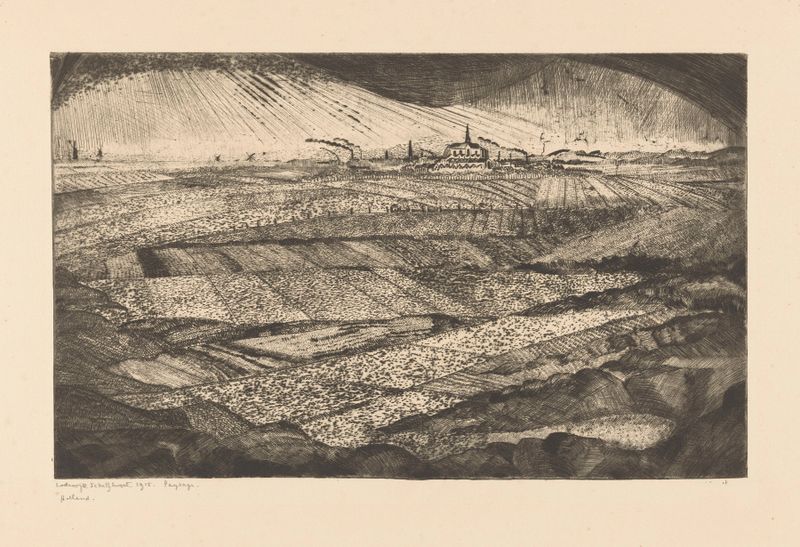
Paysage
Lodewijk Schelfhout
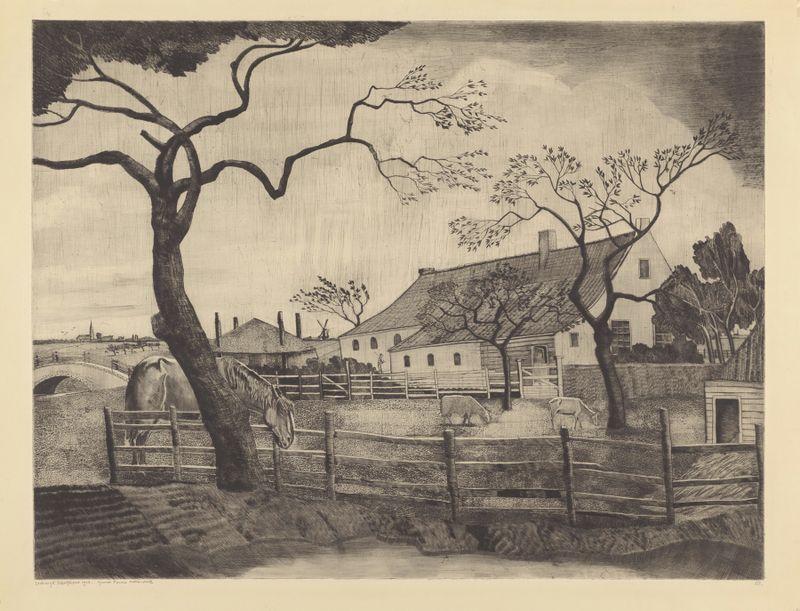
Boerderij met vee in Holland
Lodewijk Schelfhout
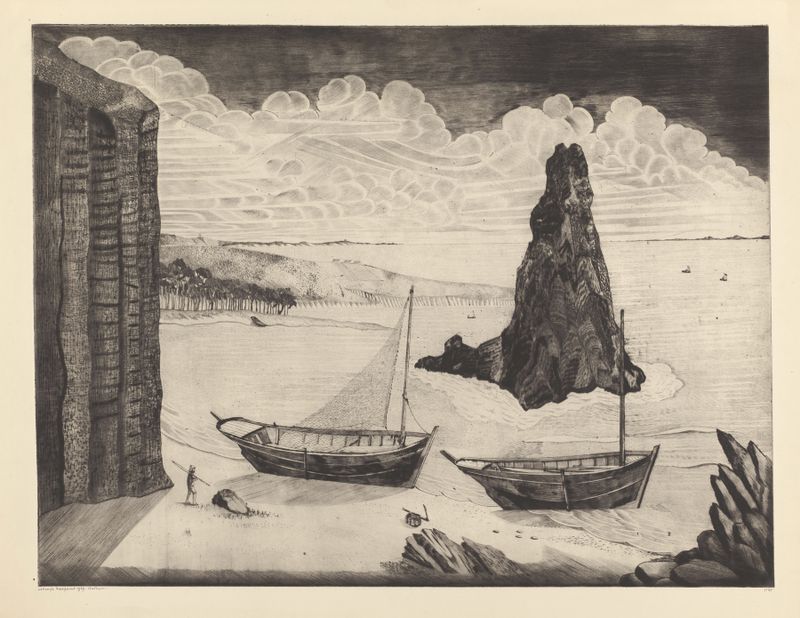
Twee afgemeerde schepen op een strand
Lodewijk Schelfhout
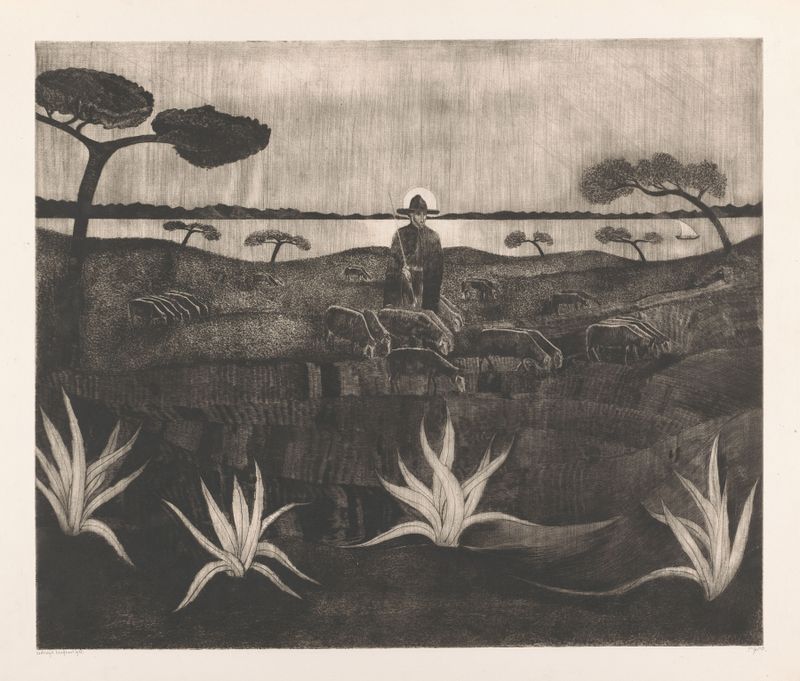
Herder met een kudde schapen in een heuvellandschap
Lodewijk Schelfhout
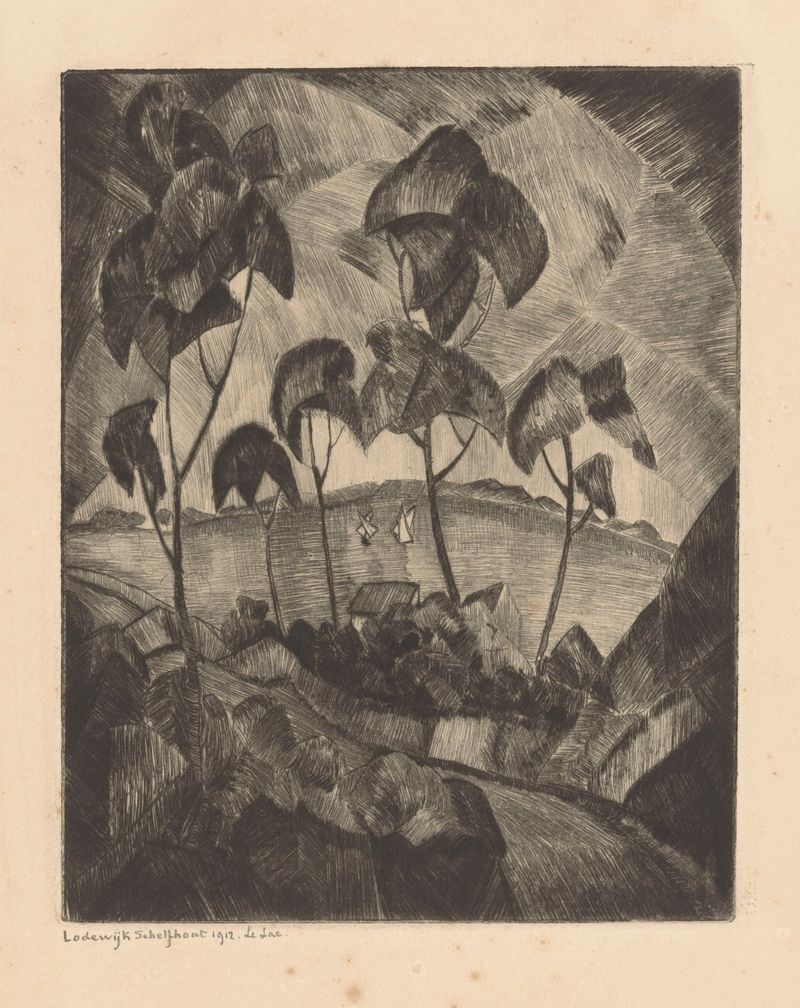
Meer in een heuvellandschap Le Lac
Lodewijk Schelfhout

Heuvellandschap met sparren
Lodewijk Schelfhout

Berglandschap met aquaduct L’Aqueduc
Lodewijk Schelfhout
More Architecture Art
Browse all →
The statue of Liberty
Frédéric Auguste Bartholdi

View of Houses in Delft, Known as ‘The Little Street’
Johannes Vermeer

View of Houses in Delft, Known as ‘The Little Street’
Johannes Vermeer

The Cathedral in Rouen. The portal, Grey Weather
Claude Monet

The yellow house
Vincent van Gogh

The Church in Auvers-sur-Oise, View from the Chevet
Vincent van Gogh