
La Charbonniere — History & Facts
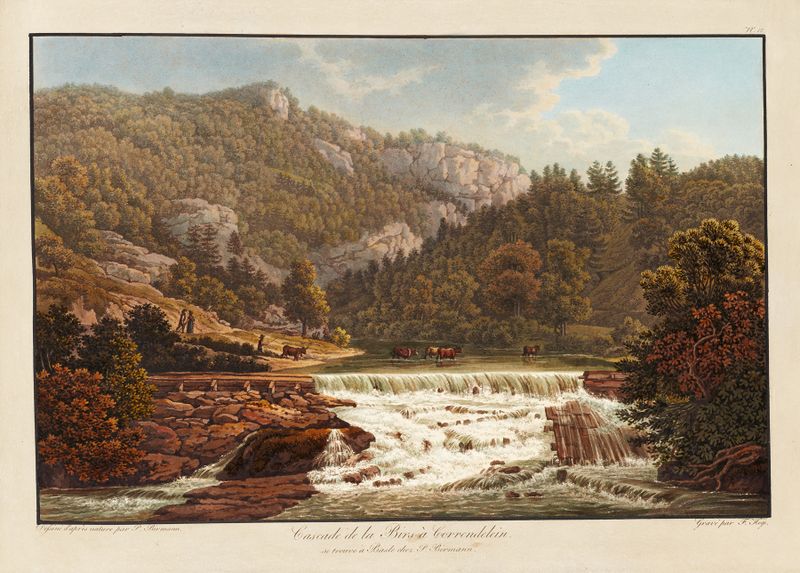
What secret hides in the quiet of the canvas? In the stillness of La Charbonniere, a profound yearning echoes through the swathes of color and shadow. Look to the left at the gentle curve of the land as it dips toward the horizon, cradling a solitary figure laboring amidst the charcoal harvest. The earthy browns and muted greens draw the eye, their richness evoking the weight of the landscape. Notice how the soft light filters through the trees, casting delicate patterns on the ground, highlighting the simplicity of the scene while simultaneously imbuing it with an air of nostalgia and introspection. The interplay of light and shadow in this work reflects more than just the physical world; it suggests an emotional landscape rife with contrasts.
The solitary worker, seemingly dwarfed by the surrounding wilderness, embodies both diligence and isolation. This duality evokes a sense of longing for connection, an innate desire to be part of something larger than oneself. The quiet hum of nature contrasts sharply with the laborer's toil, reminding us of the delicate balance between human endeavor and the tranquility of the earth. Peter Birmann painted La Charbonniere during a period when Romanticism was gaining traction, emphasizing the sublime beauty of nature and the individual's place within it.
The exact date of the painting remains uncertain, but it reflects a moment in his career characterized by a fascination with the rural landscape and the profound emotions it evokes. At that time, many artists were turning their attention to the intimate relationships between humanity and the natural world, a theme that resonated deeply in Birmann’s work.
More Artworks by Peter Birmann
Browse all →
View from the Isteinerklotz up the Rhine toward Basel
Peter Birmann

Sursee und Umgebung mit Sempachersee und Alpen
Peter Birmann
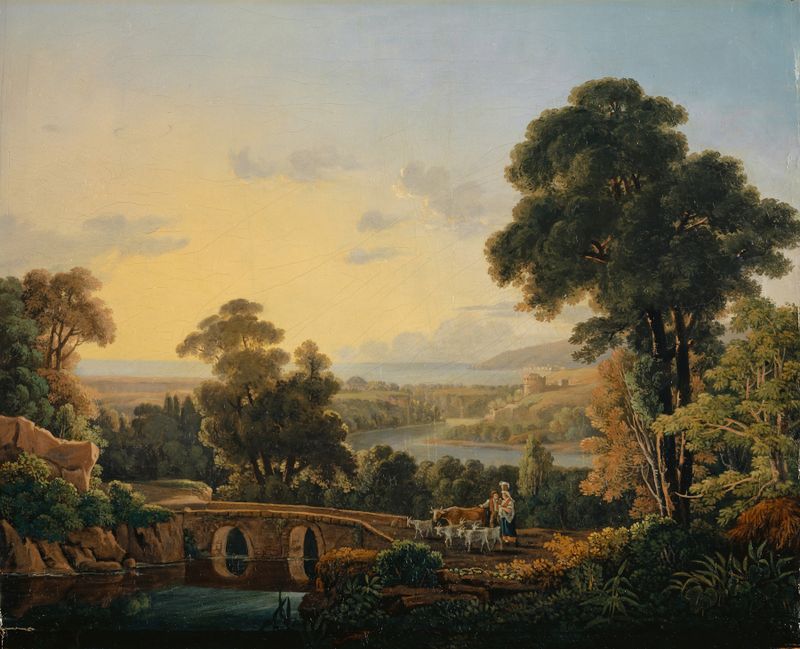
Hilly Landscape with River and Bridge
Peter Birmann
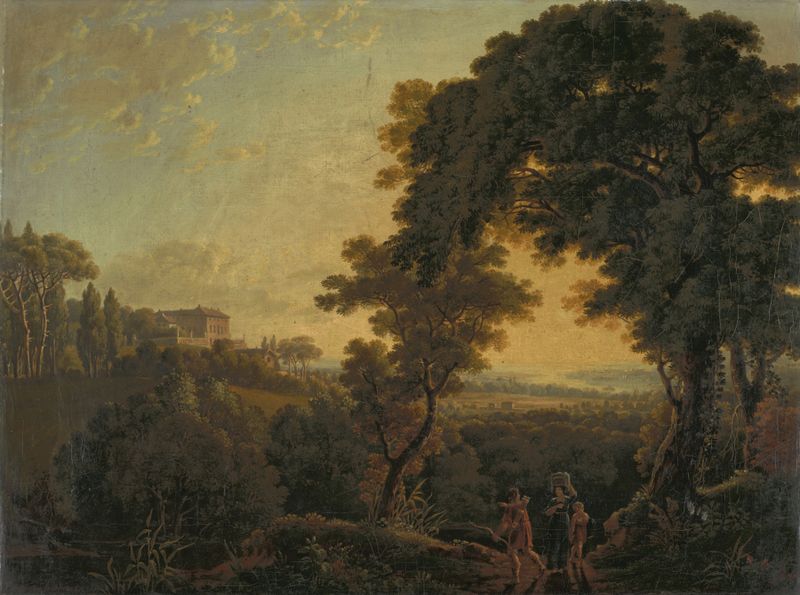
Italian Landscape, Lake Nemi
Peter Birmann

View from the Muttenz Quarry toward Basel
Peter Birmann

Entrée du Val de Moutier
Peter Birmann
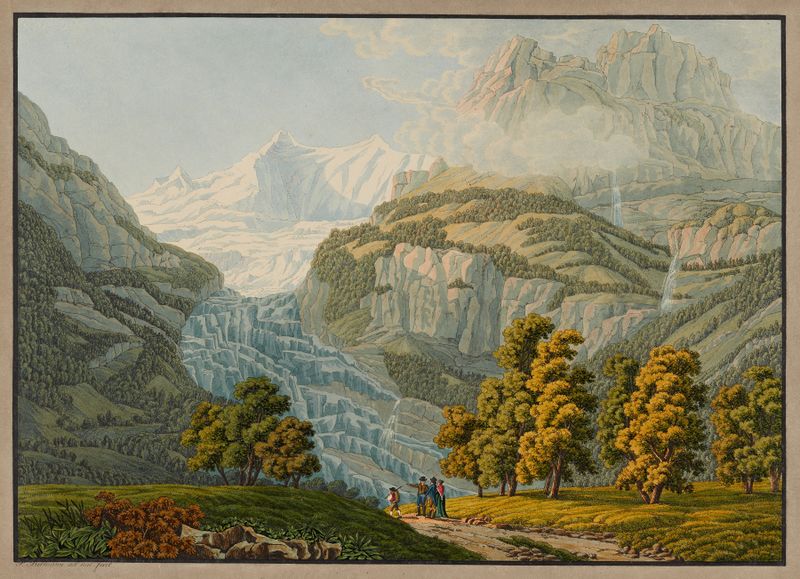
Le Glacier inférieur du Grindelwald, dans le Canton de Berne
Peter Birmann
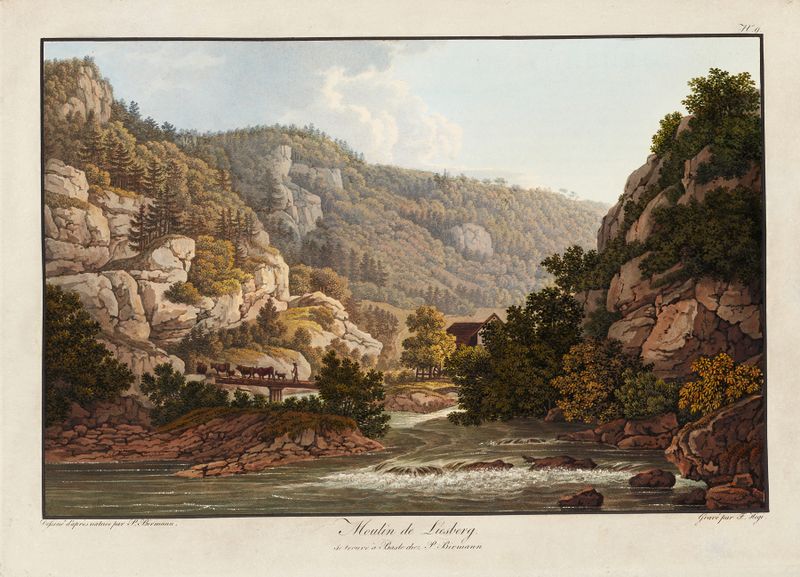
Moulin de Liesberg
Peter Birmann

Blick vom Muttenzer Steinbruch auf Basel (‘Environs de Bâle. prise sur la Carriere de Muttentz’)
Peter Birmann
Cascade de la Birs à Correndelein
Peter Birmann





