
La Creuse — History & Facts
Is this a mirror — or a memory? The shimmering surface of the water invokes both reflection and recollection, evoking a delicate tension between the known and the unknown. Focus on the vibrant blues and greens swirling through the canvas, where the play of light dances across the water's surface, drawing your eye to the heart of the image. Notice how the brushstrokes pulse with energy, creating a sense of movement that seems to breathe life into the scene. The trees, framed in the background, stretch upward, their rich hues contrasting against the fluidity of the water, inviting contemplation about nature's vibrant yet fleeting presence. In this artwork, the interplay of color and light suggests an underlying fear of loss—the fear of moments slipping away like water through one’s fingers.
The stillness of the water hints at a profound depth, where memories and emotions are intertwined, and the striking contrast between the elements signifies the fragility of life. Each detail, from the lapping waves to the dappled sunlight, is laden with meaning, leaving the viewer to grapple with their own sense of nostalgia and trepidation. Created in 1900, this work emerged during a transformative period for the artist, who was deeply influenced by the Impressionist movement. Guillaumin painted La Creuse while exploring the landscapes around the Creuse Valley in France, a time marked by personal challenges and evolving artistic expression.
The era was characterized by a search for new ways to capture light and atmosphere, making the piece a striking reflection of both the artist’s journey and the broader artistic milieu of his time.
More Artworks by Armand Guillaumin
Browse all →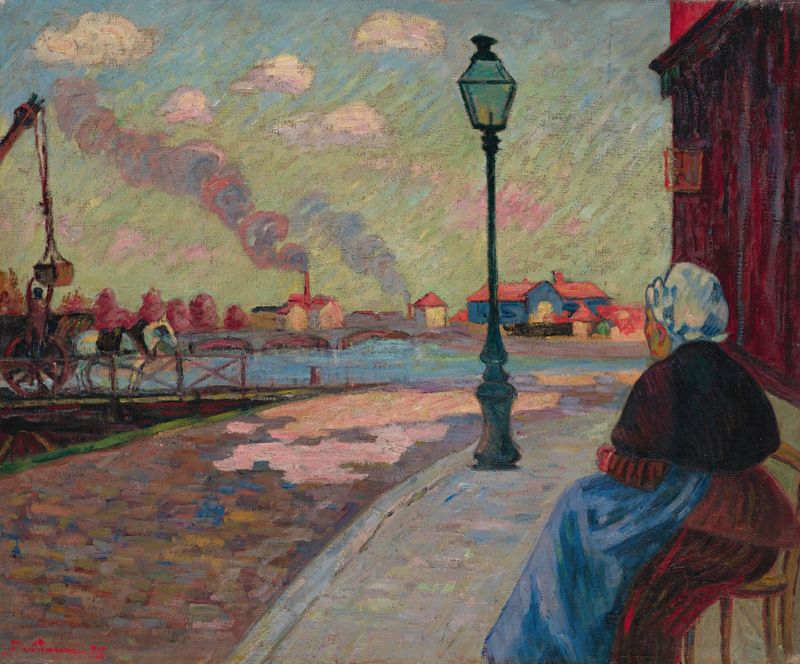
La Seine À Charenton
Armand Guillaumin
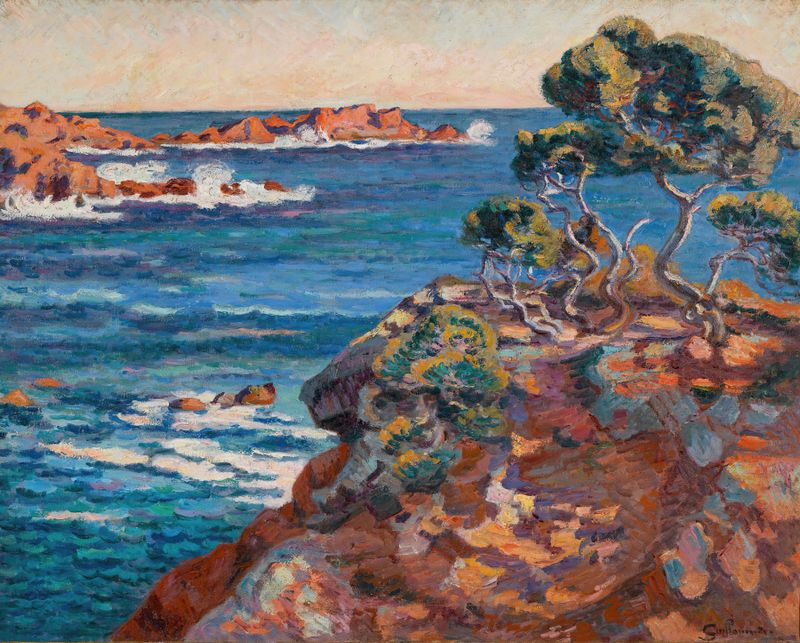
Bord De Mer À Agay
Armand Guillaumin
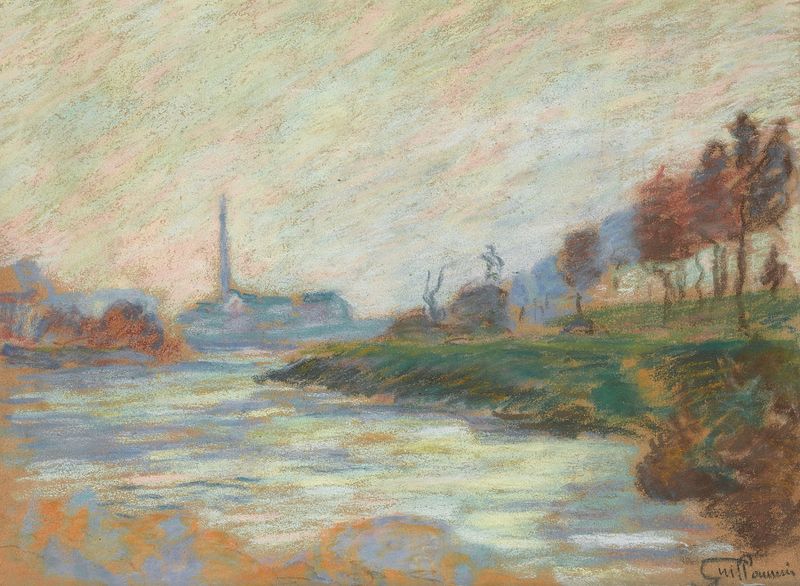
Confluent De La Marne Et De La Seine, Île De La France
Armand Guillaumin

Le Ravin de la folie, vue de Chateau Crozant
Armand Guillaumin
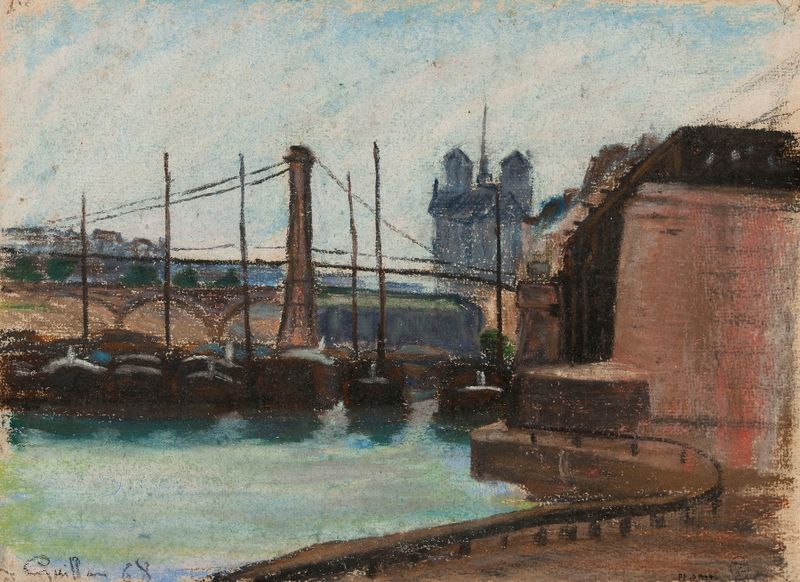
Le Pont d’Austerlitz
Armand Guillaumin

Paysage de Printemps
Armand Guillaumin
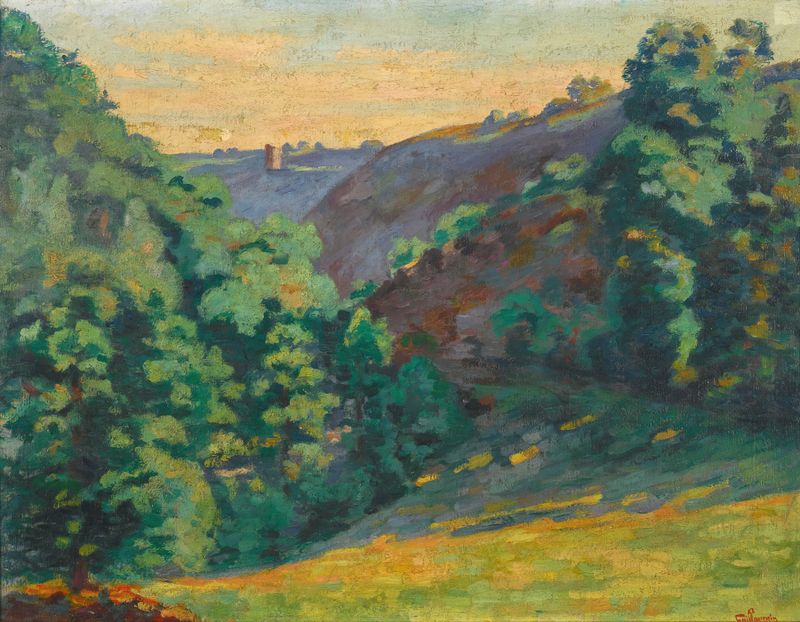
Crozant, Le Ravin De La Sedelle À La Folie
Armand Guillaumin
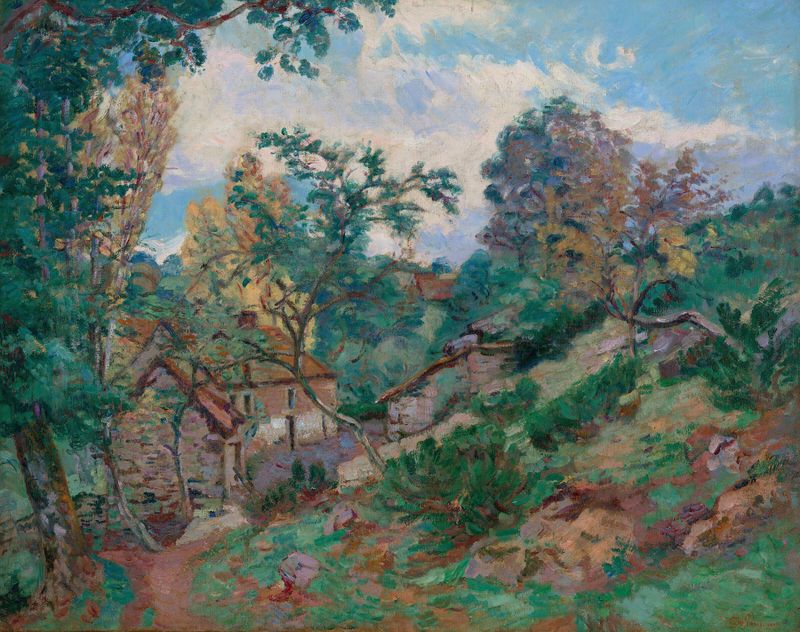
Paysage
Armand Guillaumin

La vallée de la creuse
Armand Guillaumin

L’Eglise Saint-Sulpice, Paris
Armand Guillaumin





