
La Digue rouge à Loctudy — History & Facts
In La Digue rouge à Loctudy, the tumult of nature transforms into a harmonious blend of color and form, inviting the viewer into a world that balances discord and beauty. Focus first on the vibrant red hues of the dike that dominate the foreground. Notice how the rich, earthy tones contrast beautifully with the soft blues of the sky and water, creating a dialogue between land and sea. The brushstrokes, both loose and deliberate, evoke the sensation of wind sweeping across the landscape.
Look closely at the interplay of light and shadow—the gentle dappling suggests a fleeting moment, as if time itself pauses to admire this serene view. Beyond the striking color palette lies a deeper resonance. The juxtaposition of the rigid red dike against the fluidity of the water captures an ongoing struggle between structure and nature, chaos and order. Each stroke reflects the artist's inner turmoil, perhaps echoing a personal conflict or societal change, inviting viewers to reflect on their own encounters with unpredictability.
The scene holds a quiet tension, encapsulating the transient beauty of life amid an ever-shifting environment. During the summer of 1894, the artist was immersed in the vibrant artistic scene of post-Impressionism in France. Working in the coastal town of Loctudy, he sought to portray the essence of the landscape through bold colors and simplified forms. This painting emerged from a time when artists were increasingly exploring the emotional resonance of color and composition, paving the way for new artistic expressions that moved beyond traditional depictions.
More Artworks by Maurice Denis
Browse all →
La plage rouge
Maurice Denis
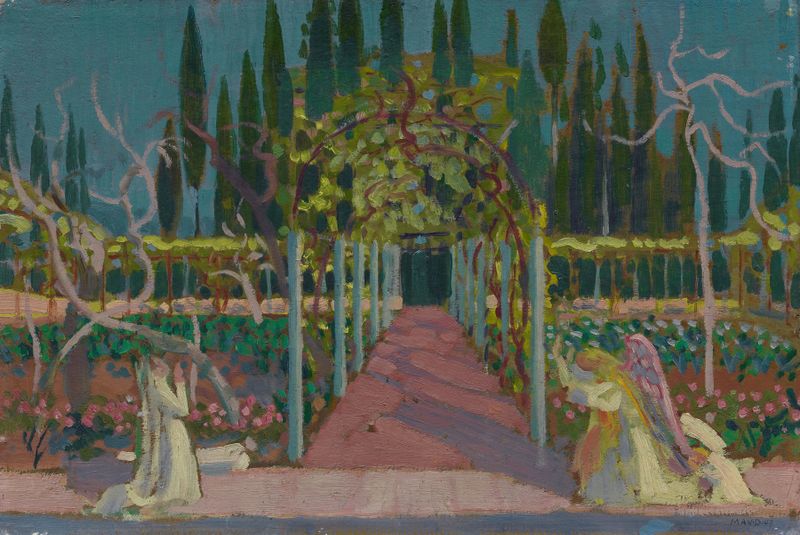
Annunciation
Maurice Denis
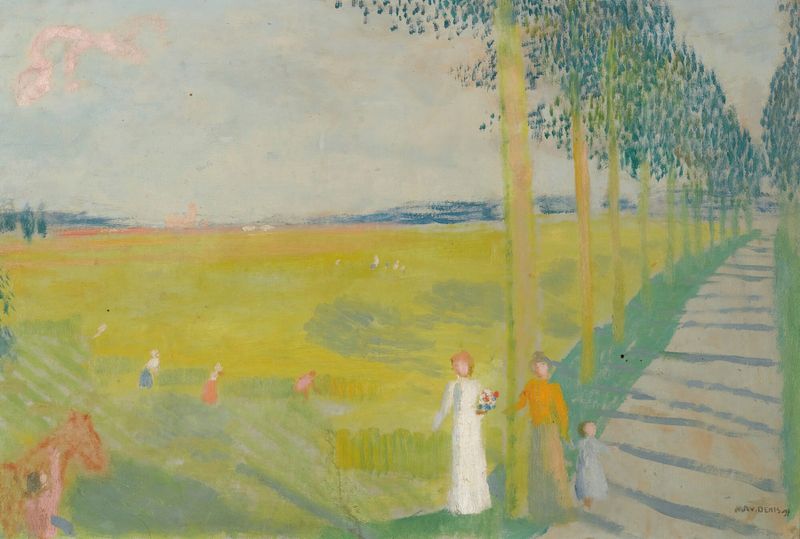
Paysage De Campagne
Maurice Denis
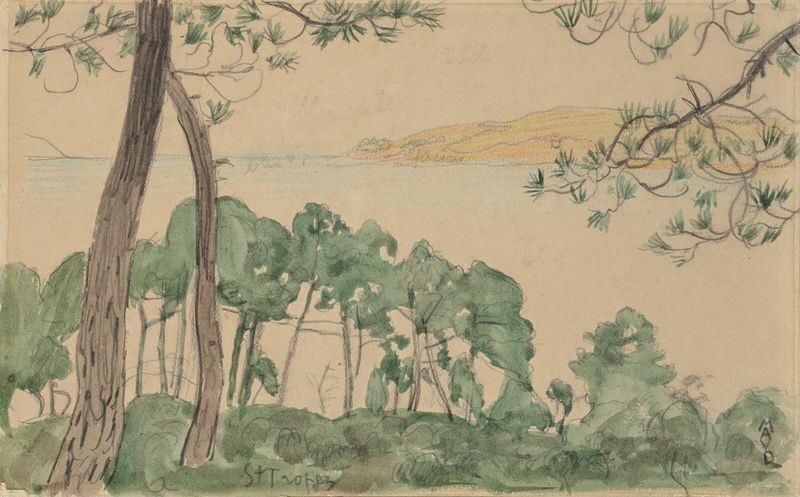
Saint-Tropez
Maurice Denis

Étretat
Maurice Denis
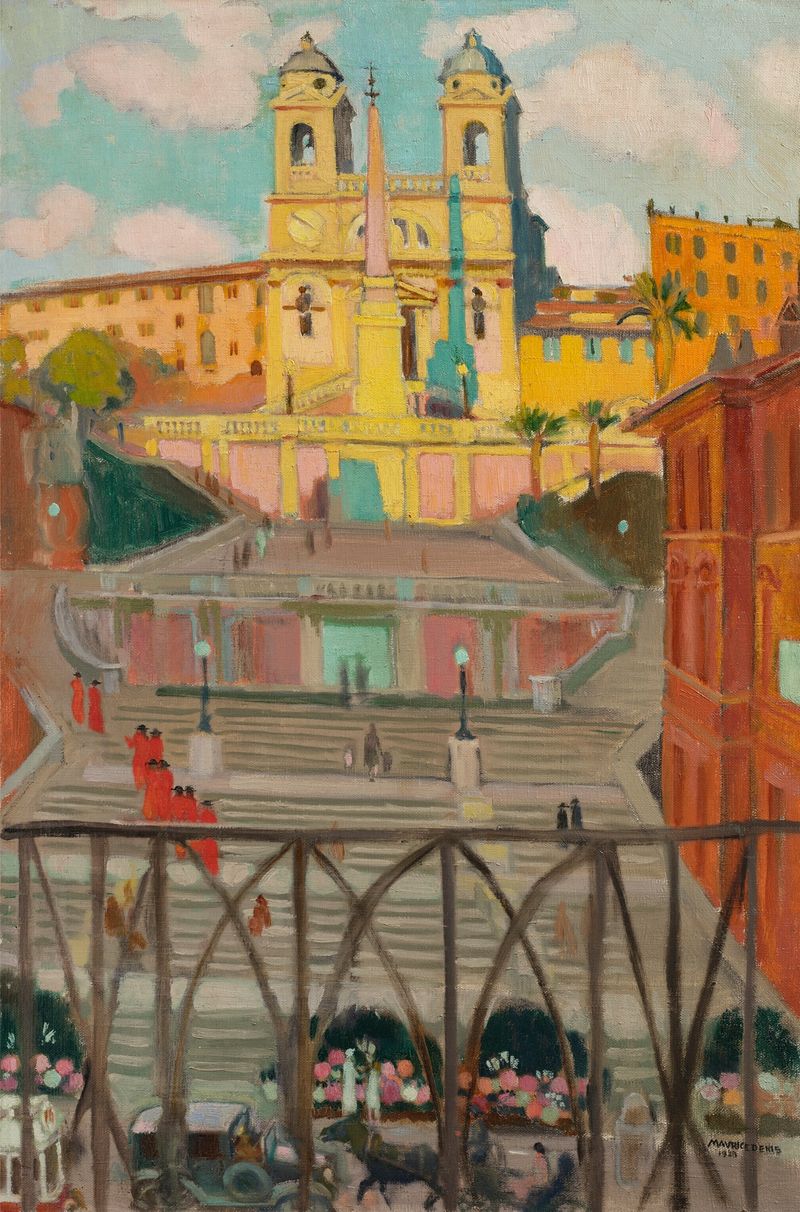
L’Escalier d’Espagne et la Trinité-des-Monts, le soir
Maurice Denis

Blessing of a Yacht on the Belon River
Maurice Denis

Vue du Colisée
Maurice Denis

Forum, l’Arc de Constantin
Maurice Denis

La Piazzetta, Venise
Maurice Denis





