
La ferme à Montfoucault (Farm at Montfoucault) — History & Facts
The echoes of decay haunt the corners of existence, whispering stories of life once vibrant, now shrouded in stillness. Look closely at the left side, where the old farmhouse reveals its weathered facade, the paint peeling like memories fading away. The muted palette of greens and browns envelops the scene, suggesting the passage of time, while the gentle brushstrokes convey both softness and tension. Notice how the light dances across the field, illuminating the furrows in the earth, evoking a sense of labor and loss intertwined. Amidst the thriving vegetation, one can sense an underlying disquiet.
The juxtaposition of burgeoning nature and the crumbling structure speaks to the transience of human endeavor against the relentless march of time. Each element, from the solitary figure in the foreground to the distant trees, contributes to a narrative of resilience overshadowed by inevitable decay—a bittersweet reminder that life and loss are forever woven together. In 1874, while residing in France, Camille Pissarro painted this piece during a transformative period in his career. Emerging as a key figure in the Impressionist movement, he sought to capture the essence of rural life amid the broader industrial changes sweeping through Europe.
This work reflects his deep connection to the land and his desire to document the vanishing world of agrarian tradition.
More Artworks by Camille Pissarro
Browse all →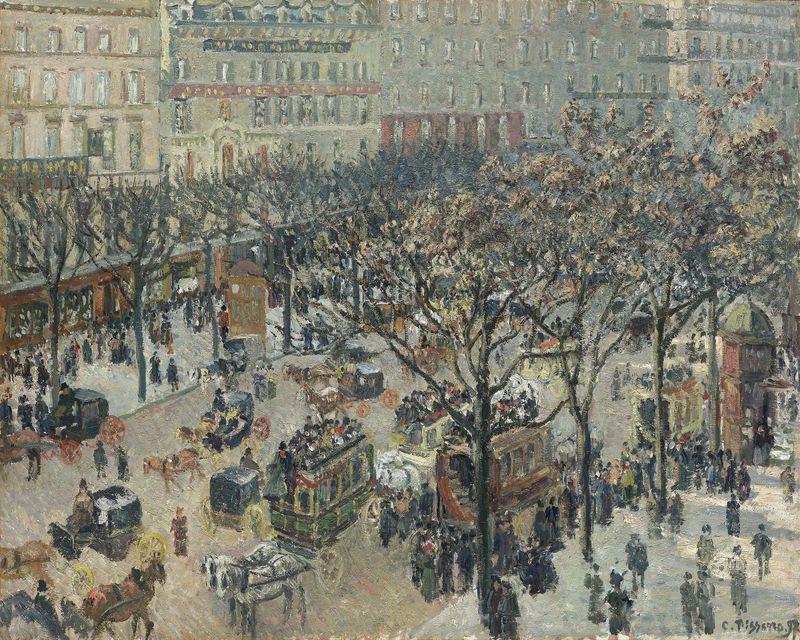
Boulevard des Italiens,Morning_Sunlight
Camille Pissarro
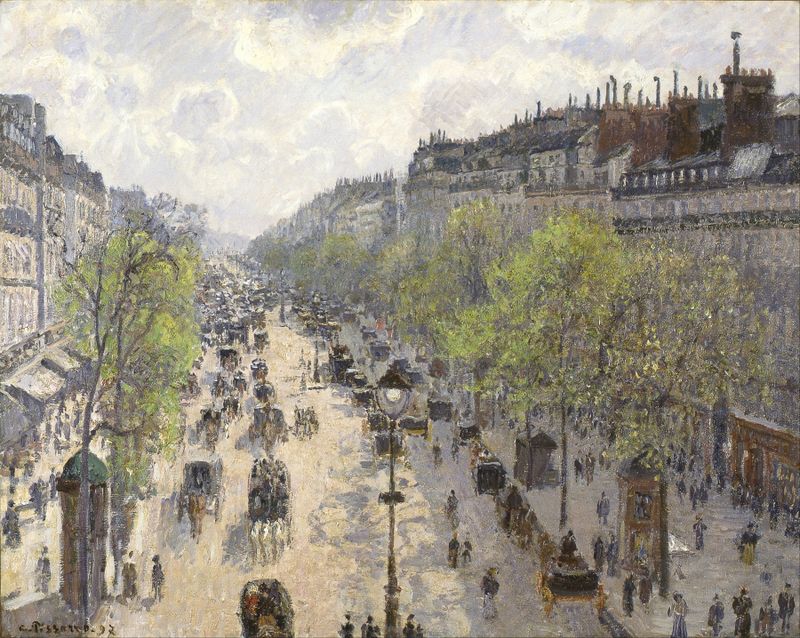
Boulevard Montmartre, Spring
Camille Pissarro
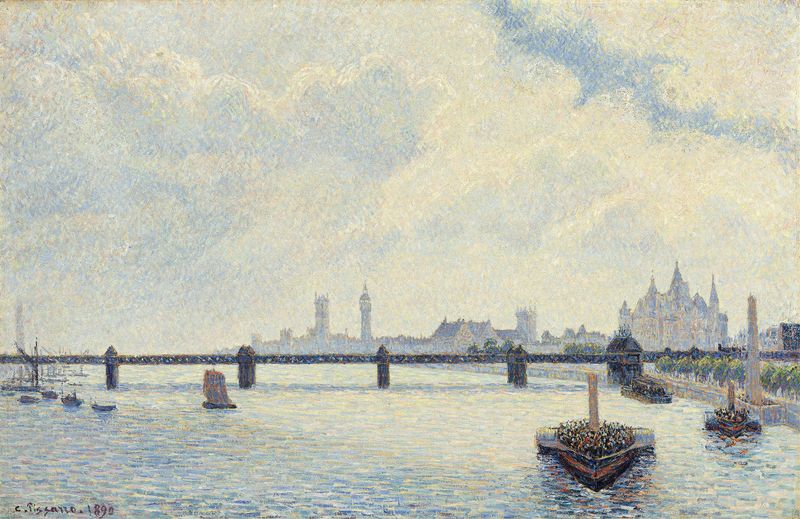
Charing Cross Bridge,London
Camille Pissarro
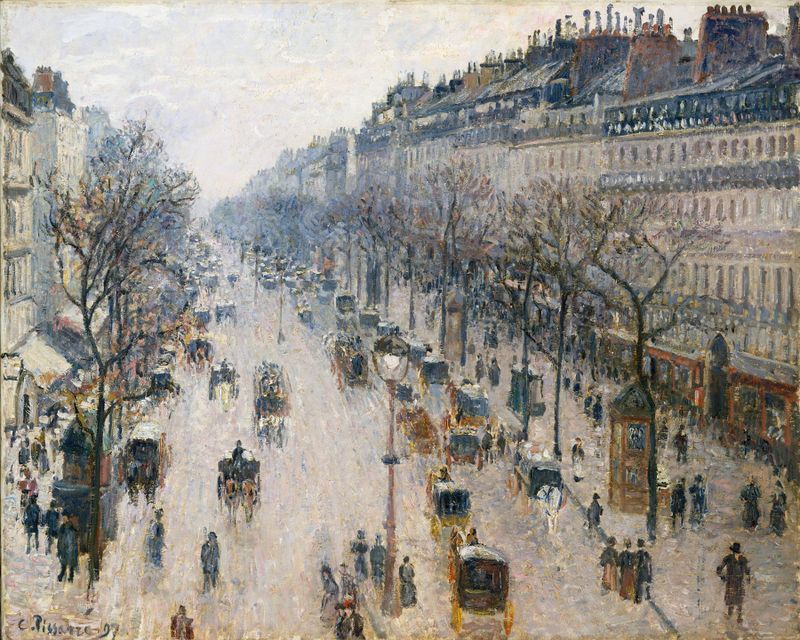
The Boulevard Montmartre on a Winter Morning
Camille Pissarro
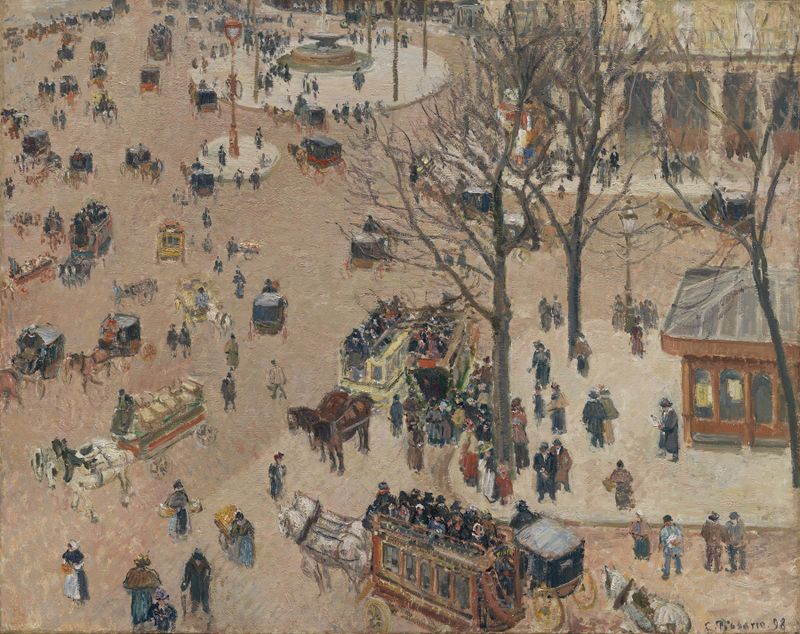
La Place du Théâtre Français
Camille Pissarro

Rue Saint-Lazare, Paris
Camille Pissarro
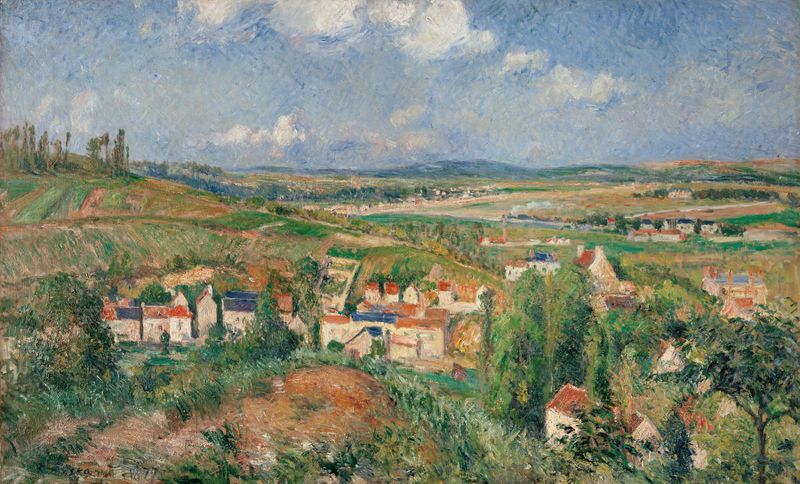
L’hermitage En Été, Pontoise
Camille Pissarro

Place du Theatre Francais,Fog Effect
Camille Pissarro
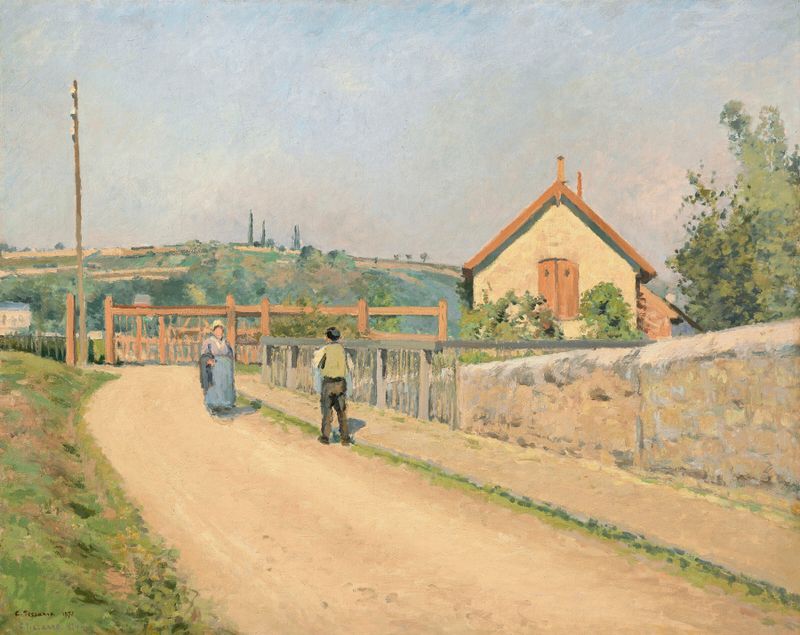
La barrière du chemin de fer, aux Pâtis près Pontoise
Camille Pissarro
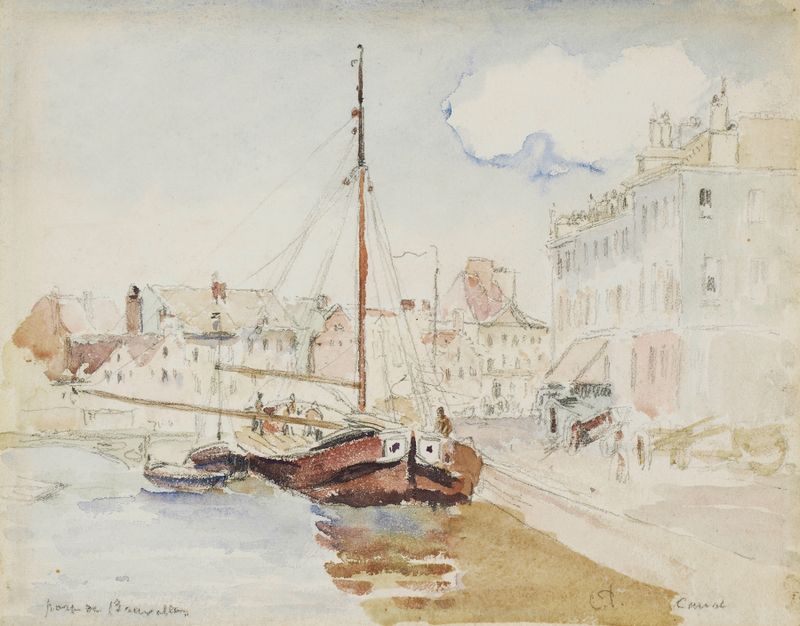
Port de Bruxelles
Camille Pissarro





