
La Madeleine at Dawn — History & Facts
Can paint confess what words never could? In La Madeleine at Dawn, a quiet transcendence hums beneath the surface, calling forth themes of divinity and contemplation. Look to the left at the gentle embrace of light as it spills over the ancient architecture, illuminating the soft contours of the church's facade. The cool blues and warm pinks of dawn meld seamlessly, creating a harmonic balance that feels both ethereal and grounded. Notice how the intricate details of the stonework are softened by the morning light, inviting the viewer to linger—each shadow revealing a silent story hidden in the crevices. The interplay of light and darkness speaks volumes about renewal and the passage of time, suggesting a moment suspended between the earthly and the divine.
The church stands steadfast against the awakening sky, a symbol of faith enduring through centuries. Look closely—there's an almost palpable stillness in the air, a reminder that even sacred spaces experience moments of solitude, echoing the human longing for connection with the divine. Created during a period rich with spiritual introspection, the artist captured this piece in a time when many sought solace in faith and nature. The early 20th century was marked by profound shifts in the art world, as movements began to break away from traditional representations.
Scott, influenced by the Impressionists, infused a sense of immediacy into his work—a reflection of both personal journey and the evolving landscape of artistic expression.
More Artworks by Frank Edwin Scott
Browse all →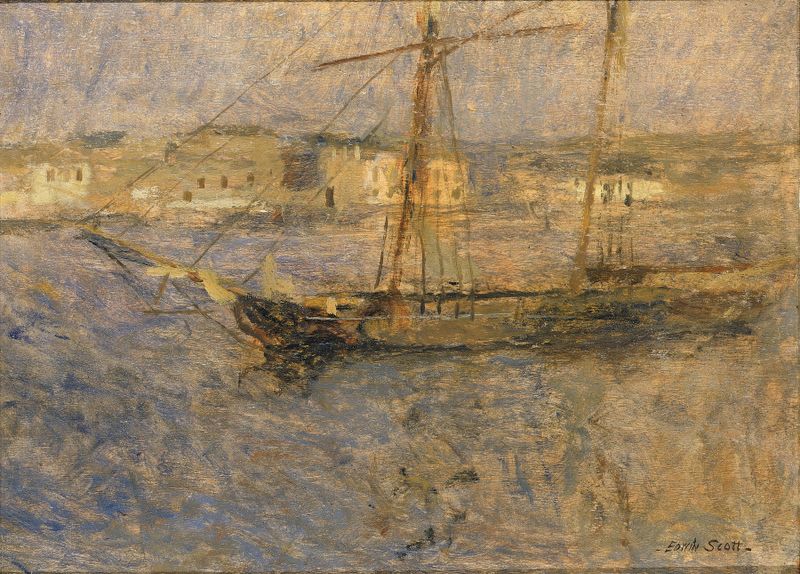
Ships at Anchor, Cherbourg no. I
Frank Edwin Scott
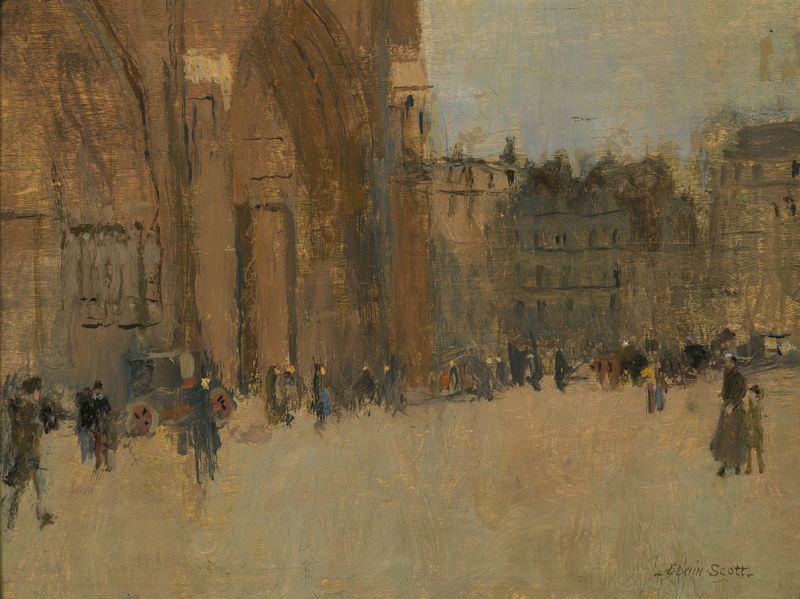
Notre Dame no. III
Frank Edwin Scott
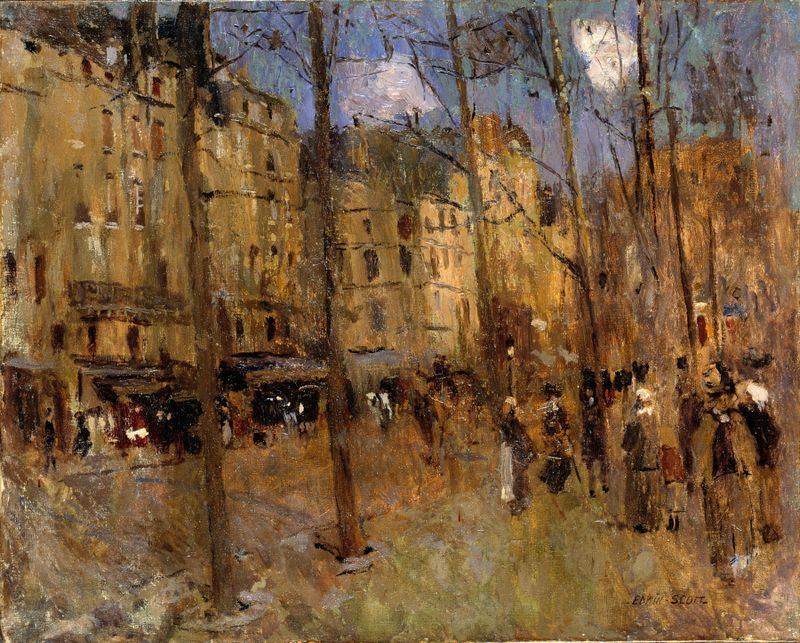
Boulevard St. Germain
Frank Edwin Scott
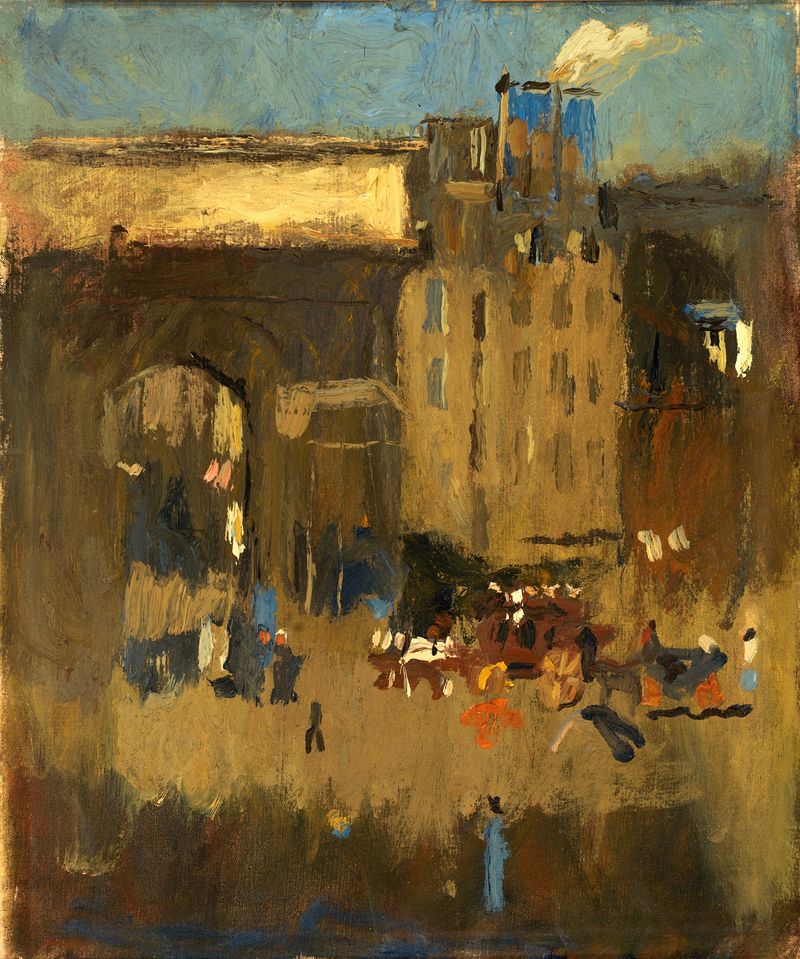
Porte St. Martin et Enterrement
Frank Edwin Scott
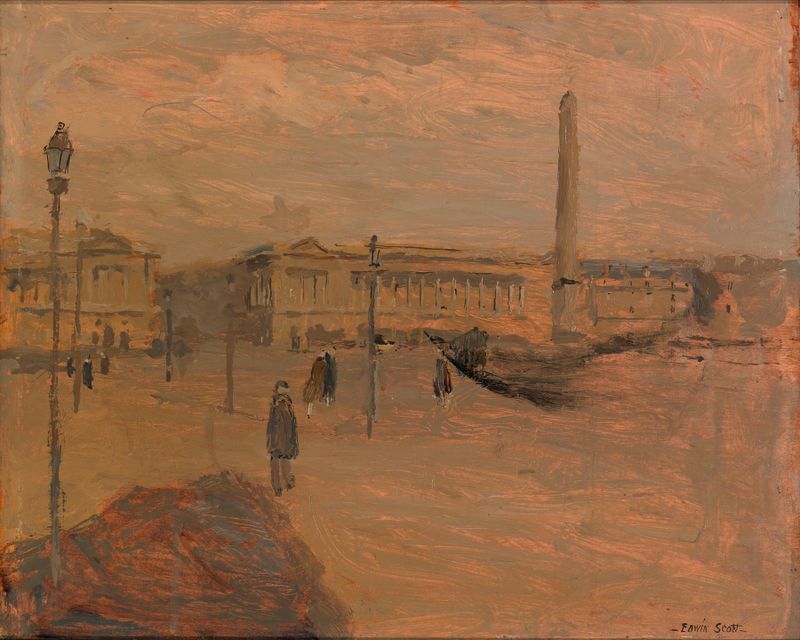
La Concorde
Frank Edwin Scott
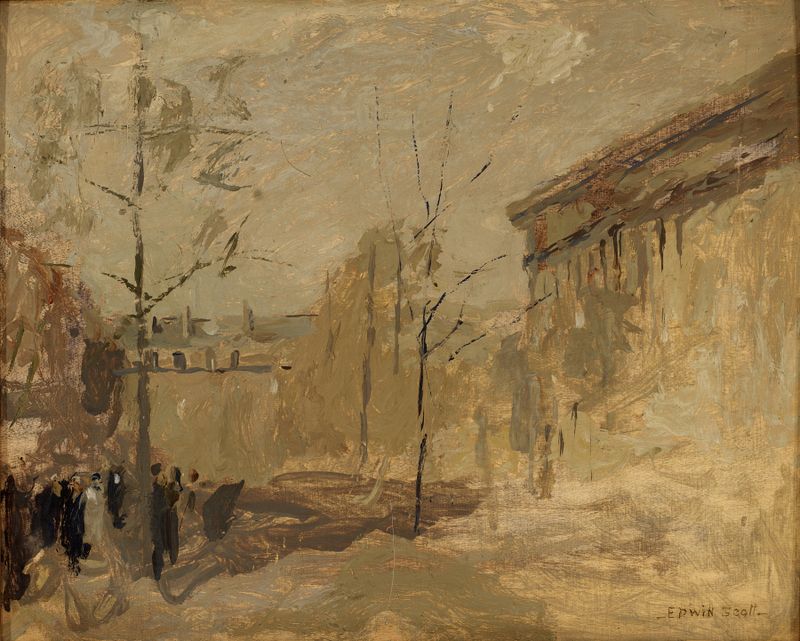
Place de la Madeleine no. II
Frank Edwin Scott
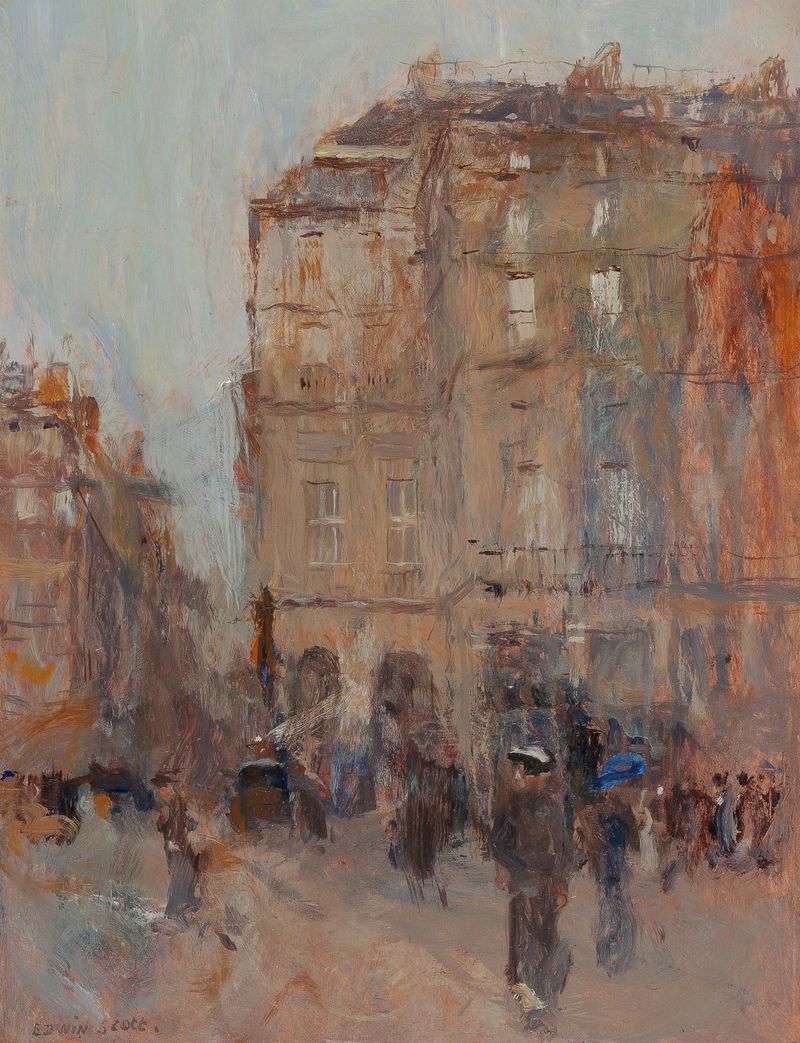
A Gray Day in Paris
Frank Edwin Scott
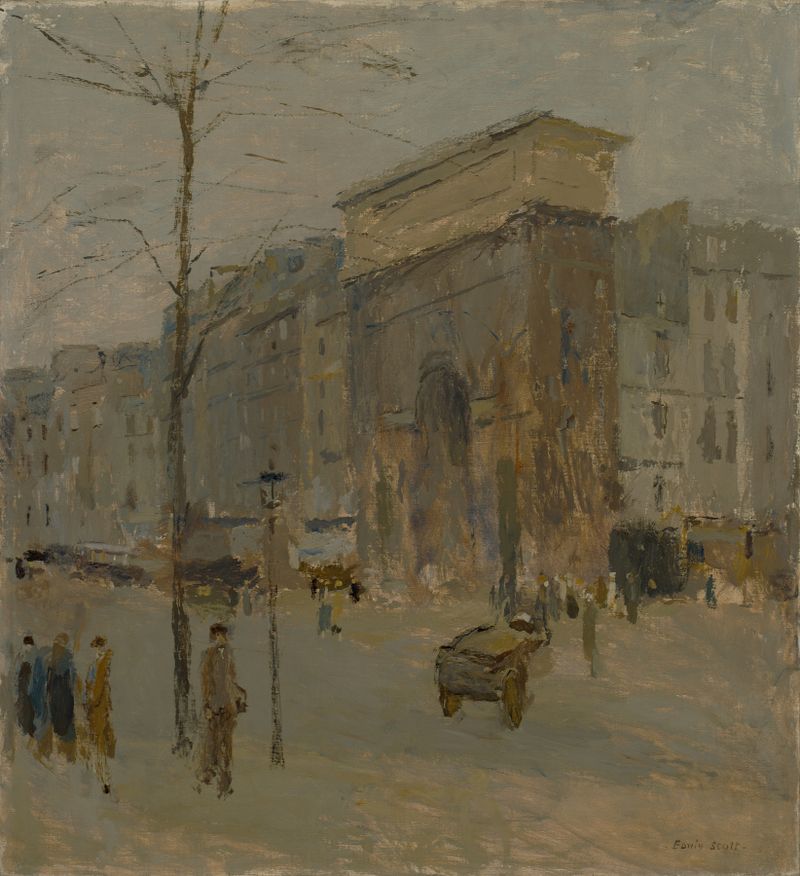
Porte St. Martin no. II
Frank Edwin Scott
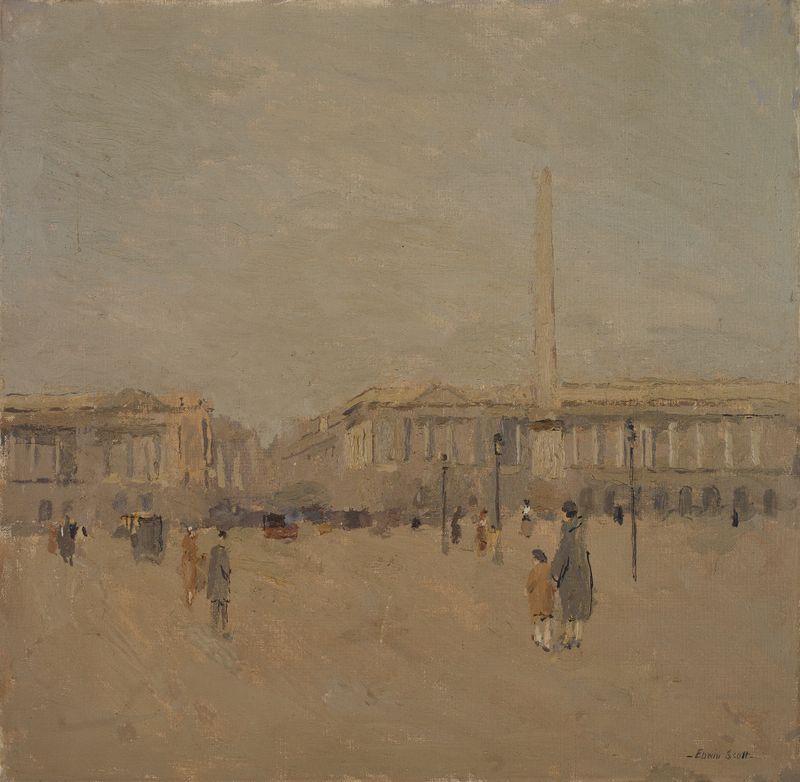
Place de la Concorde no. II
Frank Edwin Scott
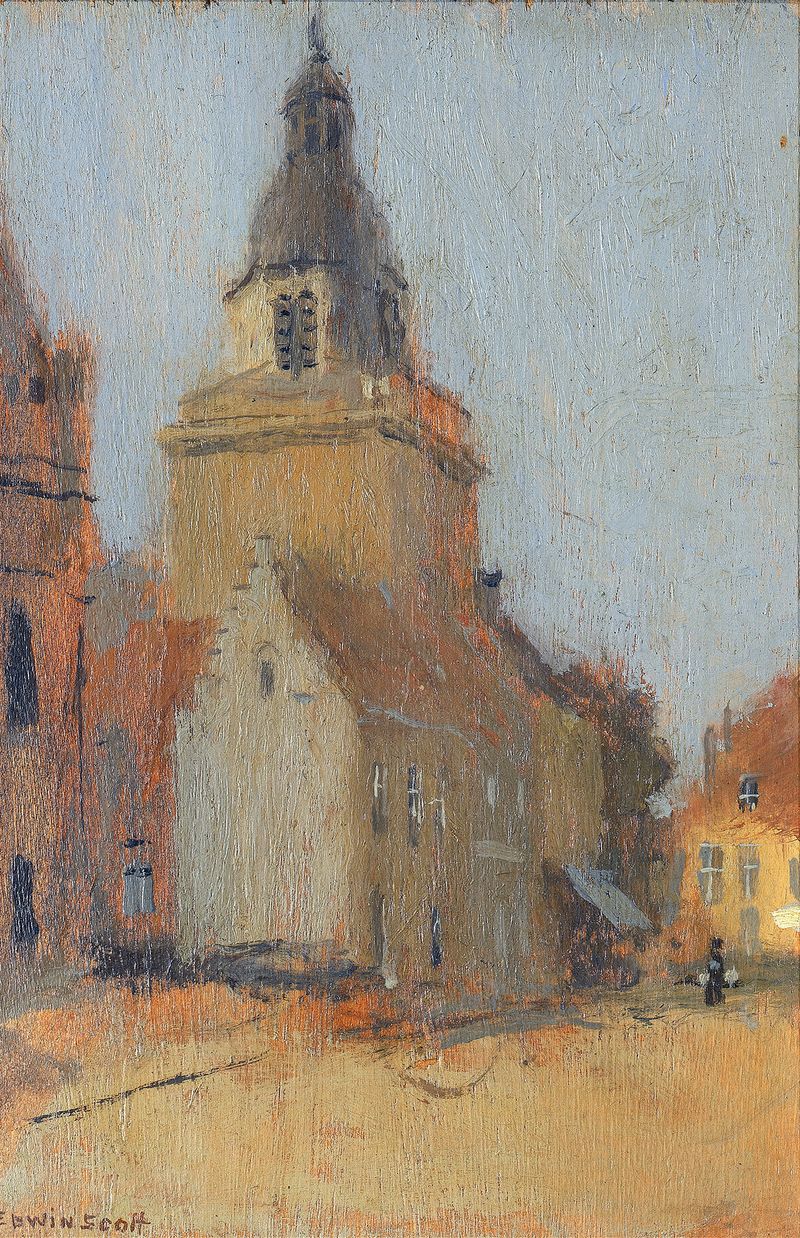
Eglise de Ville
Frank Edwin Scott
More Architecture Art
Browse all →
The statue of Liberty
Frédéric Auguste Bartholdi

View of Houses in Delft, Known as ‘The Little Street’
Johannes Vermeer

View of Houses in Delft, Known as ‘The Little Street’
Johannes Vermeer

The Cathedral in Rouen. The portal, Grey Weather
Claude Monet

The yellow house
Vincent van Gogh

The Church in Auvers-sur-Oise, View from the Chevet
Vincent van Gogh