La Madeleine no. I — History & Facts
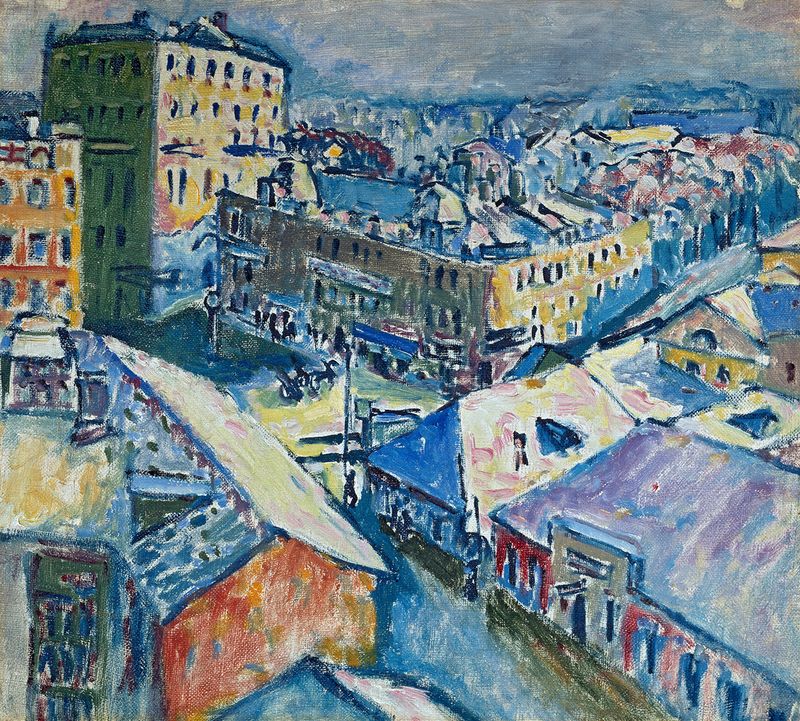
When did color learn to lie? In the delicate balance of hues, hope emerges in a symphony of tones that beckon the viewer to look deeper. Focus your gaze on the canvas, where vibrant shades of blue and crimson intertwine, creating a dance of light and shadow. Notice how the gentle strokes convey both chaos and harmony, illustrating the artist’s deft hand as it navigates through the realm of abstraction. Each layer seems to whisper secrets, inviting you to explore the emotions hidden within the tumultuous colors. As you delve into the work, consider the contrasts at play—the vibrancy of the reds against the cool calm of the blues may symbolize the struggle between passion and tranquility.
The seemingly random splashes of color evoke an unpredictable journey, while subtle gradations hint at underlying hope, a promise of clarity amid confusion. It’s this contrast that resonates with the viewer, prompting reflection on personal struggles and aspirations. Created during a period of artistic experimentation, La Madeleine no. I emerged from an era where abstraction was evolving rapidly.
Scott, an artist drawn to the innovative possibilities of color, found himself immersed in a transformative art scene, exploring new ideas and techniques that would shape modern expression. Though the exact date remains unknown, this piece stands as a testament to his ongoing quest for emotional depth through color and form.
More Artworks by Frank Edwin Scott
Browse all →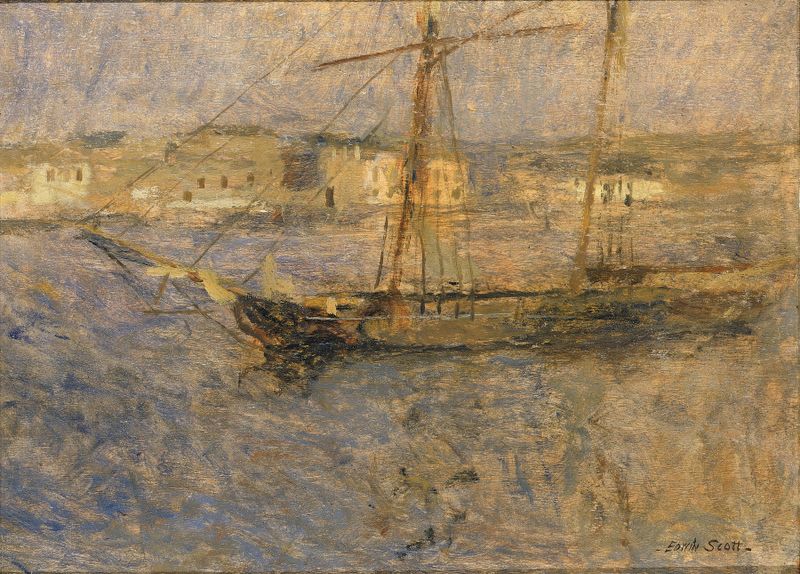
Ships at Anchor, Cherbourg no. I
Frank Edwin Scott
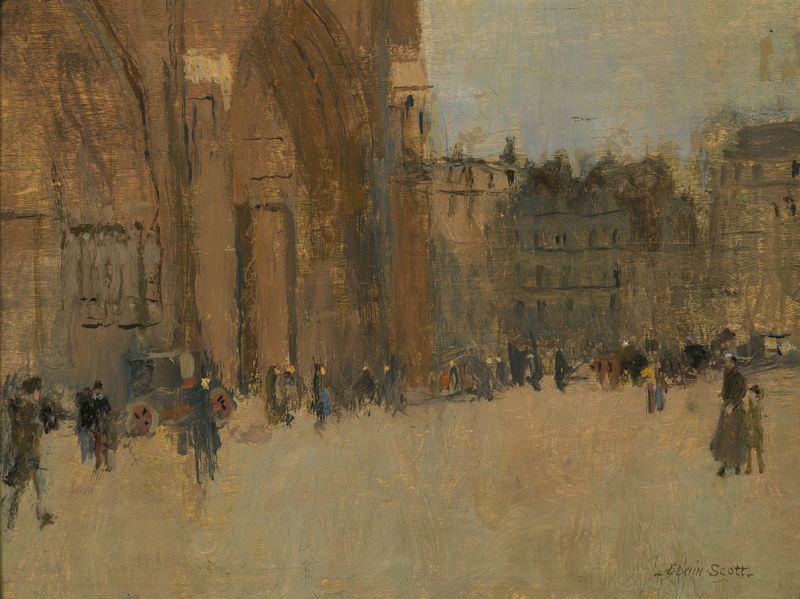
Notre Dame no. III
Frank Edwin Scott
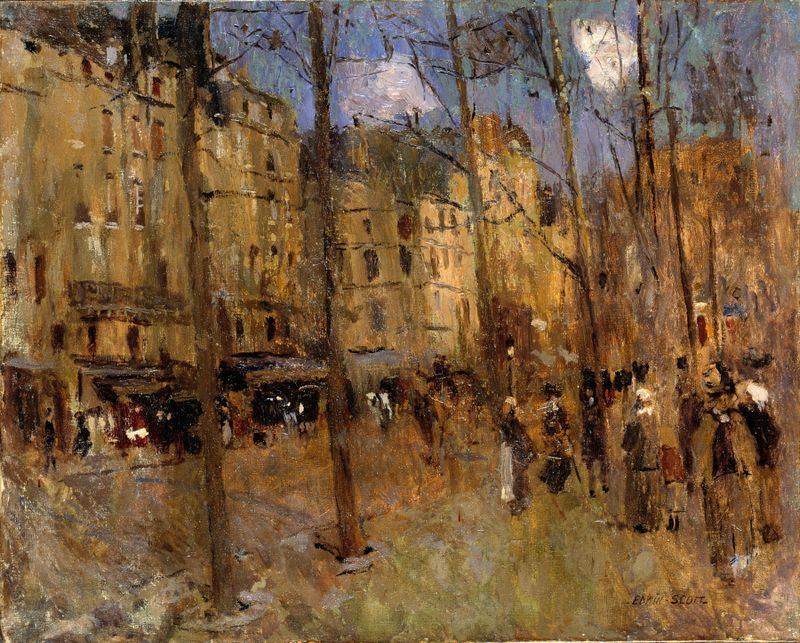
Boulevard St. Germain
Frank Edwin Scott
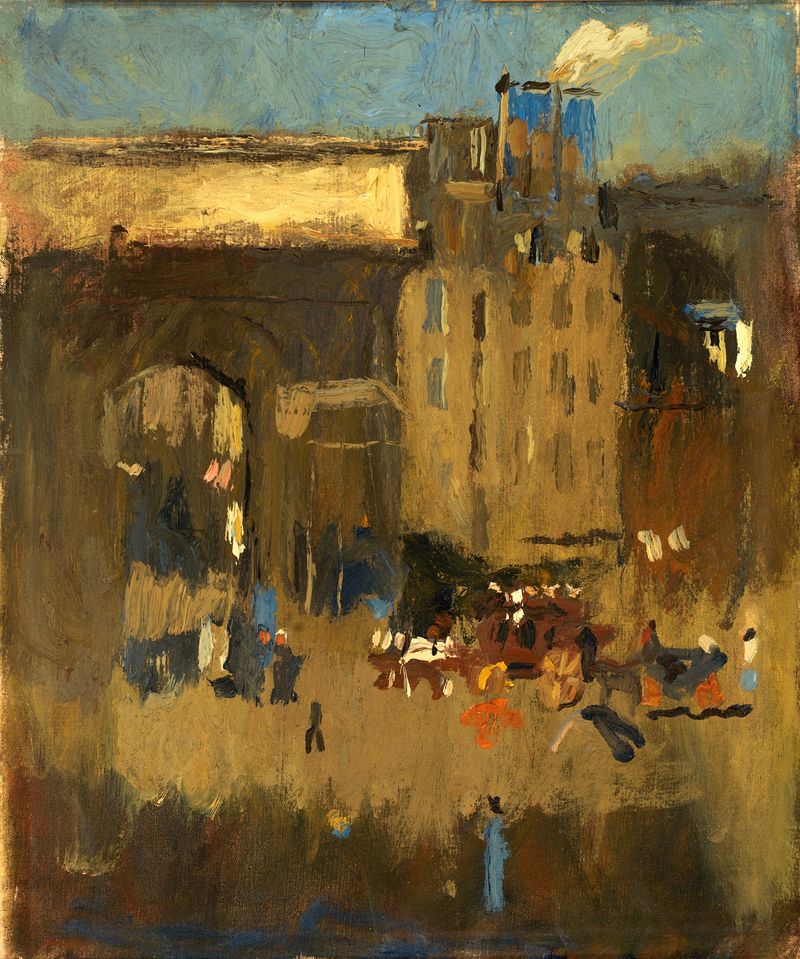
Porte St. Martin et Enterrement
Frank Edwin Scott
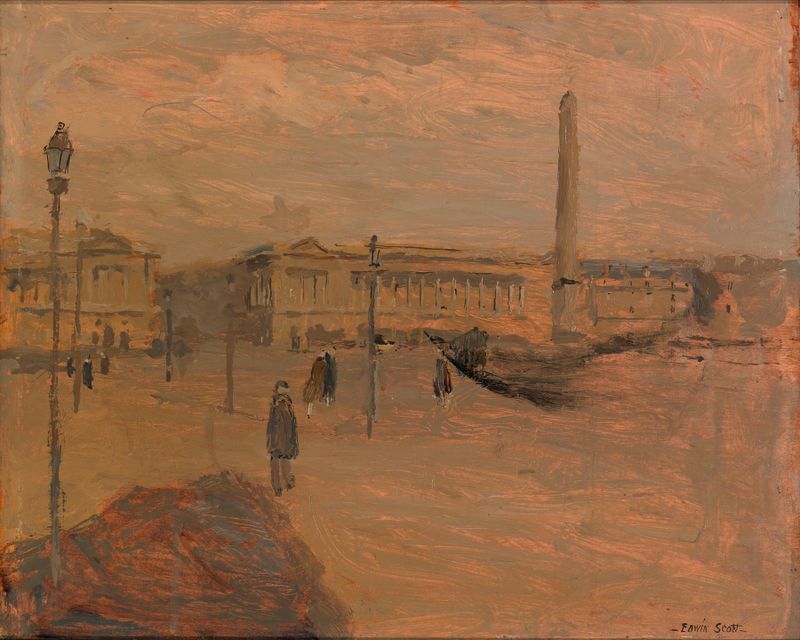
La Concorde
Frank Edwin Scott
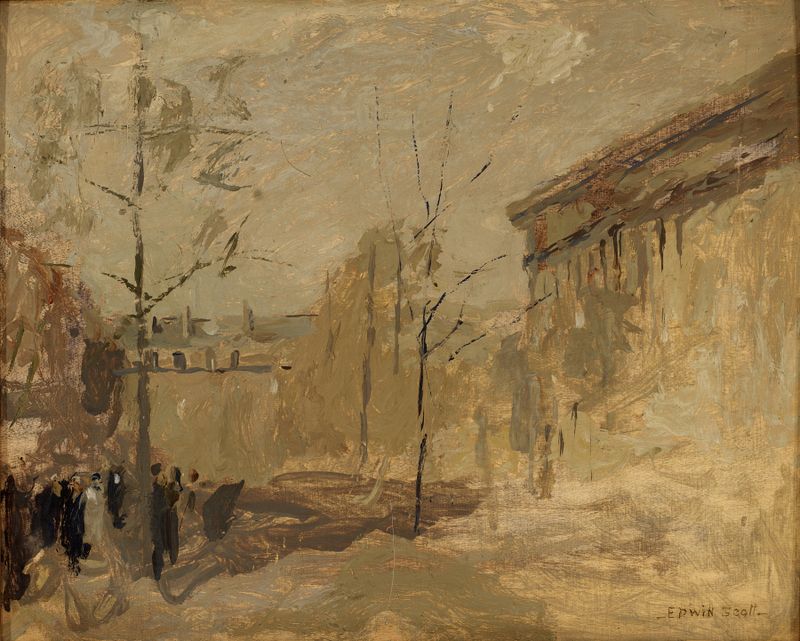
Place de la Madeleine no. II
Frank Edwin Scott
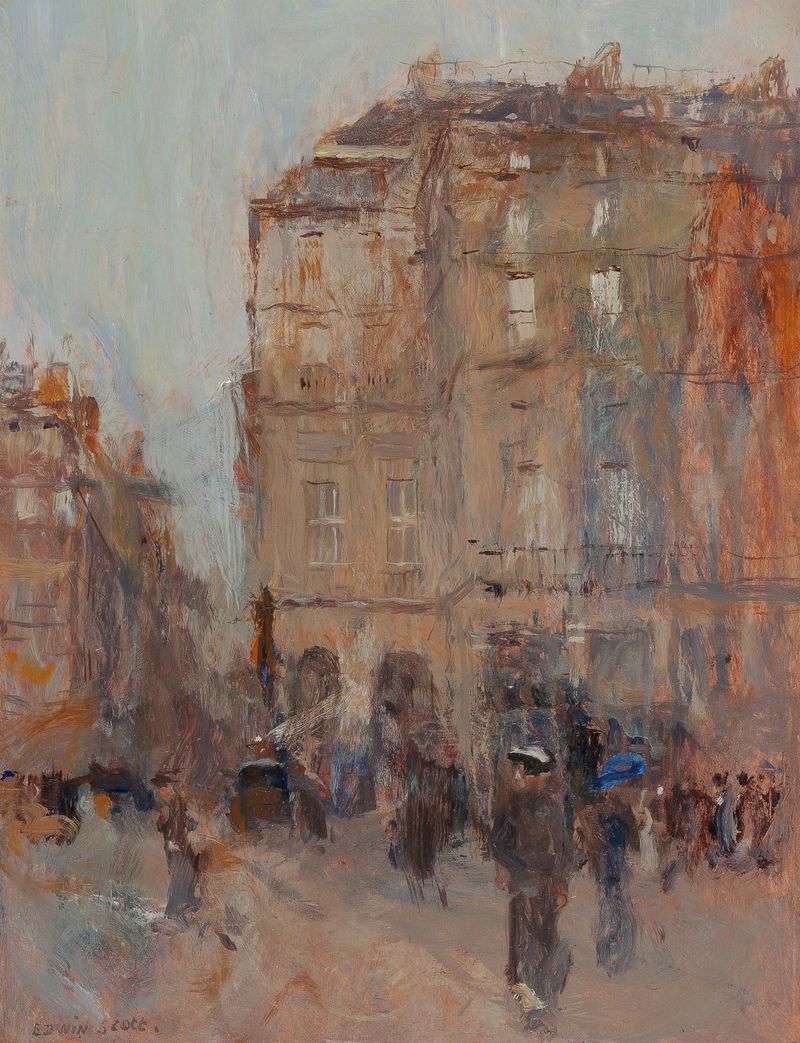
A Gray Day in Paris
Frank Edwin Scott
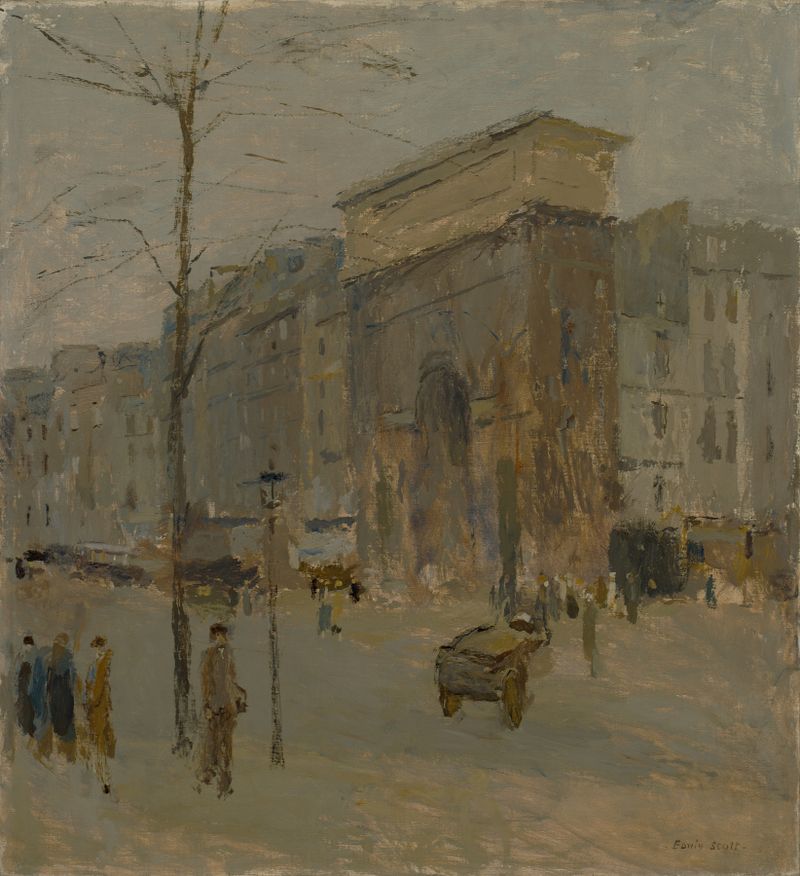
Porte St. Martin no. II
Frank Edwin Scott
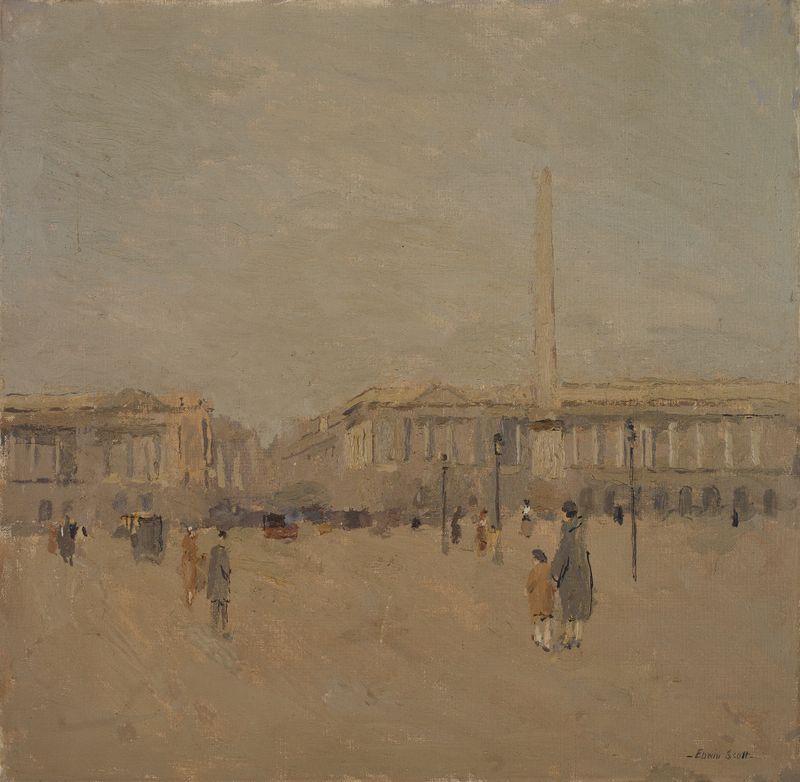
Place de la Concorde no. II
Frank Edwin Scott
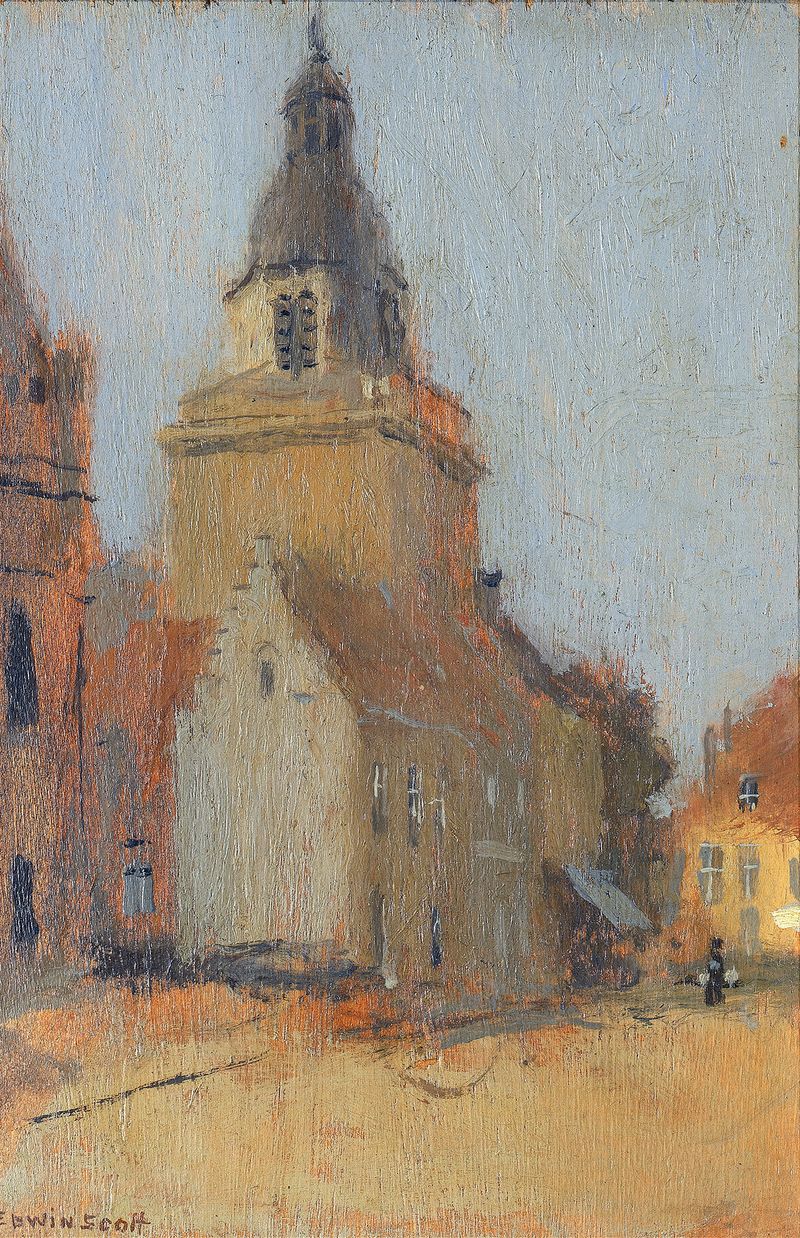
Eglise de Ville
Frank Edwin Scott