
La Nanna (Sunny Hours) — History & Facts
In La Nanna (Sunny Hours), Frederic Leighton presents a serene figure, a young woman, bathed in warm sunlight. The colors are soft and inviting, with a palette dominated by golden yellows and gentle greens. The setting appears to be a tranquil garden, filled with lush foliage that enhances the peaceful atmosphere.
The figure's relaxed pose suggests a moment of quiet reflection amidst nature. The painting is executed in oil on canvas, showcasing Leighton's skill in capturing light and texture. The brushwork is delicate, allowing for a smooth transition between the light and shadow on the figure's skin. The details in the woman's flowing garments and the surrounding flora are rendered with precision, adding depth to the composition.
This attention to detail is characteristic of Leighton's Victorian style. Frederic Leighton was a prominent figure in the Victorian art scene, known for his classical themes and mastery of color. La Nanna (Sunny Hours) reflects his interest in the female form and the beauty of nature. An interesting fact about this work is that it was painted during a time when Leighton was heavily influenced by the Pre-Raphaelite movement, which emphasized a return to nature and detailed realism.
This influence is evident in the painting's vibrant colors and intricate details.
More Artworks by Frederic Leighton
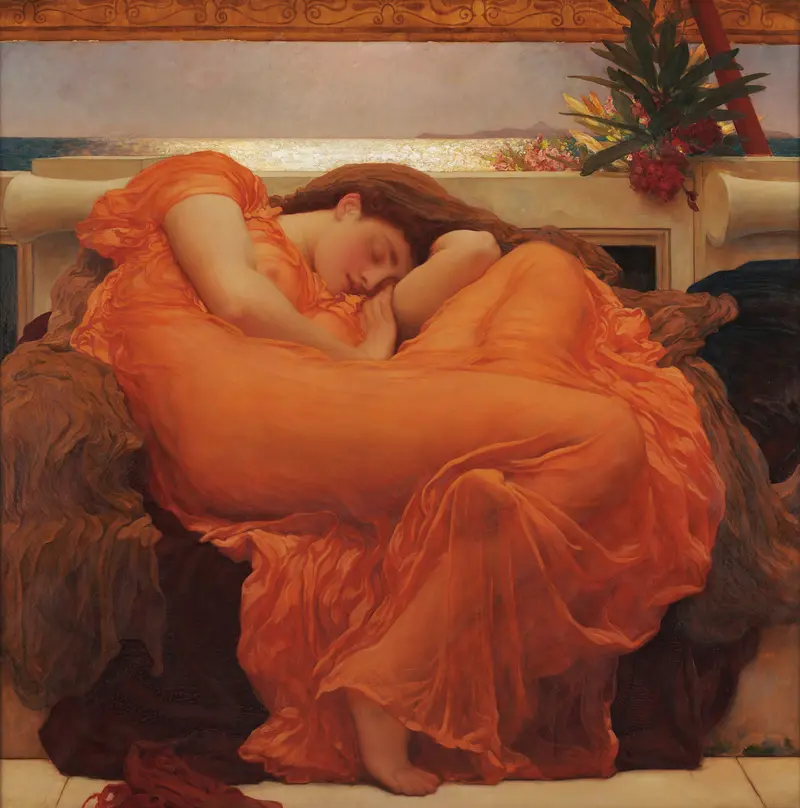
Flaming June
Frederic Leighton
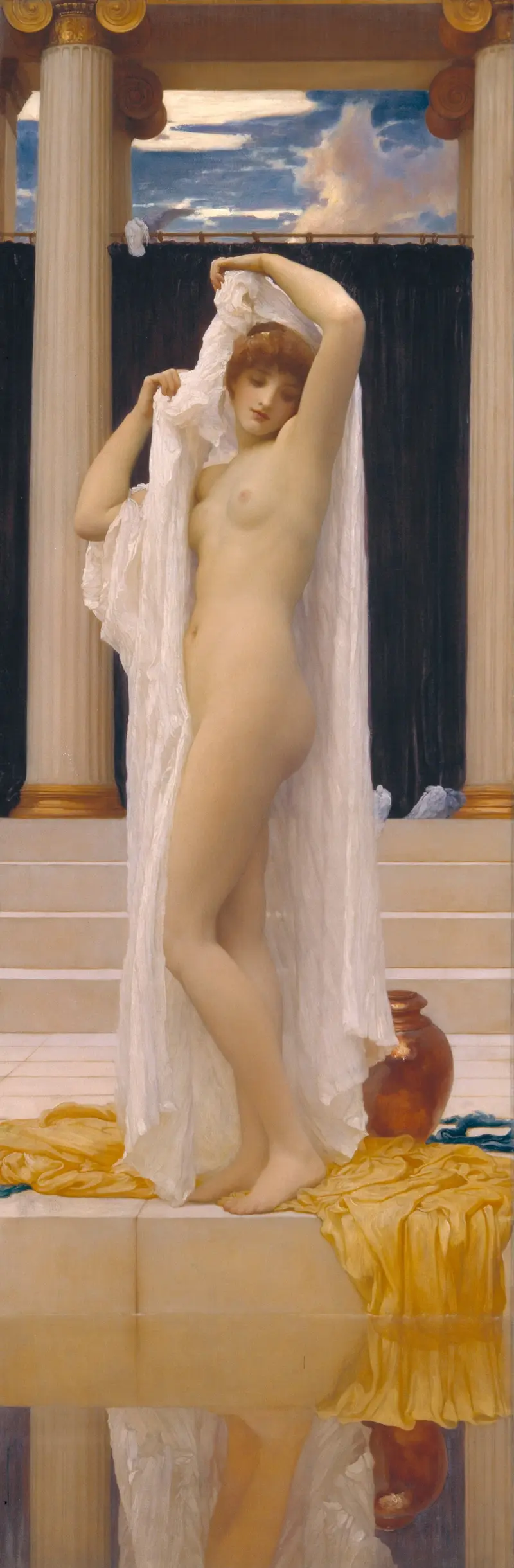
The Bath of Psyche
Frederic Leighton
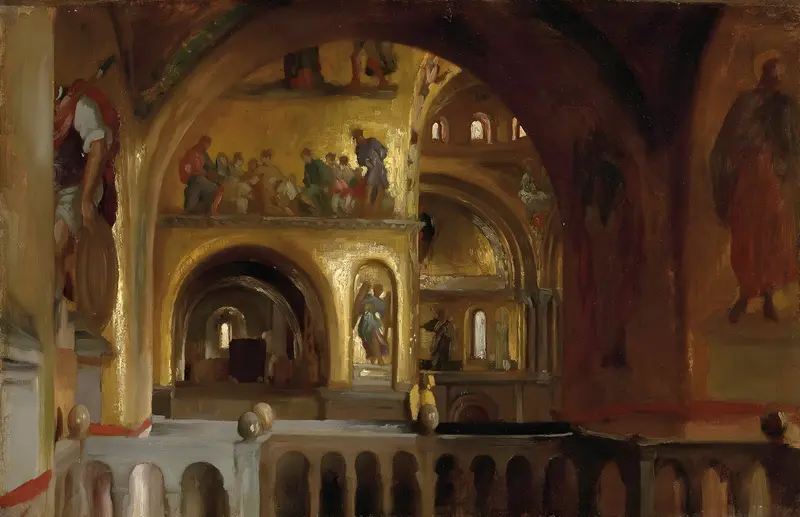
The Interior of St Mark’s Basilica, Venice
Frederic Leighton

Portrait of May Sartoris, Mrs Henry Evans Gordon
Frederic Leighton
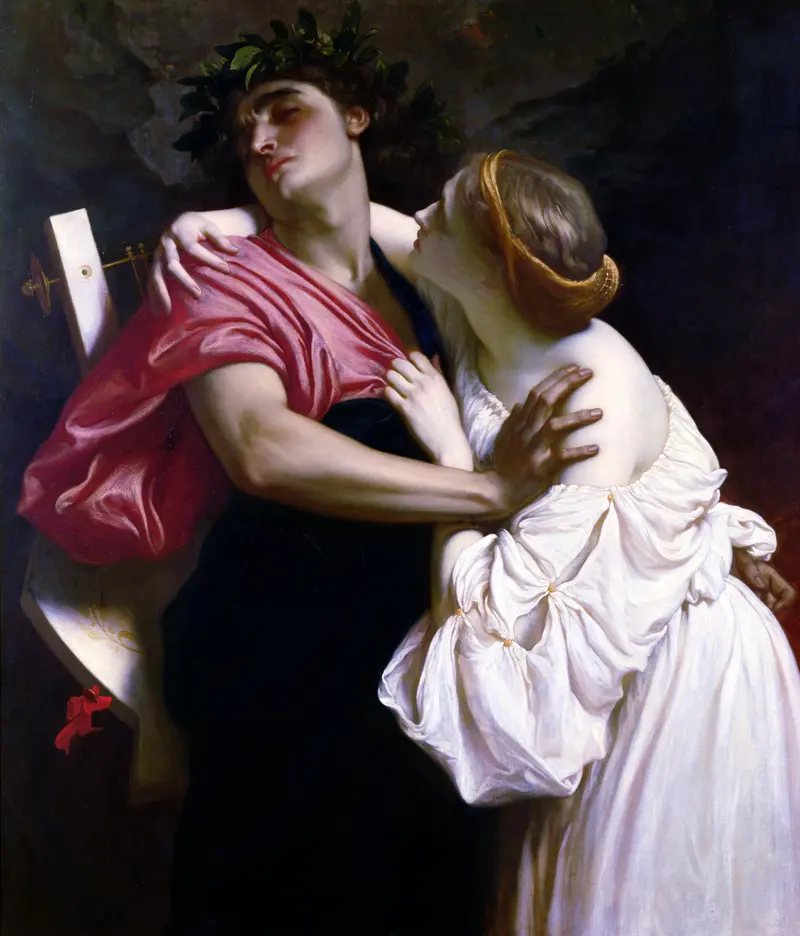
Orpheus And Eurydice
Frederic Leighton
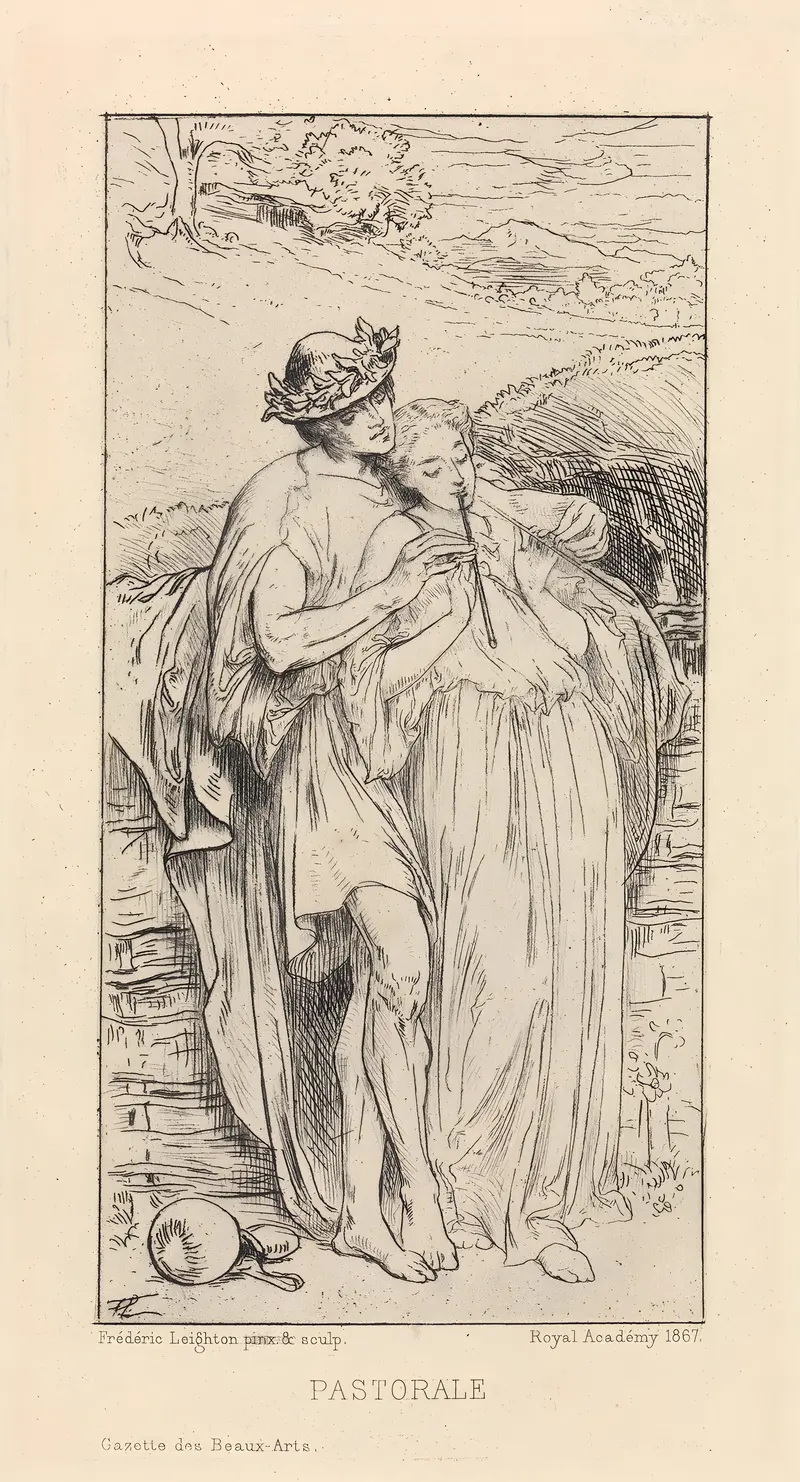
Pastorale
Frederic Leighton
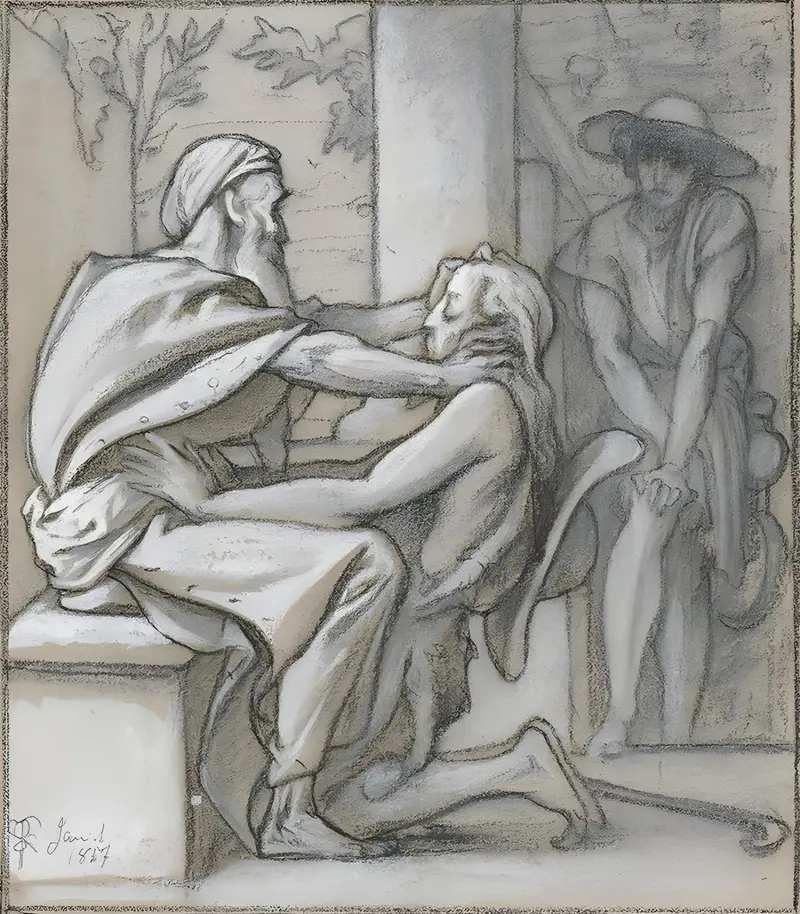
Jacob and Esau
Frederic Leighton
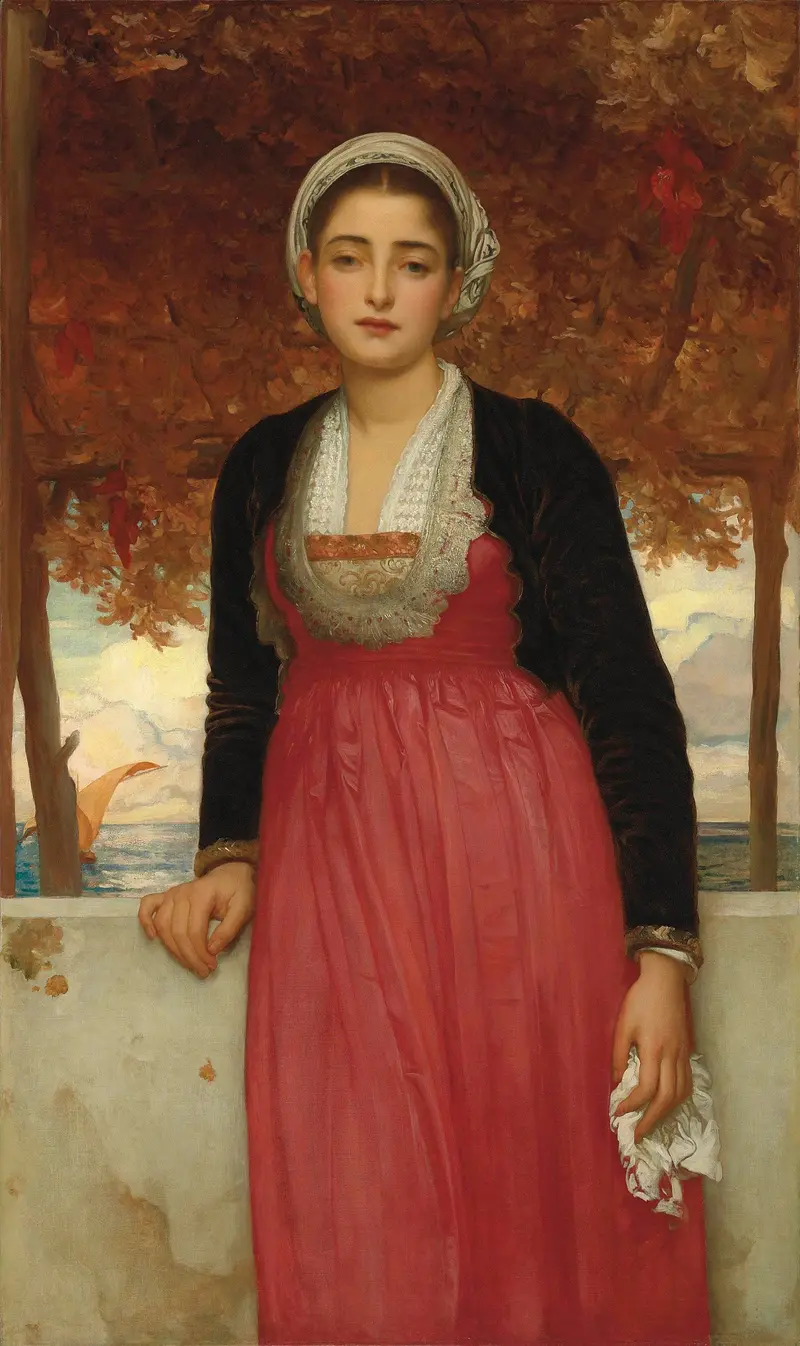
Amarilla
Frederic Leighton
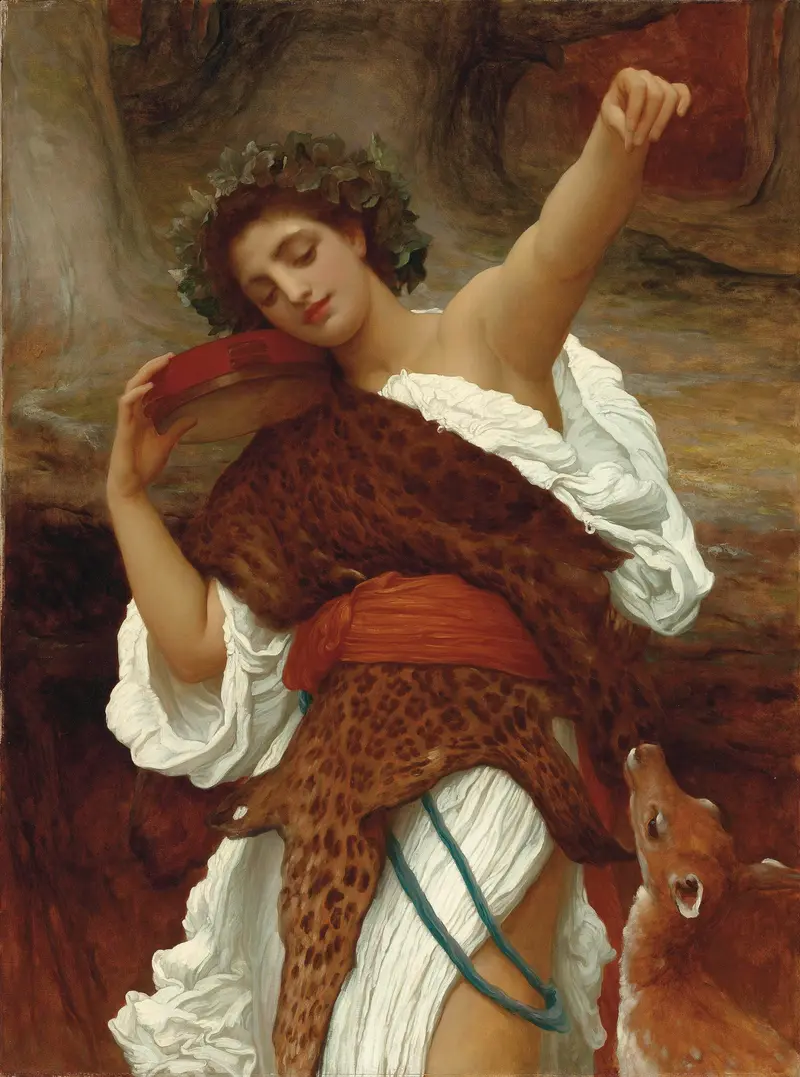
Bacchante
Frederic Leighton
Cain and Abel
Frederic Leighton



