
La Place Saint-Marc, Inondation De 1863 — History & Facts
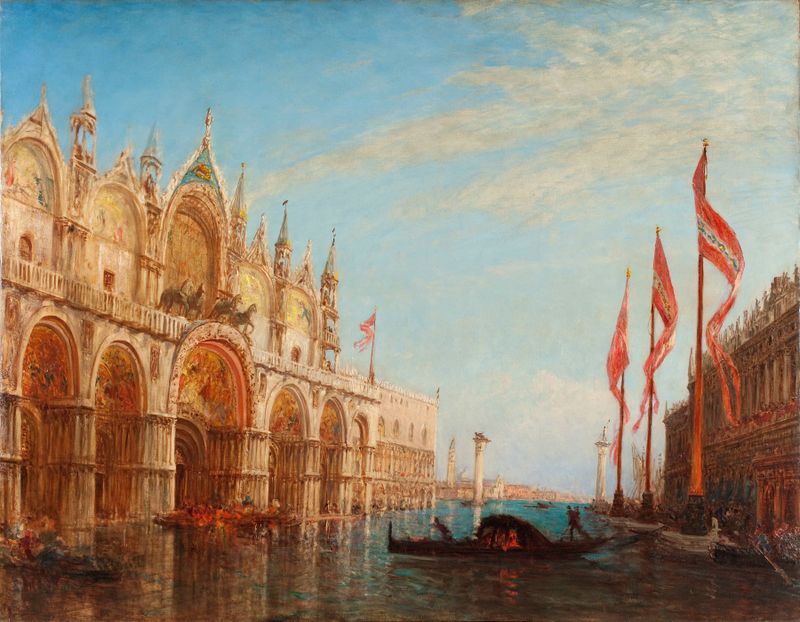
Can beauty exist without sorrow? In La Place Saint-Marc, Inondation De 1863, light dances upon the waterlogged square, illuminating both splendor and despair in an exquisite symbiosis. Look to the foreground, where a veil of shimmering water reflects the intricate architecture of the Basilica and its surrounding structures. The soft golden hues of the buildings contrast starkly with the melancholy blues and grays of the flooded square, drawing your eyes to the tension between man-made glory and the overpowering force of nature. Notice how the brushstrokes convey movement, capturing the play of light as it glances off the surface, creating a sense of vibrancy amidst the calm chaos. The work evokes a poignant interplay between elegance and ruin.
While the sunlight casts a radiant glow on the scene, it paradoxically highlights the devastation of the flooding, symbolizing the fragility of human achievement against the relentless power of the environment. Sheltered figures huddle under umbrellas, embodying resilience as they navigate the waters, their presence serving as a reminder that beauty often emerges from adversity. In 1863, Félix Ziem was immersed in the art world of Paris, a period marked by the burgeoning of Impressionism and the shifting perceptions of landscape painting. Capturing the inundation of Saint Mark's Square, Ziem offered an emotional reflection on the relationship between humanity and nature, as Venice grappled with its own vulnerabilities.
This painting, rich with atmosphere and narrative, stands as a testament to both the artist's technical skill and the era's evolving artistic vision.
More Artworks by Félix Ziem
Browse all →
Venise
Félix Ziem
Coucher De Soleil À Venise
Félix Ziem
Constantinople
Félix Ziem
La place Saint-Marc, inondation de 1863
Félix Ziem
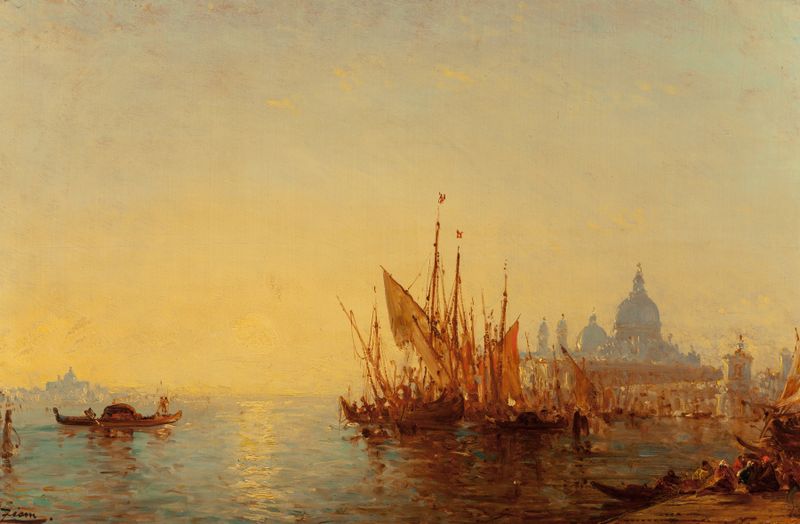
Bacino di San Marco
Félix Ziem
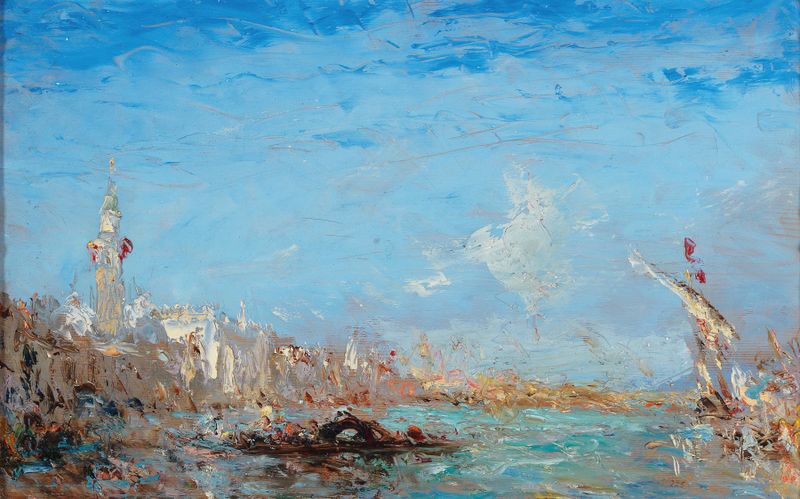
Canal Grande
Félix Ziem
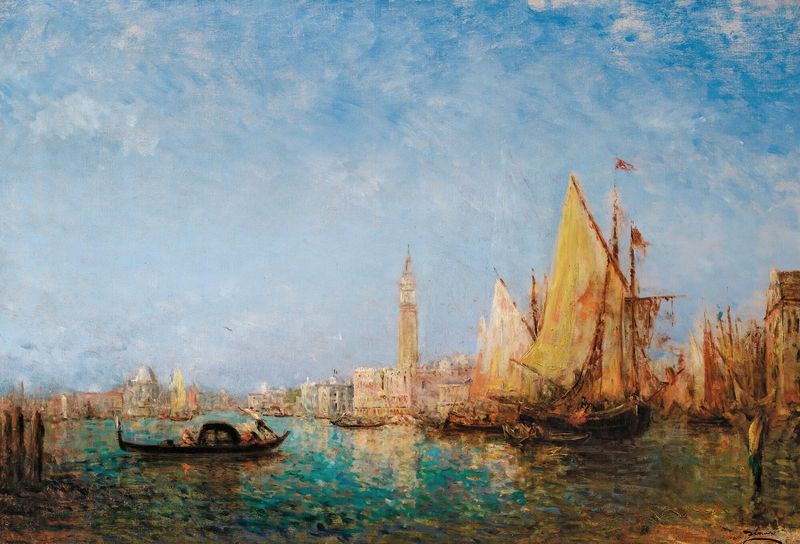
Le Palais Du Doge, Venise
Félix Ziem
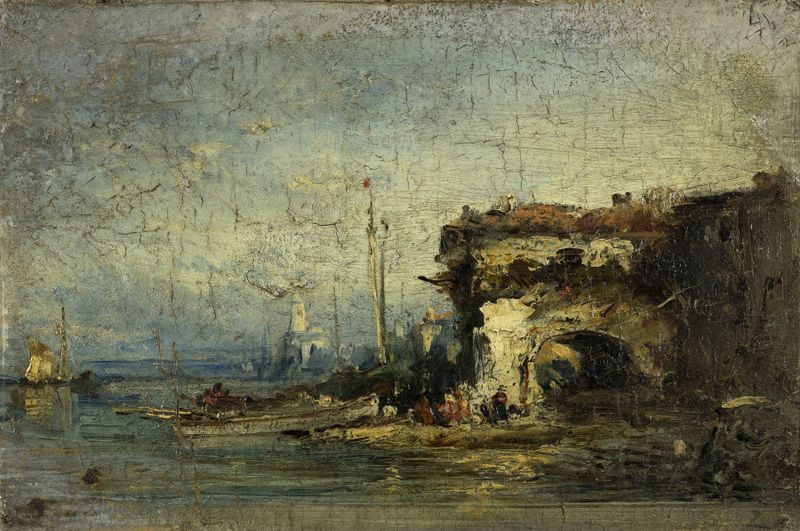
Vue d’Italie; la vieille porte
Félix Ziem
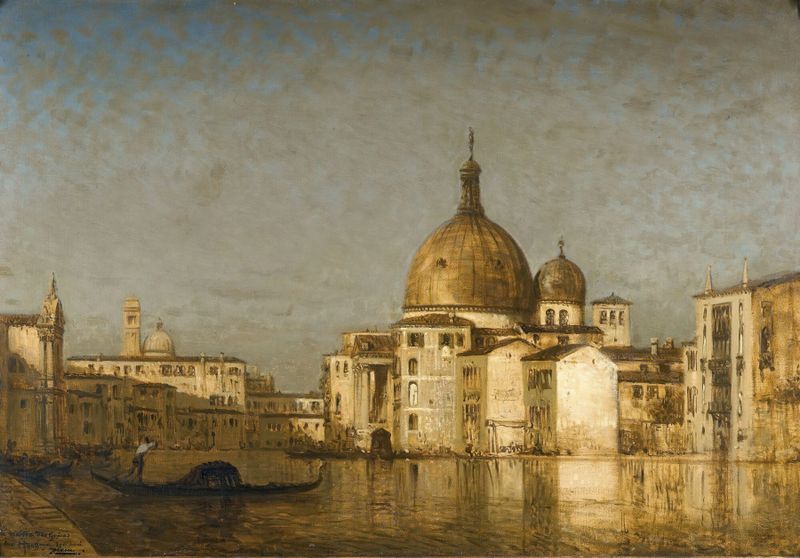
San Simeone Piccolo Au-Delà Du Grand Canal, Venis
Félix Ziem
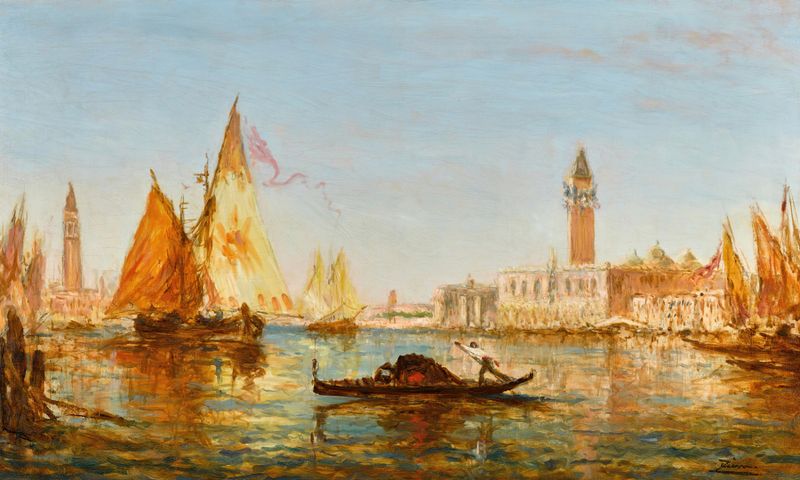
Venise, gondole et voiliers devant le Palais des doges et San Giorgio Maggiore
Félix Ziem
More Architecture Art
Browse all →
The statue of Liberty
Frédéric Auguste Bartholdi

View of Houses in Delft, Known as ‘The Little Street’
Johannes Vermeer

View of Houses in Delft, Known as ‘The Little Street’
Johannes Vermeer

The Cathedral in Rouen. The portal, Grey Weather
Claude Monet

The yellow house
Vincent van Gogh

The Church in Auvers-sur-Oise, View from the Chevet
Vincent van Gogh