
La rade de Cardiff — History & Facts
In the stillness of a moment, La rade de Cardiff reveals not only a scene but a profound reflection on mortality. The painting invites the viewer to pause, to consider what lingers beneath the surface of life and time, as if the landscape itself were holding its breath. Look to the left at the sweeping expanse of water, shimmering with hues of deep blue and grey. The soft brushstrokes depict subtle waves, while wisps of clouds drift lazily across the sky, mirroring the undulating rhythm of the sea.
Notice how Sisley skillfully employs a muted palette to evoke a sense of calm, yet beneath this tranquility lies an undercurrent of something more ominous. The distant silhouettes of ships are mere shadows, hinting at the passage of time and the transience of life. There is a palpable tension between the serene beauty of the harbor and the impending sense of loss that courses through the composition. The vessels, anchored yet adrift in a boundless sea, symbolize both journeys embarked upon and the inevitable return to stillness.
The interplay of light and shadow across the canvas serves as a reminder that every moment, however fleeting, carries with it the weight of existence and the certainty of mortality. In 1897, while creating this artwork, the artist found himself navigating a transitional period in both his personal life and the broader art world. Living in France, Sisley was increasingly recognized for his contributions to Impressionism, though he often struggled financially. This backdrop of uncertainty and reflection infused his work with a depth that resonated with the themes of time, nature, and human experience, making La rade de Cardiff a poignant meditation on life's ephemeral nature.
More Artworks by Alfred Sisley
Browse all →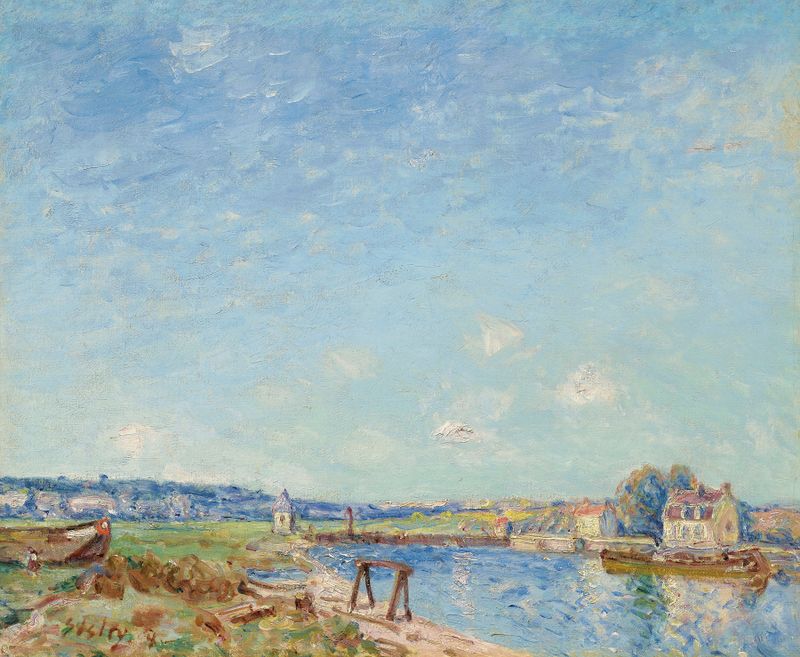
Le Loing à Saint-Mammès
Alfred Sisley
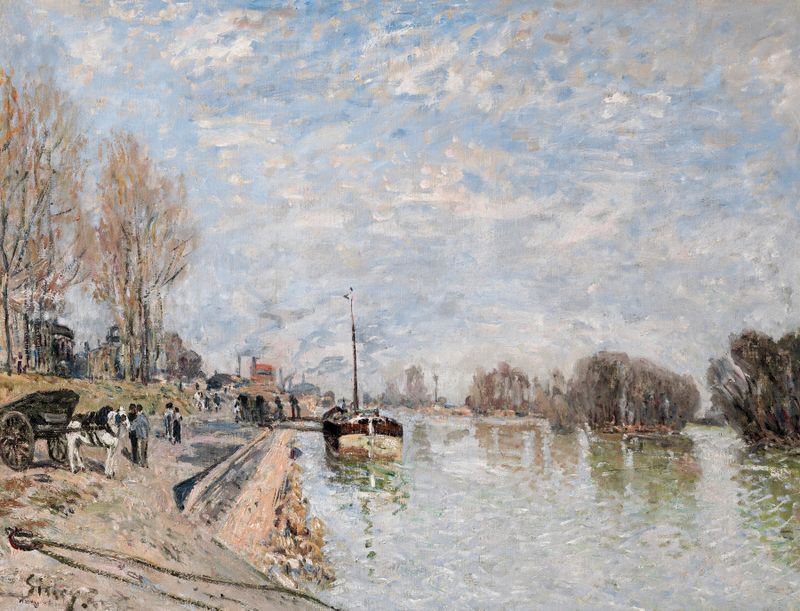
La Seine à Suresnes
Alfred Sisley
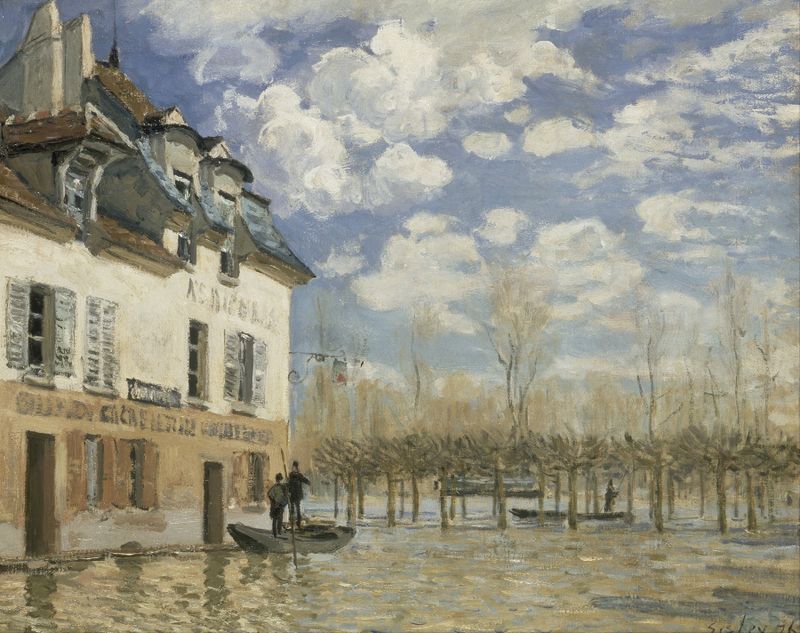
Boat in the Flood at Port Marly
Alfred Sisley
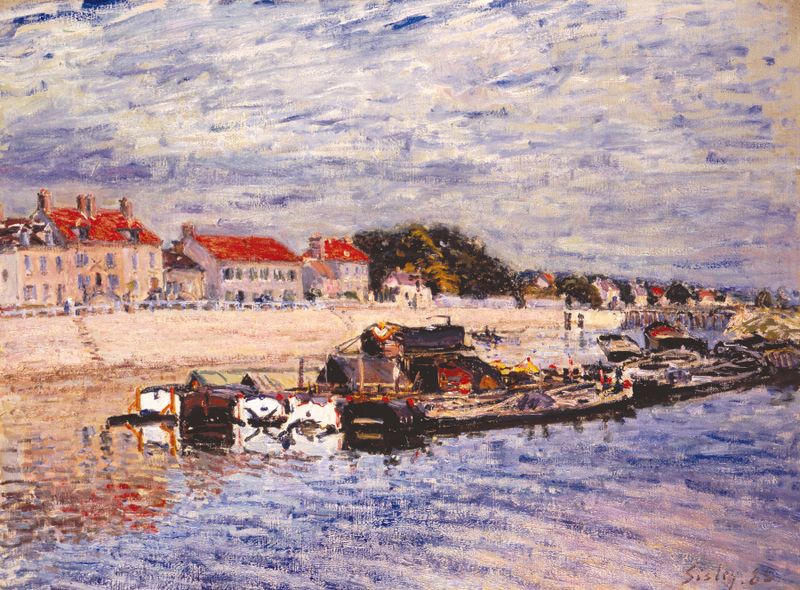
Barges on the Loing at Saint-Mammès
Alfred Sisley

L’allée des peupliers au bord du Loing
Alfred Sisley

Molesey Weir, Hampton Court
Alfred Sisley
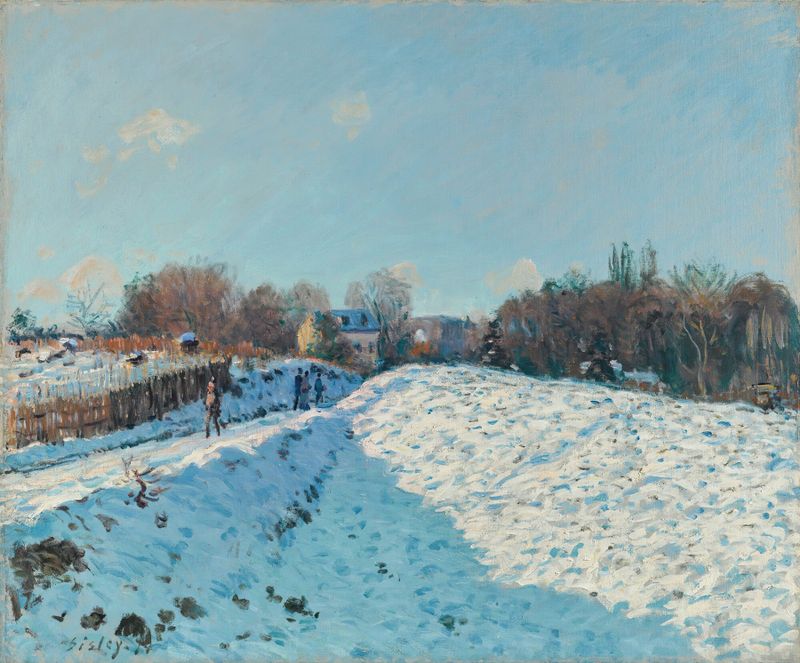
Effet De Neige À Louveciennes
Alfred Sisley
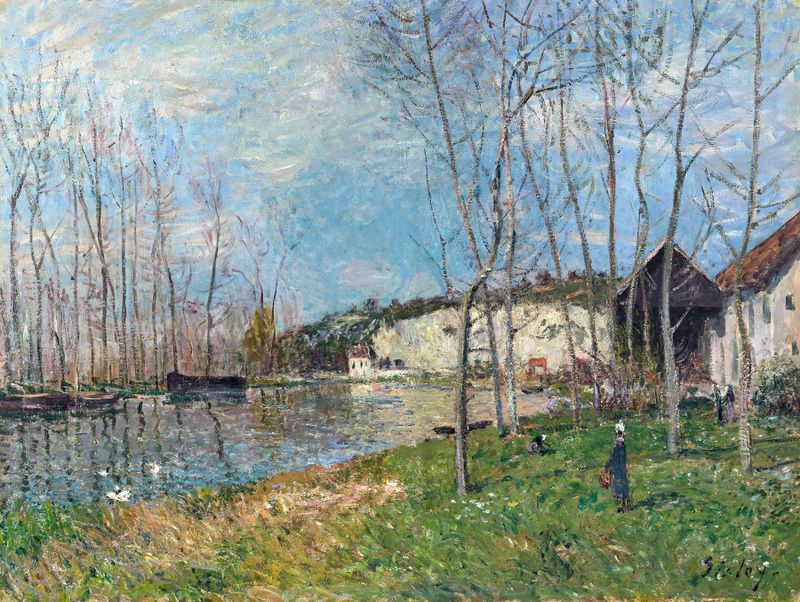
Printemps au bord du Loing
Alfred Sisley
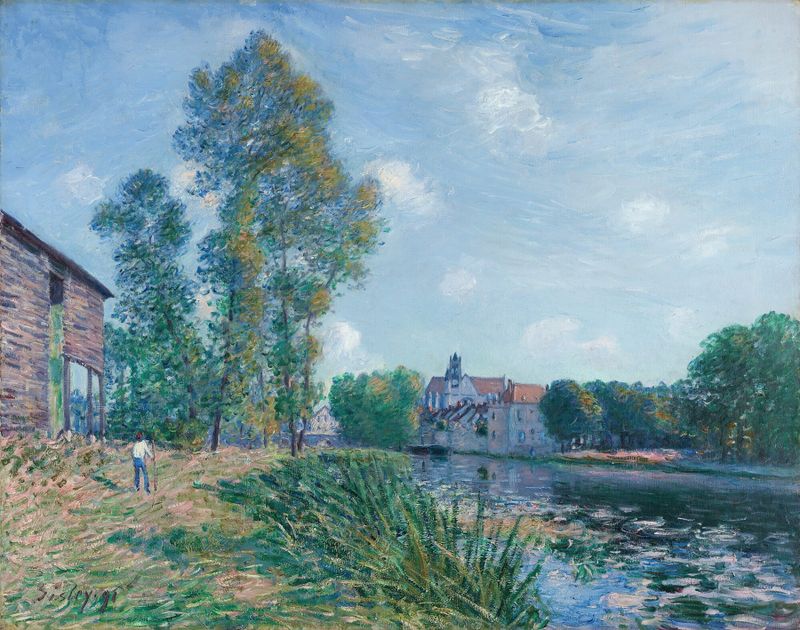
Le Loing À Moret, En Été
Alfred Sisley
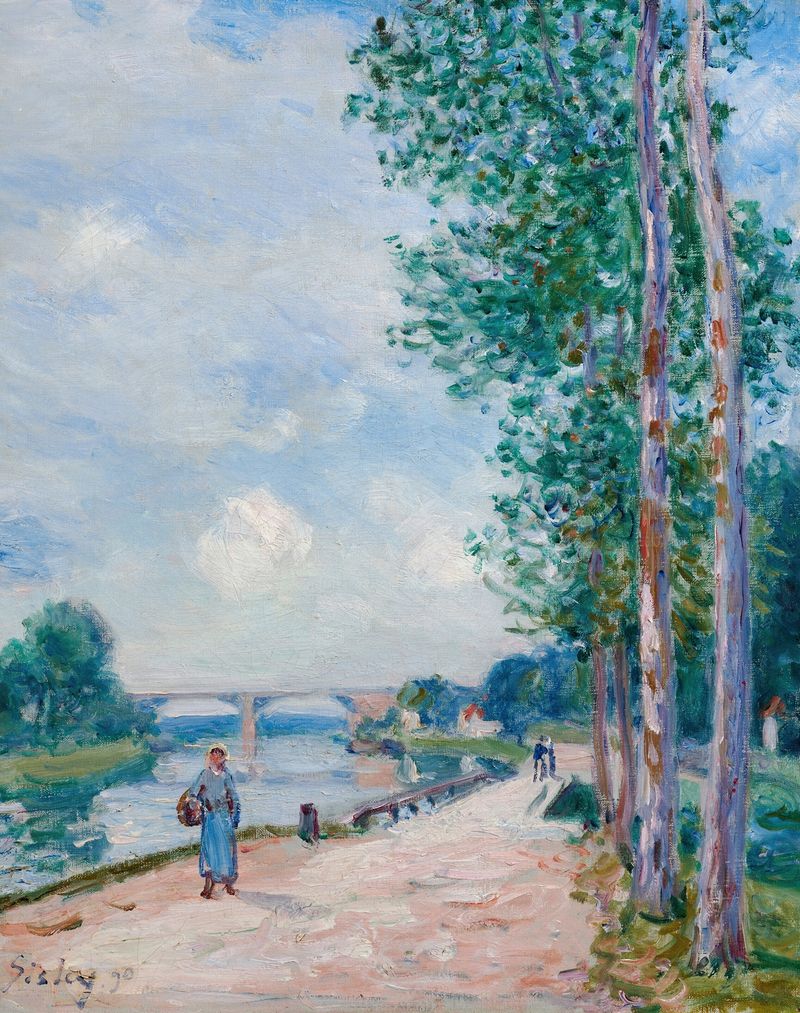
Les bords du Loing près de Moret
Alfred Sisley





