
La rafale, plaine sous l’orage — History & Facts
When did color learn to lie? In the realm of art, hues often mask the depth of reality, each shade weaving its own narrative. La rafale, plaine sous l’orage stands as a testament to this intricate dance between truth and illusion. Look to the center of the canvas, where tumultuous clouds loom, their dark, brooding presence filled with shades of gray and blue. Notice how the light breaks through in sparse moments, illuminating patches of the grassy plain below.
The brushwork is dynamic and evocative, creating a sense of movement, as if the wind itself is captured in a moment of fury. The contrasting colors speak to the tension of an impending storm, drawing the viewer into a world both beautiful and fierce. Beneath the volatile surface lies an exploration of nature's raw power and inherent beauty. The stark contrast between the foreboding sky and the vibrant earth is a metaphor for the duality of existence: chaos intermingling with serenity.
The layering of colors also suggests a deeper emotional resonance, reflecting the artist's internal struggles against the backdrop of a rapidly changing world at the dawn of the 20th century. Each brushstroke encapsulates not just a scene but the essence of impending transformation, inviting viewers to contemplate the fragility of peace in the face of nature's might. In 1905, Houdard was working in France during a period marked by a fascination with Impressionism and the emerging modernist movements. This painting reflects the tension of a world on the brink of change, both artistically and socially.
The art scene was evolving, with traditional notions of representation being challenged, yet Houdard chose to harness the emotive power of landscapes, revealing the complexities of truth wrapped in the beauty of color.
More Artworks by Charles-Louis Houdard
Browse all →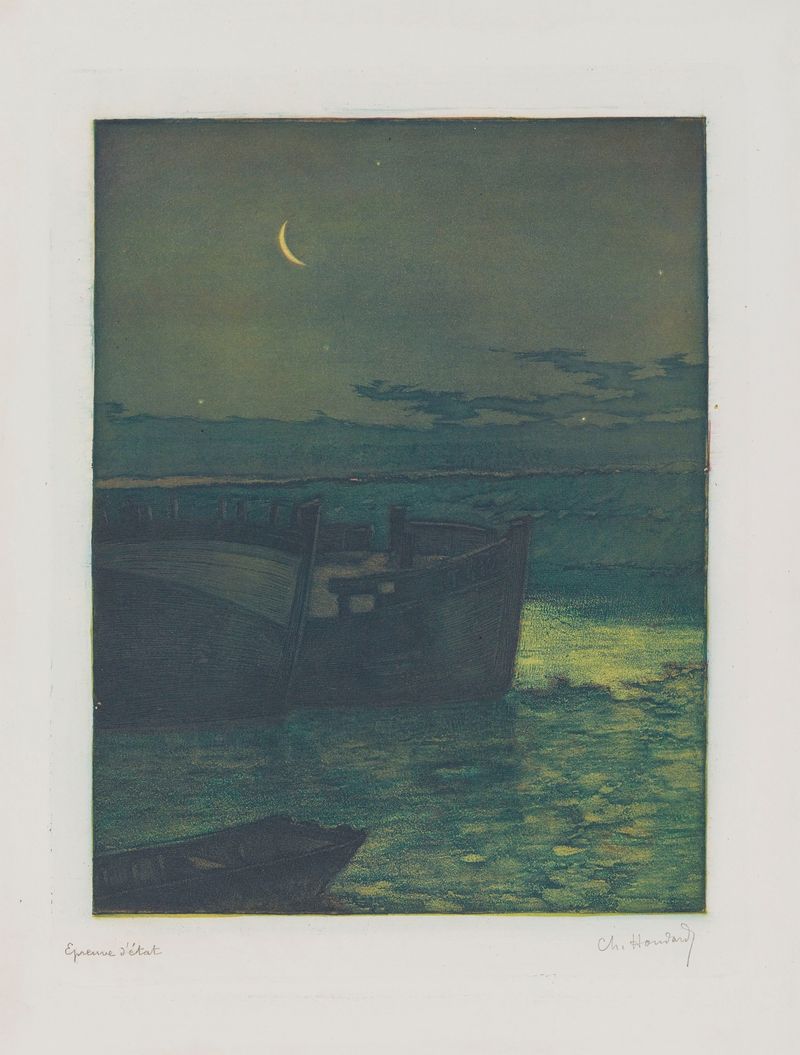
Epaves, navire échoué au clair de lune
Charles-Louis Houdard
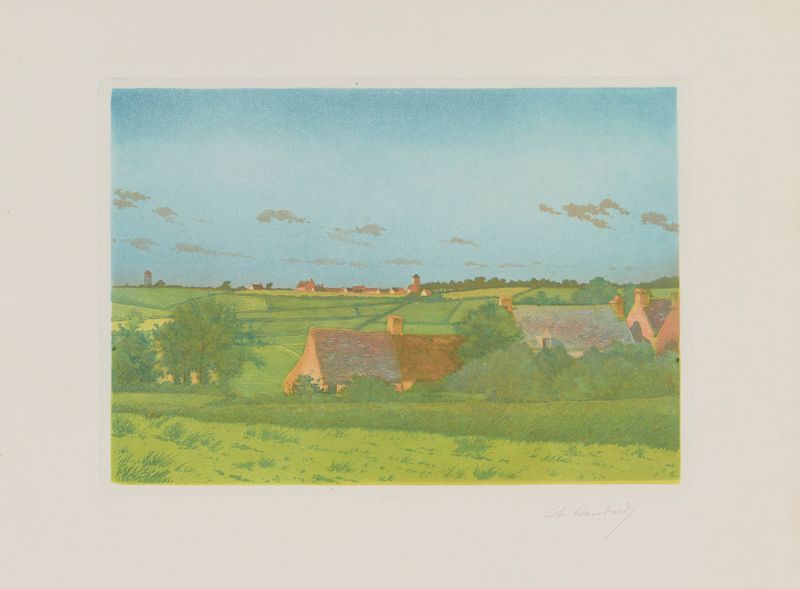
Les hauteurs de Crozon, Finistère
Charles-Louis Houdard
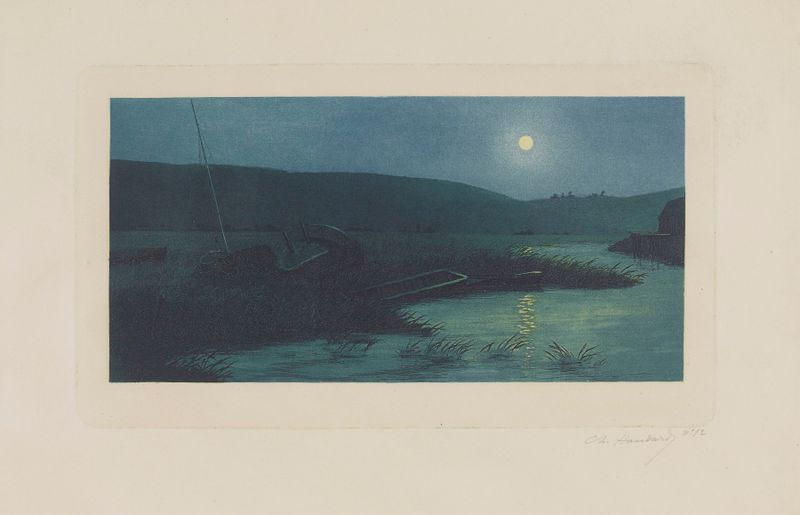
Clair de lune sur la Bresle
Charles-Louis Houdard
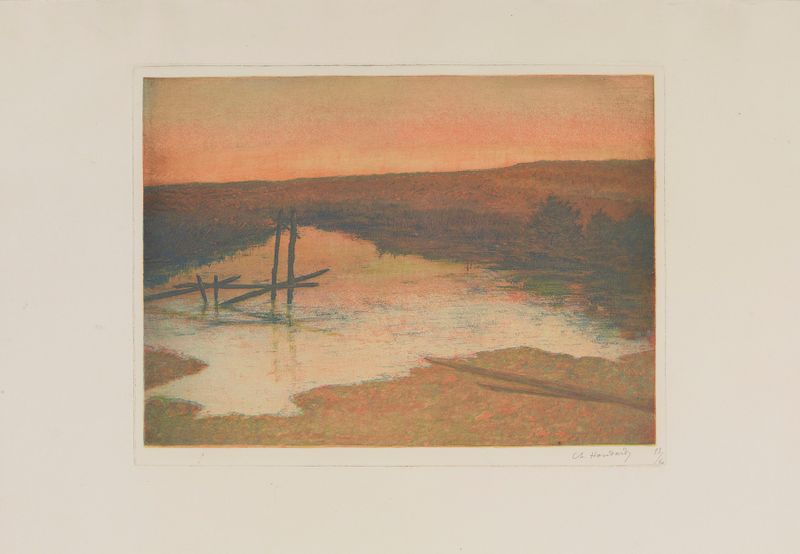
L’étang du moulin à Sémide
Charles-Louis Houdard
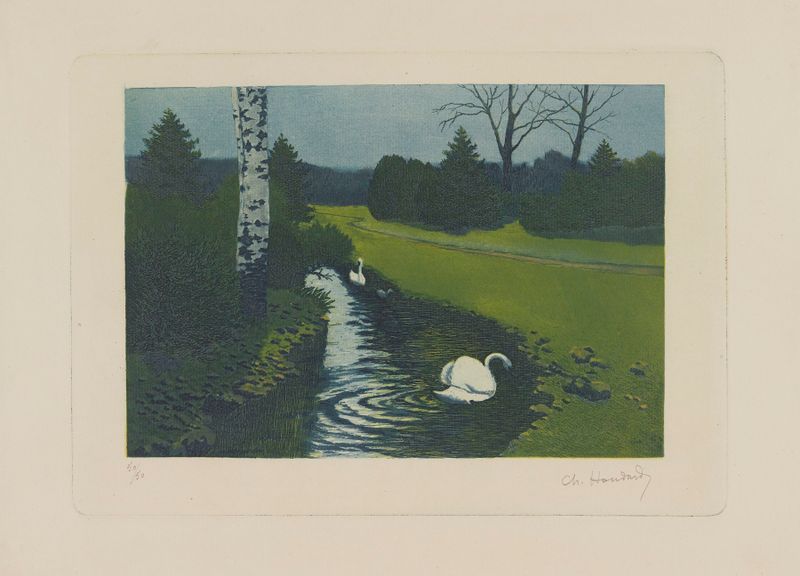
Au bois, cygnes sur un ruisseau
Charles-Louis Houdard
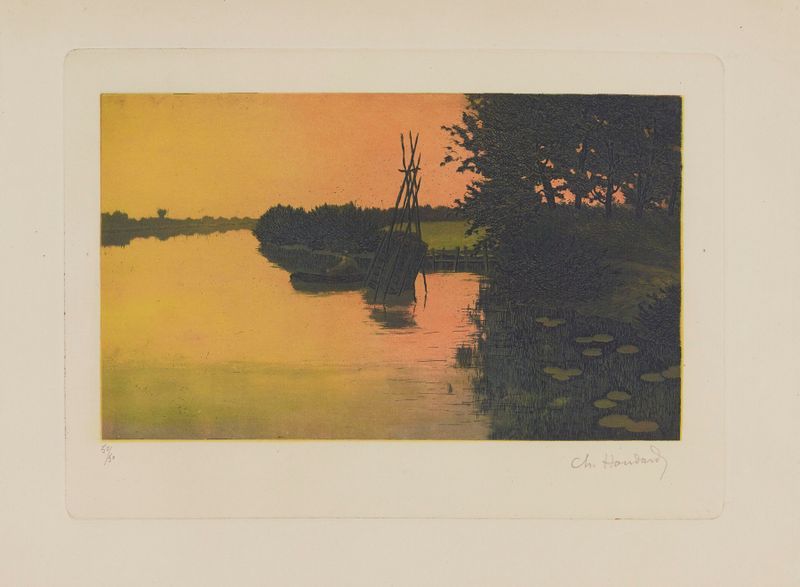
L’Oise à Précy
Charles-Louis Houdard
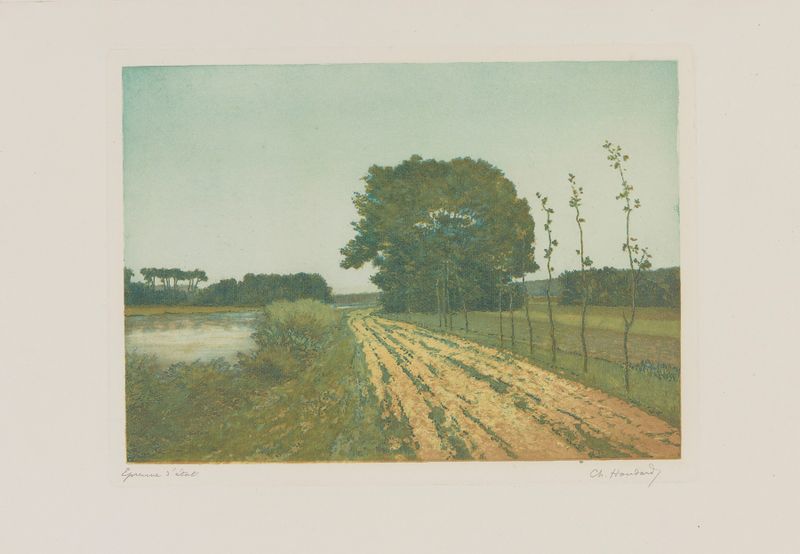
La route abandonnée
Charles-Louis Houdard
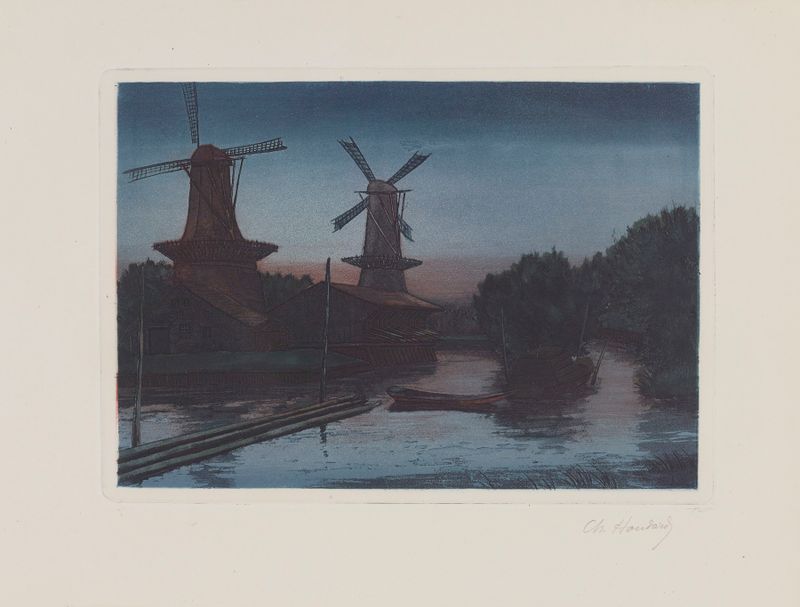
Moulins à Dordrecht
Charles-Louis Houdard
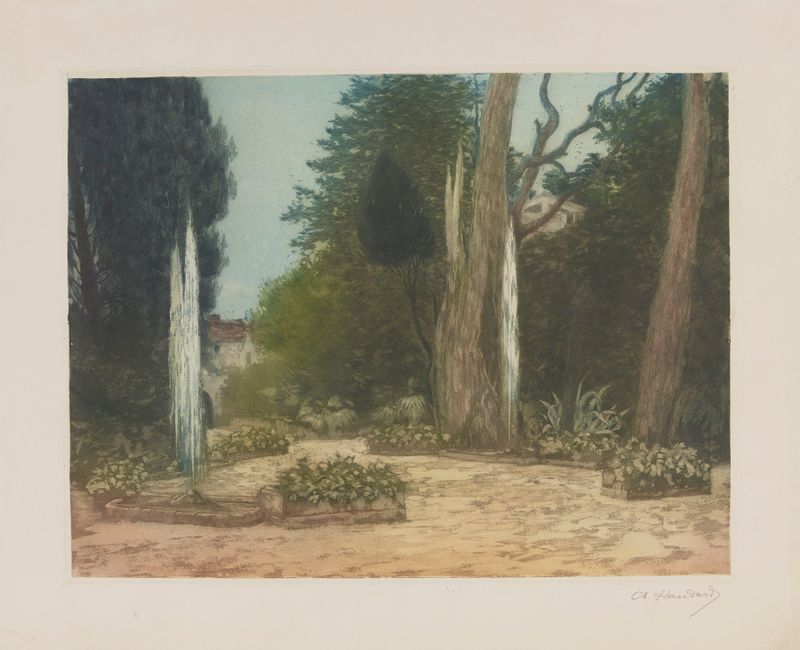
Villa d’Este, Tivoli, le rond-point
Charles-Louis Houdard
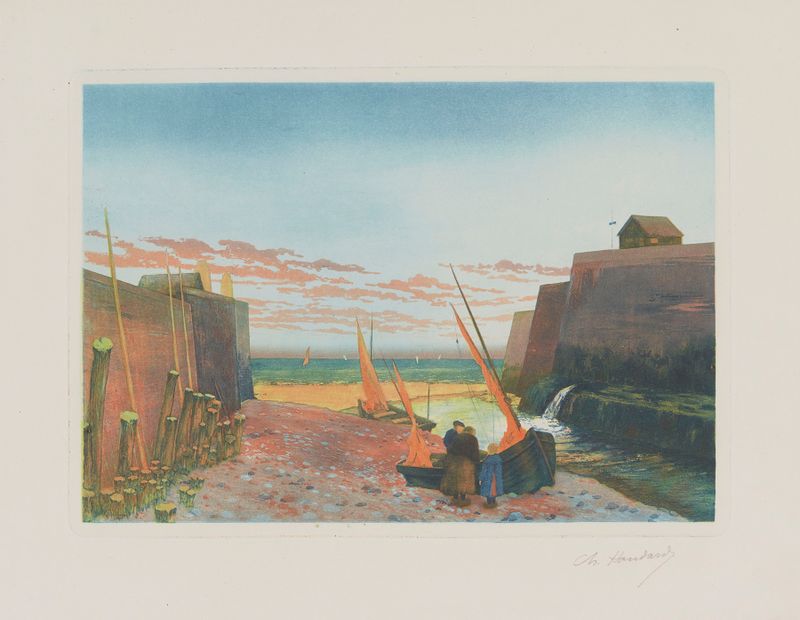
Les anciennes jetées du Tréport
Charles-Louis Houdard





