
Epaves, navire échoué au clair de lune — History & Facts
Did the painter know this moment would outlive them? It is a question that echoes through the stillness of Epaves, navire échoué au clair de lune, where the remnants of a ship rest under the moonlight, whispering tales of creation and decay. Look to the left at the softly illuminated hull of the ship, its weathered form cradled by the gentle embrace of the water. The moon casts a silvery glow, capturing the textures of the wood and the delicate interplay of shadows and highlights. Notice how Houdard expertly employs a palette of blues and grays, creating a dreamlike quality that invites you to linger in this ethereal world.
The calm water reflects the moon and the ship’s silhouette, merging the elements in a haunting harmony that speaks of time's passage. Delve deeper into the painting, and you will find layers of emotional tension. The ship, once a vessel of adventure and life, now lies abandoned, symbolizing a journey interrupted. The tranquility of the moonlit night contrasts sharply with the ship's forlorn presence, suggesting the inevitability of nature reclaiming what was once human-made.
In those still waters lies a poignant reflection on mortality and the fleeting nature of existence, urging the viewer to consider what stories remain untold. In 1901, Houdard was immersed in the Art Nouveau movement, a time when artists were drawn to the beauty of natural forms and the interplay of light. Working in France, he was engaged in a broader cultural conversation about the balance between humanity and nature, as industrialization transformed landscapes. This piece captures that transition, preserving a fleeting moment that continues to resonate long after the artist's own narrative has faded.
More Artworks by Charles-Louis Houdard
Browse all →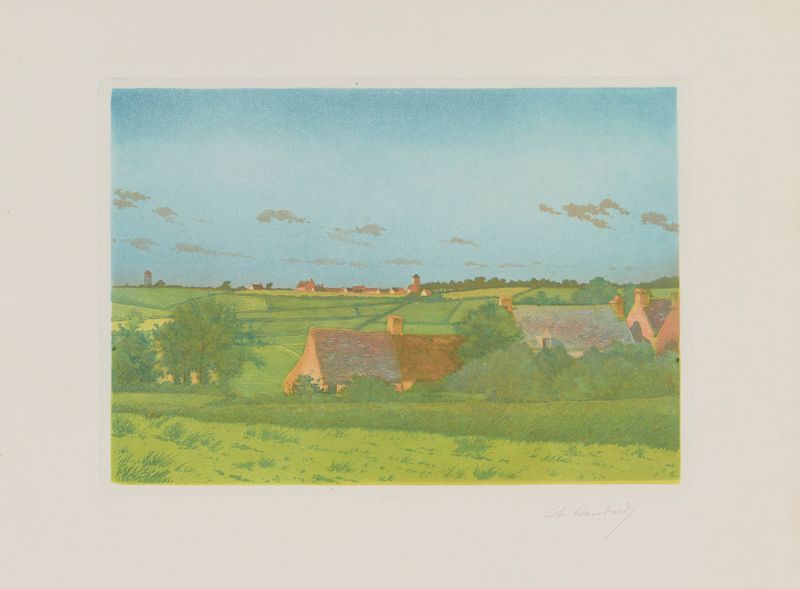
Les hauteurs de Crozon, Finistère
Charles-Louis Houdard
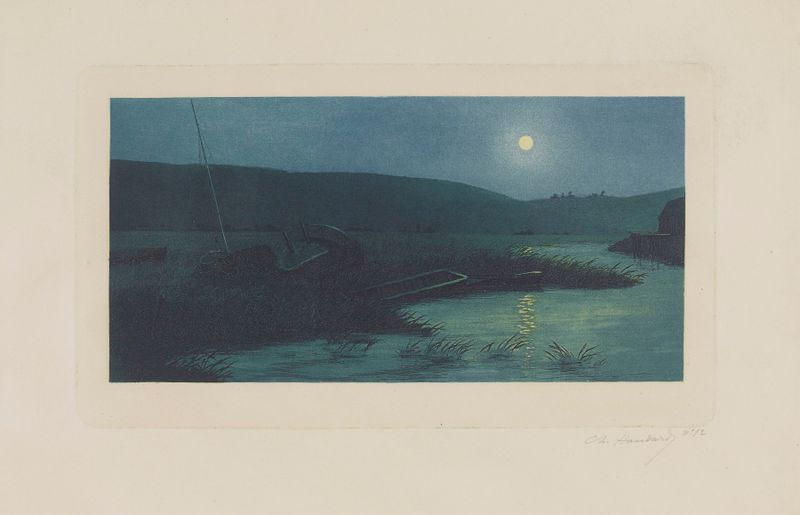
Clair de lune sur la Bresle
Charles-Louis Houdard
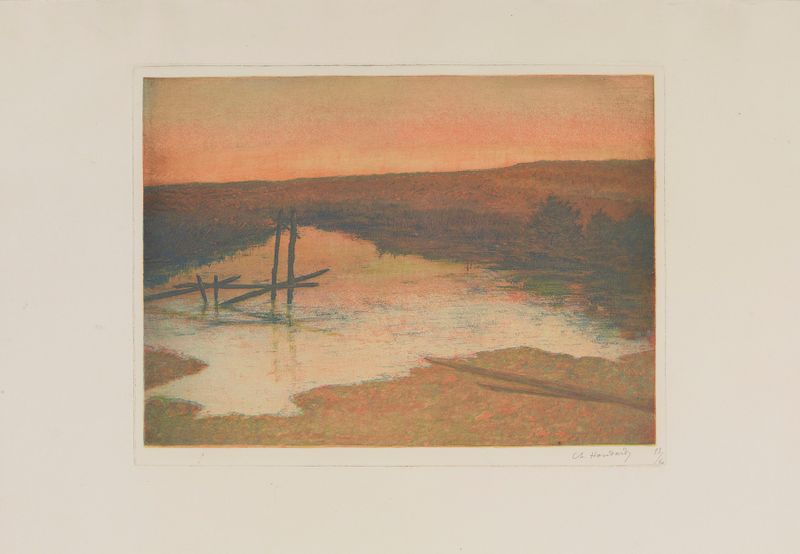
L’étang du moulin à Sémide
Charles-Louis Houdard
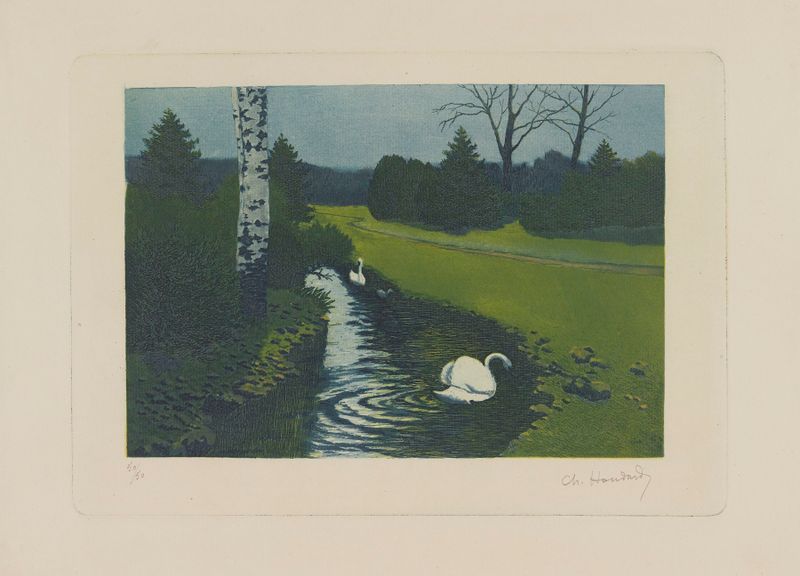
Au bois, cygnes sur un ruisseau
Charles-Louis Houdard
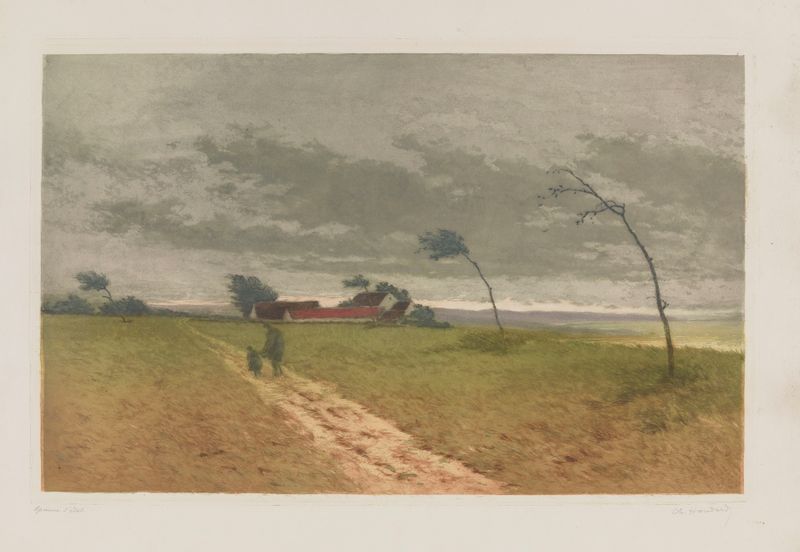
La rafale, plaine sous l’orage
Charles-Louis Houdard
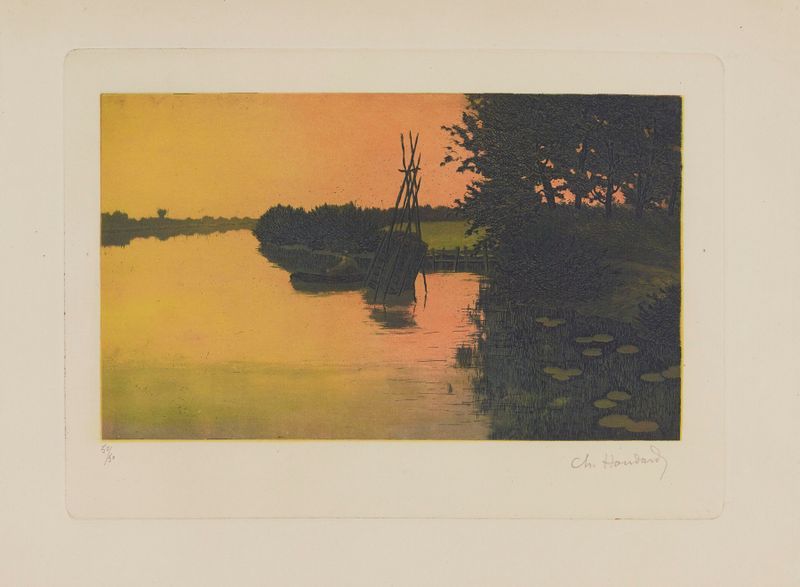
L’Oise à Précy
Charles-Louis Houdard
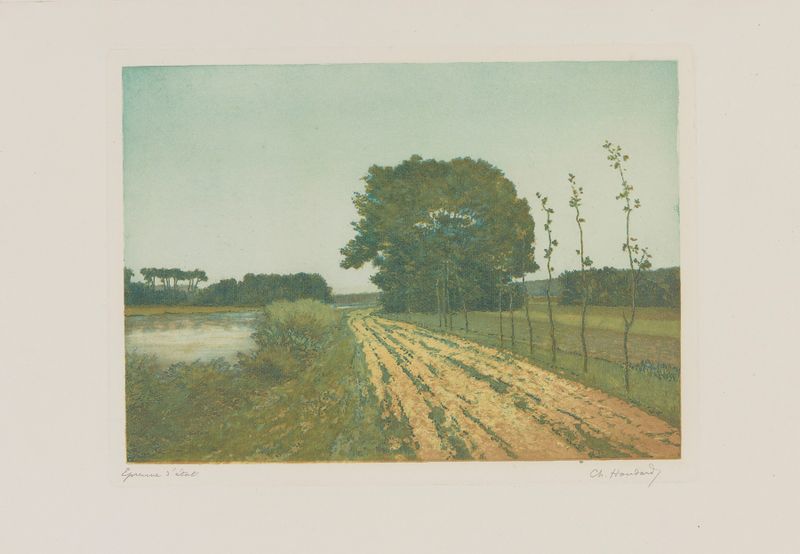
La route abandonnée
Charles-Louis Houdard
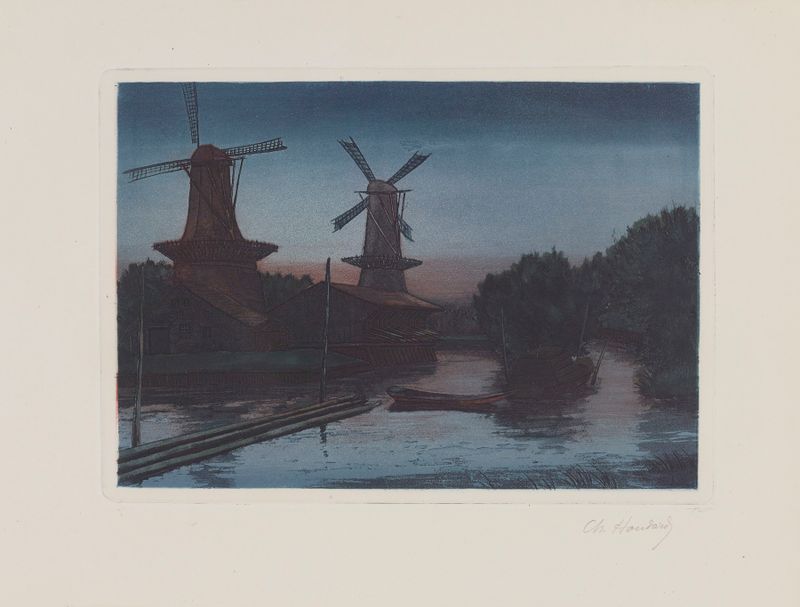
Moulins à Dordrecht
Charles-Louis Houdard
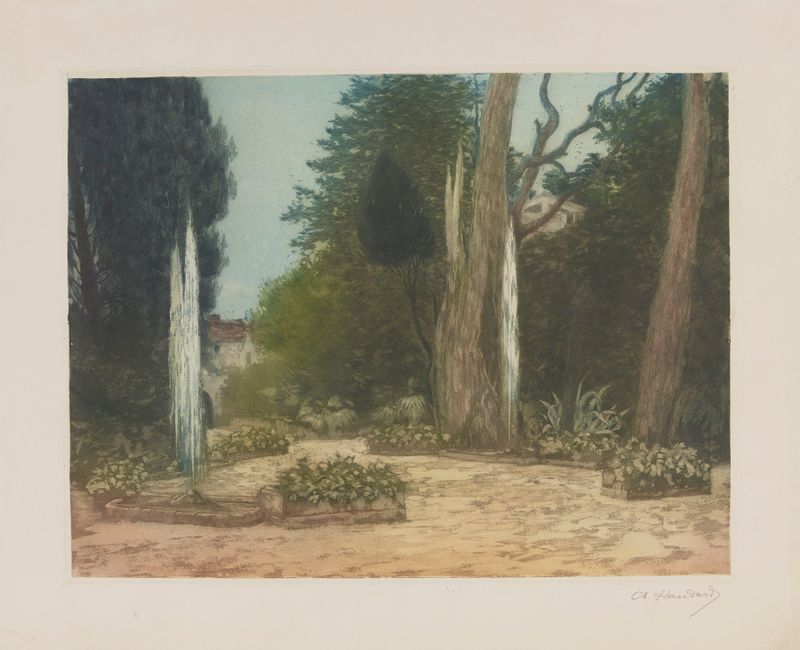
Villa d’Este, Tivoli, le rond-point
Charles-Louis Houdard
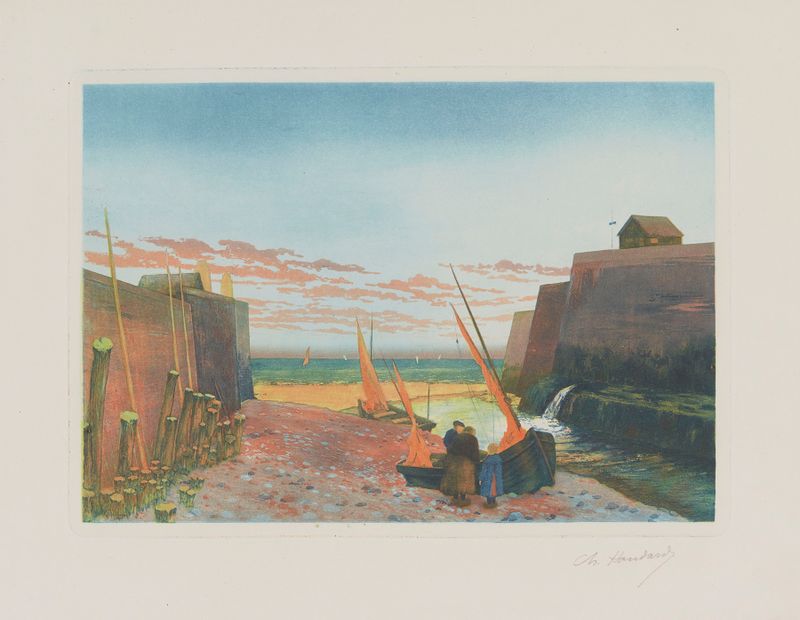
Les anciennes jetées du Tréport
Charles-Louis Houdard





