
L’étang du moulin à Sémide — History & Facts
In a world where time is both transient and eternal, every brushstroke whispers secrets of life and mortality. Look to the left at the serene surface of the pond, where the water mirrors the clouds above, a delicate tapestry of blues and whites that invites reflection. Notice how the lush green foliage on the banks encircles the scene, both embracing and isolating it. The artist’s deft application of soft, layered brushstrokes creates a gentle rhythm, allowing the viewer to lose themselves in the tranquil yet poignant atmosphere. As you explore further, consider the subtle contrasts present in the composition.
The vibrant greens of nature juxtapose against the stillness of the water, suggesting life’s fleeting moments. The distant mill, a silent witness to the passage of time, hints at the inevitability of change, while the peacefulness invites contemplation of one’s own mortality. Each element within the landscape serves as a metaphor for the cycles of existence, both beautiful and melancholic. In 1902, Charles-Louis Houdard painted this scene at a time when French art was embracing Impressionism’s exploration of light and atmosphere.
Living in the aftermath of the Belle Époque, when art and culture flourished, he sought to capture the interplay between nature and human emotion. This work reflects not only his personal reflections but also a broader contemplation of life’s impermanence, echoing the sentiments of his contemporaries who grappled with similar themes.
More Artworks by Charles-Louis Houdard
Browse all →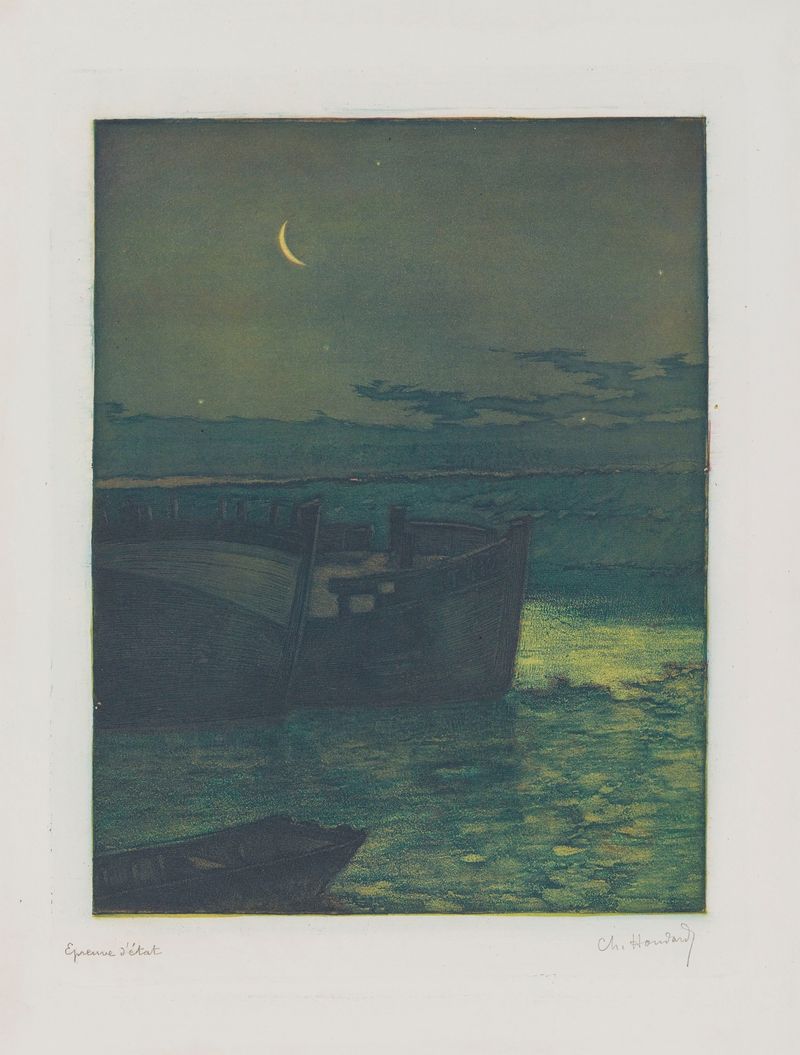
Epaves, navire échoué au clair de lune
Charles-Louis Houdard
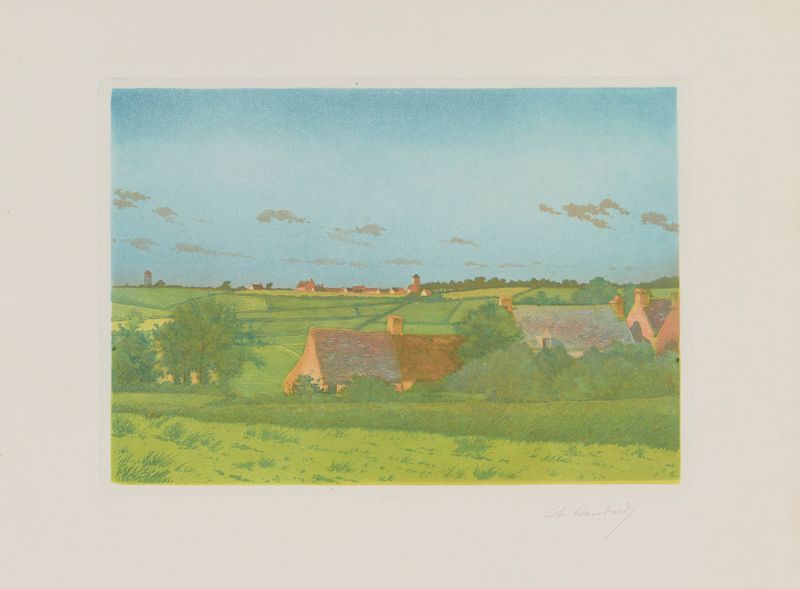
Les hauteurs de Crozon, Finistère
Charles-Louis Houdard
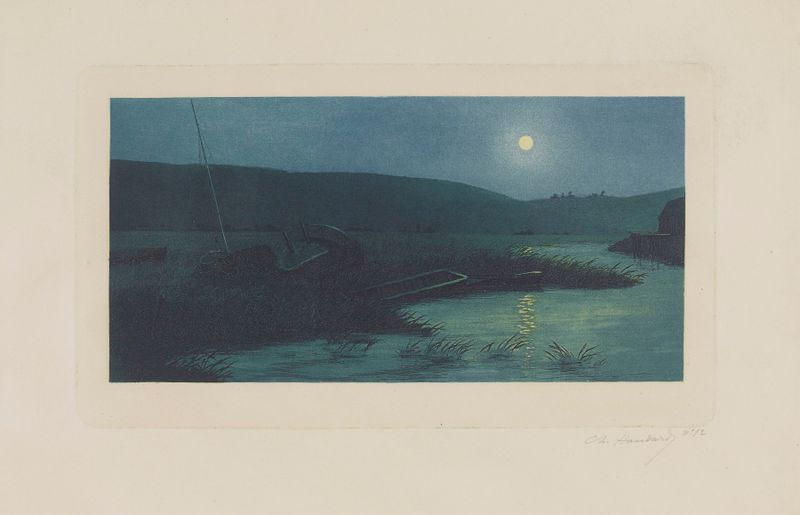
Clair de lune sur la Bresle
Charles-Louis Houdard
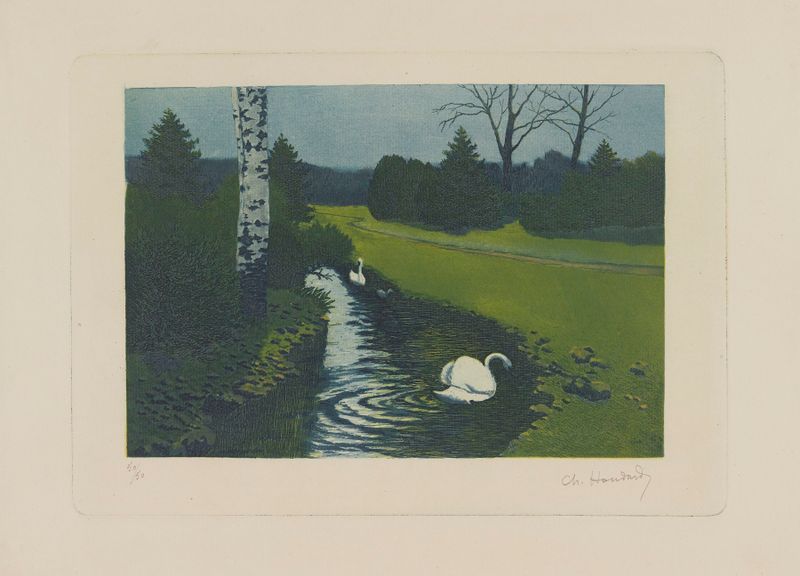
Au bois, cygnes sur un ruisseau
Charles-Louis Houdard
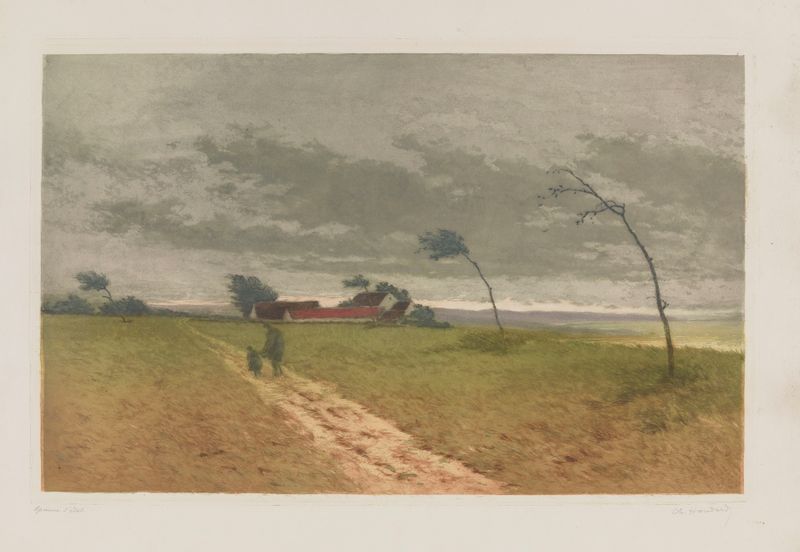
La rafale, plaine sous l’orage
Charles-Louis Houdard
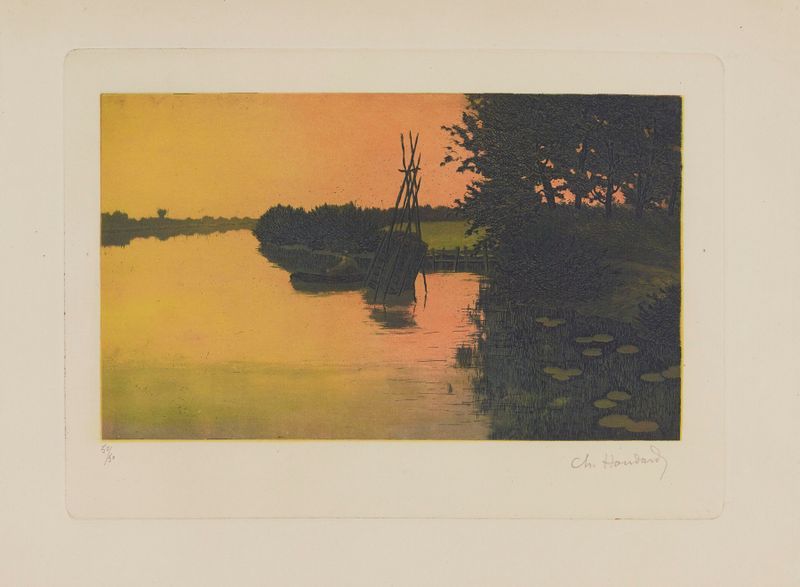
L’Oise à Précy
Charles-Louis Houdard
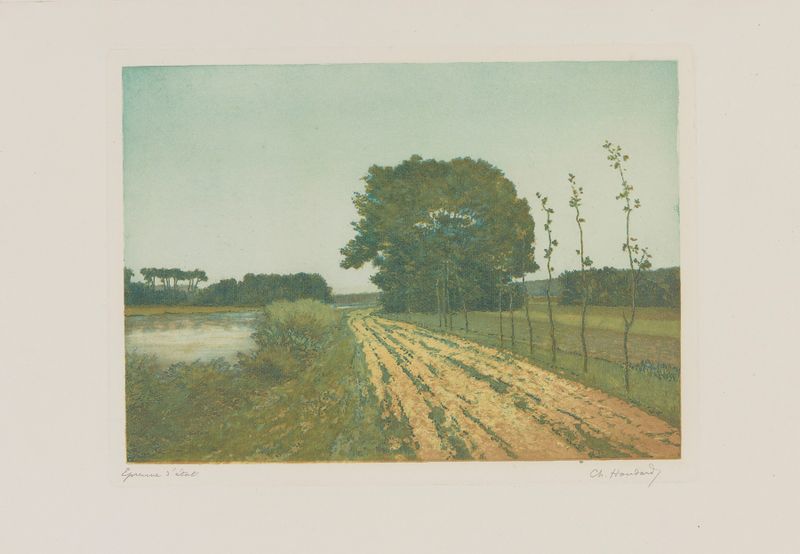
La route abandonnée
Charles-Louis Houdard
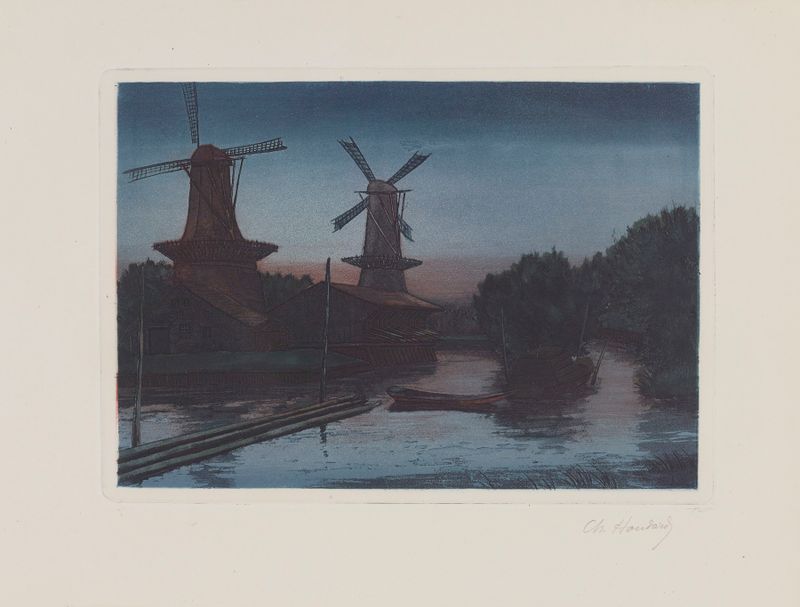
Moulins à Dordrecht
Charles-Louis Houdard
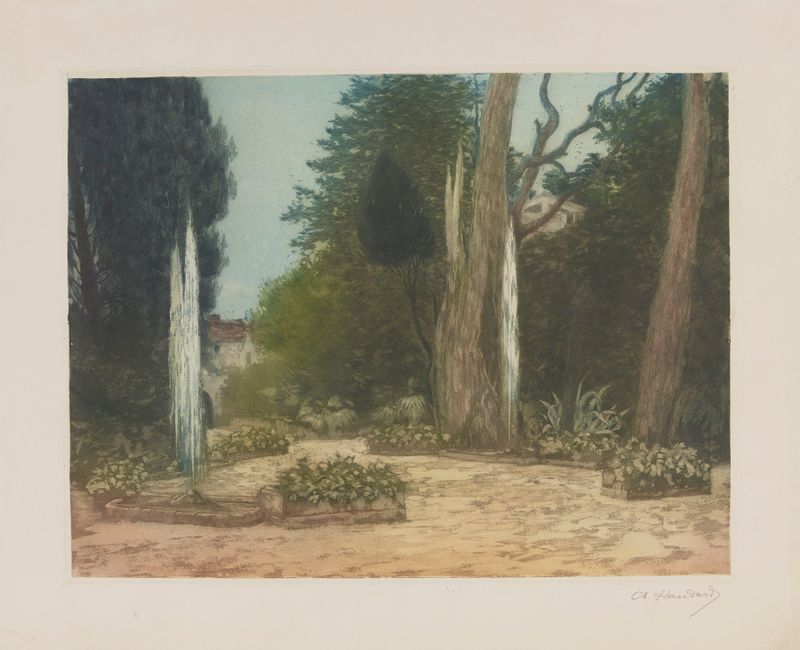
Villa d’Este, Tivoli, le rond-point
Charles-Louis Houdard
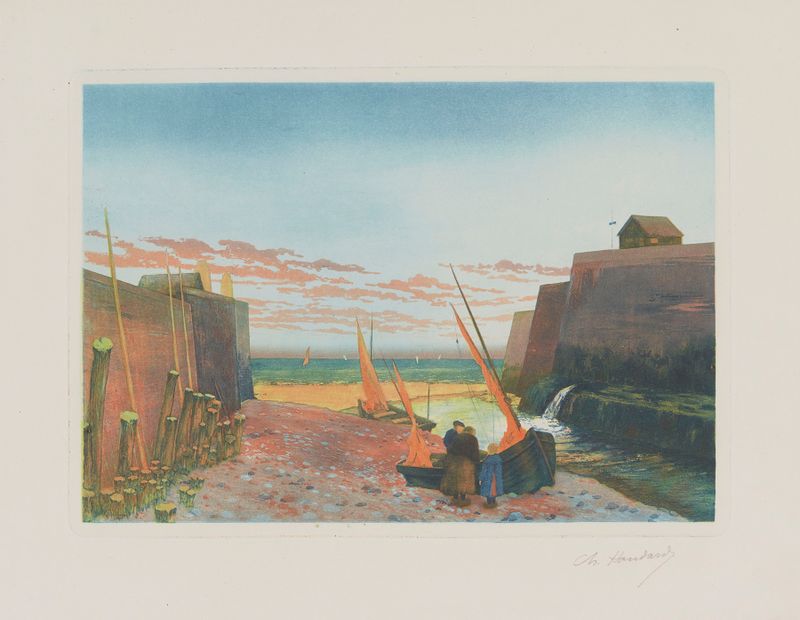
Les anciennes jetées du Tréport
Charles-Louis Houdard





