
Villa d’Este, Tivoli, le rond-point — History & Facts
This sentiment resonates deeply in the tranquil embrace of a garden, where nostalgia intertwines with the vivid hues of nature, whispering tales of beauty and longing. Focus first on the gentle cascade of water in the fountain at the center, where glimmers of sunlight dance atop each droplet, creating a symphony of reflections. The lush greenery enveloping the scene draws the eye outward, a tapestry of vibrant greens interspersed with splashes of floral color. Notice how the artist employs soft brushstrokes to echo the delicate flutter of petals, inviting viewers to lose themselves in this idyllic landscape.
The symmetry of the composition leads you along meandering paths, each turn promising a new discovery, embodying the blend of structured beauty and natural chaos. Within the tranquil corners of this painted paradise lies a deeper yearning—the desire for permanence in a world of transience. The ornate architecture hints at human achievement, yet the encroaching foliage suggests nature’s undisputed claim. Colors shift from bright greens to somber earth tones, illustrating the duality of joy and melancholy, as if to remind us that even the most beautiful moments are fleeting, destined to fade like the daylight. In 1905, Houdard painted this scene amid a burgeoning interest in Impressionism, capturing the essence of the Villa d’Este’s splendor during a time when artists sought to break free from traditional constraints.
Living in a period marked by both artistic innovation and historical turbulence, he found solace in the gardens of Tivoli, where the rich history and the lush environment provided a fertile ground for his explorations of beauty and memory.
More Artworks by Charles-Louis Houdard
Browse all →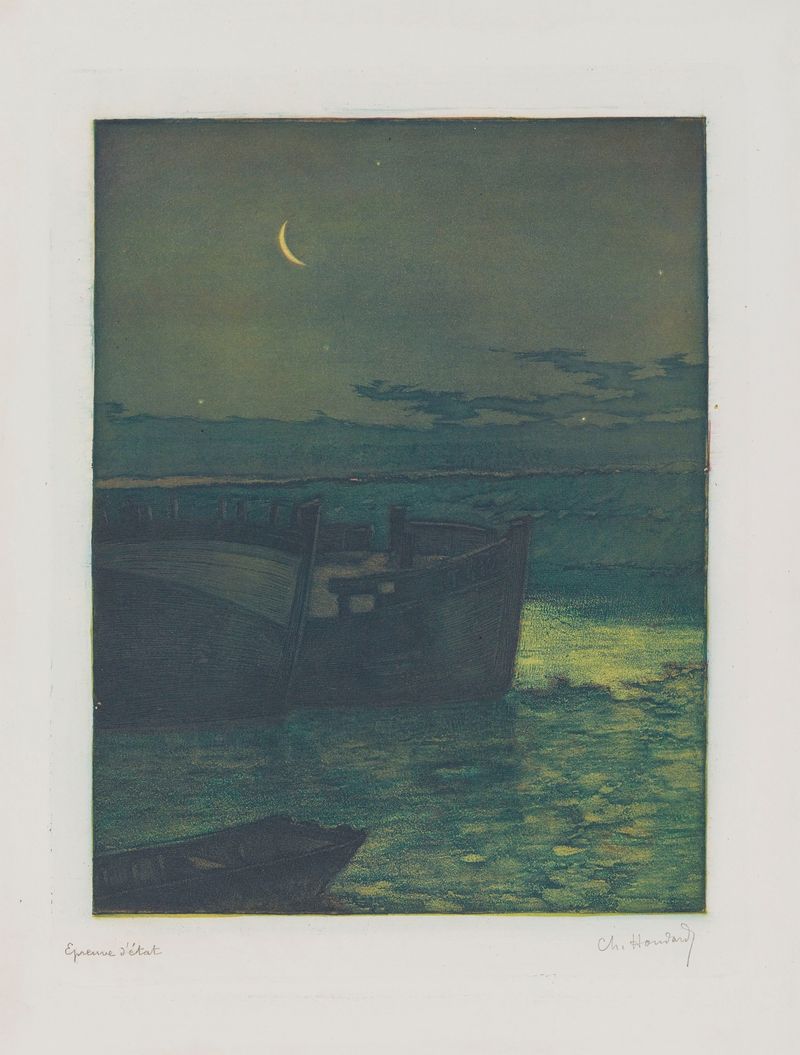
Epaves, navire échoué au clair de lune
Charles-Louis Houdard
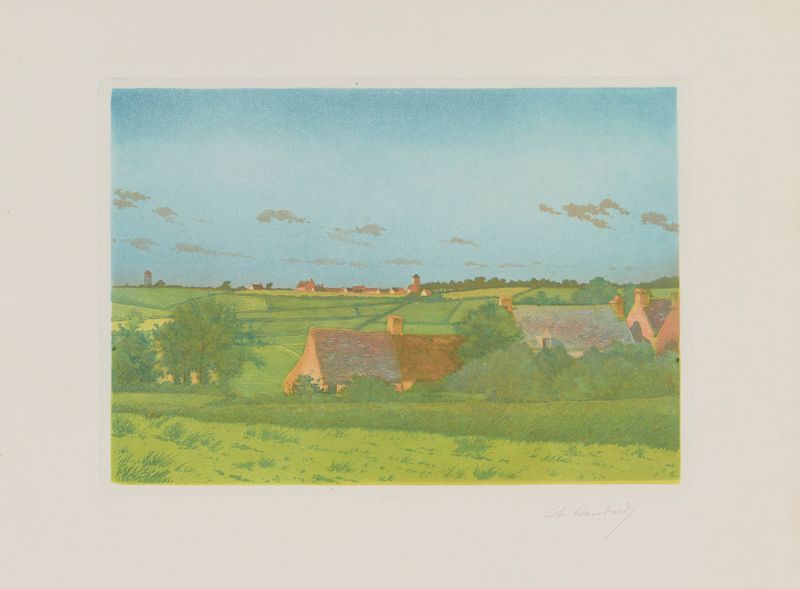
Les hauteurs de Crozon, Finistère
Charles-Louis Houdard
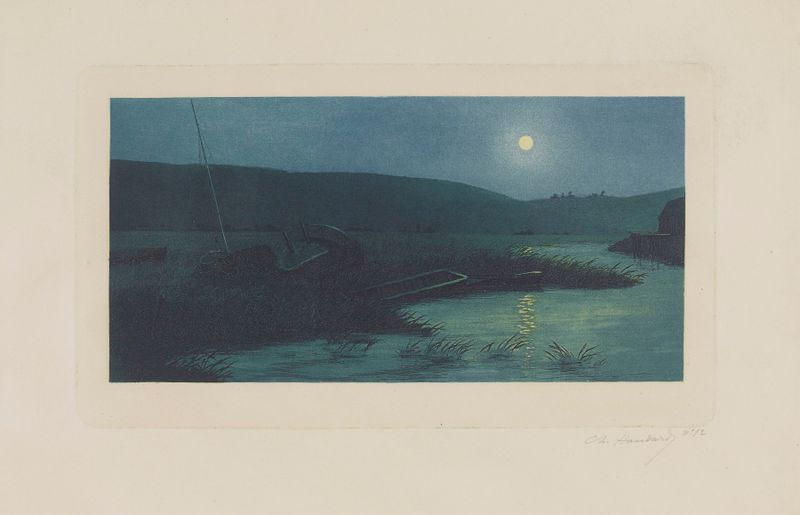
Clair de lune sur la Bresle
Charles-Louis Houdard
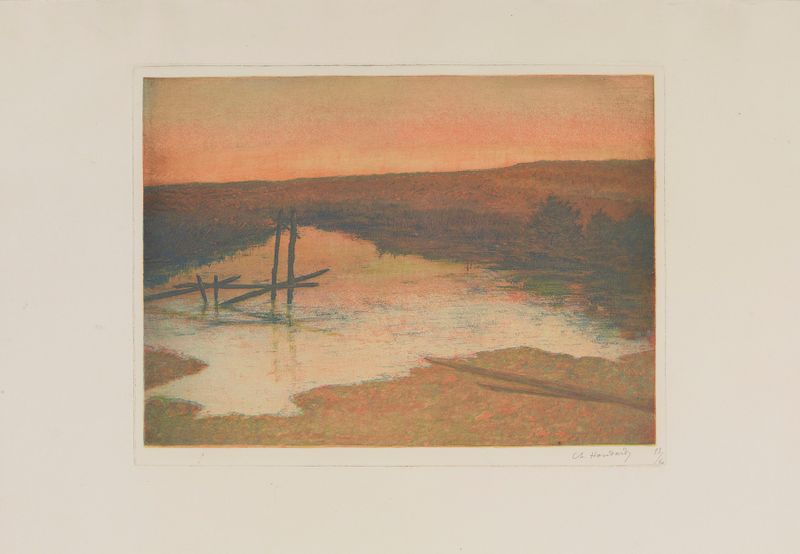
L’étang du moulin à Sémide
Charles-Louis Houdard
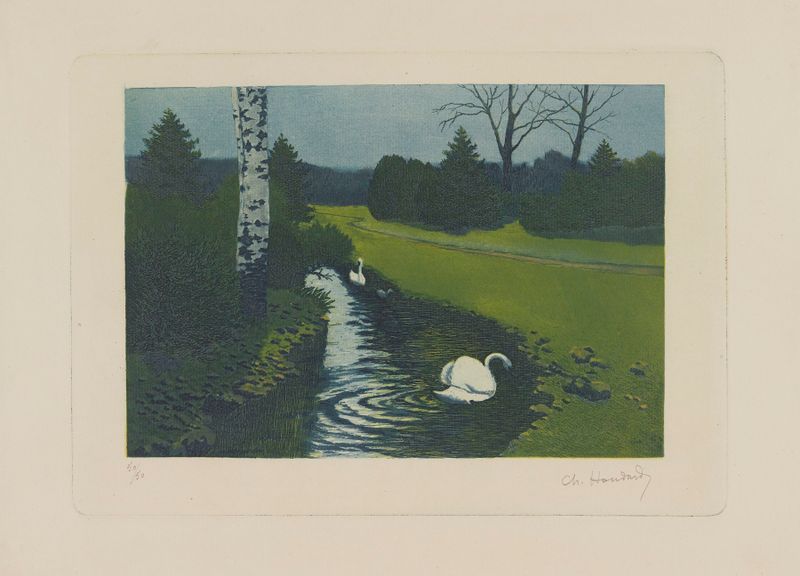
Au bois, cygnes sur un ruisseau
Charles-Louis Houdard
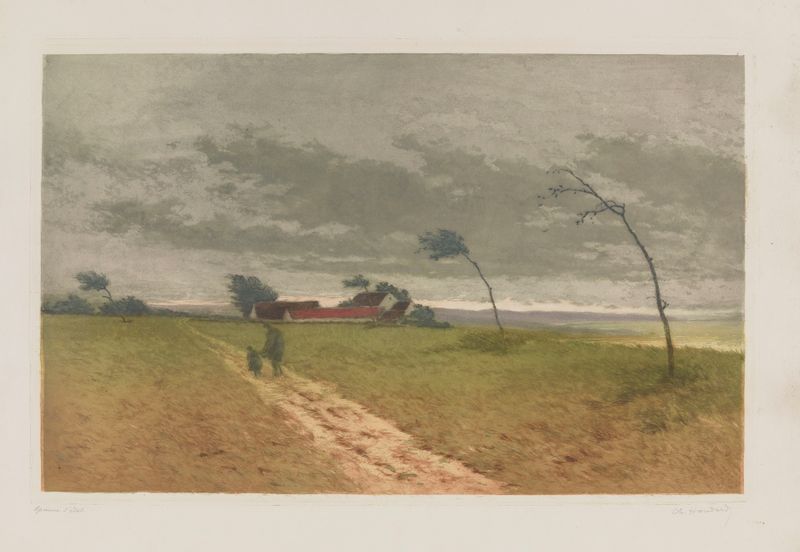
La rafale, plaine sous l’orage
Charles-Louis Houdard
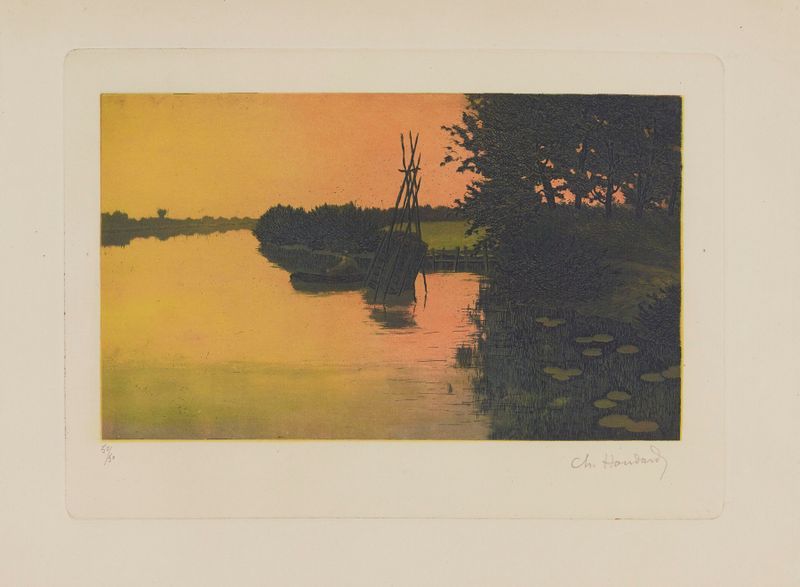
L’Oise à Précy
Charles-Louis Houdard
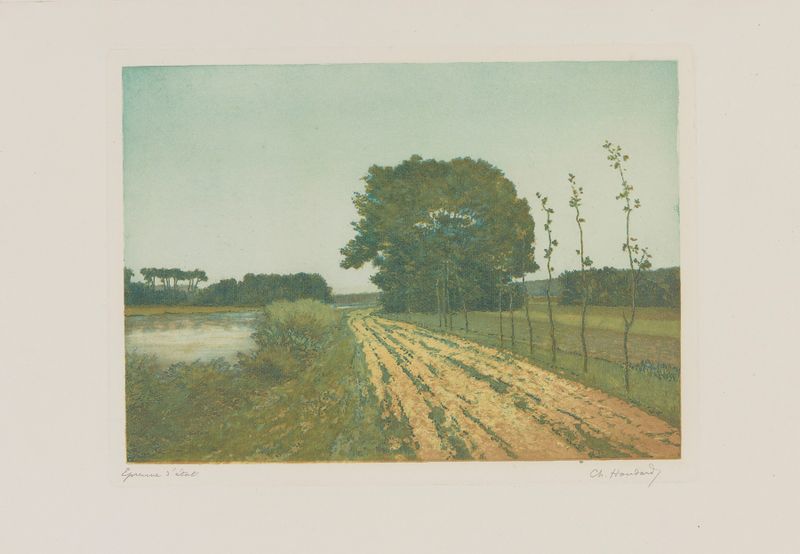
La route abandonnée
Charles-Louis Houdard
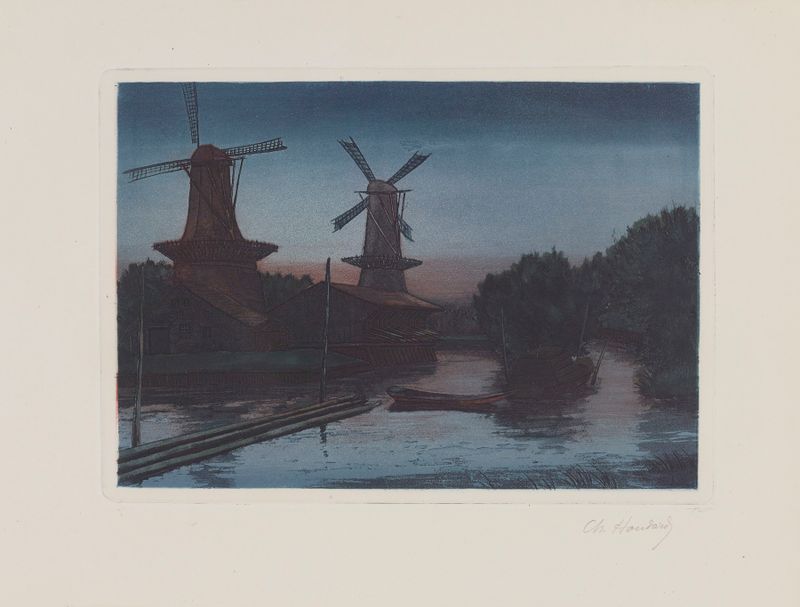
Moulins à Dordrecht
Charles-Louis Houdard
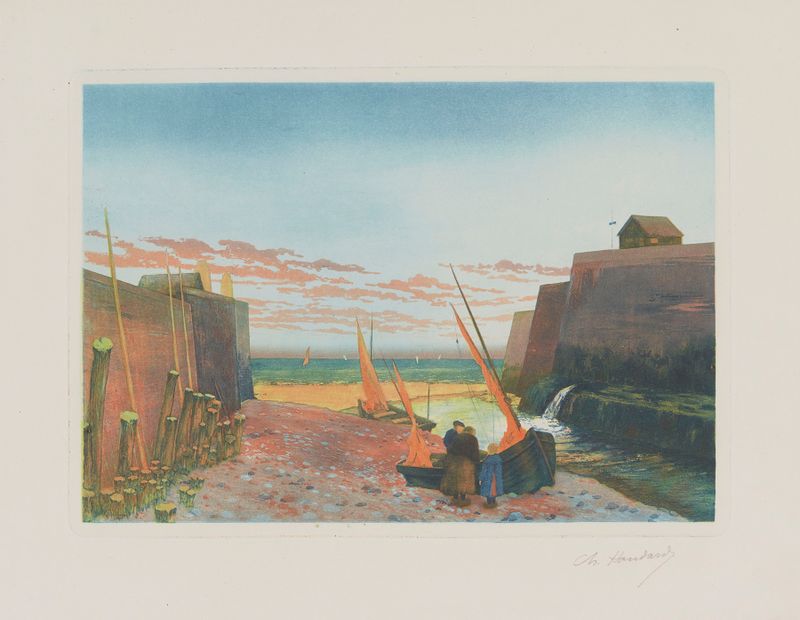
Les anciennes jetées du Tréport
Charles-Louis Houdard





