
La Roche De L’echo — History & Facts
Could a single brushstroke hold eternity? In the world of La Roche De L’echo, the answer resonates with every vibrant hue and sweeping motion of paint. Look to the bottom left corner, where the rocky outcrop juts into the canvas, its textured surface contrasting sharply with the fluidity of the water. The gentle play of light dances upon the surface, reflecting a myriad of colors that suggest both movement and stillness. Notice how the warm oranges and yellows of the sunset blend harmoniously with the cool blues, creating a perfect balance that draws the eye into the heart of the piece.
The loose brushwork contributes to an atmosphere of immediacy, inviting you to step closer and feel the pulse of nature. As you explore further, consider the emotional dichotomy this landscape presents. The grandeur of the rock formation stands resolute against the ephemeral quality of the water, symbolizing permanence amid the fleeting nature of time. The vibrant palette evokes a sense of hope, yet the looming shadows hint at a deeper melancholy, suggesting the duality of existence itself.
This interplay between light and shadow, motion and stillness, invites a reflection on the transient beauty of life and creation. During an unrecorded period of his life, Guillaumin painted this evocative masterpiece, likely amidst his growing recognition within the Impressionist movement. The late 19th century was a time of artistic revolution; as traditional techniques fell away, artists sought to capture the essence of their subjects. Guillaumin, inspired by his surroundings and the evolving art world, harnessed these themes into La Roche De L’echo, marking a significant moment in his exploration of light and color.
More Artworks by Armand Guillaumin
Browse all →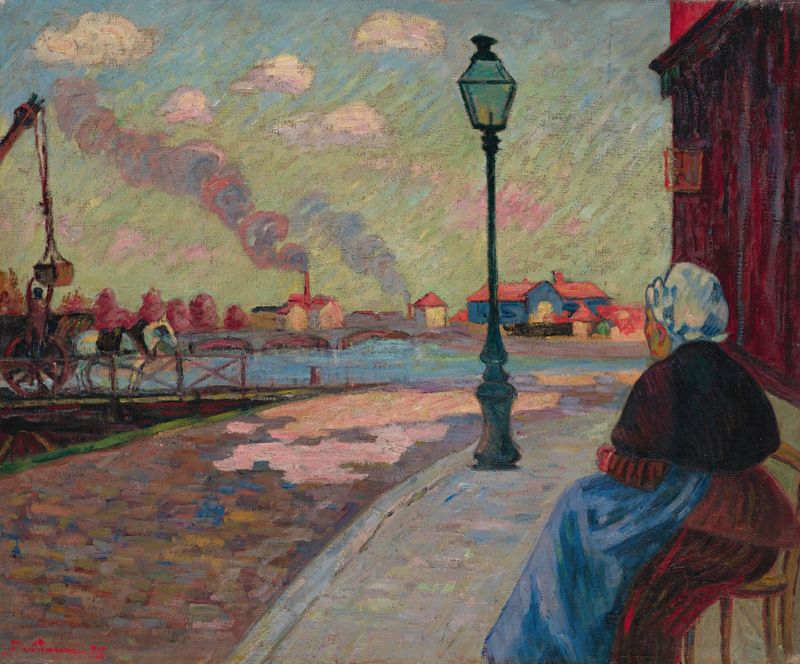
La Seine À Charenton
Armand Guillaumin
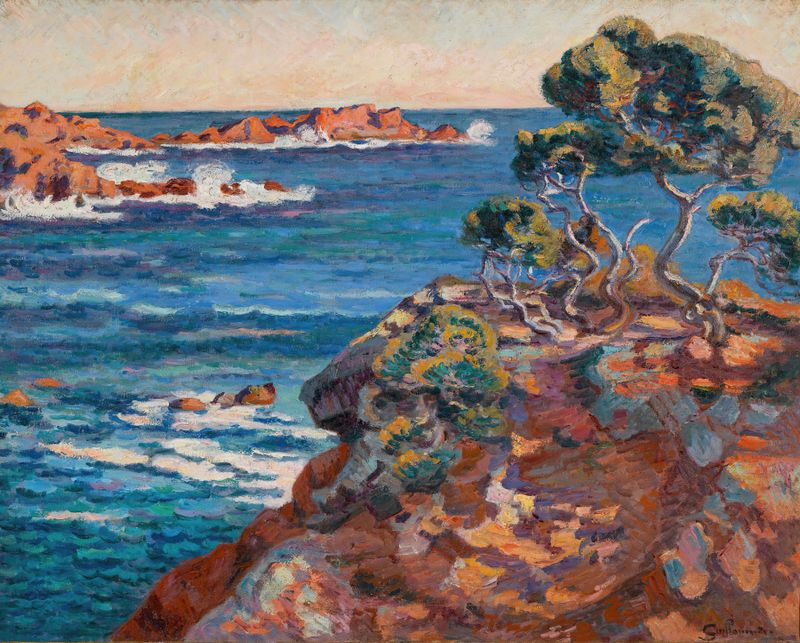
Bord De Mer À Agay
Armand Guillaumin
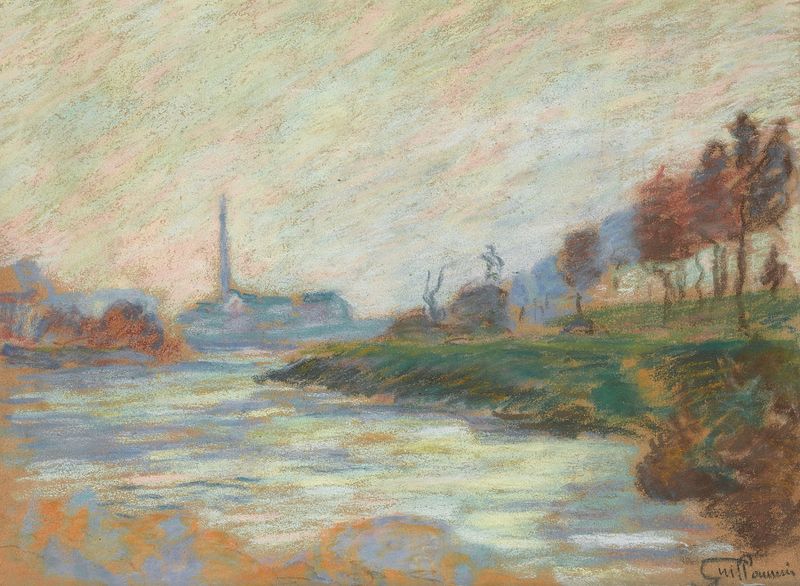
Confluent De La Marne Et De La Seine, Île De La France
Armand Guillaumin

Le Ravin de la folie, vue de Chateau Crozant
Armand Guillaumin
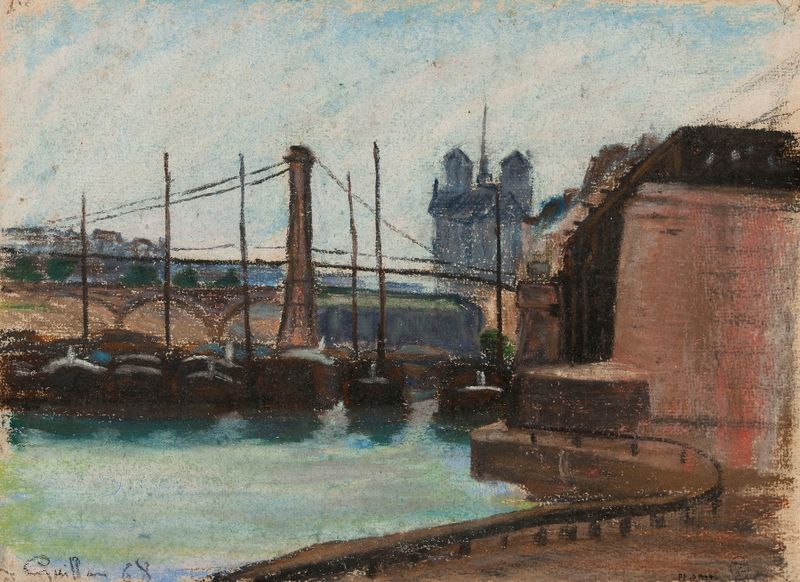
Le Pont d’Austerlitz
Armand Guillaumin

Paysage de Printemps
Armand Guillaumin
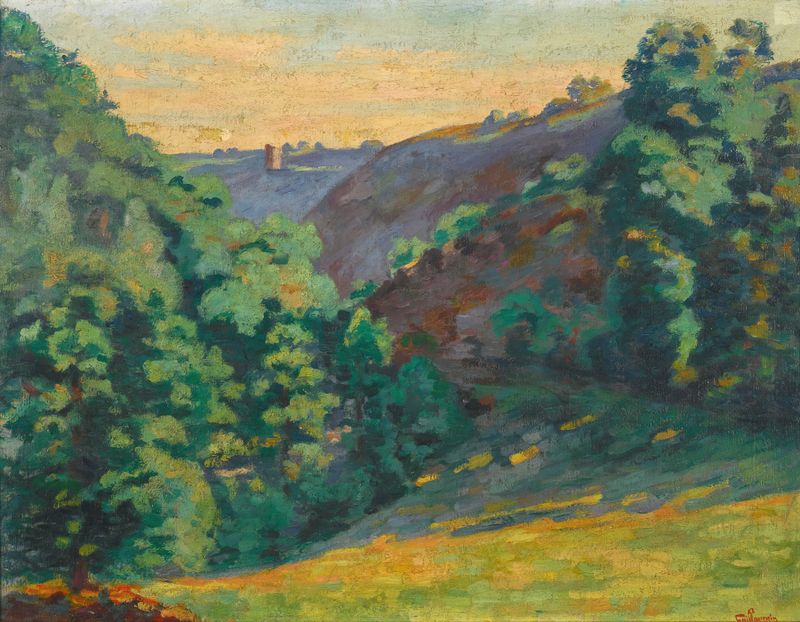
Crozant, Le Ravin De La Sedelle À La Folie
Armand Guillaumin
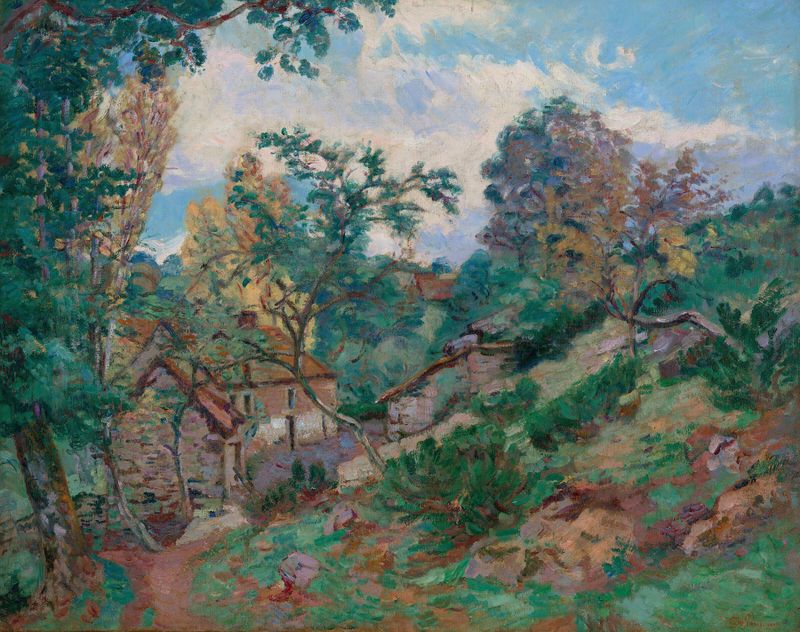
Paysage
Armand Guillaumin

La vallée de la creuse
Armand Guillaumin

L’Eglise Saint-Sulpice, Paris
Armand Guillaumin





