
La Rochelle — History & Facts
This sentiment resonates deeply in a world marked by revolution and change, where every brushstroke captures the fleeting essence of existence. Begin by examining the vibrant hues that define the composition; look closely at the interplay of blues and greens in the water, which mirror the sky’s brilliance. Notice how the rhythmic dabs of paint create a sense of movement, drawing your gaze toward the bustling harbor, alive with boats and activity. The structure of the buildings, rendered with a precision that contrasts with the fluidity of nature, invites contemplation of human achievement against the backdrop of an ever-changing seascape. Upon deeper reflection, consider the emotional tension between the serenity of the water and the industriousness of the port.
The juxtaposition of busy vessels against the calmness of the scene speaks to the dual nature of progress — a revolution not only in society but in the artist's own vision. The interplay of light and shadow, so carefully orchestrated, evokes a sense of time suspended, capturing a moment that feels both transient and eternal. In 1920, Signac was immersed in the post-World War I era, a period marked by artistic experimentation and a yearning for new beginnings. Painting La Rochelle during this time in France, he embraced the principles of Neo-Impressionism, reflecting both the beauty of the landscape and the tumult of social change around him.
This work embodies his commitment to color and form, standing as a testament to the resilience of life against the backdrop of history.
More Artworks by Paul Signac
Browse all →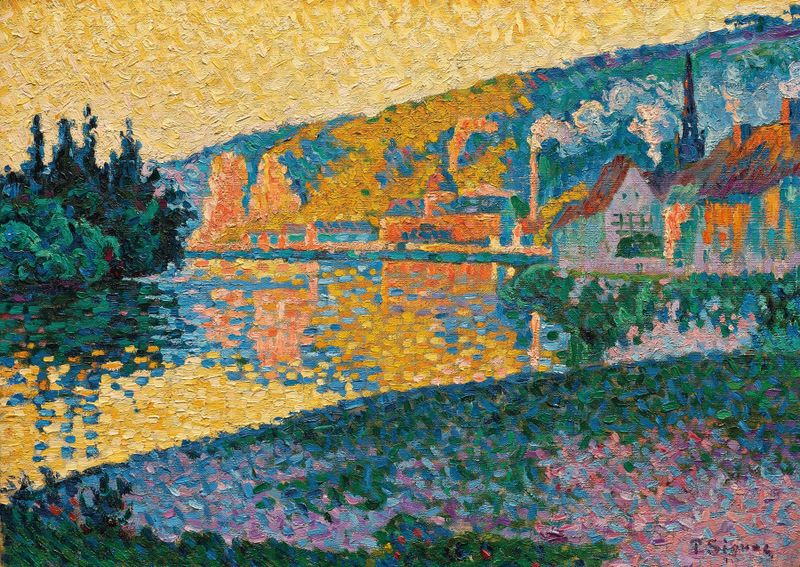
Les Andelys. Soleil couchant
Paul Signac
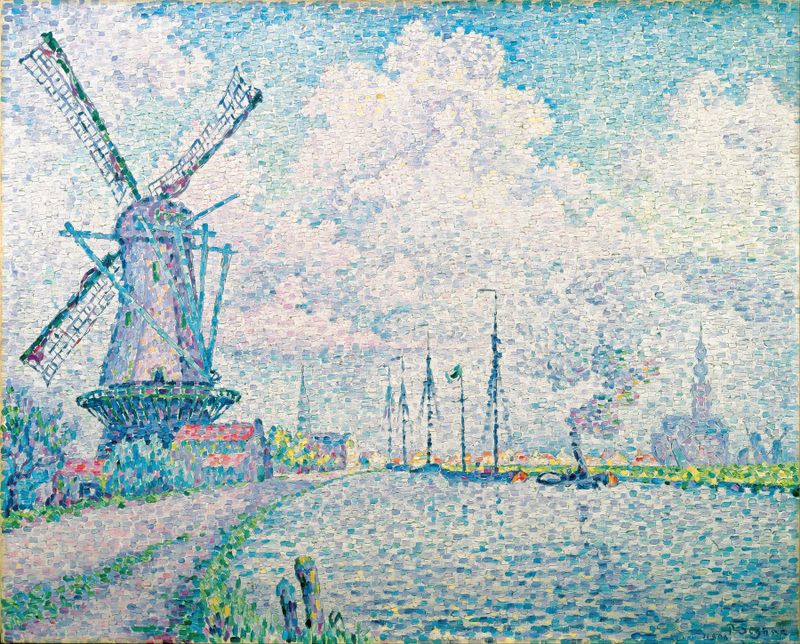
Canal of Overschie
Paul Signac
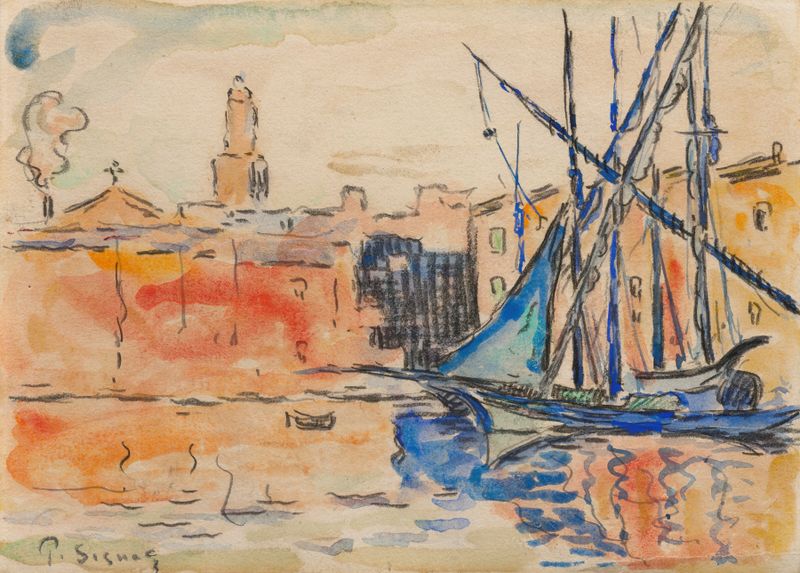
Saint-Tropez, le port
Paul Signac
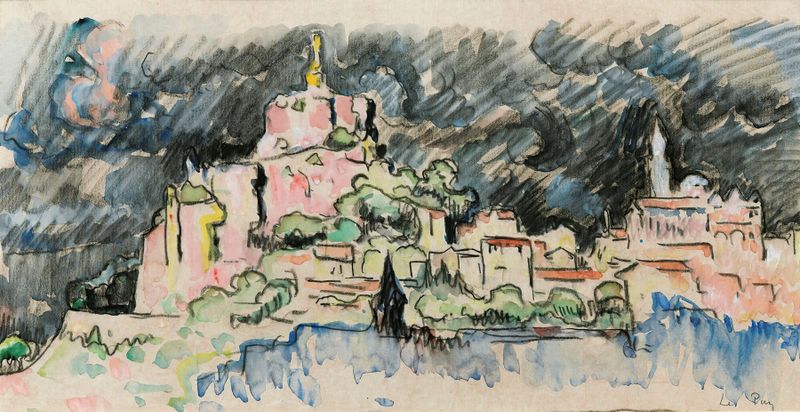
Le Puy-En-Velay, Ciel D’orage
Paul Signac
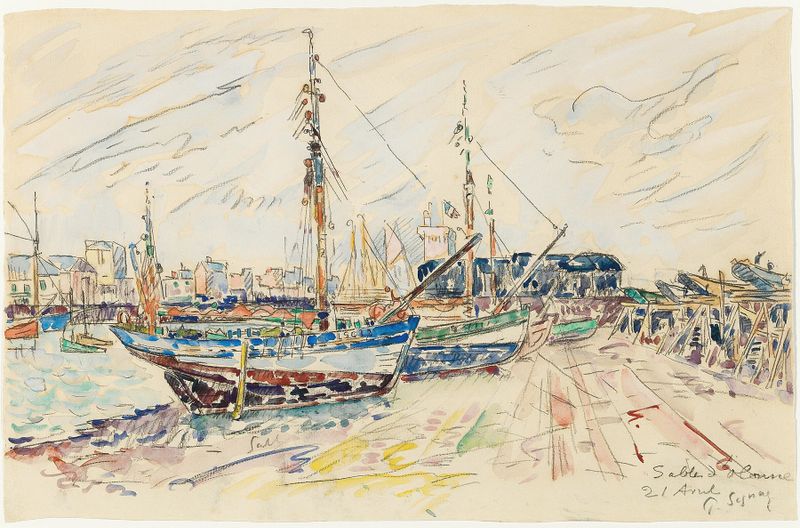
Sables d’Olonne
Paul Signac
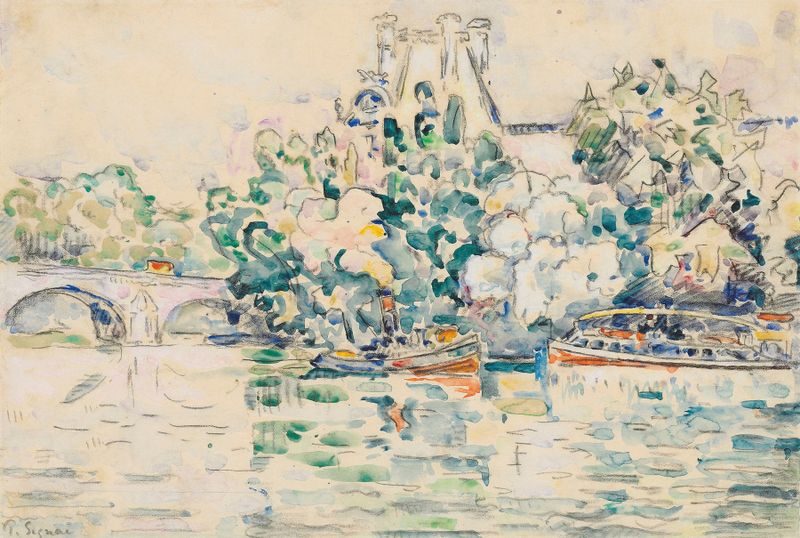
Paris, La Seine au Pont-Royal
Paul Signac
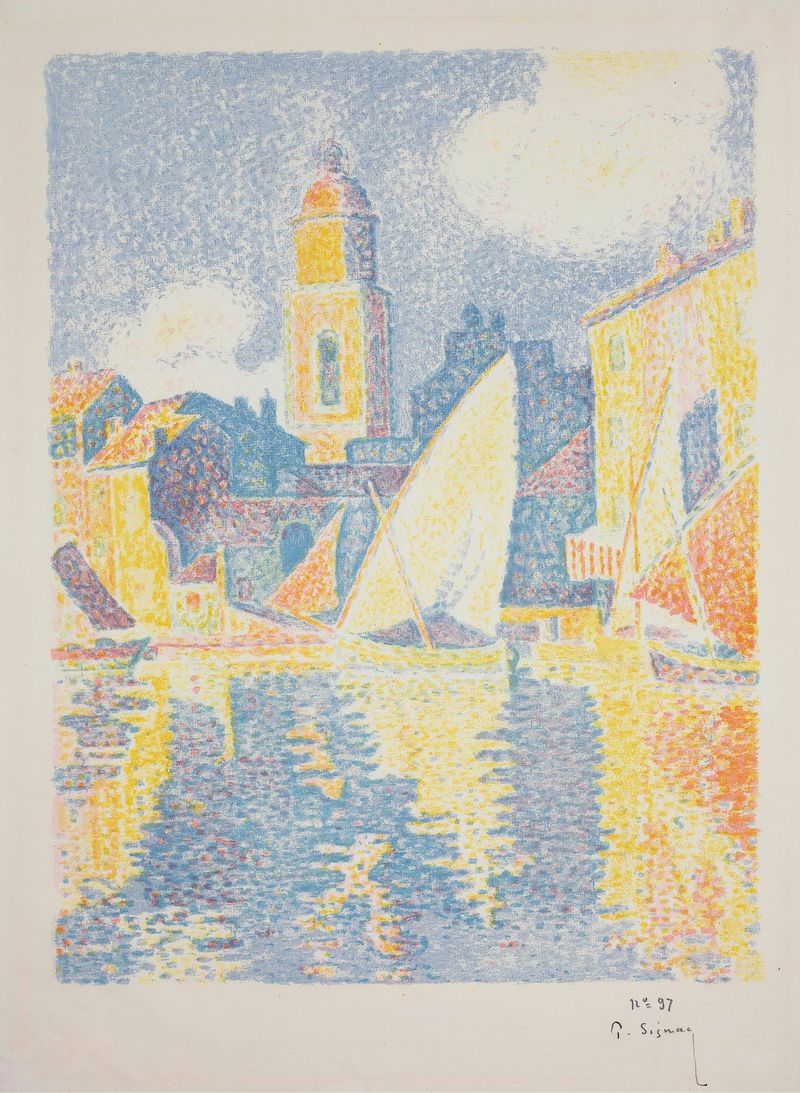
The Port of St. Tropez
Paul Signac
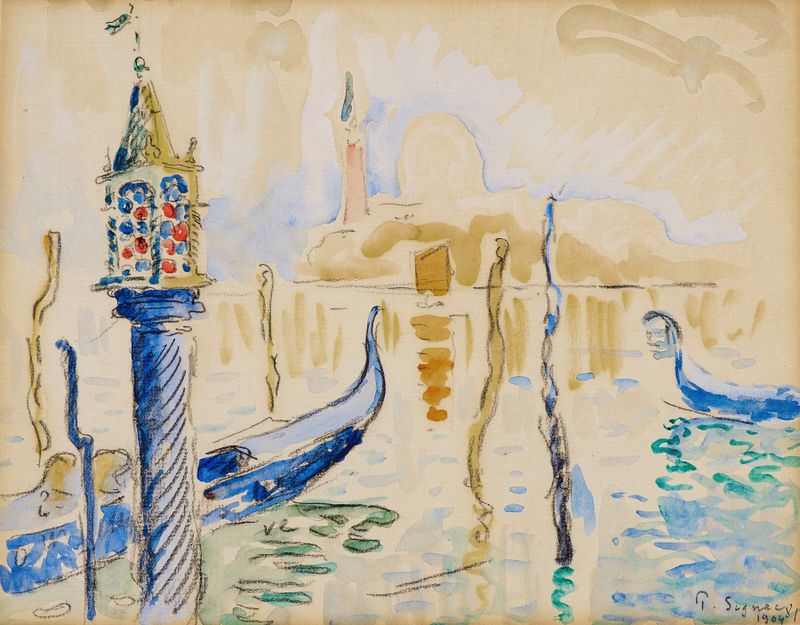
Venise, Fanal du Traghetto
Paul Signac
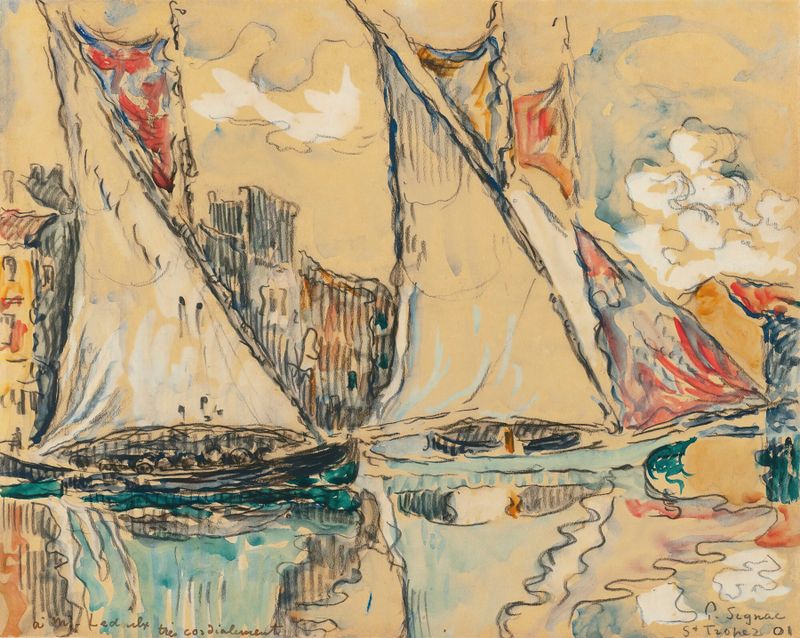
Saint-Tropez, Voiles Au Sec
Paul Signac
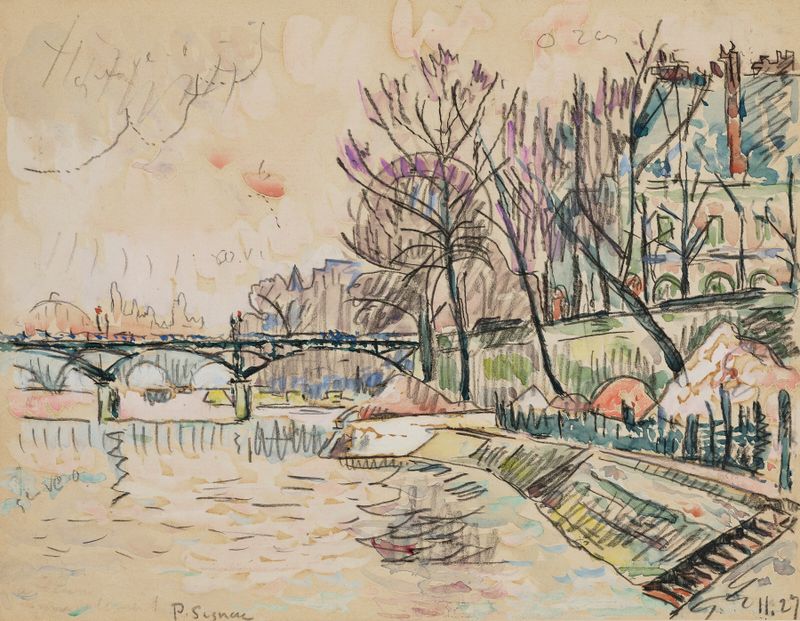
Paris, le Pont des Arts
Paul Signac
More Marine Art
Browse all →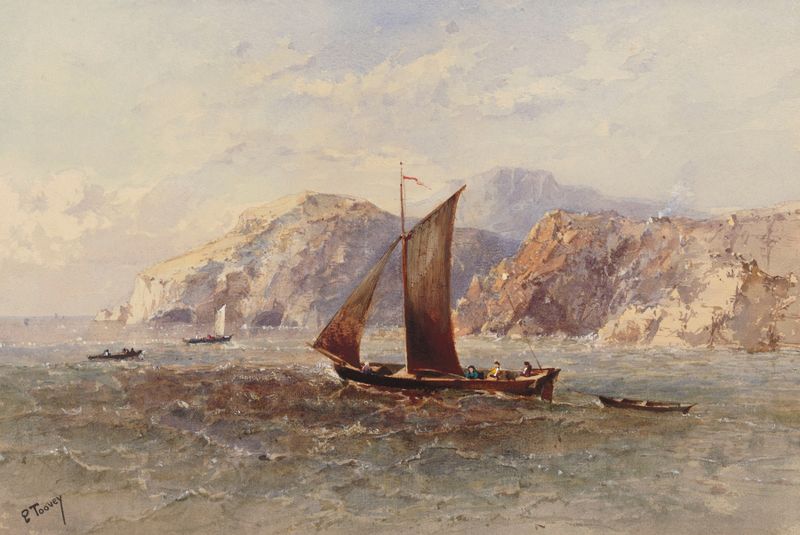
Coast of Wales
Edwin Toovey
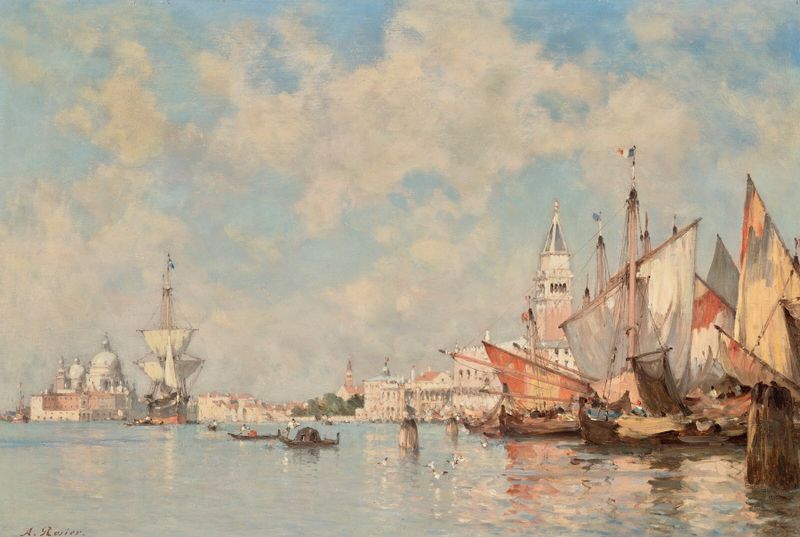
Boats in front of St. Mark’s Square, St Maria della Salute beyond
Amédée Rosier
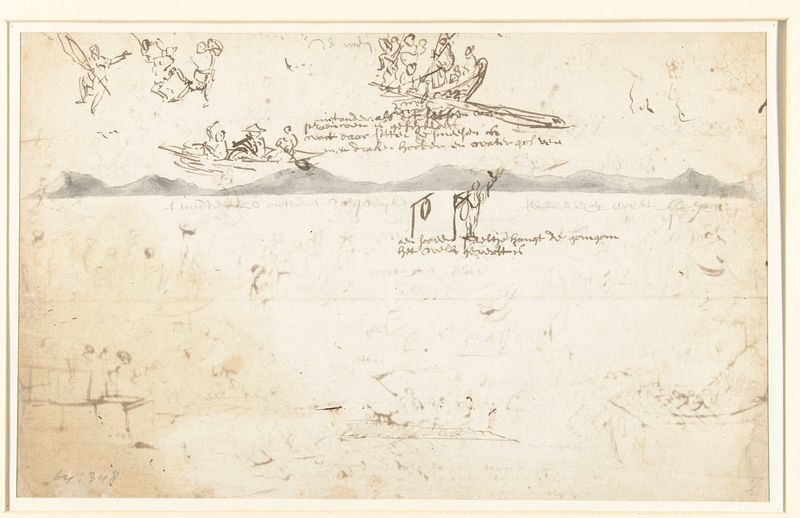
Schetsen van een landschap en figuren in boten
Wouter Schouten
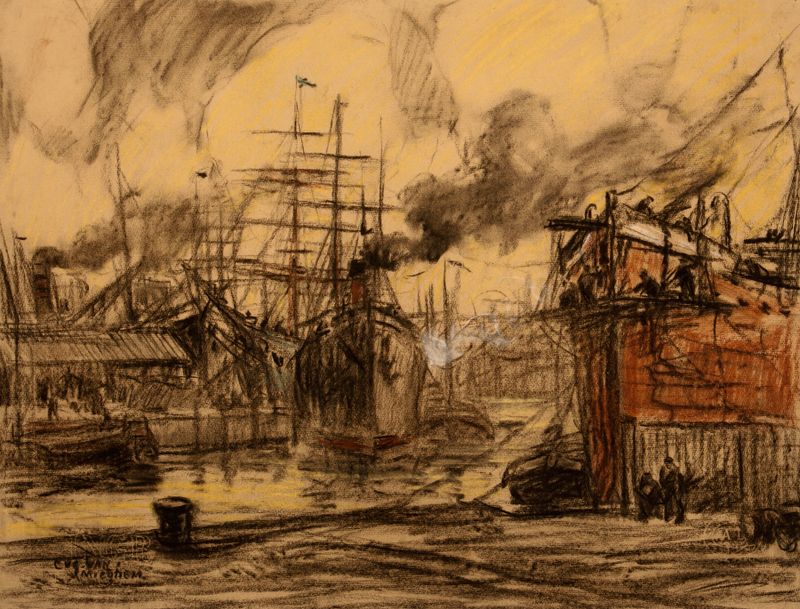
Stoomboten en driemasters in het dok
Eugeen Van Mieghem
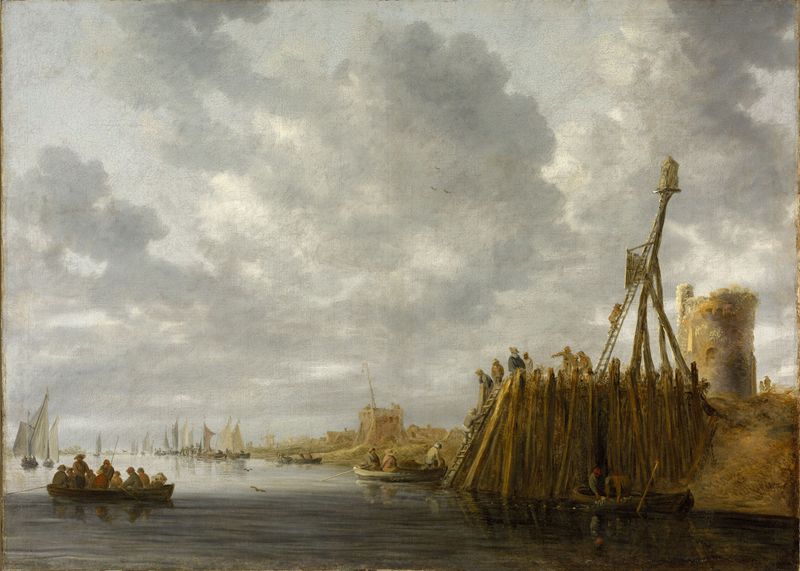
Harbor Scene with a Watchtower and Beacon
Jan van Goyen

River Boat
Charles François Daubigny