
La route — History & Facts
In the subtle intersection of light and shadow, decay becomes a profound whisper of existence, urging us to pause, reflect, and contemplate our transience. Focus on the delicate interplay of faded hues, where muted greens and soft browns blend seamlessly into one another. The winding path invites your eye to traverse its gentle curves, leading you deeper into the serene landscape. Notice how the light filters through the trees, casting a soft glow that highlights the subtle textures of the foliage and the weathered earth below.
This masterful use of color and light evokes a solemn beauty, revealing the artist's poignant commentary on the passage of time. The contrasts within the painting speak volumes: the vibrancy of life against the inevitability of decay. Each brushstroke reveals nature’s quiet resilience as it slowly overtakes remnants of man-made structures, reminding us of the relentless cycle of life and death. The empty road, though inviting, is also a path to nowhere, symbolizing both the journey we take and the impermanence of the world around us.
This tension between vitality and decay lingers in the air, urging viewers to confront their own fragility. Cazin painted this work in the late 19th century while living in the idyllic landscapes of Seine-et-Marne, a time marked by a burgeoning interest in Impressionism and a retreat from urban life. As he sought to capture the essence of nature, he was influenced by the changing artistic movements, striving to convey the emotional weight of landscape painting amidst a society increasingly focused on the mechanization of existence. In La route, he immortalizes a fleeting moment, inviting us to reflect on our own paths with an appreciation for the beauty of decay.
More Artworks by Jean Charles Cazin
Browse all →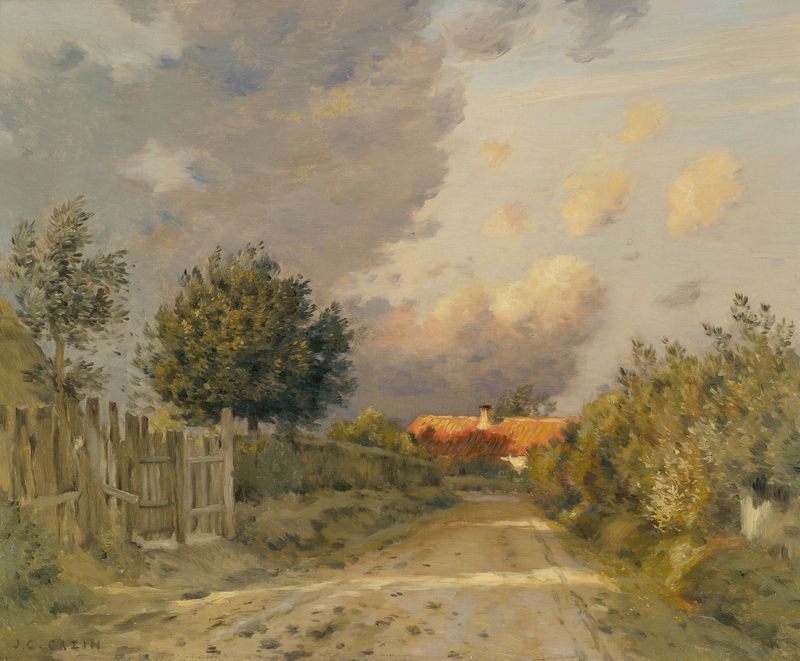
Early Evening In The French Countryside
Jean Charles Cazin
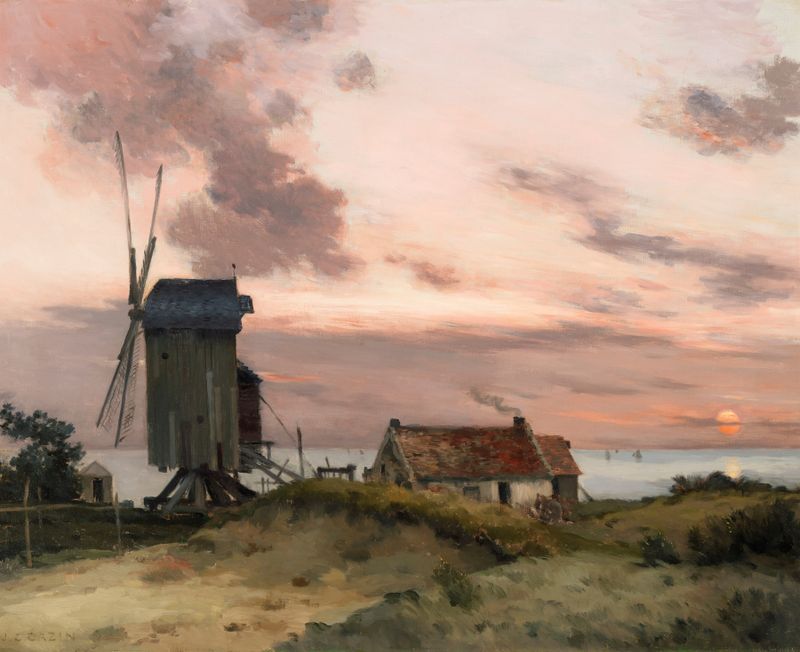
Windmill on a Beach
Jean Charles Cazin
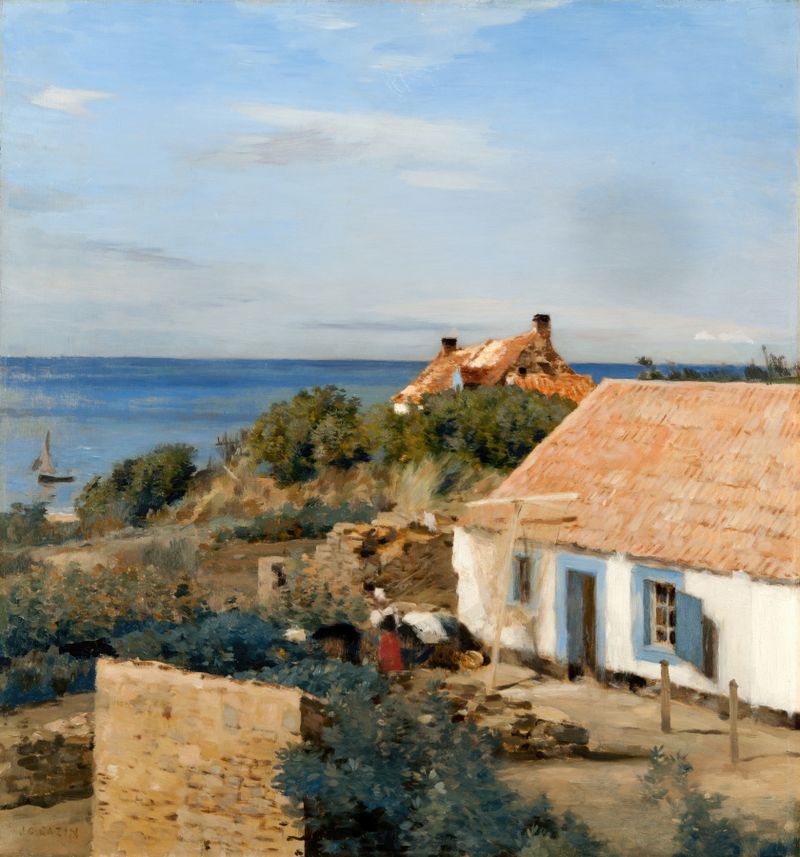
French Landscape
Jean Charles Cazin
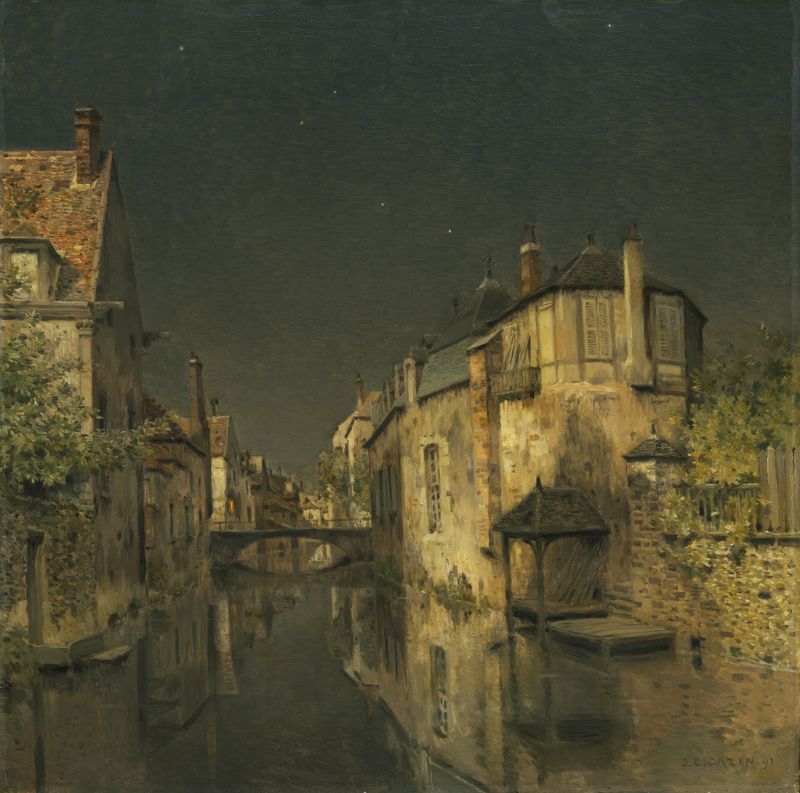
Midnight
Jean Charles Cazin

Tobias and the Angel
Jean Charles Cazin

October Day
Jean Charles Cazin

Paysage au clair de lune
Jean Charles Cazin
Rest on the Flight into Egypt
Jean Charles Cazin
Cottage in the Dunes
Jean Charles Cazin

The Boatyard
Jean Charles Cazin





