
La rue de la Fontaine-à-Mulard (place de Rungis) — History & Facts
Can beauty exist without sorrow? In La rue de la Fontaine-à-Mulard (place de Rungis), a vibrant tapestry of life unfolds, where the delicate balance between innocence and the complexities of existence is strikingly portrayed. Focus on the left side of the canvas, where radiant light spills across the cobblestones, illuminating the scene with a golden hue. The quaint street bustles with figures—some animated in conversation, others lost in thought—each rendered with an exquisite attention to detail. The warm palette of yellows and soft browns invites a sense of nostalgia, while the gentle brushstrokes flow seamlessly from one character to another, creating a harmonious rhythm that draws the viewer deeper into this Parisian moment. Yet, beneath this lively surface lies an undercurrent of tension.
The contrast between the joyful exchanges and the shadows that stretch along the edges hints at the fragility of this idyllic setting. A solitary figure, perhaps a street vendor, stands slightly apart, suggesting the isolation that often accompanies the bustle of city life. This duality—between connection and solitude—evokes a profound empathy, reminding us of the bittersweet nature of human experience. Germain Eugène Bonneton painted this piece in 1900 while living in Paris, a time marked by rapid urbanization and artistic exploration.
The city was alive with the echoes of the Belle Époque, a period characterized by innovation and cultural flourishing. Amidst this backdrop, Bonneton sought to capture the essence of everyday life, emphasizing the beauty found in the ordinary yet infusing it with a sense of longing and reflection that resonates through the ages.
More Artworks by Germain Eugène Bonneton
Browse all →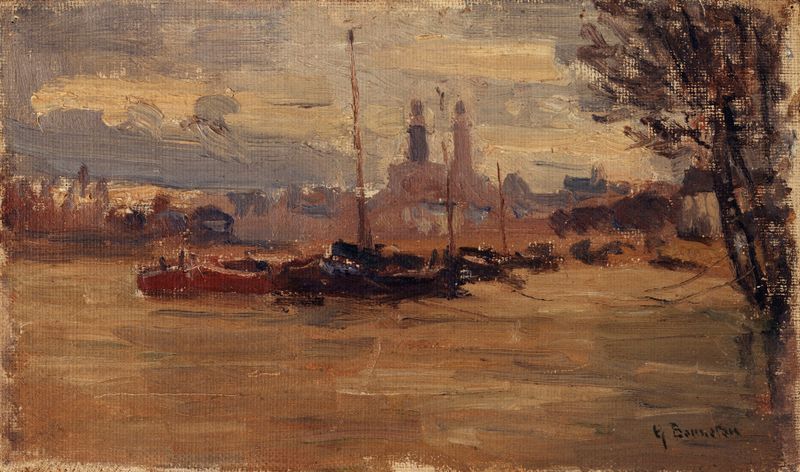
La Seine au pont des Invalides (inondations de 1910)
Germain Eugène Bonneton
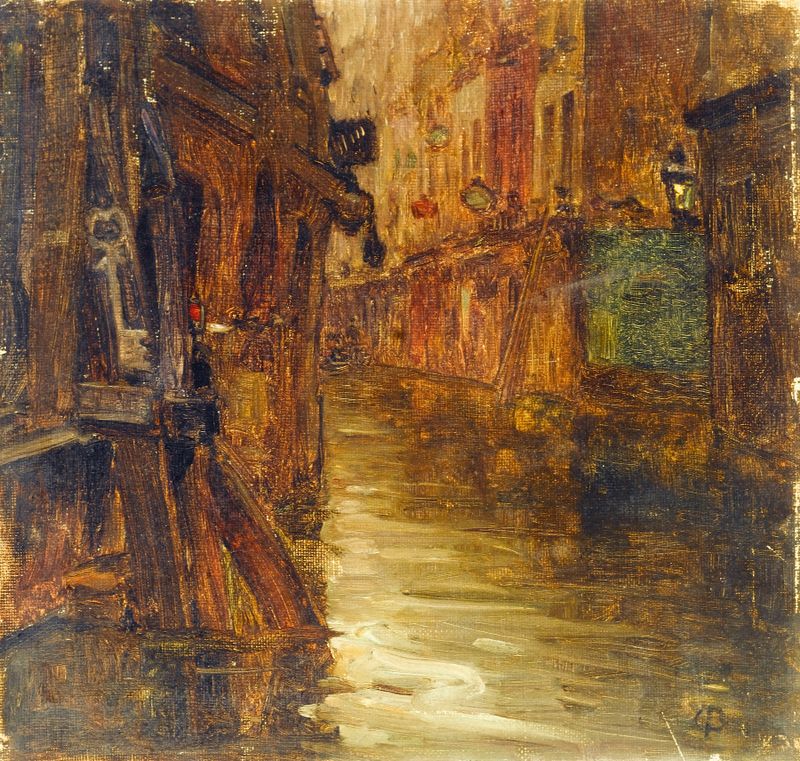
La rue de Bièvre, vue du boulevard Saint-Germain (inondations de 1910)
Germain Eugène Bonneton
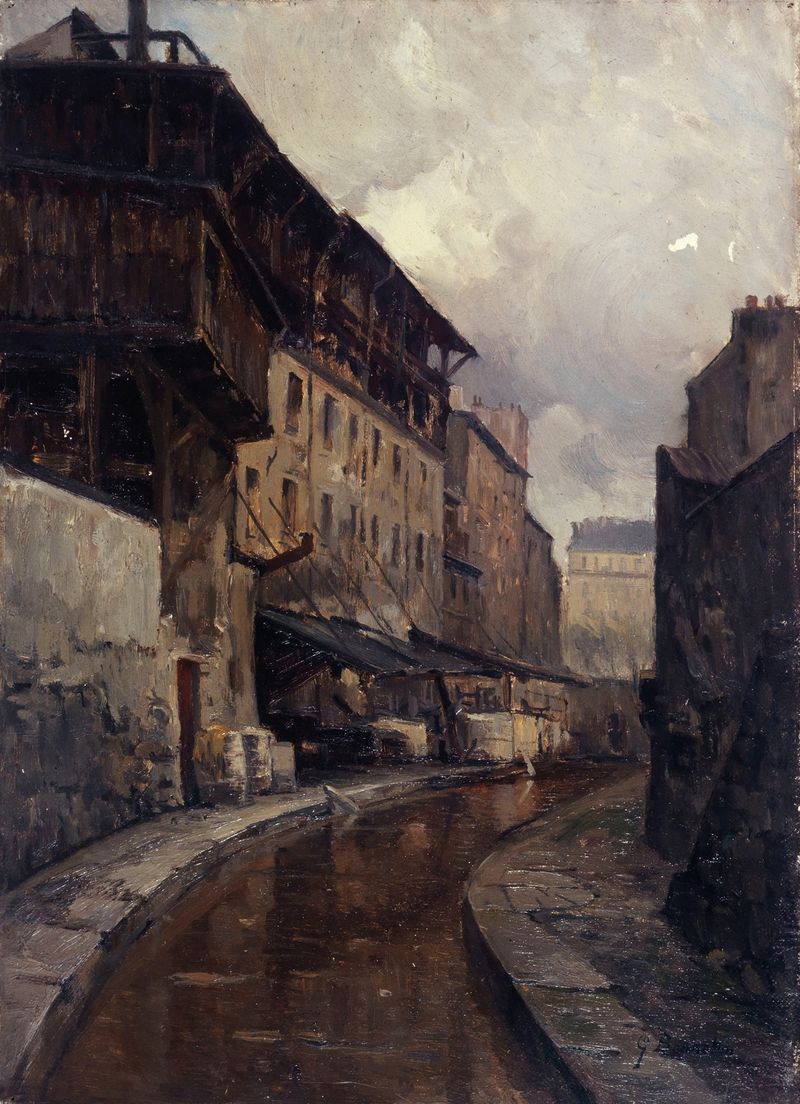
La Bièvre, rue de Valence
Germain Eugène Bonneton

La Bièvre, entre la rue Pascal et la rue Broca
Germain Eugène Bonneton

Entrée du passage Moret, rue des Cordelières
Germain Eugène Bonneton
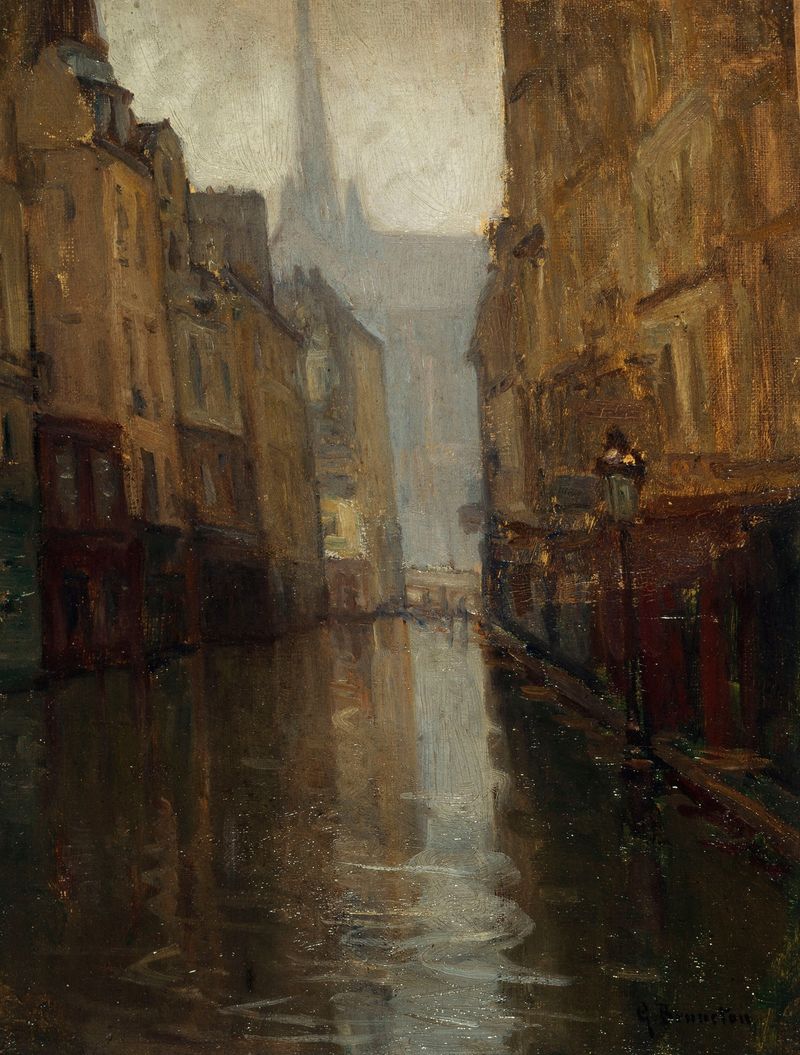
La rue du Haut-Pavé vers le quai de Montebello (inondations de 1910)
Germain Eugène Bonneton

La rue du Haut-Pavé vers la place Maubert (inondations de 1910)
Germain Eugène Bonneton
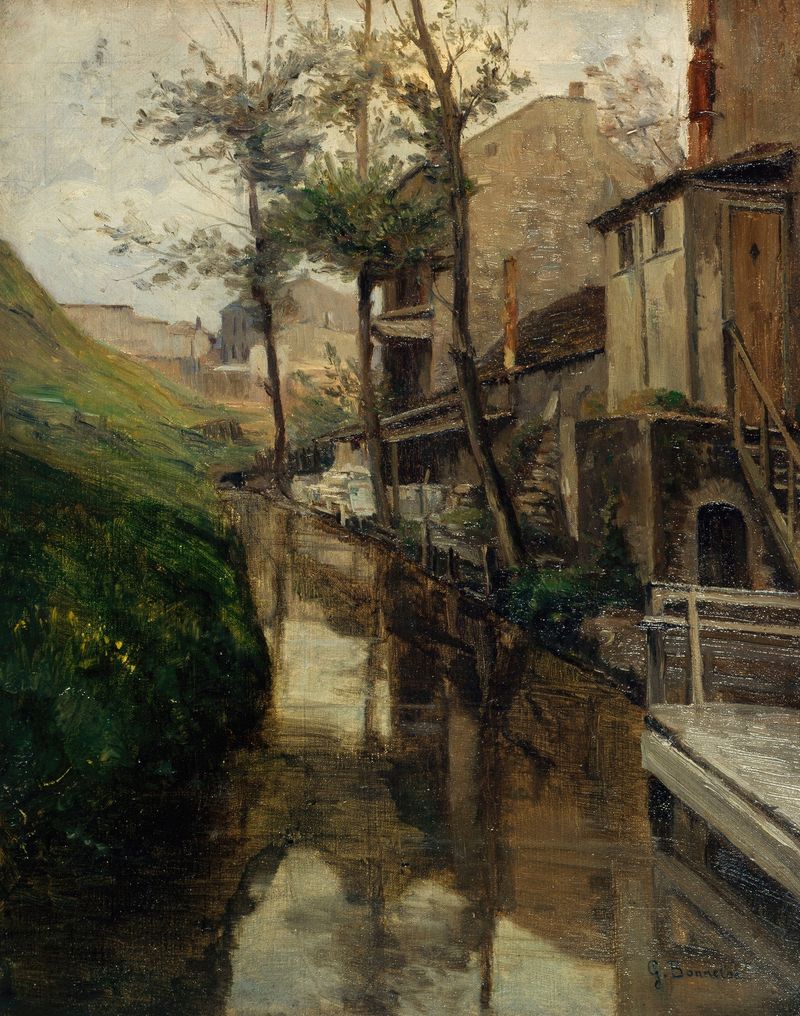
La Bièvre, rue Vulpian
Germain Eugène Bonneton
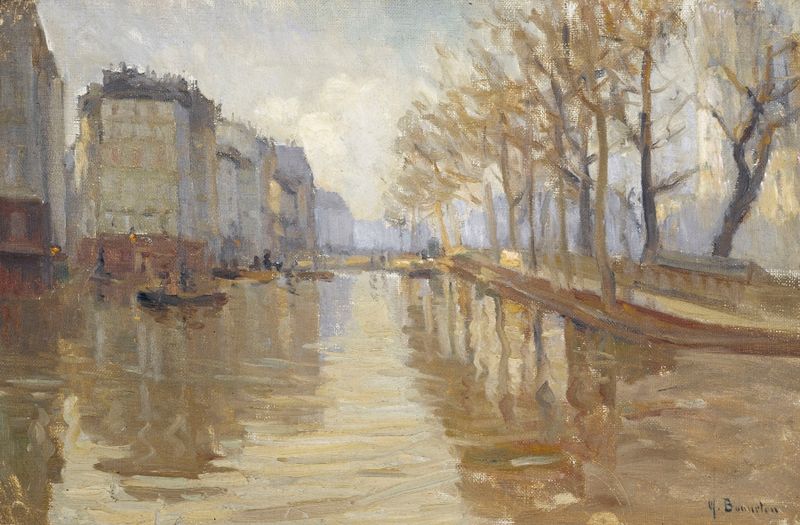
Le quai Montebello (inondations de 1910)
Germain Eugène Bonneton
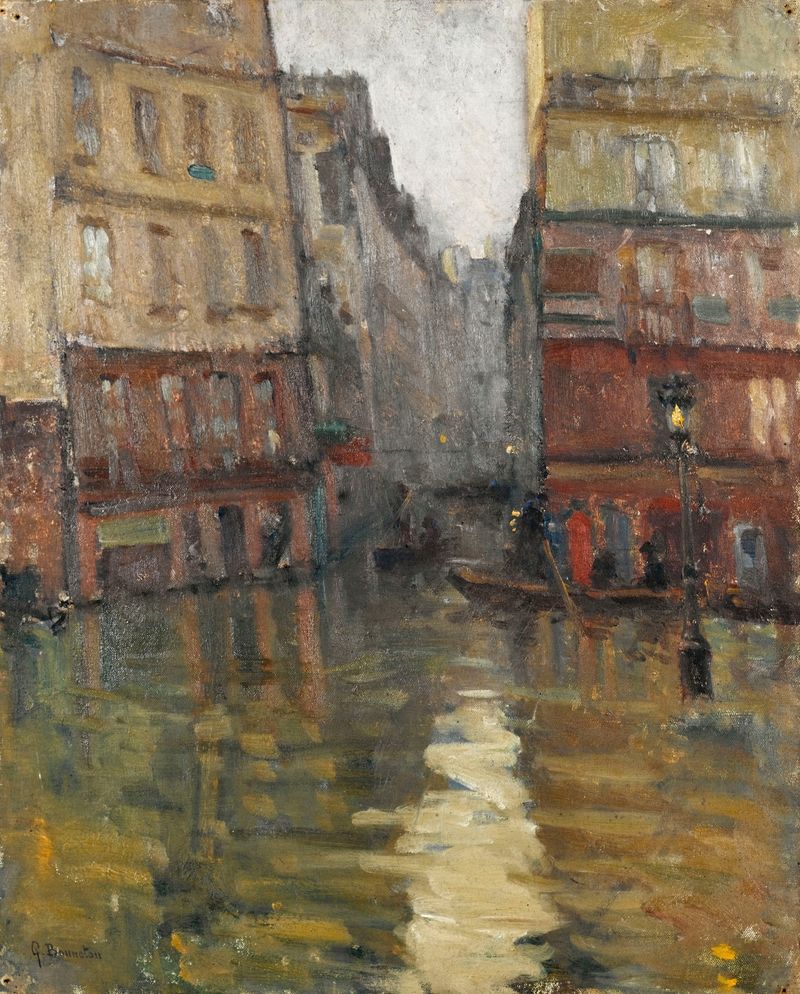
La rue Maître-Albert (inondations de 1910)
Germain Eugène Bonneton





