
La scierie de Poitiers — History & Facts
What if beauty was never meant to be finished? In La scierie de Poitiers, Armand Guillaumin invites us to dwell in a moment of raw industrial life, where nature's tranquility is overshadowed by the relentless march of human endeavor. Look to the foreground where the sawmill looms, its structure a jarring contrast against the whisper of surrounding trees. Notice how a diffused light bathes the scene, illuminating the sawdust that dances in the air like fleeting ghosts of the forest once vibrantly alive. The hues of ochre and green speak of both life and decay, while the brushstrokes imbue a sense of motion, suggesting that the very act of cutting through timber resonates with betrayal against the natural world. As you gaze deeper, ponder the emotional tension between the mechanical and the organic; the mill’s imposing presence feels like a comment on the relentless exploitation of resources.
The figures toiling beneath the machinery seem almost swallowed by it, their labor giving way to an uncomfortable urgency. This evokes a sense of melancholy, as the vibrancy of a landscape yields to the harsh reality of industry—a bittersweet reminder of what is sacrificed for progress. Guillaumin painted this work in 1910 while living in France, a time when the Impressionist movement was evolving into Post-Impressionism. He was inspired by the interplay of light and color in everyday life, but as industry swelled during the early 20th century, his art began to reflect the complexities of modernity.
In La scierie de Poitiers, we witness not only a moment captured but also a poignant critique of a transforming world, both beautiful and haunting.
More Artworks by Armand Guillaumin
Browse all →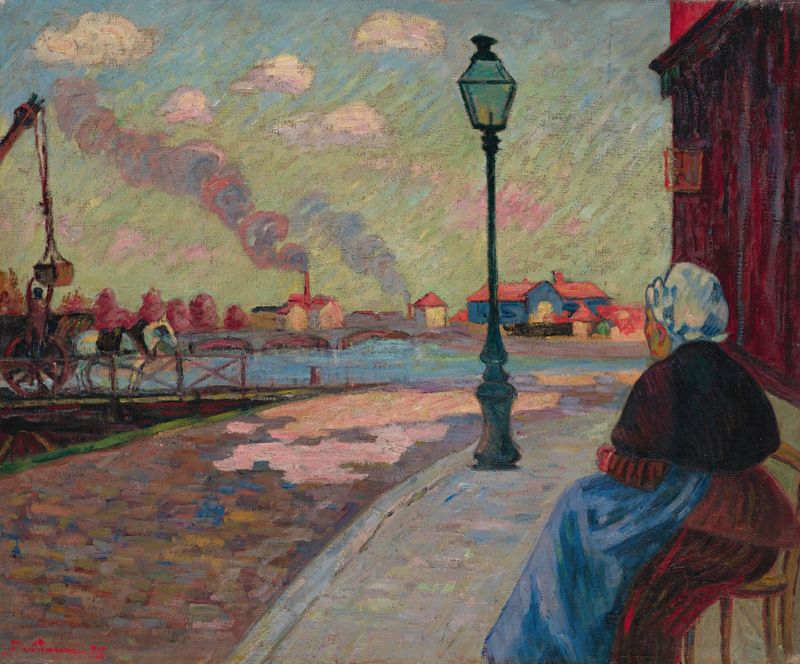
La Seine À Charenton
Armand Guillaumin
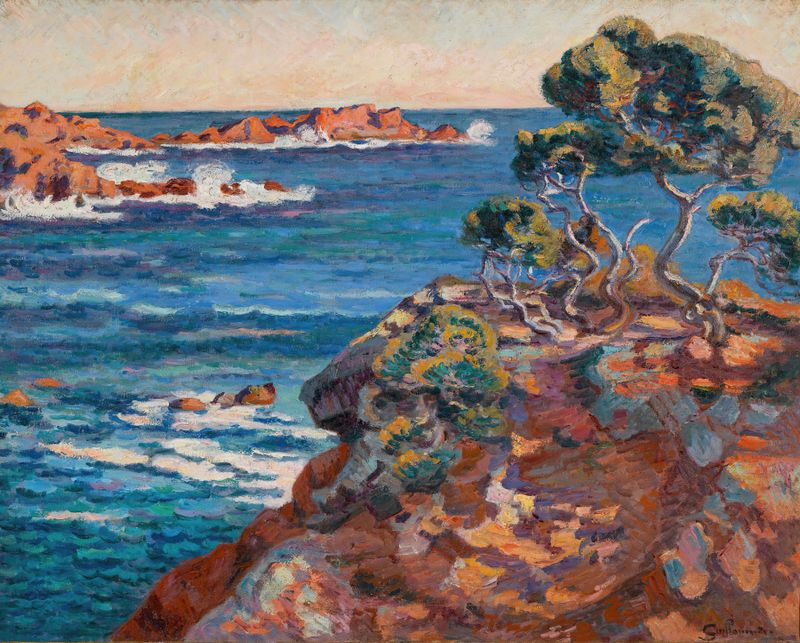
Bord De Mer À Agay
Armand Guillaumin
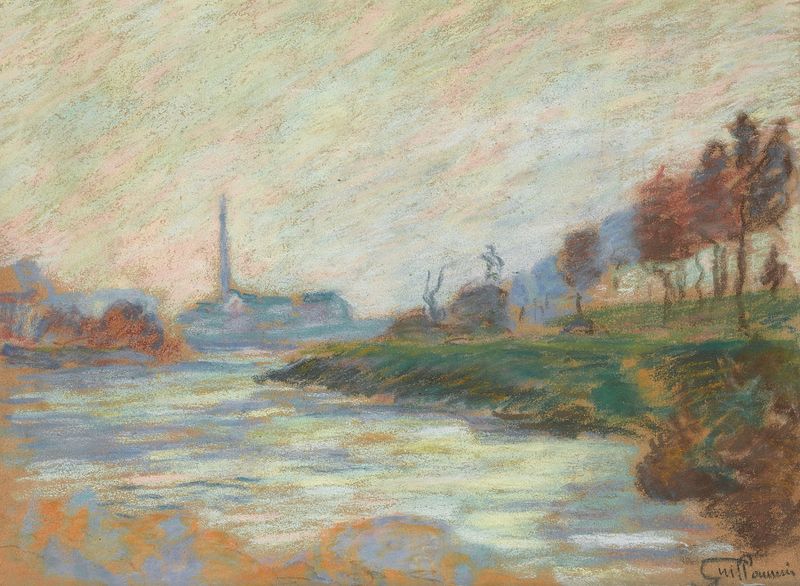
Confluent De La Marne Et De La Seine, Île De La France
Armand Guillaumin

Le Ravin de la folie, vue de Chateau Crozant
Armand Guillaumin
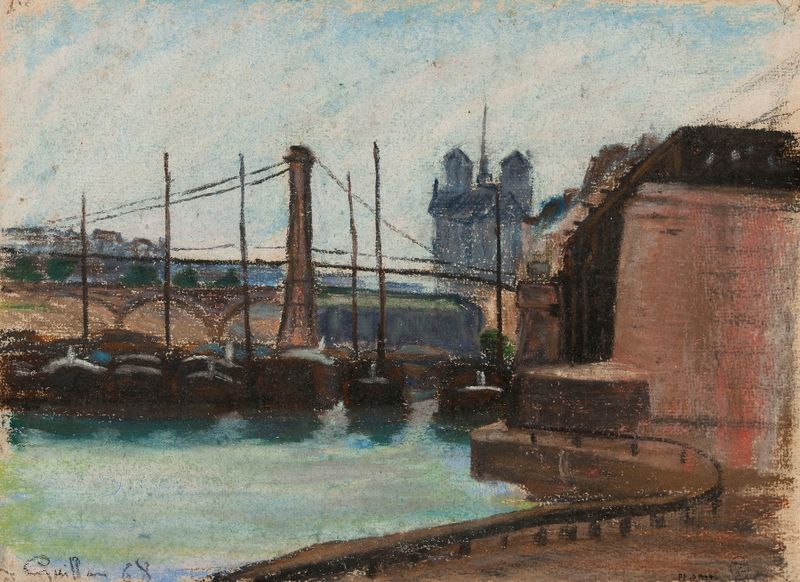
Le Pont d’Austerlitz
Armand Guillaumin

Paysage de Printemps
Armand Guillaumin
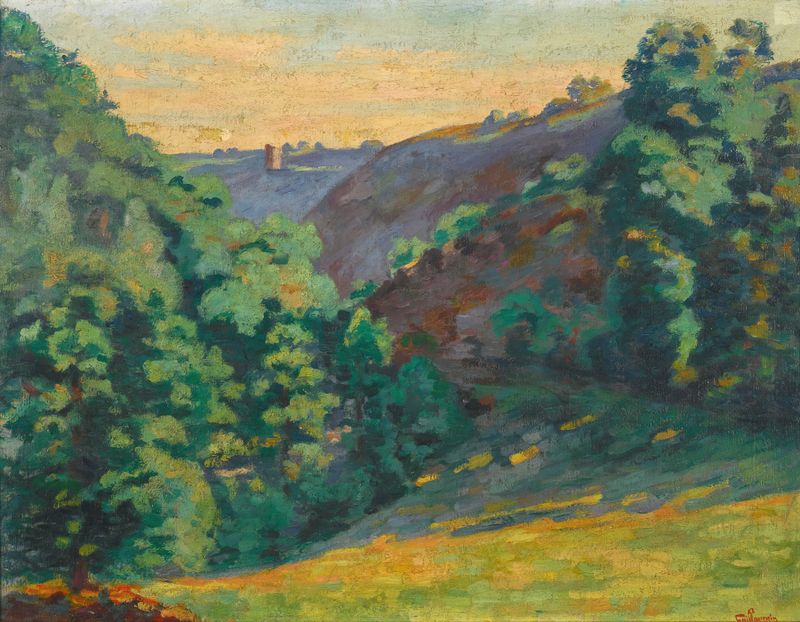
Crozant, Le Ravin De La Sedelle À La Folie
Armand Guillaumin
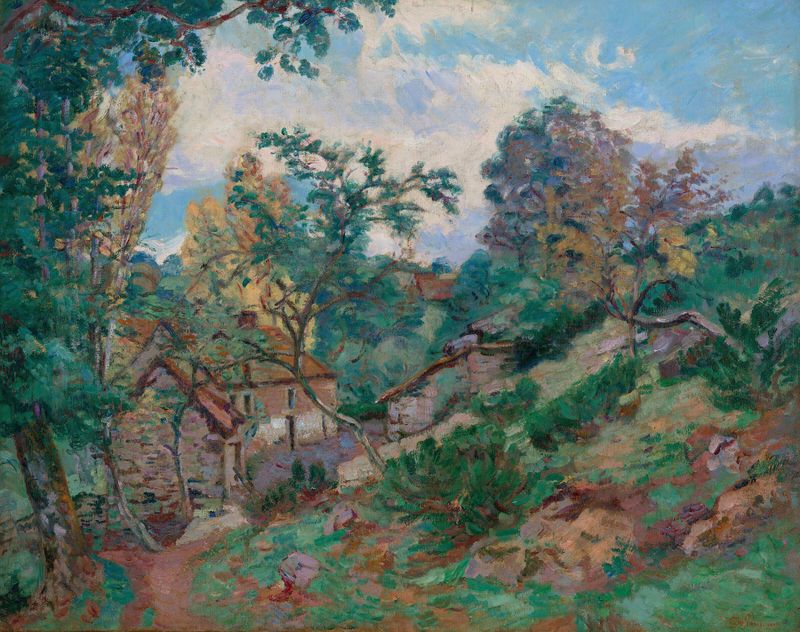
Paysage
Armand Guillaumin

La vallée de la creuse
Armand Guillaumin

L’Eglise Saint-Sulpice, Paris
Armand Guillaumin





