
La Seine, au port Saint-Nicolas — History & Facts
In the gentle embrace of the twilight, serenity unfolds, a tranquil state of being captured through color and brushwork that invites reflection. The stillness within a scene can speak volumes, revealing the essence of peace that eludes us in the chaos of modern life. Look to the left, where the muted hues of the water blend seamlessly with the soft pastels of the sky. Notice how the ripples in the Seine's surface catch the fading light, creating a shimmering path that leads the eye deeper into the composition.
The boats, anchored along the bank, are bathed in a warm glow, their silhouettes softened by the encroaching dusk. Bonneton’s masterful use of color evokes not only the beauty of the landscape but also a profound sense of calm, as if time itself has paused. Delve deeper into the painting’s quiet contrasts; the stillness of the water juxtaposed with the lively outlines of the boats creates a dialogue between inertia and motion. The crisp lines of the vessels stand in stark relief to the surrounding softness of the environment, suggesting a fleeting moment of tranquility amidst the currents of life.
Each brushstroke resonates with a sense of belonging, an invitation to linger in this serene moment where the ordinary becomes sublime. In 1900, Bonneton painted La Seine, au port Saint-Nicolas during a period marked by a burgeoning interest in Impressionism, which celebrated the beauty of everyday scenes. Living in France, he was influenced by the changes in society—an era of innovation, yet one that still embraced the leisurely pace of life along the riverside. This work reflects not only his artistic vision but also an evolving world, encapsulating a moment of peace in the midst of transformation.
More Artworks by Germain Eugène Bonneton
Browse all →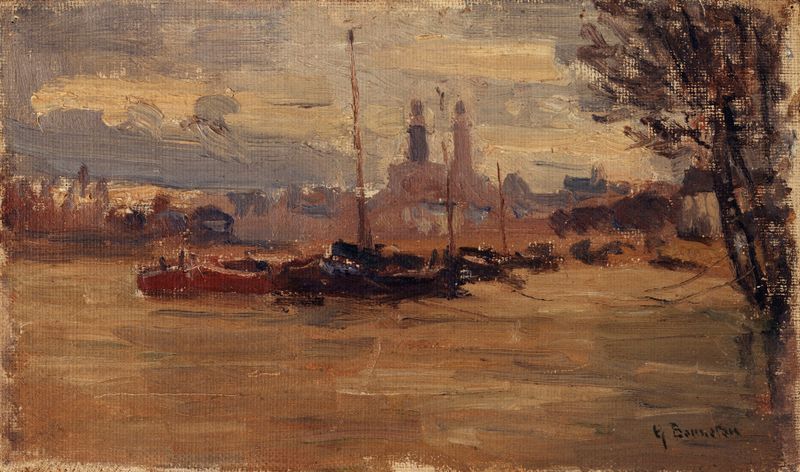
La Seine au pont des Invalides (inondations de 1910)
Germain Eugène Bonneton
La rue de Bièvre, vue du boulevard Saint-Germain (inondations de 1910)
Germain Eugène Bonneton
La Bièvre, rue de Valence
Germain Eugène Bonneton

La Bièvre, entre la rue Pascal et la rue Broca
Germain Eugène Bonneton

Entrée du passage Moret, rue des Cordelières
Germain Eugène Bonneton
La rue du Haut-Pavé vers le quai de Montebello (inondations de 1910)
Germain Eugène Bonneton

La rue du Haut-Pavé vers la place Maubert (inondations de 1910)
Germain Eugène Bonneton
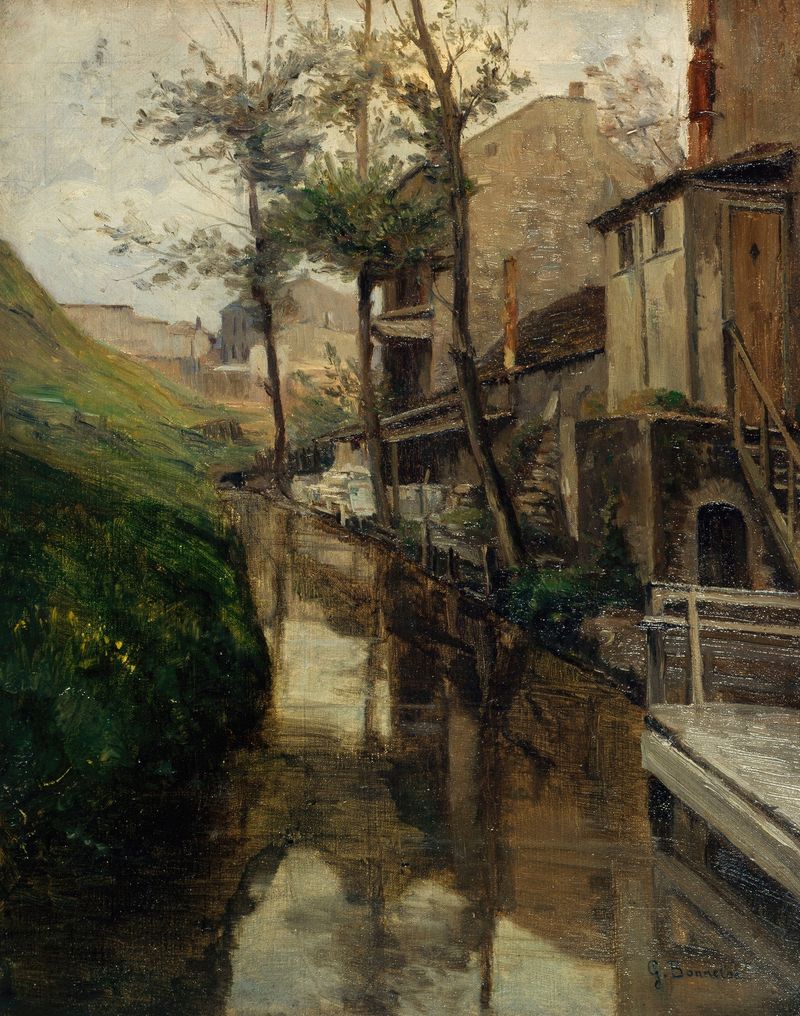
La Bièvre, rue Vulpian
Germain Eugène Bonneton
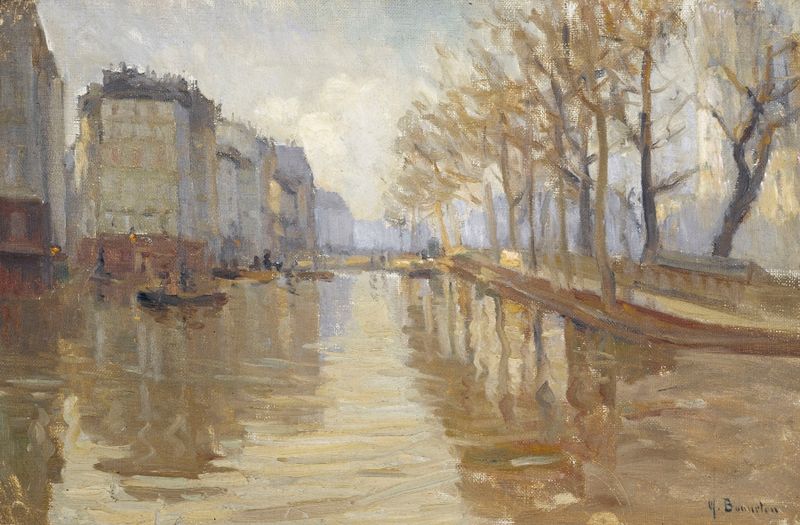
Le quai Montebello (inondations de 1910)
Germain Eugène Bonneton
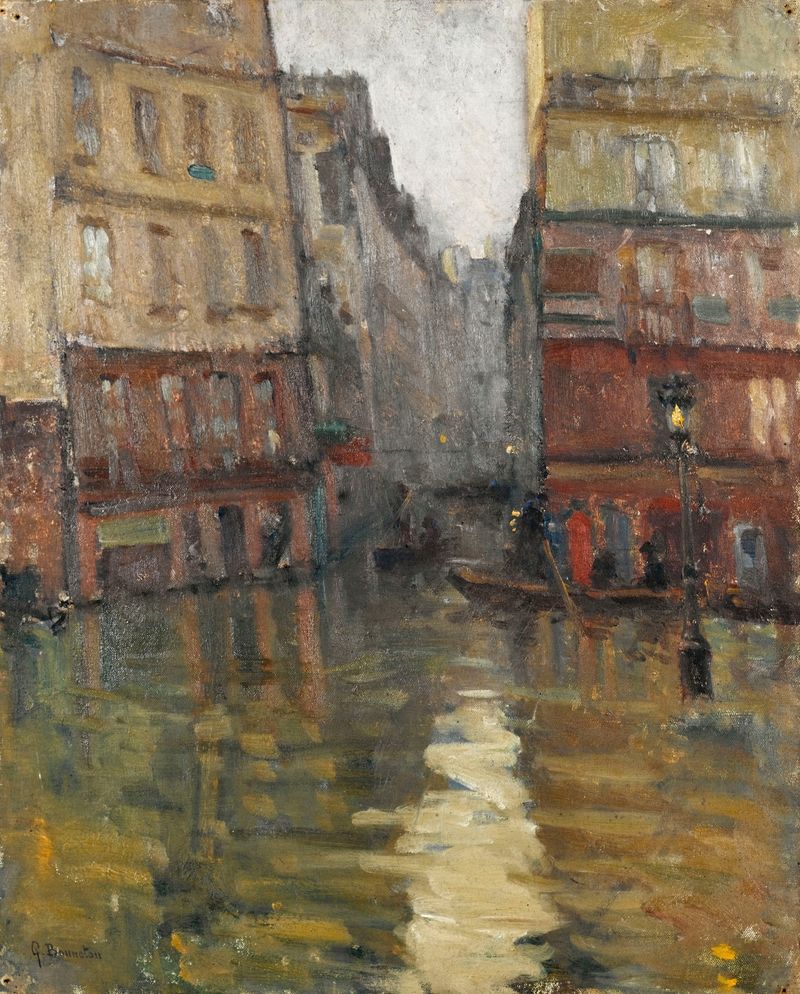
La rue Maître-Albert (inondations de 1910)
Germain Eugène Bonneton





