
La Source — History & Facts
In La Source, the weight of transcendence rests upon the viewer, inviting a reflection on the quiet power of nature and existence itself. This moment captured seems to whisper truths that go beyond the visible, urging us to listen closely to the echoes of life that ripple through stillness. Look to the foreground, where the gentle flow of water spills from a rocky outcrop, its clarity beckoning the eye with a radiant luminosity. Notice how the vibrant greens of lush foliage cradle the scene, allowing soft light to filter through and dance upon the surface of the stream.
The careful brushwork creates a harmonious blend of textures, evoking a sense of peace that invites the viewer to immerse themselves in the tranquility of the natural world. Beneath this serene portrayal lies a deeper narrative of contrasts. The interplay of light and shadow suggests the duality of existence—between the sacred and the mundane, joy and sorrow. The sparkling water, symbolizing purity and renewal, stands in stark contrast to the rugged terrain, encapsulating the notion of seeking beauty amidst hardship.
The figures rendered in the background, though subtly depicted, add an element of connection, hinting at the intertwining of human lives with the elemental forces of nature. During this period, François-Auguste Ravier painted La Source, likely in the mid-to-late 19th century, as he sought to capture the essence of the natural landscape around him in France. At this time, the art world was embracing Romanticism, emphasizing emotion, nature, and beauty. Ravier, influenced by the harmony of his surroundings, aimed to bridge the gap between man and the sublime, reflecting a growing desire for transcendence in an ever-evolving world.
More Artworks by François-Auguste Ravier
Browse all →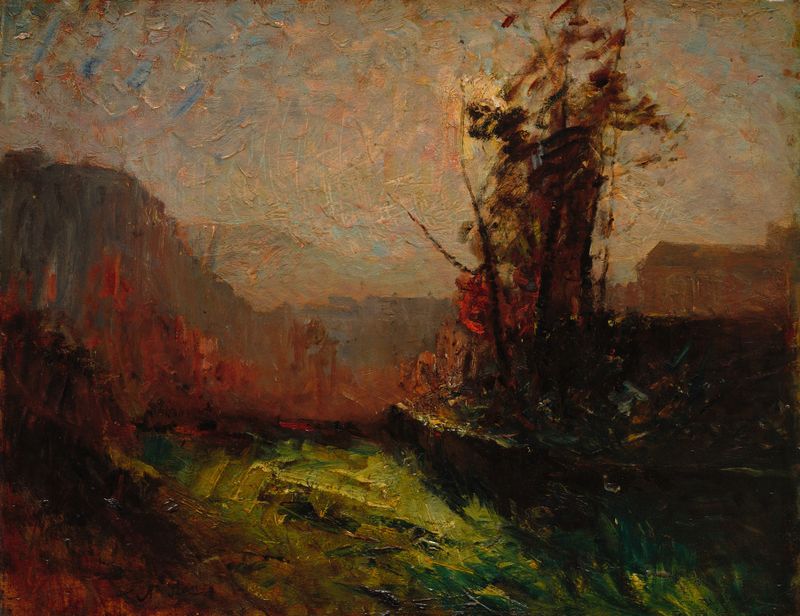
Crémieu, Seen from Chaillonnette
François-Auguste Ravier
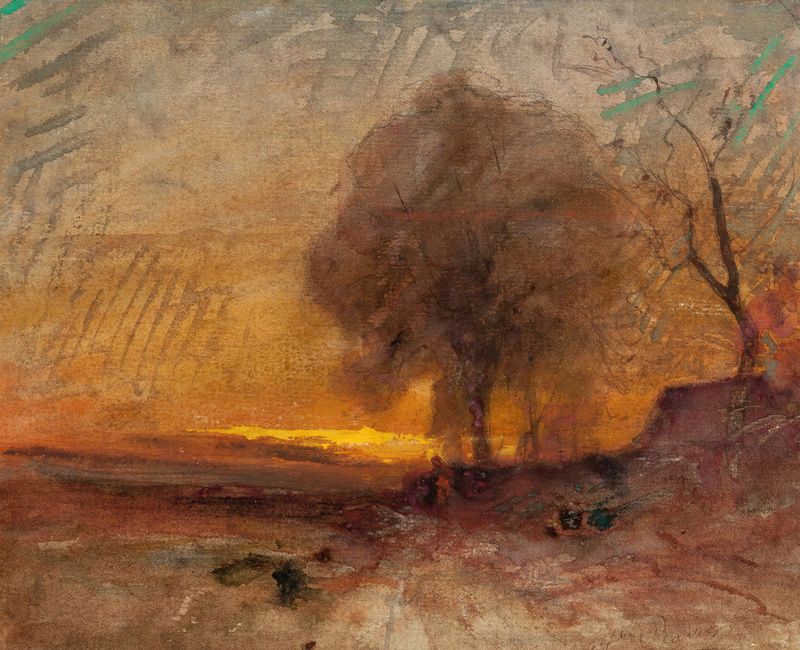
Landscape at Dusk
François-Auguste Ravier

Étude de paysage
François-Auguste Ravier
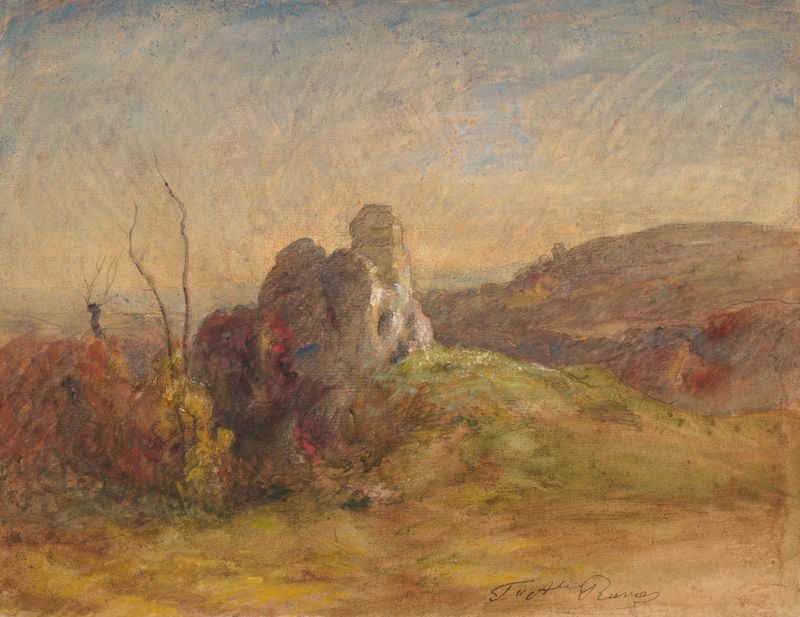
Landscape
François-Auguste Ravier
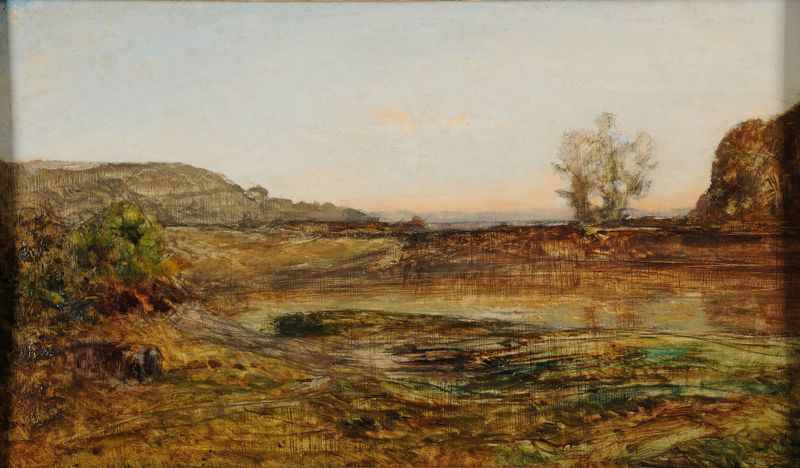
L’Étang d’Optevoz
François-Auguste Ravier
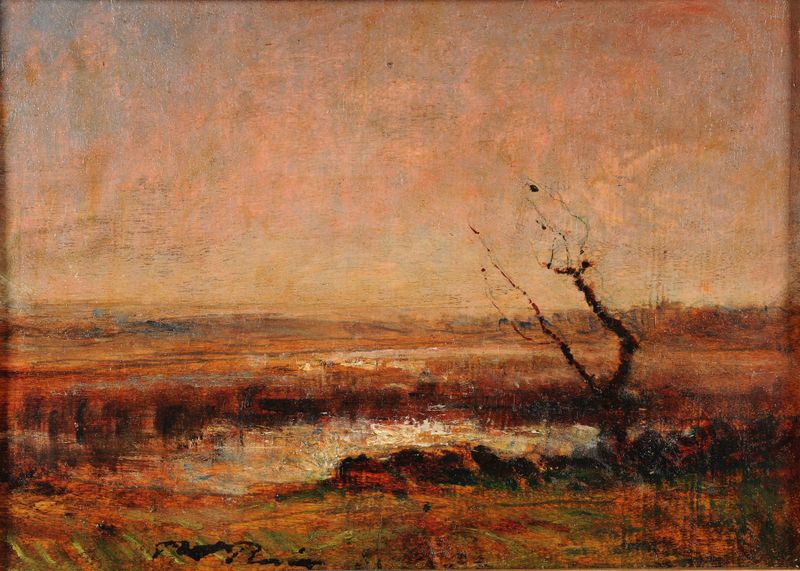
Étude de paysage
François-Auguste Ravier

Approaching Morestal
François-Auguste Ravier

Allée des Tilleuls à Crémieu
François-Auguste Ravier
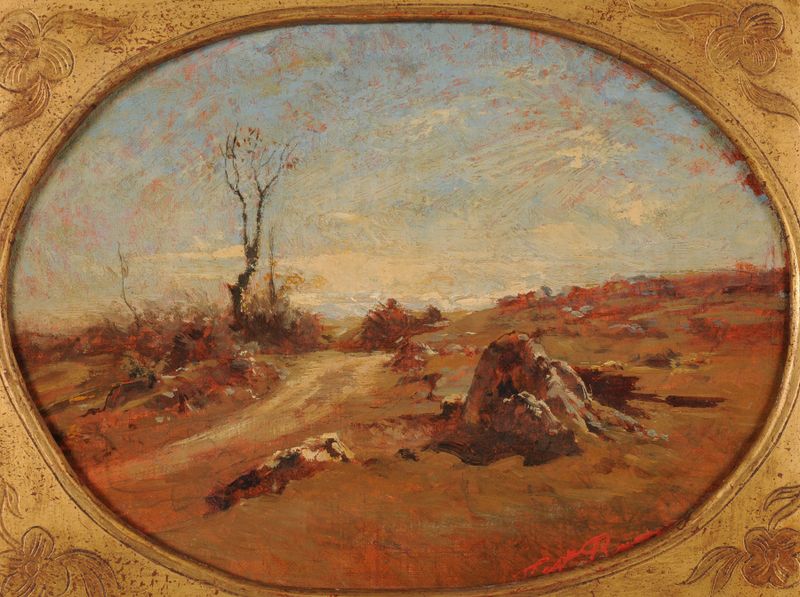
Automne. L’arbre
François-Auguste Ravier

Sunset over a Pond
François-Auguste Ravier





