
La Vierge à l’agneau — History & Facts
In La Vierge à l’agneau, we see the Virgin Mary depicted with a gentle expression, cradling a lamb in her arms. The colors are soft and warm, with a palette dominated by light blues, whites, and pastel tones. The setting is serene, emphasizing the purity and innocence of the figures.
Bouguereau's attention to detail brings the textures of Mary's clothing and the lamb's fur to life. The painting is executed in oil on canvas, showcasing Bouguereau's skill in rendering realistic human figures and textures. The composition is balanced, with the Virgin positioned centrally, drawing the viewer's eye. The use of light highlights Mary's face and the lamb, creating a focal point that enhances the emotional impact.
Bouguereau's technique allows for a smooth blending of colors, contributing to the overall harmony of the piece. William Bouguereau was a prominent French painter known for his academic style and focus on realism. La Vierge à l’agneau reflects his deep religious sentiments and his ability to portray divine subjects with tenderness. An interesting fact about this work is that it was created during a time when Bouguereau was at the height of his career, solidifying his reputation as a leading artist of the 19th century.
More Artworks by William Bouguereau

A Study For The Secret
William Bouguereau
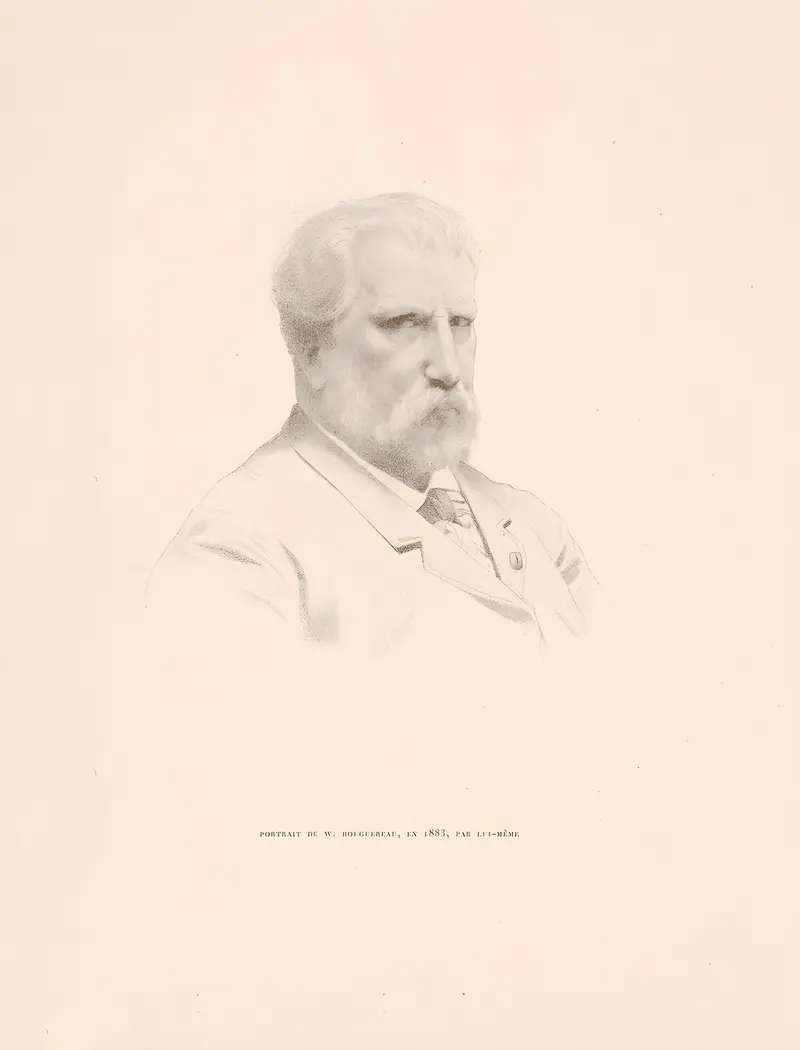
Portrait de W. Bouguereau, en l899
William Bouguereau
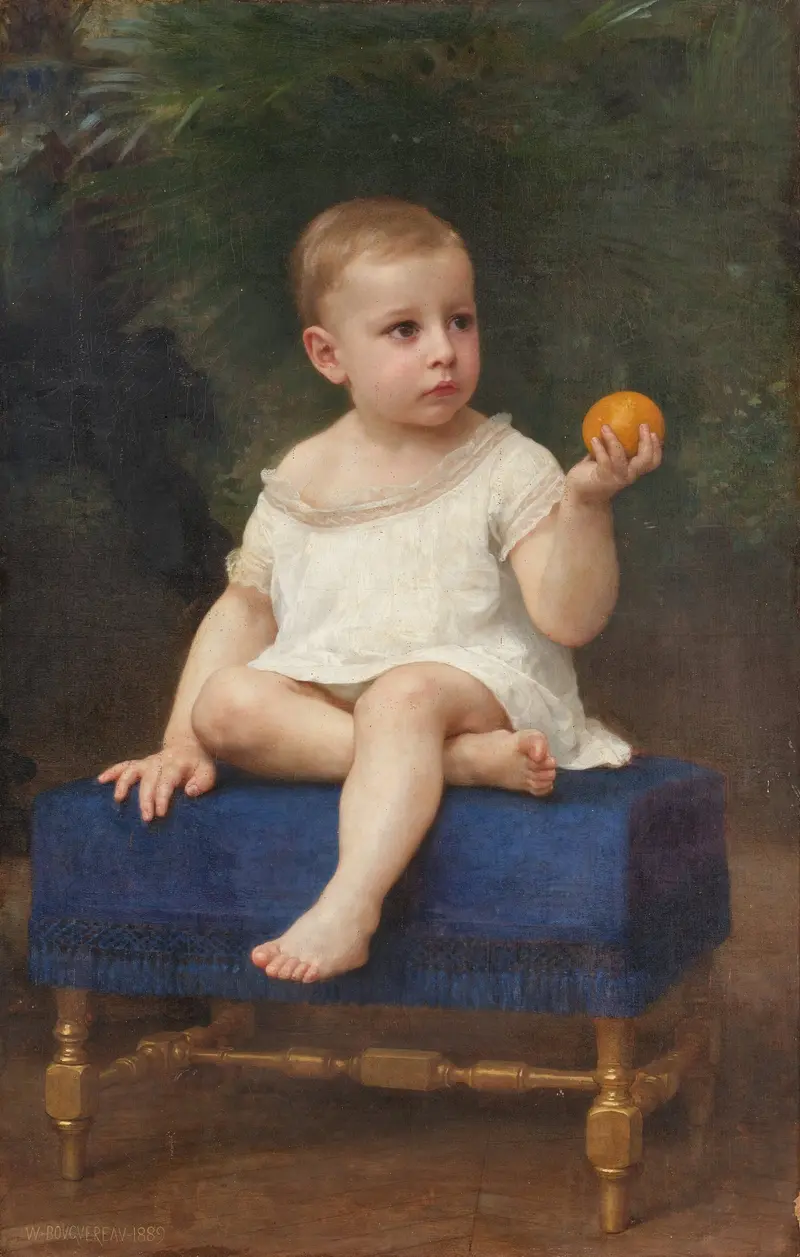
Portrait of a Child of Madame Porter
William Bouguereau
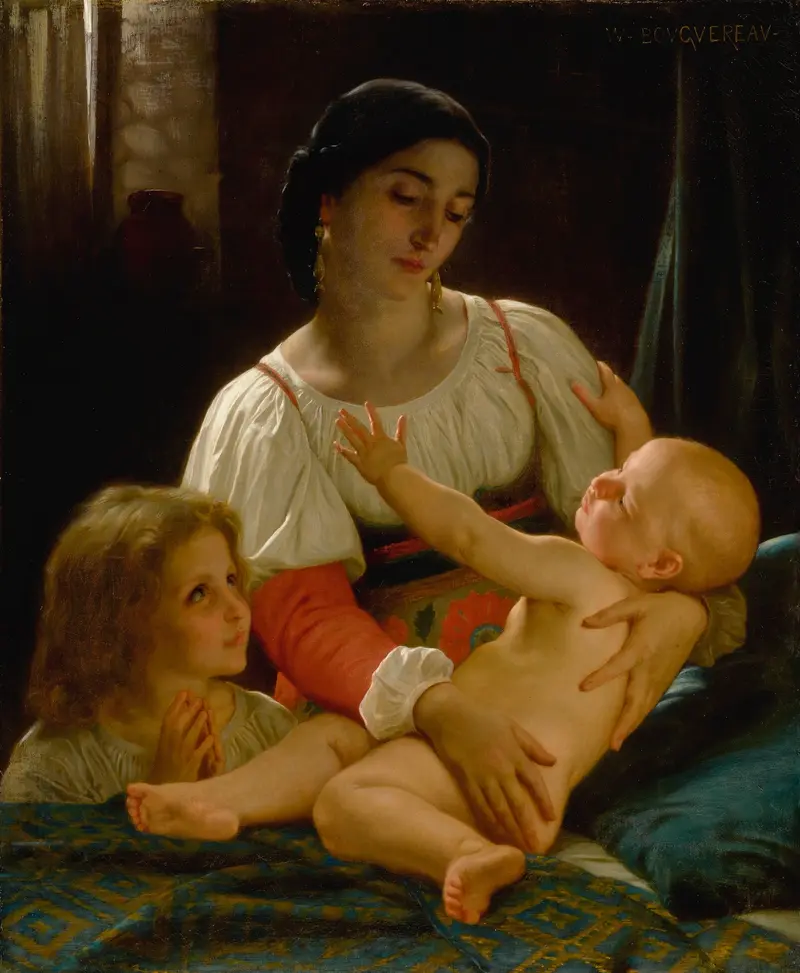
Le Réveil
William Bouguereau
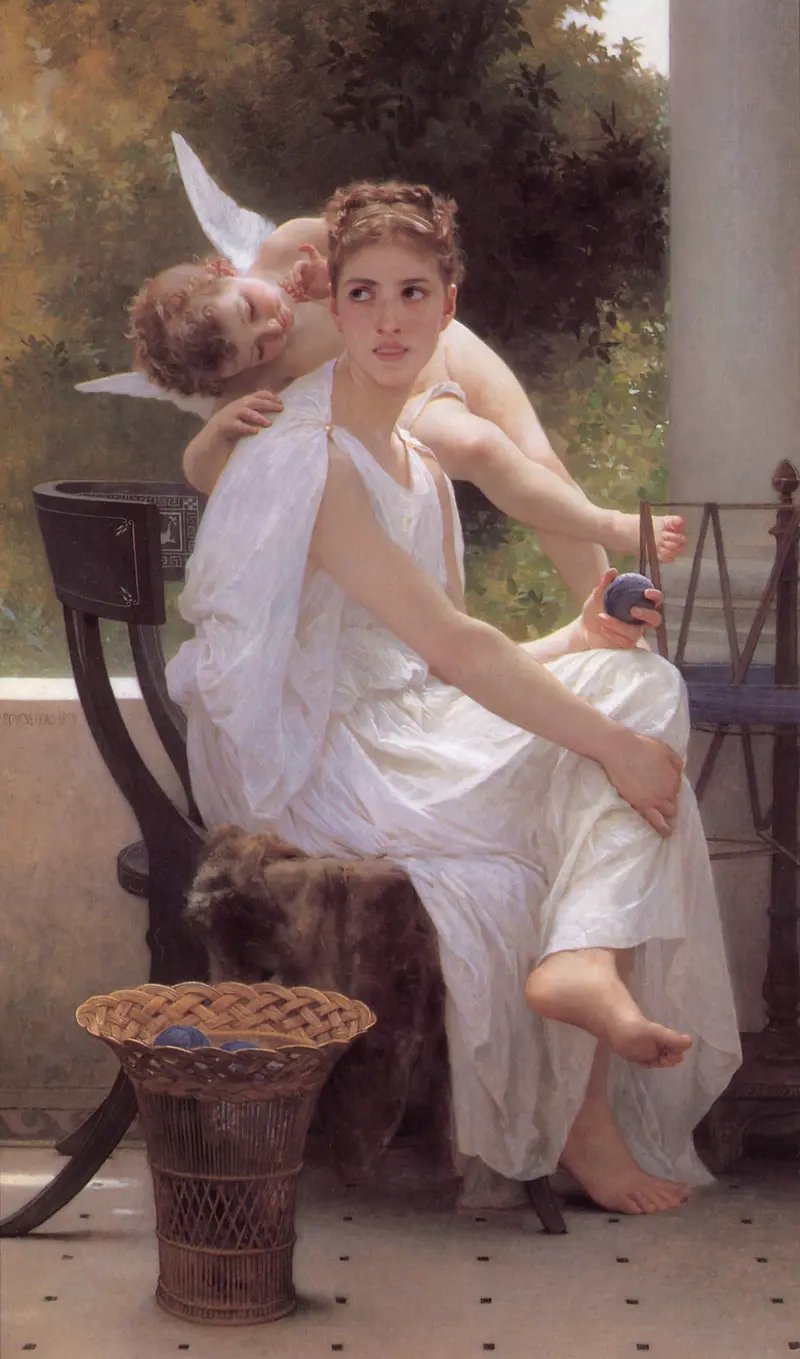
Le travail interrompu
William Bouguereau
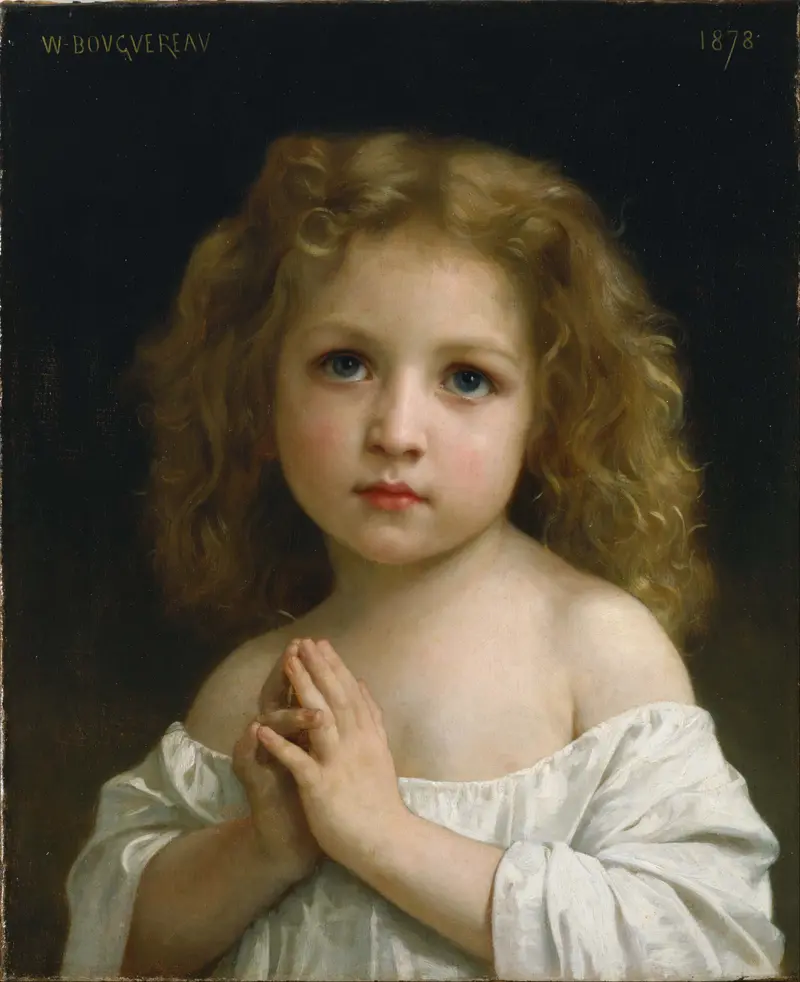
Little Girl
William Bouguereau
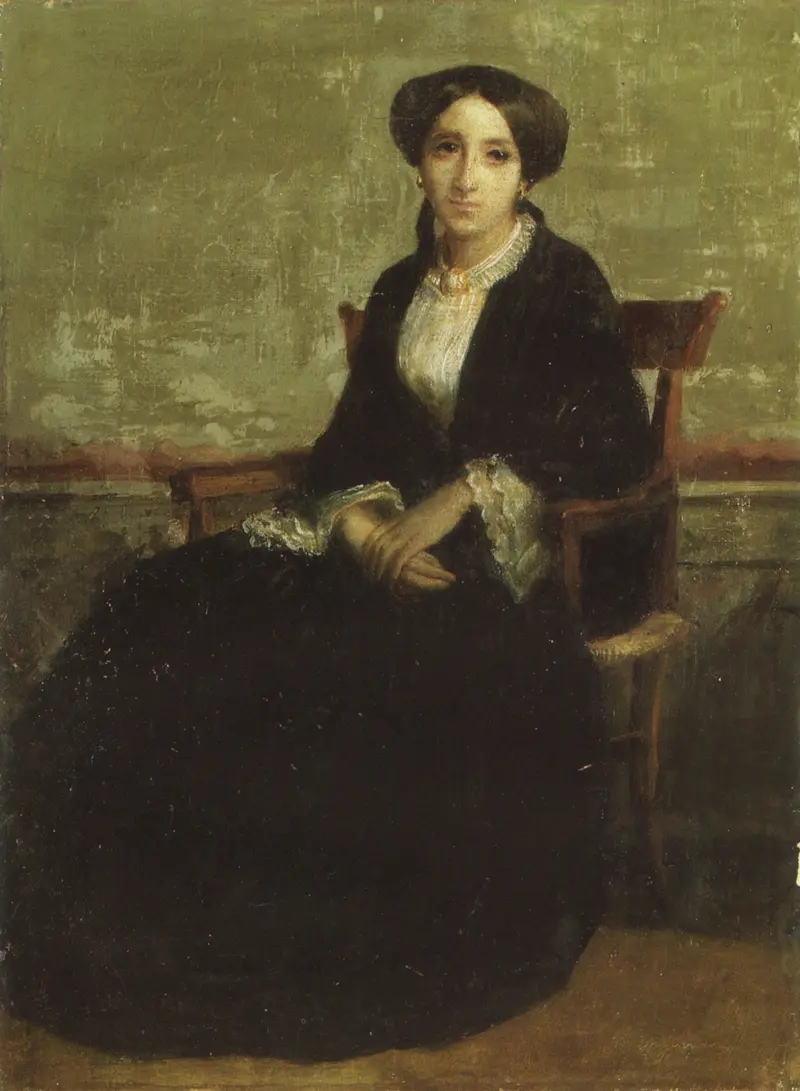
Portrait of Céline Geneviève
William Bouguereau

Bohémienne Au Tambour De Basque
William Bouguereau
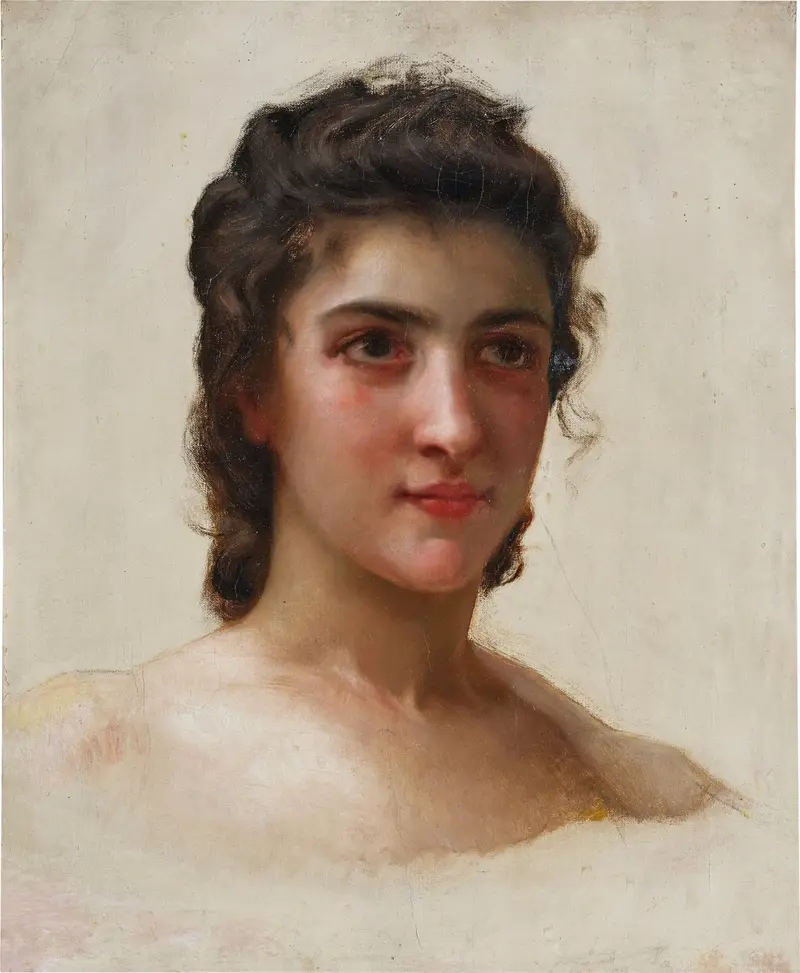
Portrait Study of Gabrielle Drunzer
William Bouguereau
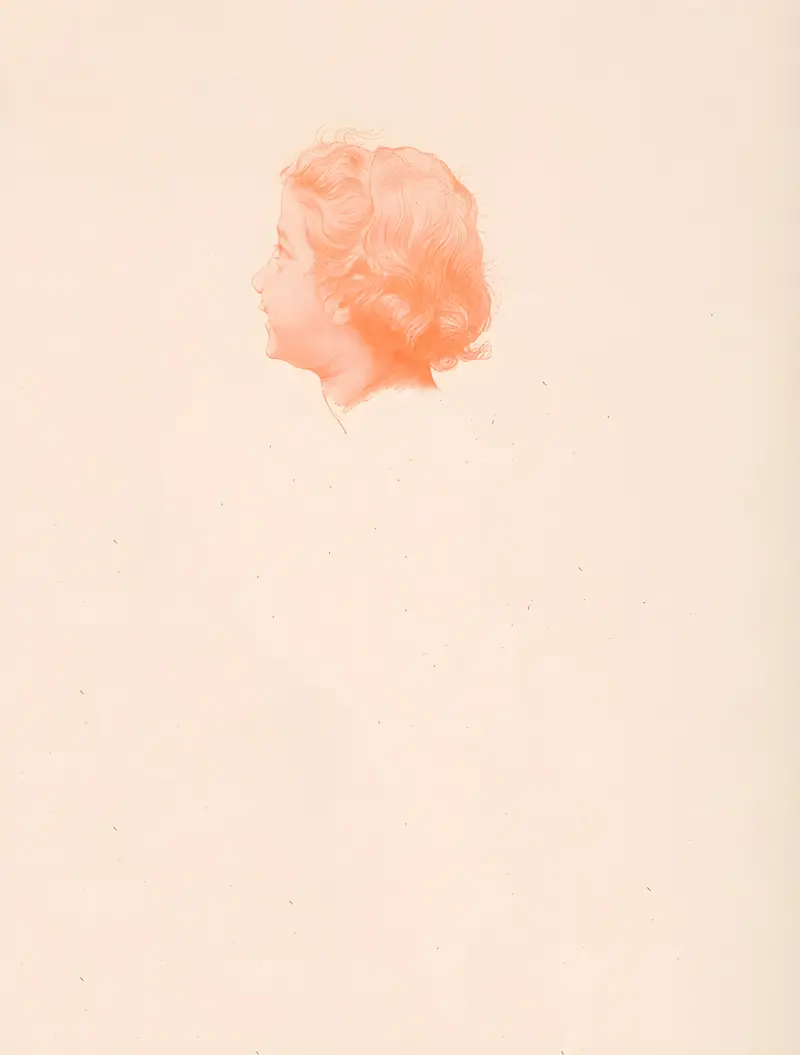
Tête d’enfant
William Bouguereau





