
Labastide-Du-Vert — History & Facts
What if silence could speak through light? In Labastide-Du-Vert, the essence of tranquility and rebirth whispers through Henri Martin's exquisite brushwork, inviting viewers into a world where nature breathes life anew. Look to the foreground, where the vibrant greens of the landscape burst forth in a luscious display. Notice how the light falls upon the textured strokes of paint, illuminating the rolling hills and the quaint village nestled within. The composition leads the eye upward, through the gradients of blue skies, capturing the ephemeral dance of clouds.
Each hue, from the sunlit yellows to the serene blues, encapsulates the harmony of a moment suspended in time, evoking a sense of peacefulness and renewal. As you delve deeper, consider the juxtaposition of the lively flora against the calm sky, symbolizing the delicate balance between chaos and order. The interplay of light and shadow suggests a transient moment, where day breaks into dusk, heralding new beginnings. The dot technique creates a rhythmic vibrancy, emphasizing the heartbeat of this serene village, while the distant mountains stand as timeless witnesses to the cycles of life. Henri Martin painted Labastide-Du-Vert in 1920 while living in the South of France, amid the post-World War I recovery and a surge of artistic experimentation.
This period marked a transition for many artists, including Martin, who embraced the pointillist style that enhanced the emotional depth in landscapes. The painting reflects a turning point, both in Martin's life and in the broader context of art, as the world sought solace in nature’s vibrant embrace.
More Artworks by Henri Martin
Browse all →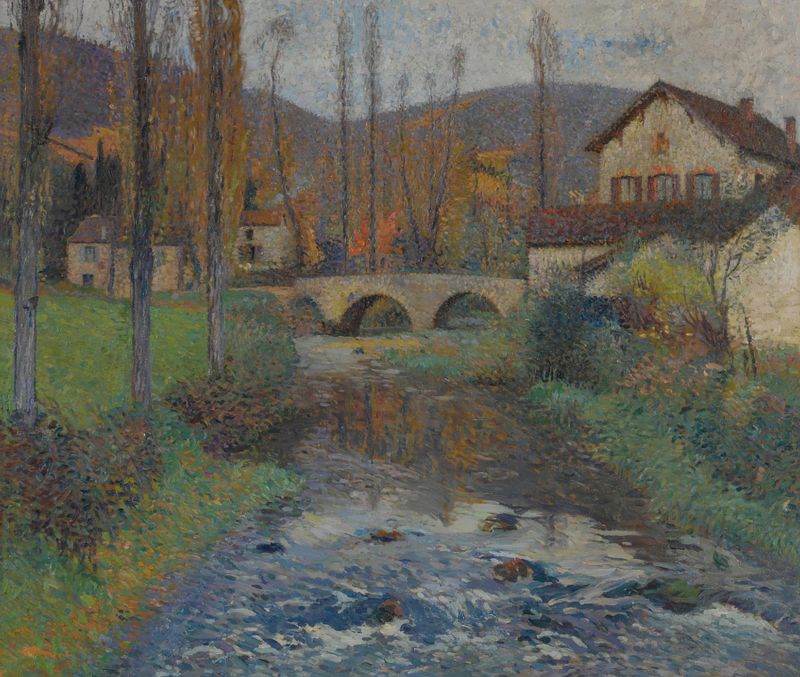
Le Pont du Labastide-du-Vert
Henri Martin

Le Pont de Labastide du Vert
Henri Martin

La Vallée Du Lot, Près De Saint-Cirq Lapopie
Henri Martin

Derniers Rayons, Une Ferme Dans Le Lot
Henri Martin

Vue de Labastide-du-Vert
Henri Martin
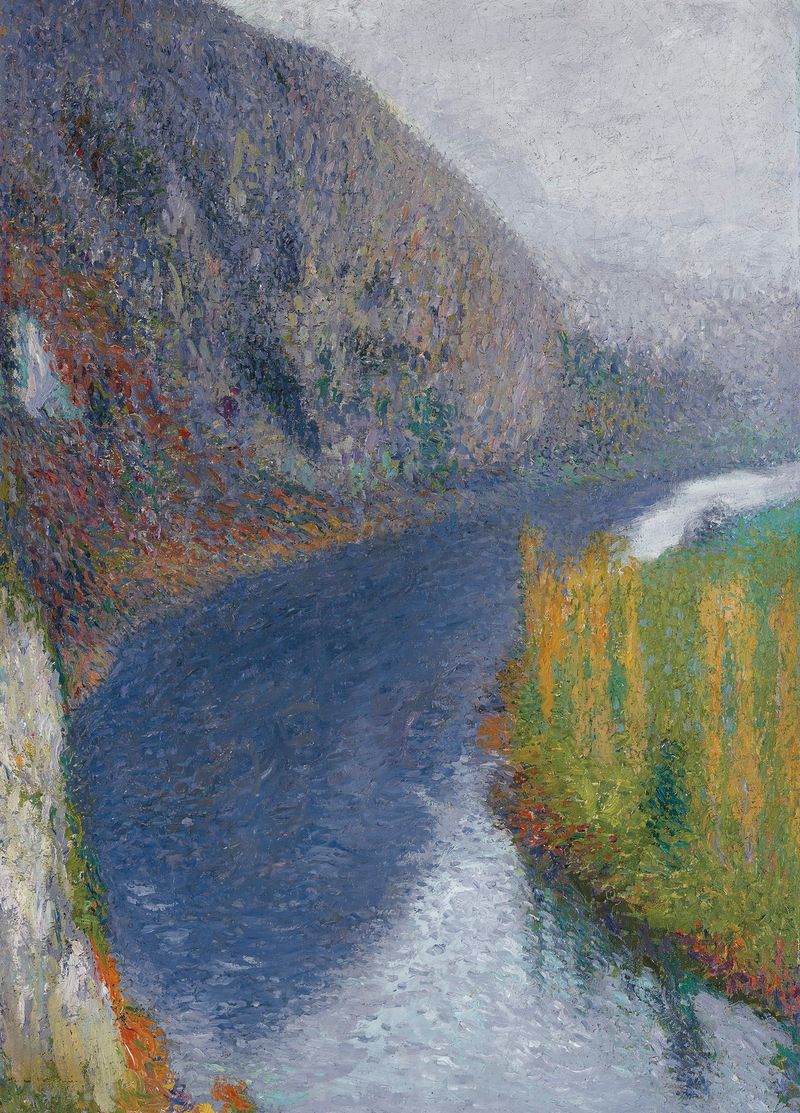
Le Lot au pied des falaises de St-Cirq-Lapopie
Henri Martin

Le lot aux pieds des falaises de Saint-Cirq-Lapopie
Henri Martin

L’église de Labastide-du-Vert avec le pont et la rivère, un soir d’automne
Henri Martin

Berger et ses moutons dans les causses
Henri Martin
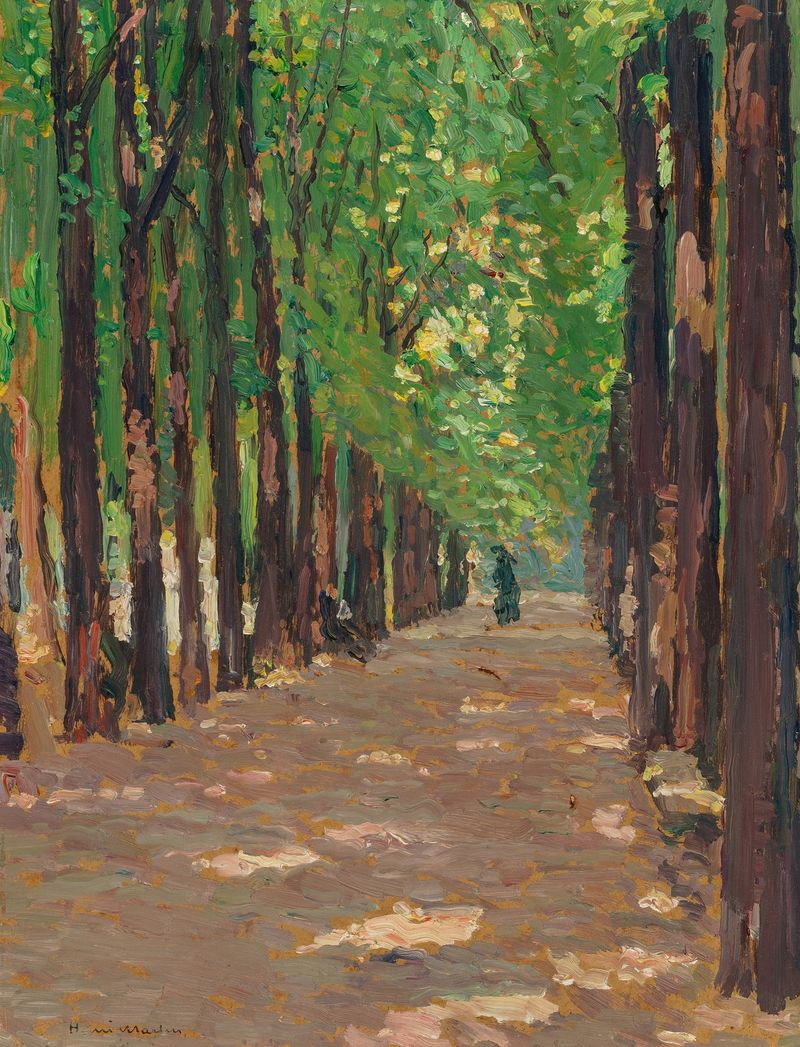
Une allée dans le Parc du Château de Versailles
Henri Martin





