
Lady in White — History & Facts
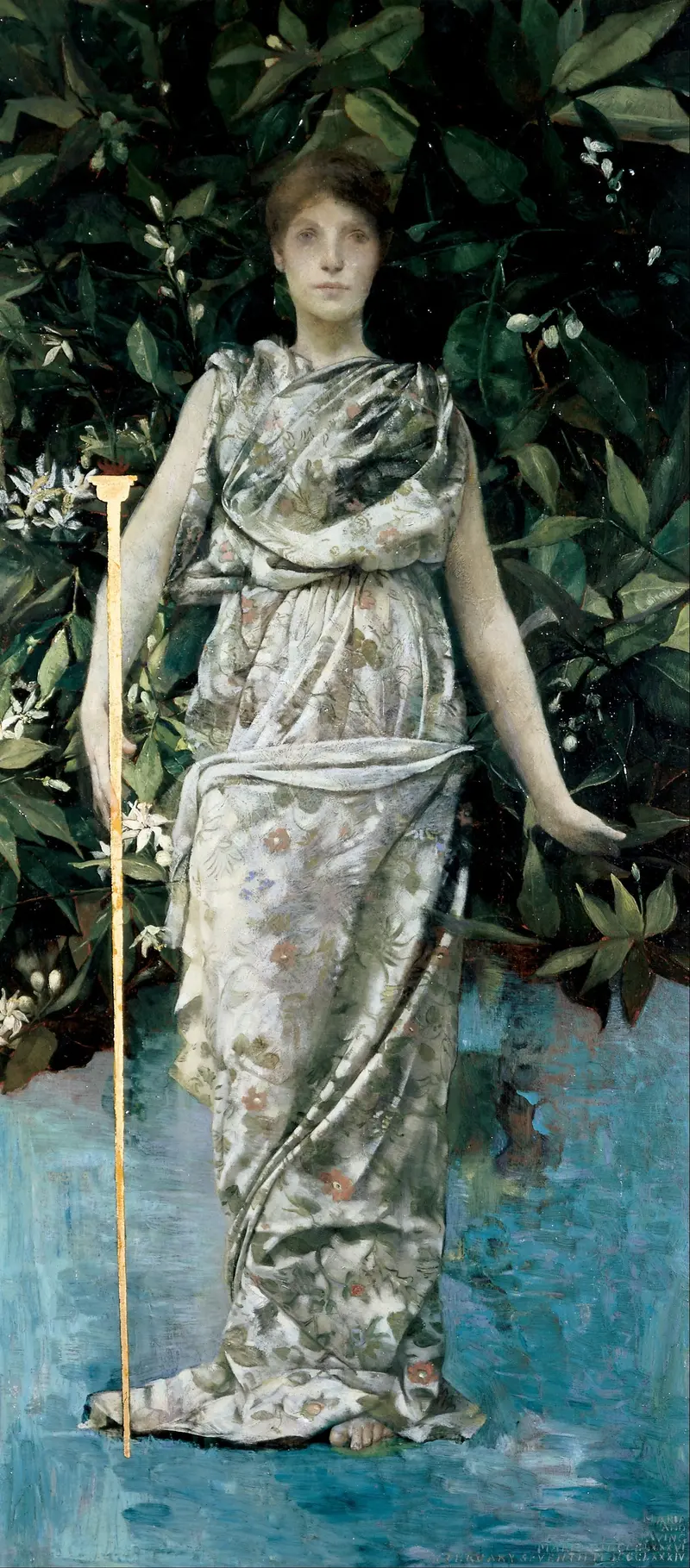
In Lady in White, the viewer is greeted by a serene portrait of a woman dressed in a flowing white gown. The soft colors create a gentle atmosphere, with pale blues and greens complementing her attire. The background is blurred, focusing attention on the figure, which is rendered with delicate brushwork.
The woman's expression is calm and introspective, inviting the viewer into her world. The painting showcases the Impressionist style, characterized by its loose brushwork and emphasis on light. Dewing's use of color is subtle, with soft transitions that create a sense of depth. The texture of the fabric in the gown is depicted with careful attention, enhancing the realism of the portrait.
The overall composition is balanced, drawing the eye naturally to the figure. Thomas Wilmer Dewing was known for his portraits of women, often set in tranquil, dreamlike environments. Lady in White exemplifies his focus on femininity and beauty, capturing the essence of his subjects with grace. An interesting fact about this work is that it reflects the influence of Japanese art on American Impressionism, particularly in its composition and color palette.
Dewing's work remains a significant part of the American art narrative.
More Artworks by Thomas Wilmer Dewing

A Reflective Moment
Thomas Wilmer Dewing
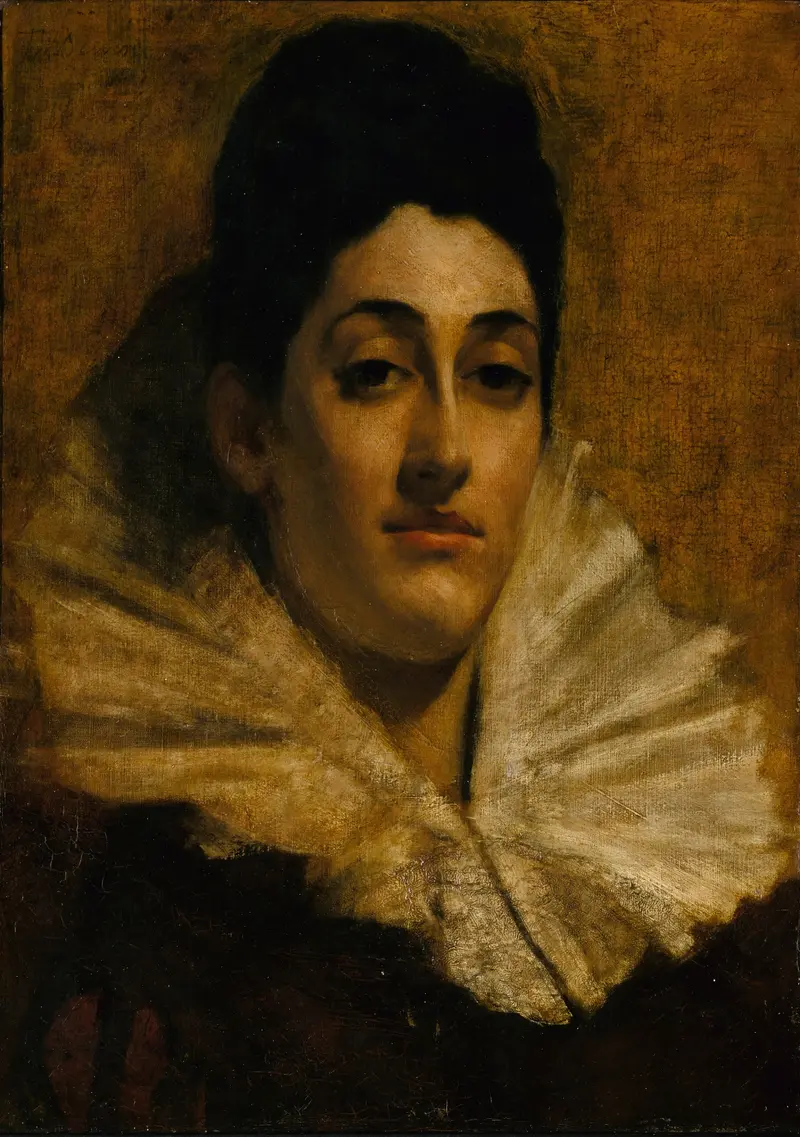
Portrait of Frances C. Houston
Thomas Wilmer Dewing
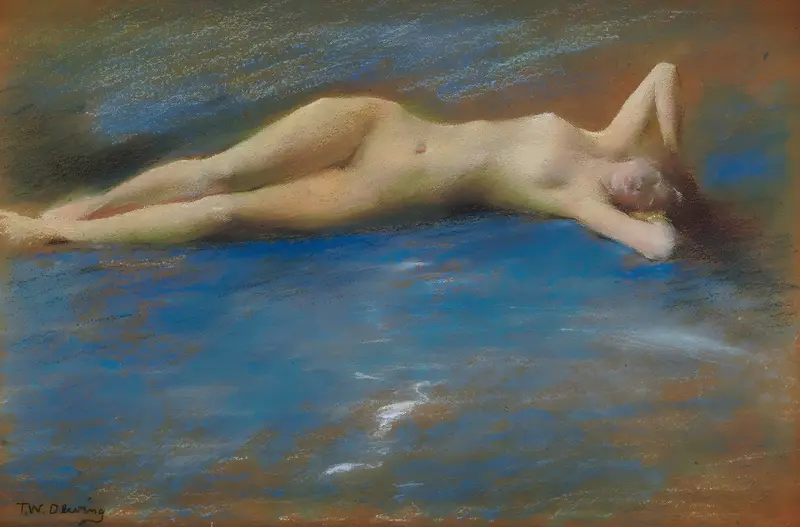
Reclining Nude Figure of a Girl
Thomas Wilmer Dewing
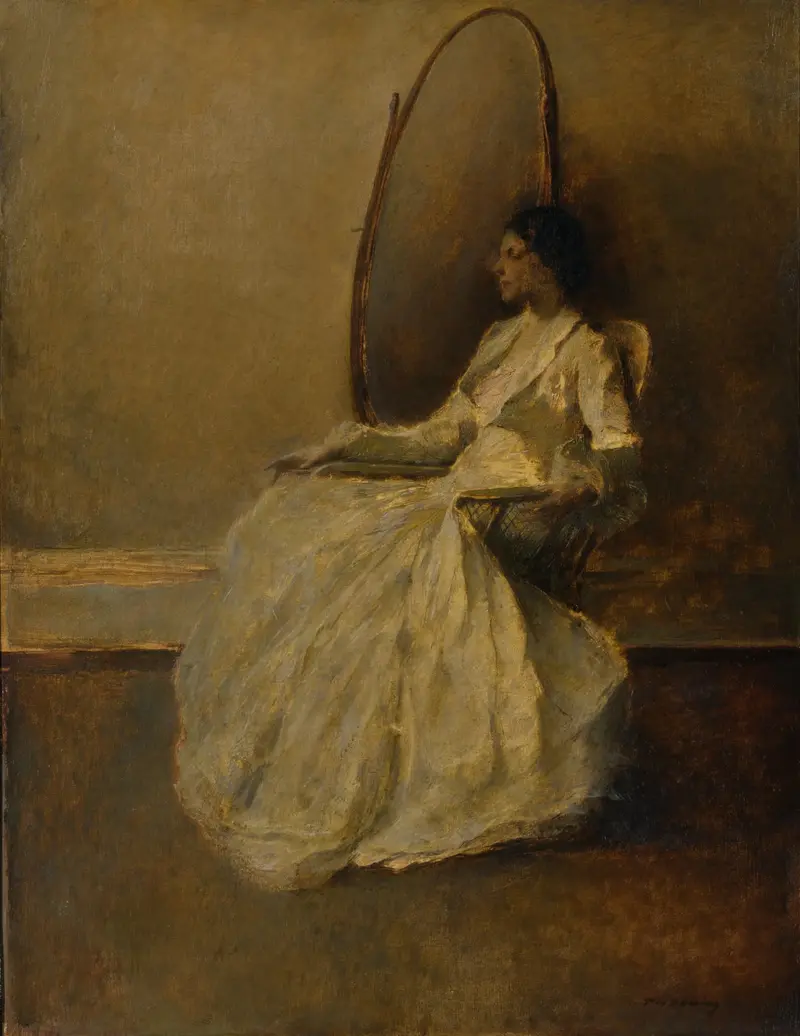
Lady in White (No. 1)
Thomas Wilmer Dewing
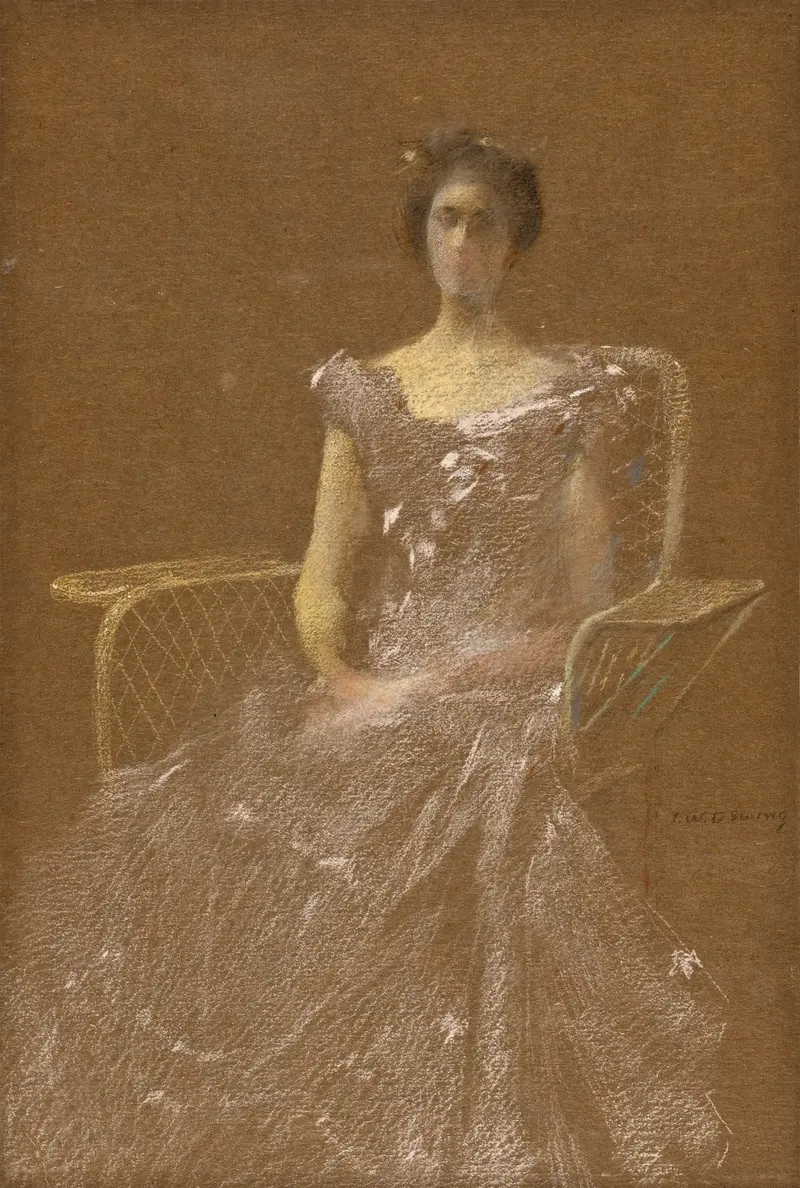
Lady in Rattan Armchair
Thomas Wilmer Dewing
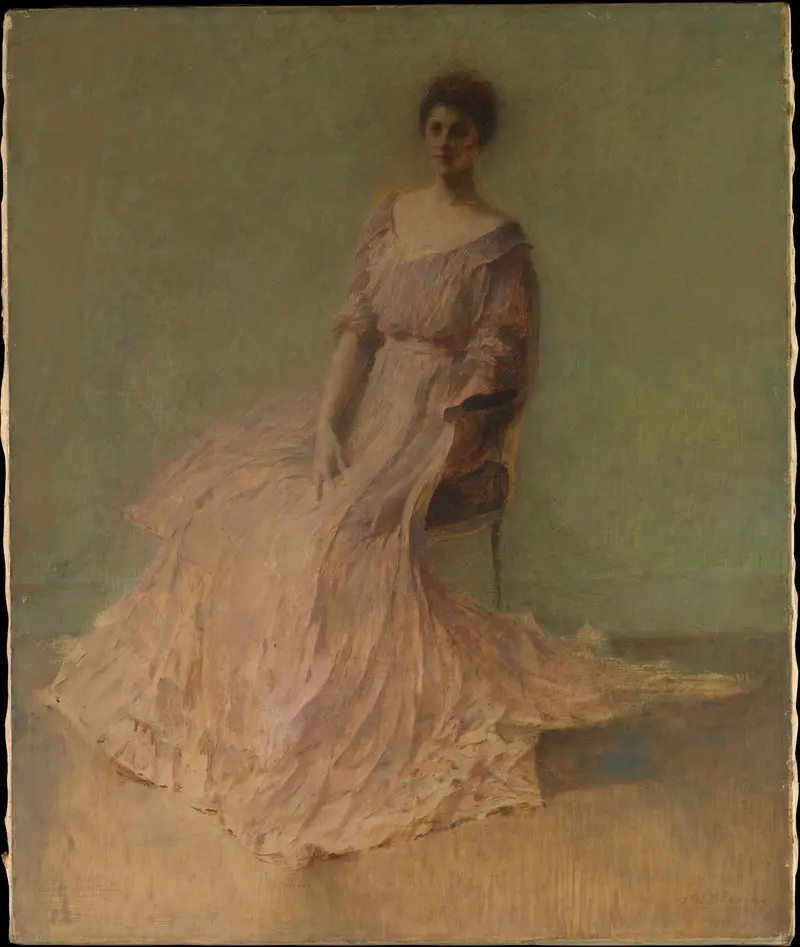
Lilac Dress
Thomas Wilmer Dewing
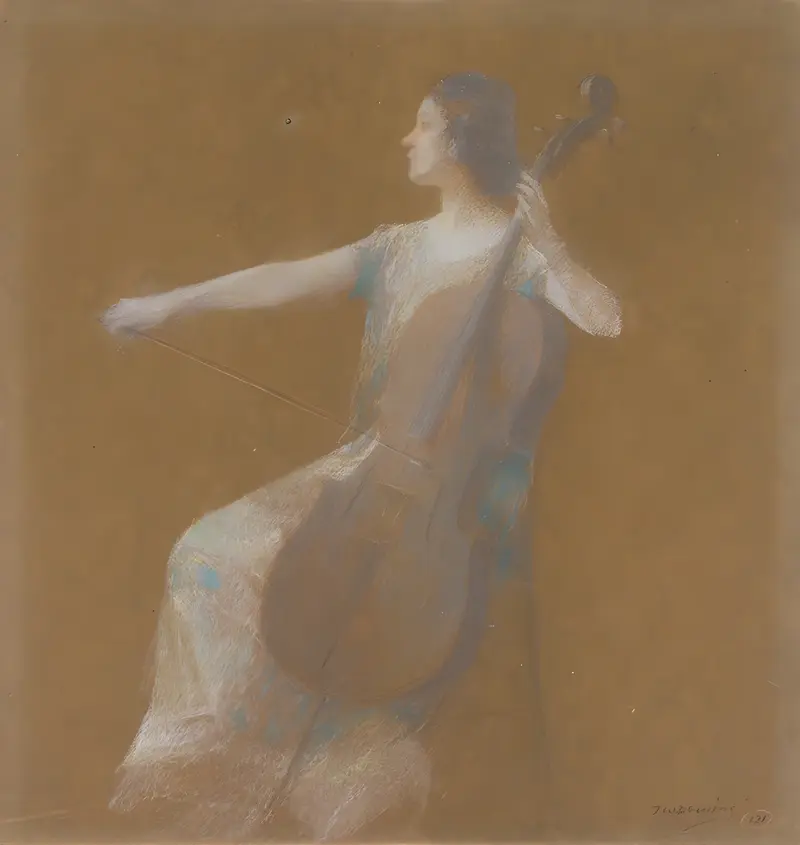
Girl with Cello
Thomas Wilmer Dewing
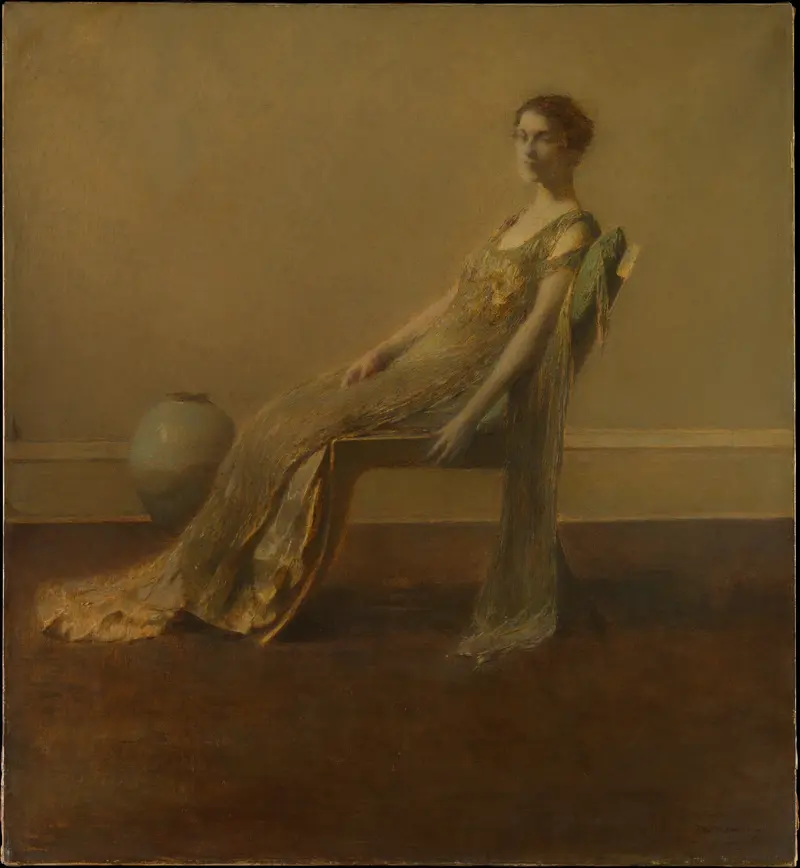
Green and Gold
Thomas Wilmer Dewing
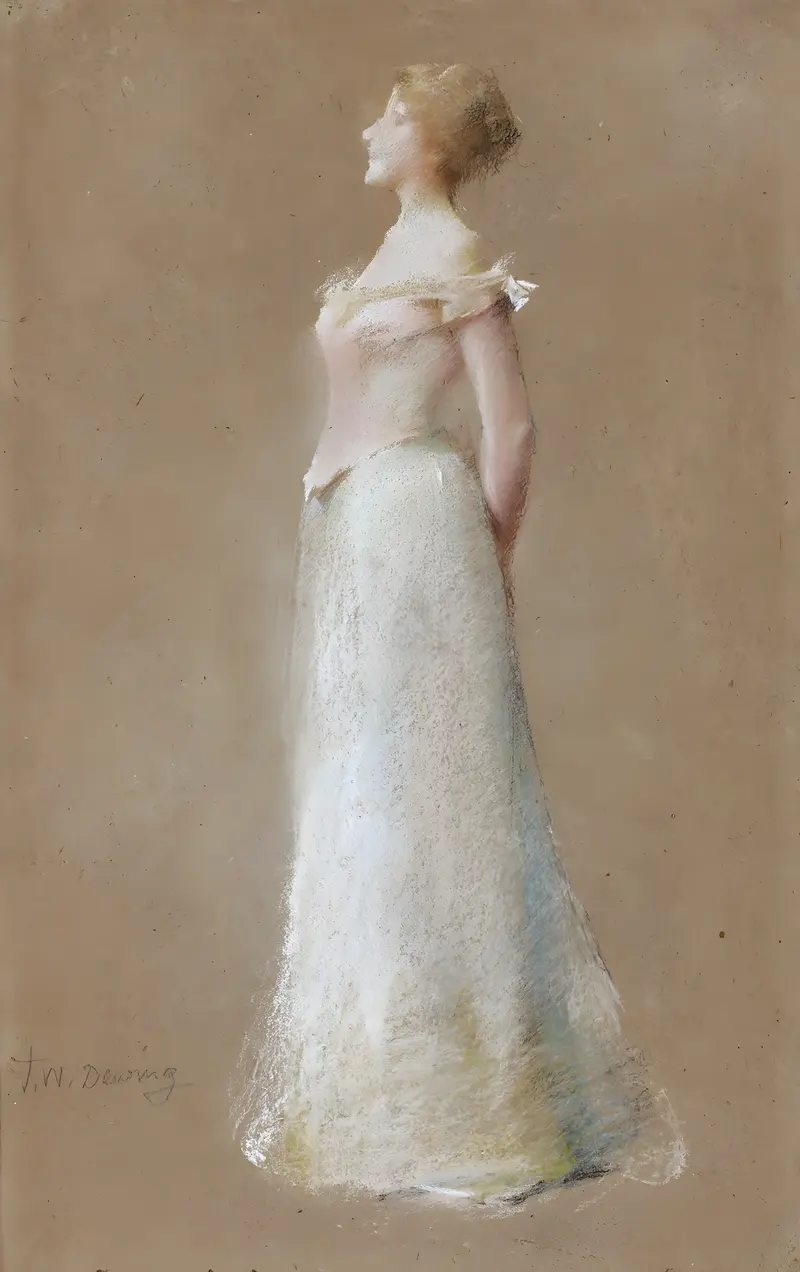
Harmony in Rose and Gray
Thomas Wilmer Dewing
Hymen
Thomas Wilmer Dewing





