
L’Aiguille du Veron — History & Facts
It yearns for the breath of life, for the transient movement that can only be felt, not seen. In L’Aiguille du Veron, every stroke of paint captures the harmonious dance of nature, inviting us to reflect on the power of stillness amidst the inevitable passage of time. Look to the left, where the sharp peak of the mountain juts into the sky, its contours delicately rendered in shades of cool gray and blue. The artist skillfully employs a gradient of greens in the foreground to depict the lively vegetation, contrasting beautifully with the stark grandeur of the rocky summit.
The brushwork here is both precise and energetic, infusing the landscape with a sense of movement, as if the air itself is in constant flux. Notice the way light grazes the surface, casting shadows that enhance the dimensionality of the terrain, creating a dynamic tension between the solid and the ephemeral. Beneath this serene facade lies a complex interplay of emotions — the grandeur of nature juxtaposed with the fleeting moment. The vibrancy of the flora hints at the vitality of life, while the mountain's imposing presence serves as a reminder of the sublime and the indifferent forces of nature.
This tension invites contemplation on our own place within the universe, provoking questions about permanence and transience. In 1805, Jean-Antoine Linck painted L’Aiguille du Veron while residing in the picturesque landscapes of the French Alps. This period marked a growing interest in Romanticism, as artists sought to explore the emotional depths of nature, contrasting the idyllic with the powerful. As Linck embraced these ideals, he began to carve out a distinct style that resonated with a world awakening to the beauty and chaos of the natural environment.
More Artworks by Jean-Antoine Linck
Browse all →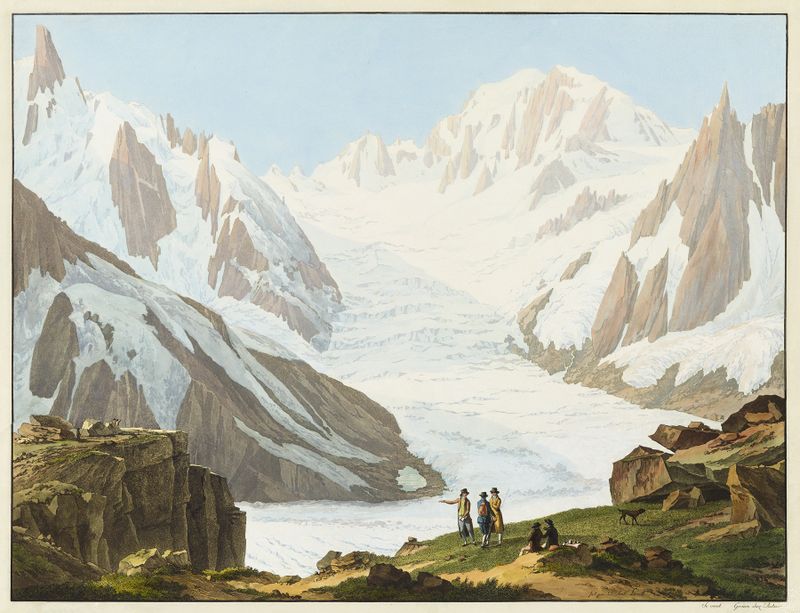
Vue du Mont-Blanc, des Aiguilles du Midi, des Blaitieres, du Géant, du Glacier du Tacul, prise du Sommet du Rocher du Couvercle
Jean-Antoine Linck
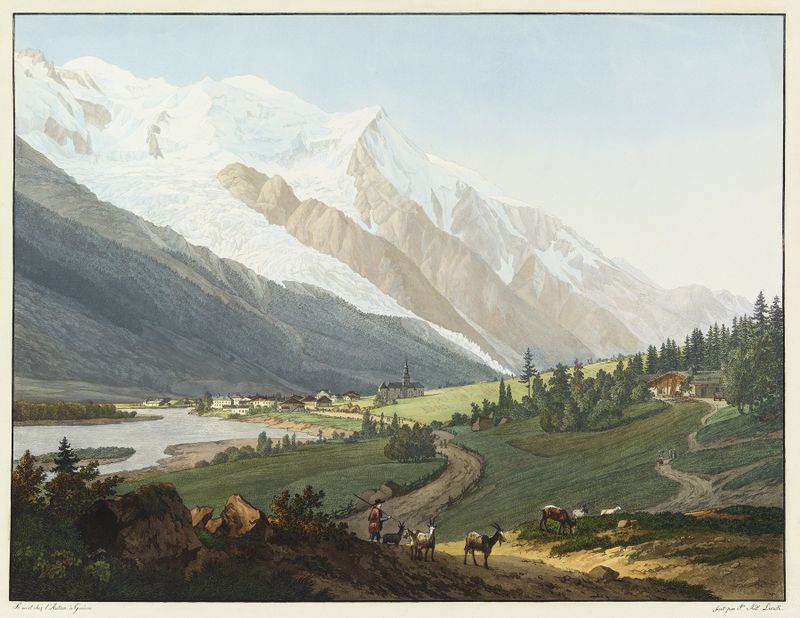
Vue du Prieuré de Chamouni, du Mont-Blanc, de l’Aiguille du Gouté, et du Glacier des Buissons
Jean-Antoine Linck
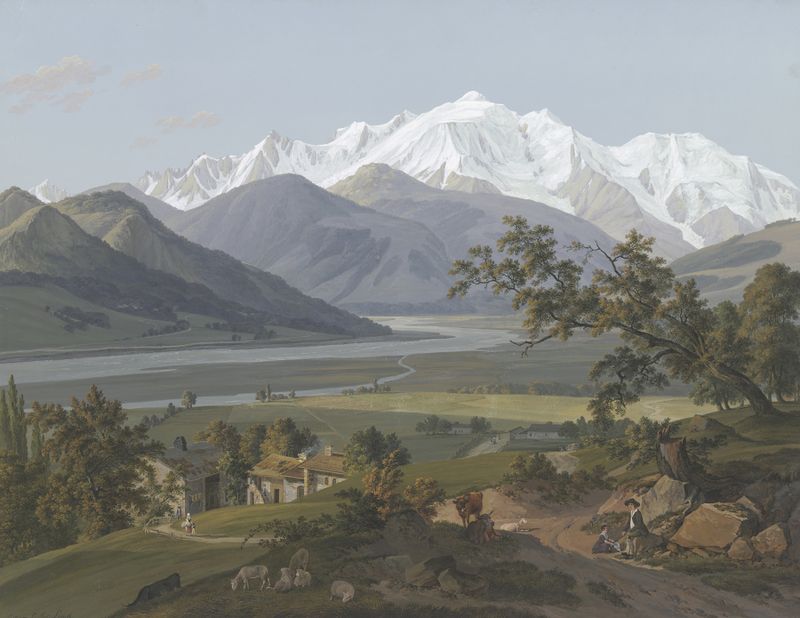
Vue du Mont-Blanc prise près de Salanche
Jean-Antoine Linck
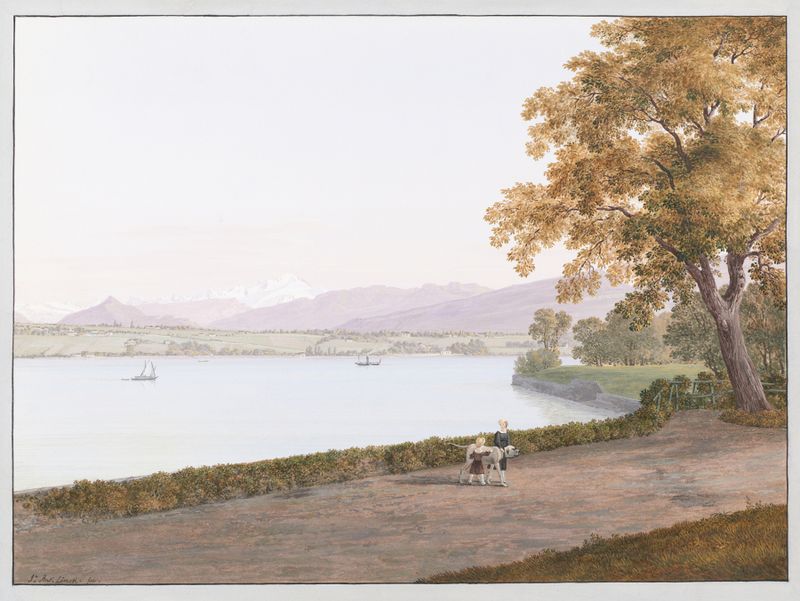
Vue du Lac Léman près de Genève
Jean-Antoine Linck
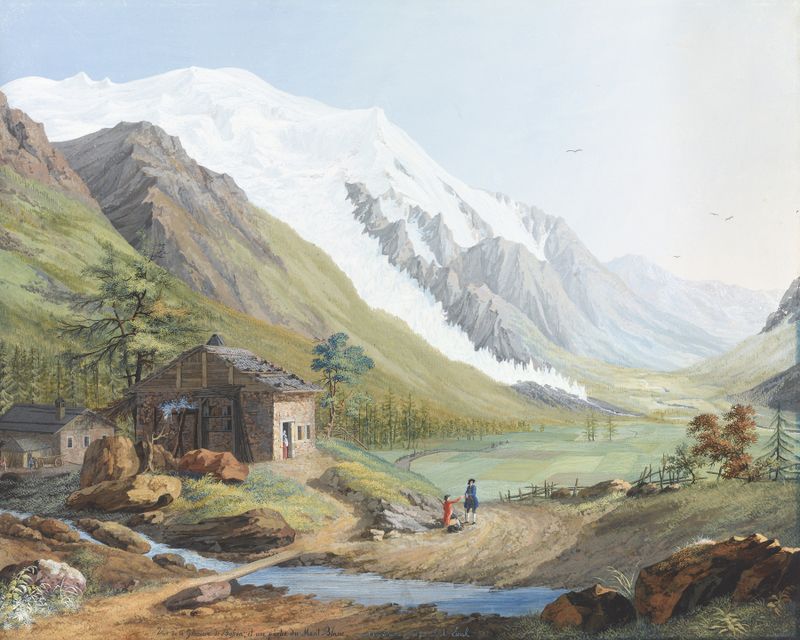
Vue de la Glaciere de Bosson, et une partie du Mont Blanc
Jean-Antoine Linck
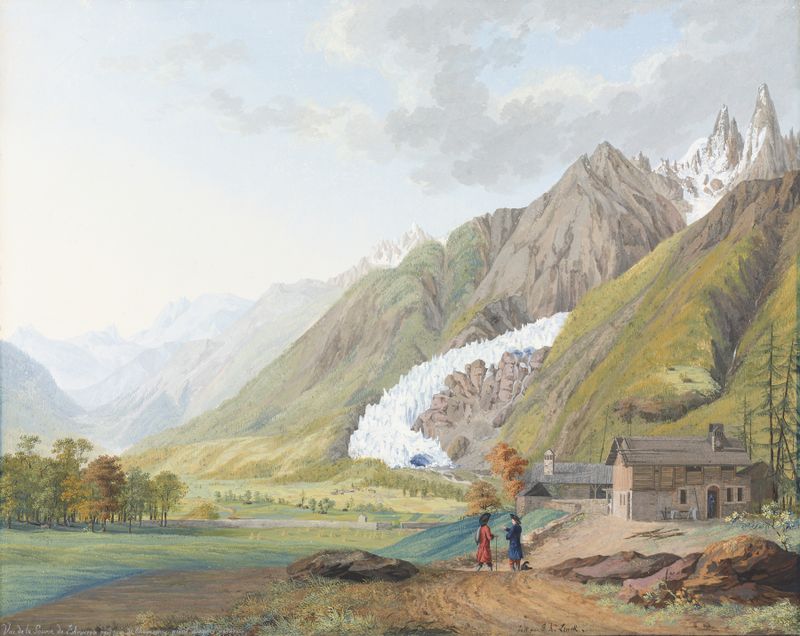
Vue de la Sourse de l’Arveron prit près de Chamouny peint d’après nature
Jean-Antoine Linck
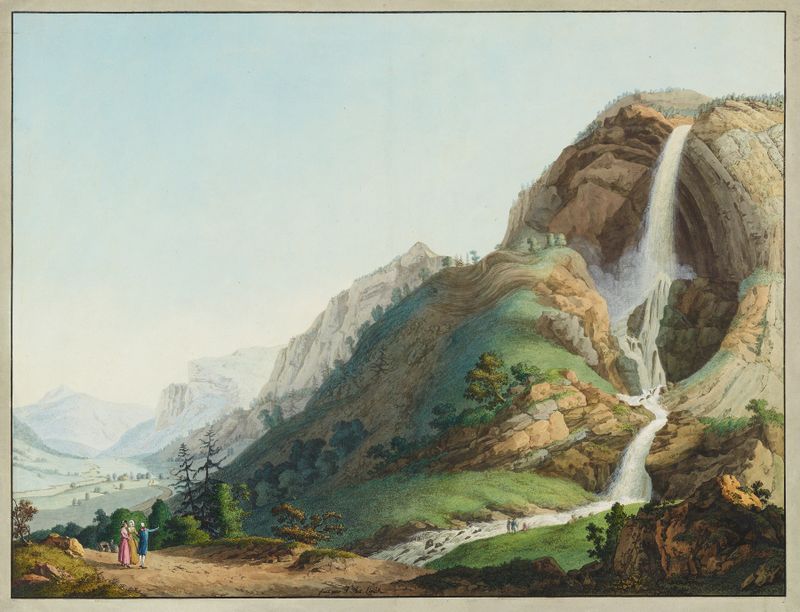
Vue de la Cascade de l’Arpenas
Jean-Antoine Linck
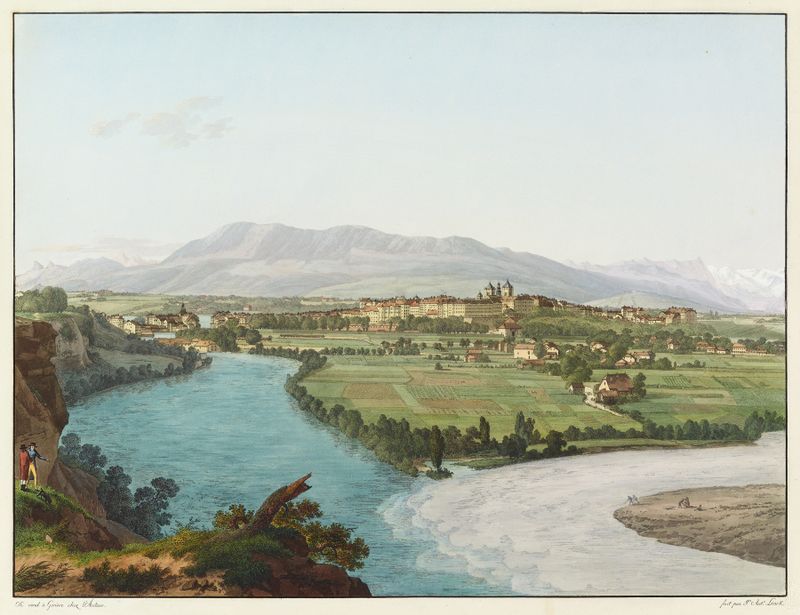
Vue de Genève & Jonction de l’Arve avec le Rhône
Jean-Antoine Linck
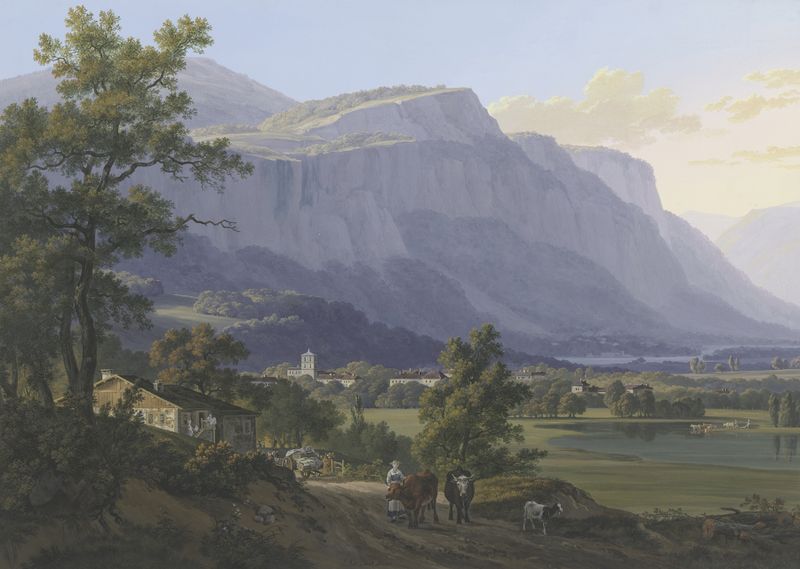
Vue de la ville de St. Jeoire à 5. lieus de Genève, et des Montagnes de Machily, et Fausigny
Jean-Antoine Linck
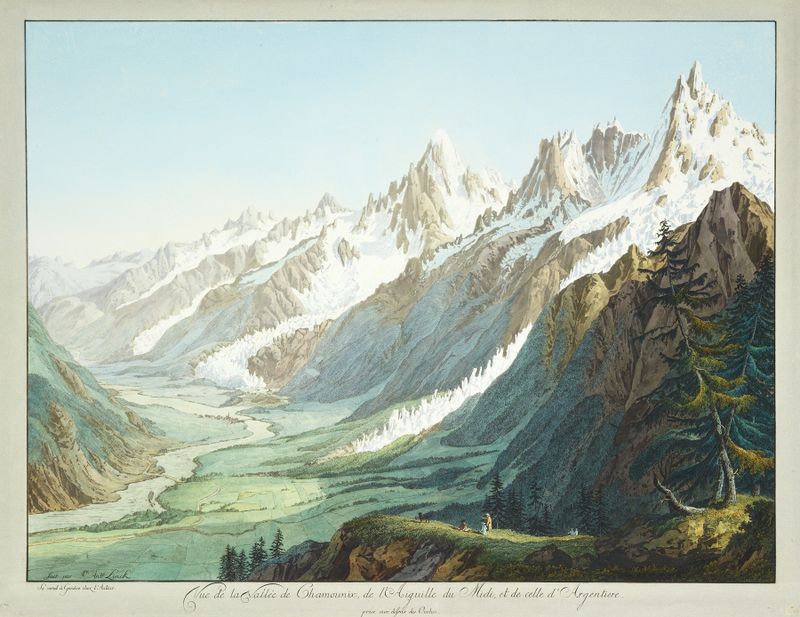
Vue de la Vallée de Chamounix, de l’Aiguille du Midi, et de celle d’Argentiere
Jean-Antoine Linck





