
Vue du Prieuré de Chamouni, du Mont-Blanc, de l’Aiguille du Gouté, et du Glacier des Buissons — History & Facts
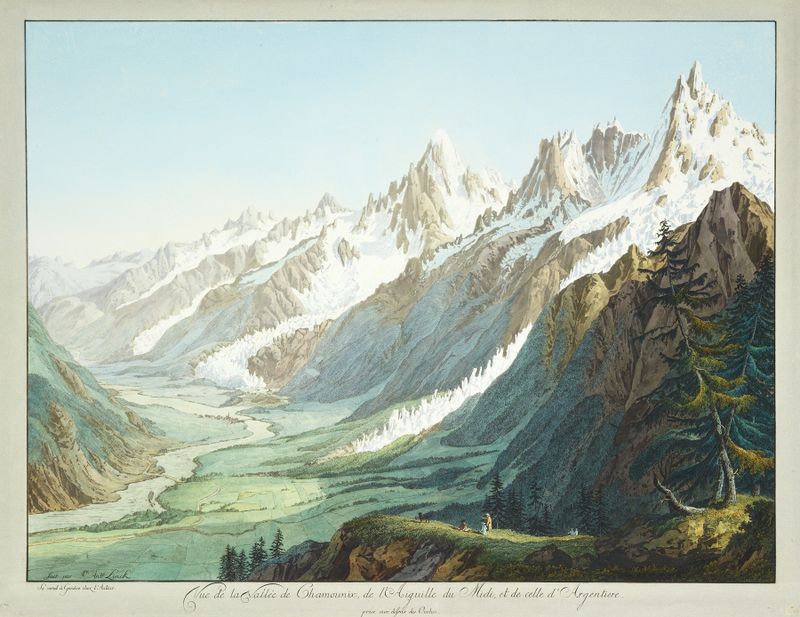
In the stillness of observation, a sense of yearning emerges, inviting us into the depths of our own contemplation. Focus first on the serene valley that unfolds across the canvas, where the majestic peaks rise in silent grandeur. The gentle curves of the mountains contrast with the sharp, jagged lines of the Aiguille du Gouté, creating a dynamic interplay of softness and strength. Notice how the cool blues and greens of the landscape harmonize with the crisp whites of the snow, drawing your eyes toward the horizon where the sky meets the earth, almost as if they are whispering secrets to one another. Within this breathtaking view lies a subtle tension between the overwhelming beauty of nature and the void that exists beyond it.
The seemingly tranquil scene evokes a sense of solitude, suggesting that even amidst splendor, an absence can echo loudly. The delicate interplay of light and shadow enhances this feeling, as bright rays illuminate the foreground while darker, looming shadows linger over the distant peaks, hinting at uncertainty lurking within paradise. Jean-Antoine Linck created this piece during a time when the Romantic movement was flourishing, around the early 19th century. He worked primarily in the High Alps, capturing the allure of nature's extremes while grappling with his own artistic identity.
During this period, artists were increasingly drawn to the sublime, exploring themes of nature's power and humanity's place within it, a pursuit that Linck adeptly embodies in his work.
More Artworks by Jean-Antoine Linck
Browse all →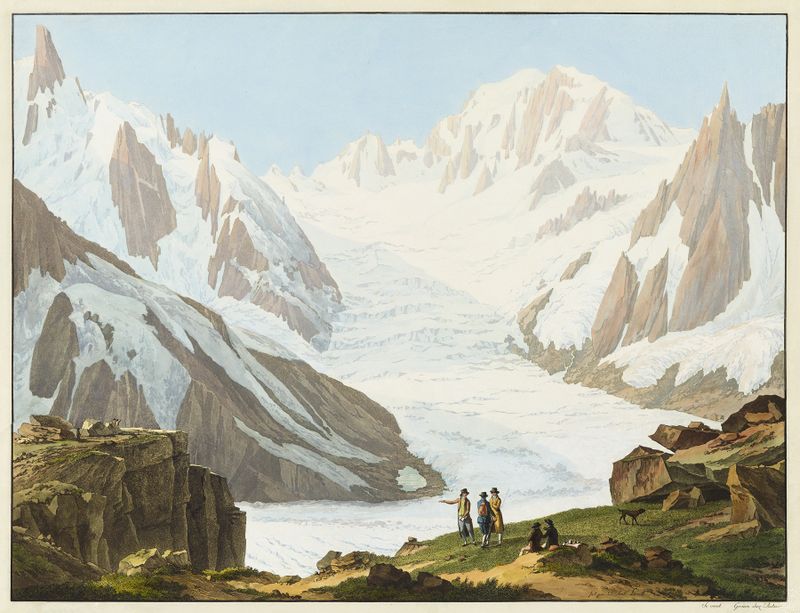
Vue du Mont-Blanc, des Aiguilles du Midi, des Blaitieres, du Géant, du Glacier du Tacul, prise du Sommet du Rocher du Couvercle
Jean-Antoine Linck
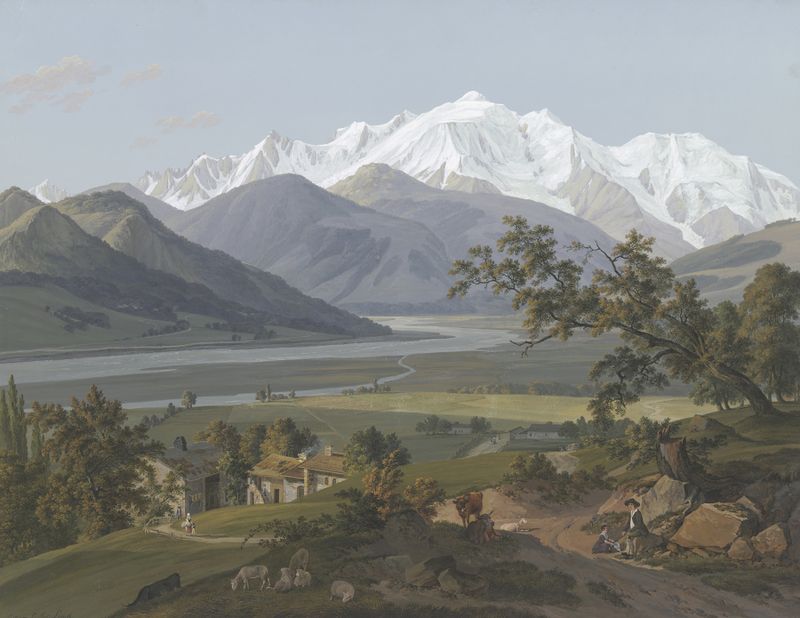
Vue du Mont-Blanc prise près de Salanche
Jean-Antoine Linck
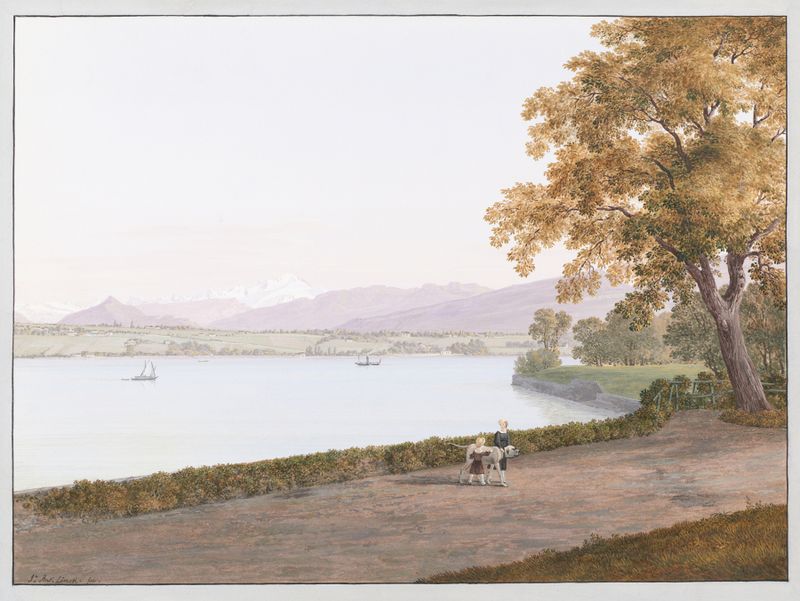
Vue du Lac Léman près de Genève
Jean-Antoine Linck
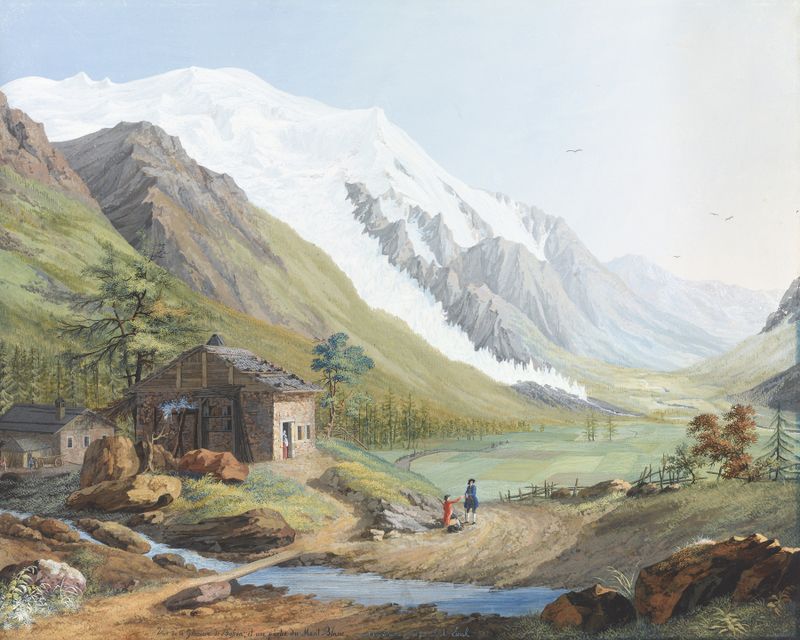
Vue de la Glaciere de Bosson, et une partie du Mont Blanc
Jean-Antoine Linck
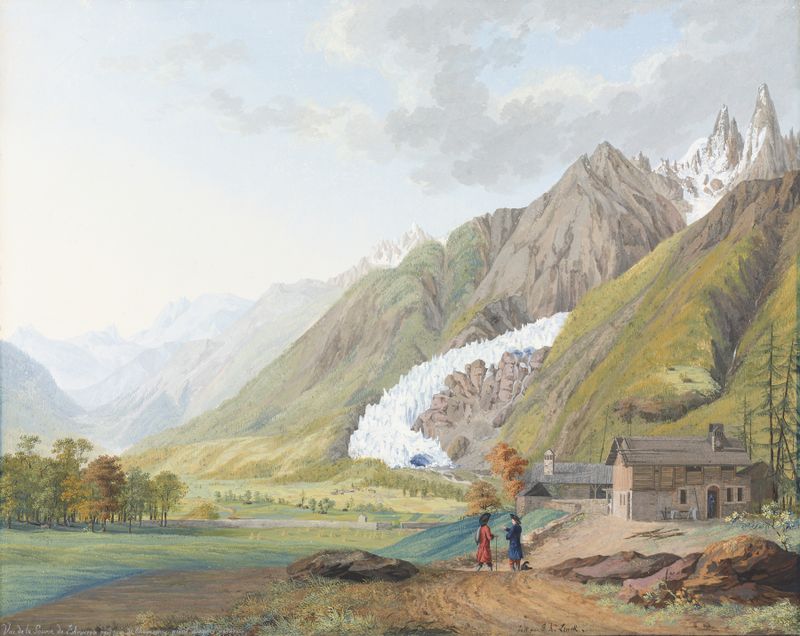
Vue de la Sourse de l’Arveron prit près de Chamouny peint d’après nature
Jean-Antoine Linck
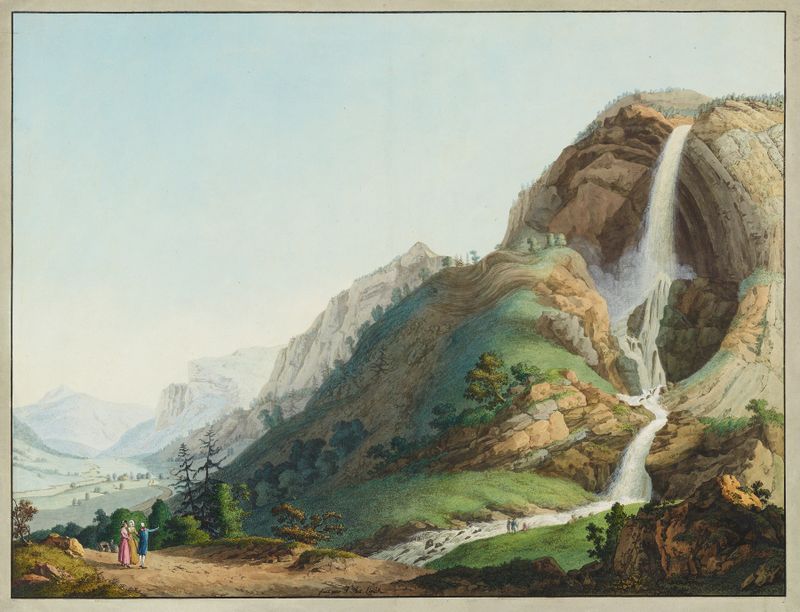
Vue de la Cascade de l’Arpenas
Jean-Antoine Linck
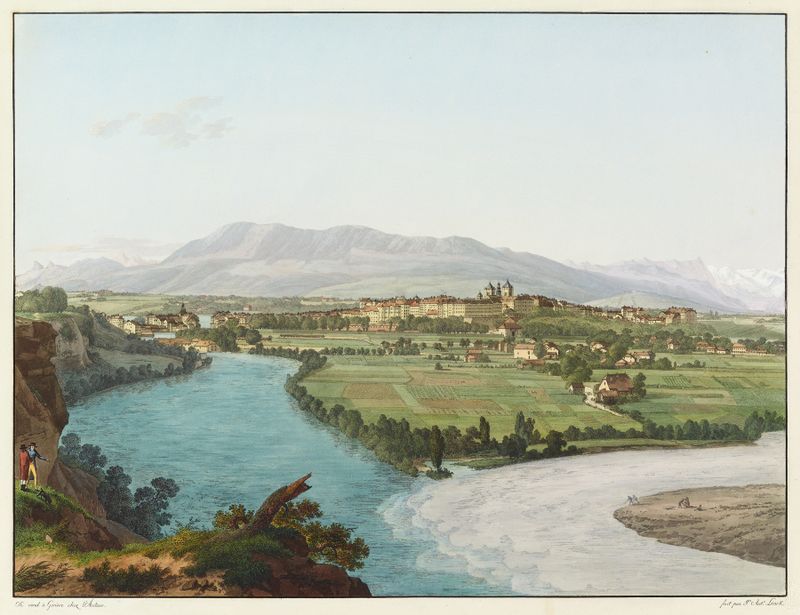
Vue de Genève & Jonction de l’Arve avec le Rhône
Jean-Antoine Linck
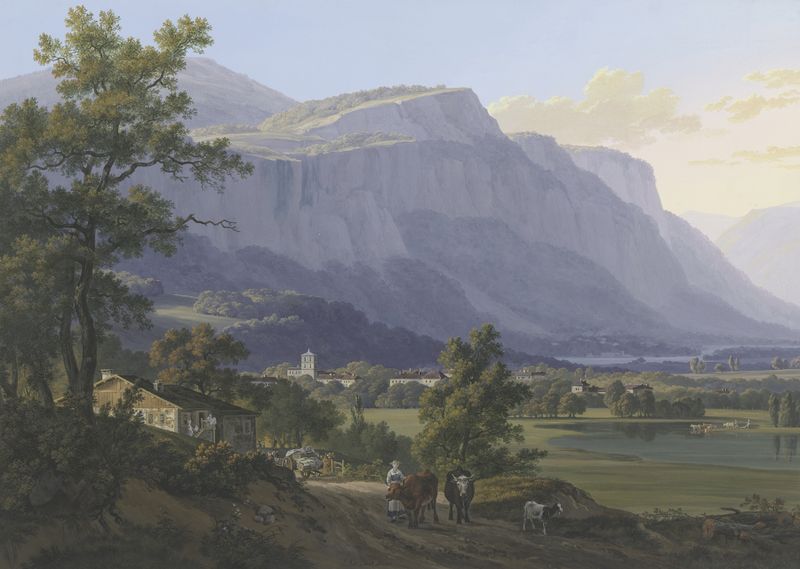
Vue de la ville de St. Jeoire à 5. lieus de Genève, et des Montagnes de Machily, et Fausigny
Jean-Antoine Linck
Vue de la Vallée de Chamounix, de l’Aiguille du Midi, et de celle d’Argentiere
Jean-Antoine Linck
Vue de St. Gervais, de l’Aiguille blance, & du bon homme
Jean-Antoine Linck





