
Vue de la ville de St. Jeoire à 5. lieus de Genève, et des Montagnes de Machily, et Fausigny — History & Facts
Could a single brushstroke hold eternity? In Vue de la ville de St. Jeoire à 5. lieus de Genève, et des Montagnes de Machily, et Fausigny, a world unfolds, captured in a moment that speaks beyond its earthly boundaries, beckoning us to explore the ecstasy of existence. Look to the left at the gentle expanse of rolling hills, where soft greens and browns cradle the quaint village, inviting a sense of harmony and tranquility.
Notice how the sunlight dances upon the peaks of the distant mountains, their majestic forms rendered in delicate blues and grays, evoking a serene yet powerful presence. The composition is masterfully balanced, with intricate details in the architecture and the landscape harmonizing to create a vivid panorama that feels both intimate and grand. Delve deeper into the interplay between the natural and the constructed, where the village stands as a testament to human endeavor against the backdrop of nature's vastness. The subtle contrasts between the warm tones of the houses and the cool hues of the mountains suggest a dialogue between civilization and the wilderness that surrounds it.
This tension captures the essence of longing—a yearning for connection to the earth that is both grounding and exhilarating. Created in 1802, during a period of transition in European art, the work reflects Jean-Antoine Linck's engagement with Romanticism, a movement that celebrated nature's beauty and complexity. Living in Geneva at the time, Linck was influenced by the burgeoning ideas of nationalism and the appreciation for the picturesque landscape. This painting not only showcases his technical prowess but also embodies the spirit of a world awakening to the beauty that lies within its natural surroundings.
More Artworks by Jean-Antoine Linck
Browse all →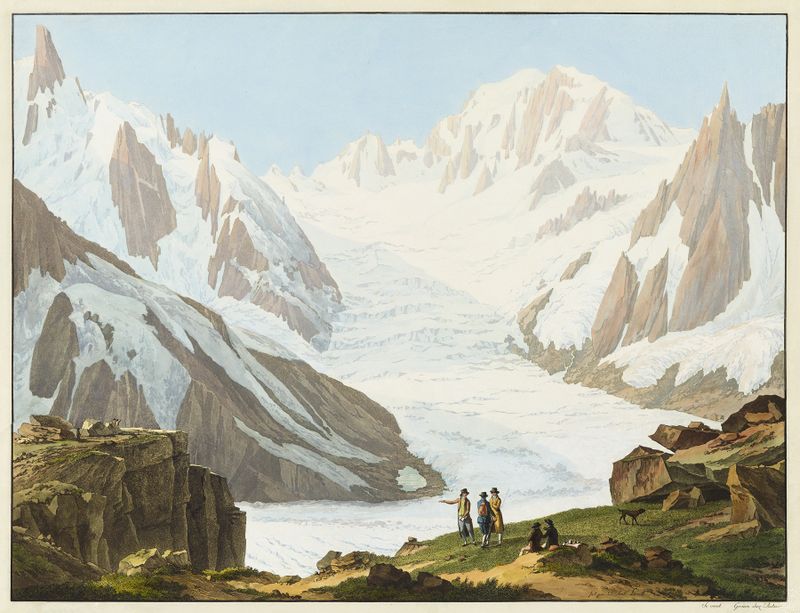
Vue du Mont-Blanc, des Aiguilles du Midi, des Blaitieres, du Géant, du Glacier du Tacul, prise du Sommet du Rocher du Couvercle
Jean-Antoine Linck
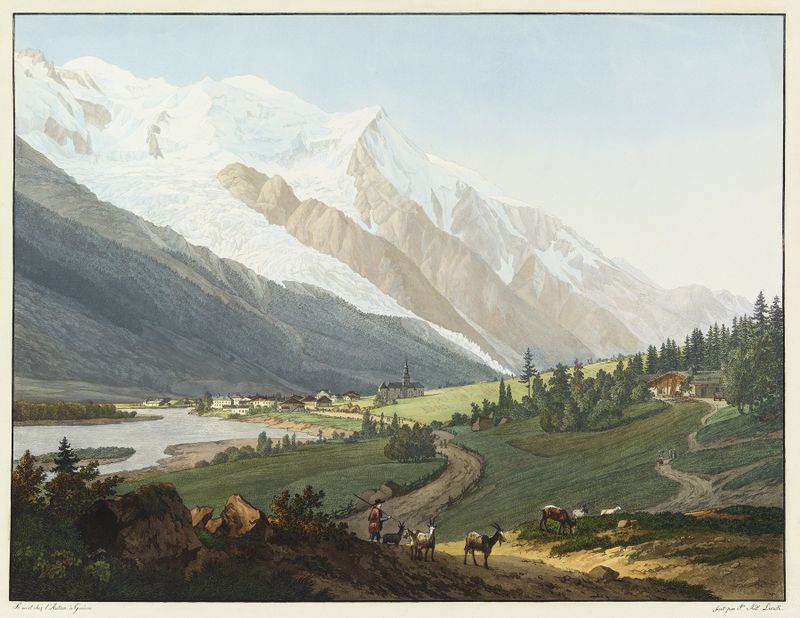
Vue du Prieuré de Chamouni, du Mont-Blanc, de l’Aiguille du Gouté, et du Glacier des Buissons
Jean-Antoine Linck
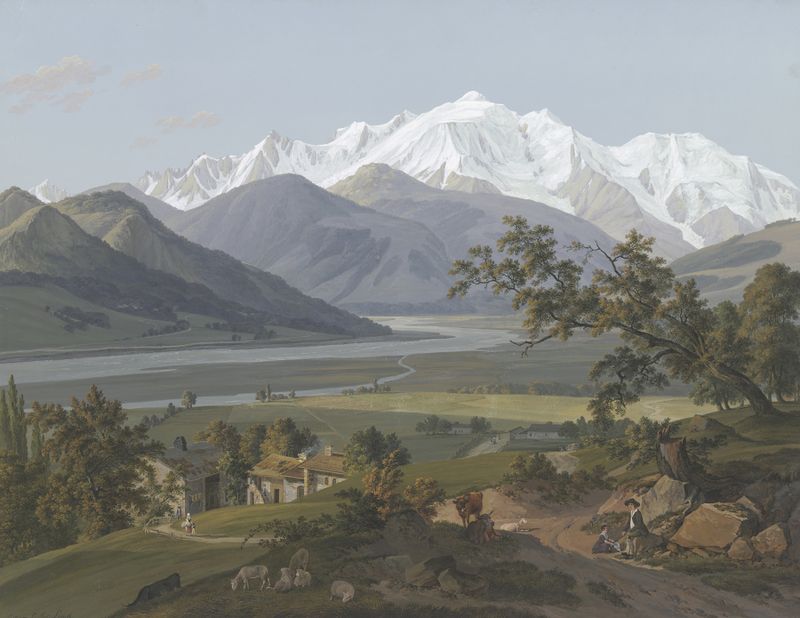
Vue du Mont-Blanc prise près de Salanche
Jean-Antoine Linck
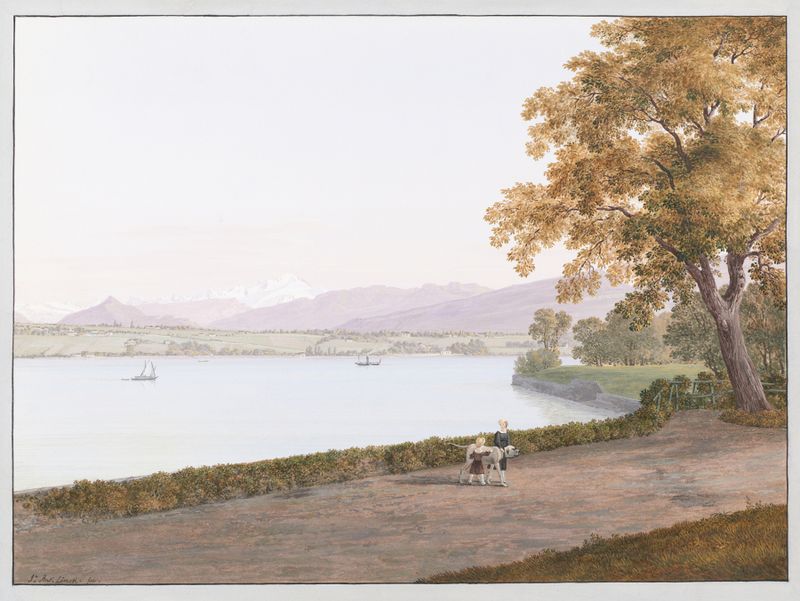
Vue du Lac Léman près de Genève
Jean-Antoine Linck
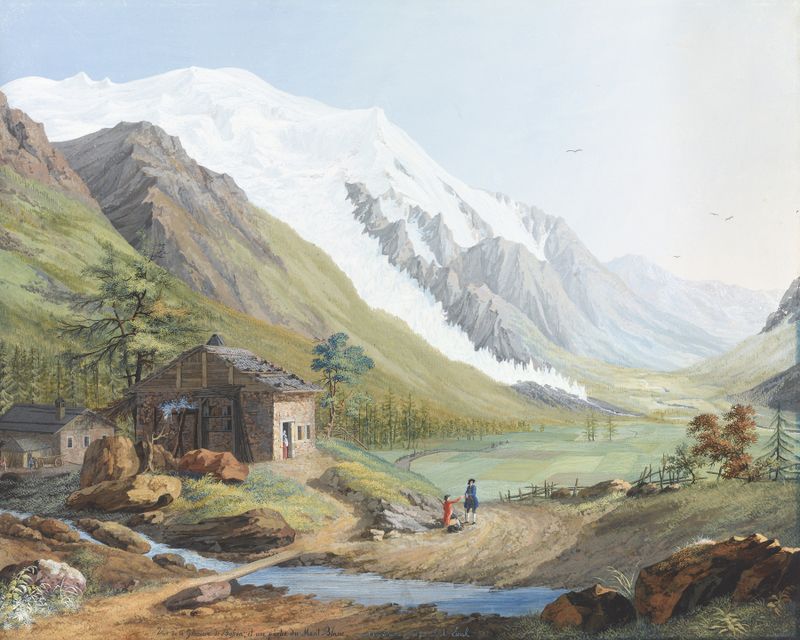
Vue de la Glaciere de Bosson, et une partie du Mont Blanc
Jean-Antoine Linck
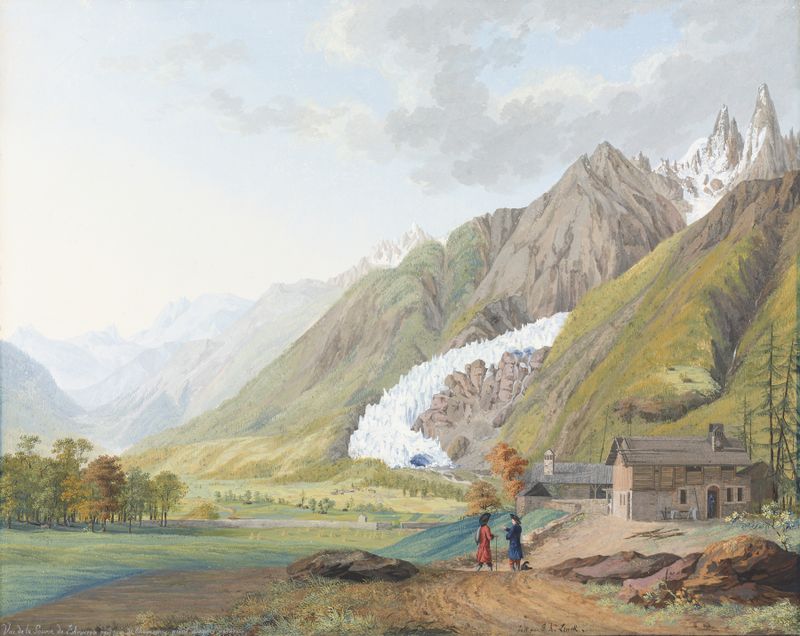
Vue de la Sourse de l’Arveron prit près de Chamouny peint d’après nature
Jean-Antoine Linck
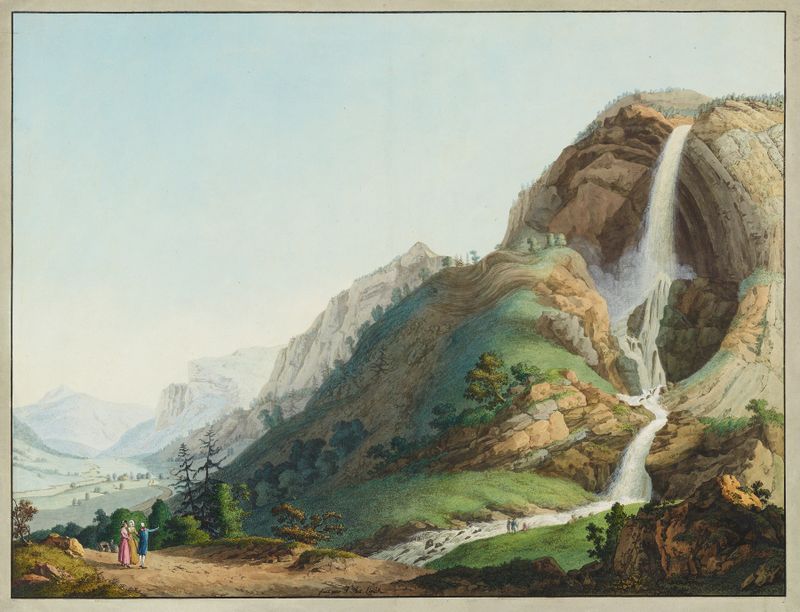
Vue de la Cascade de l’Arpenas
Jean-Antoine Linck
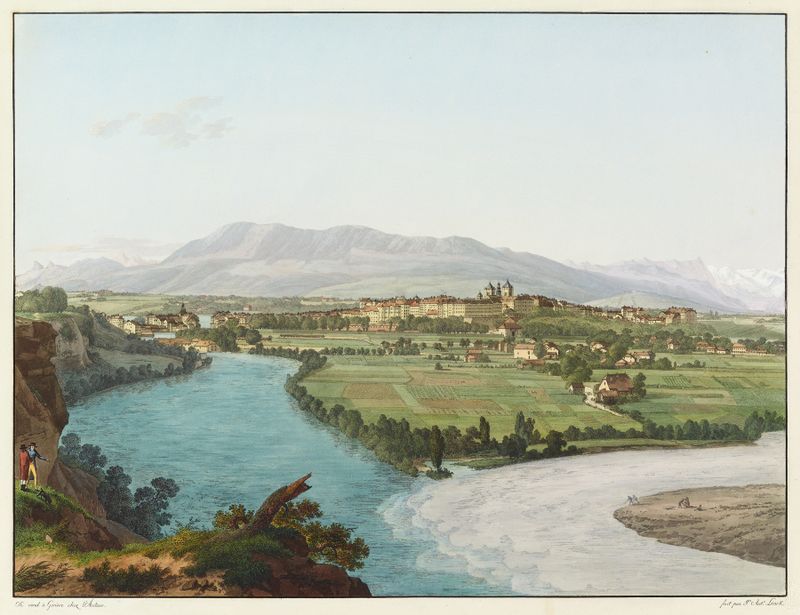
Vue de Genève & Jonction de l’Arve avec le Rhône
Jean-Antoine Linck
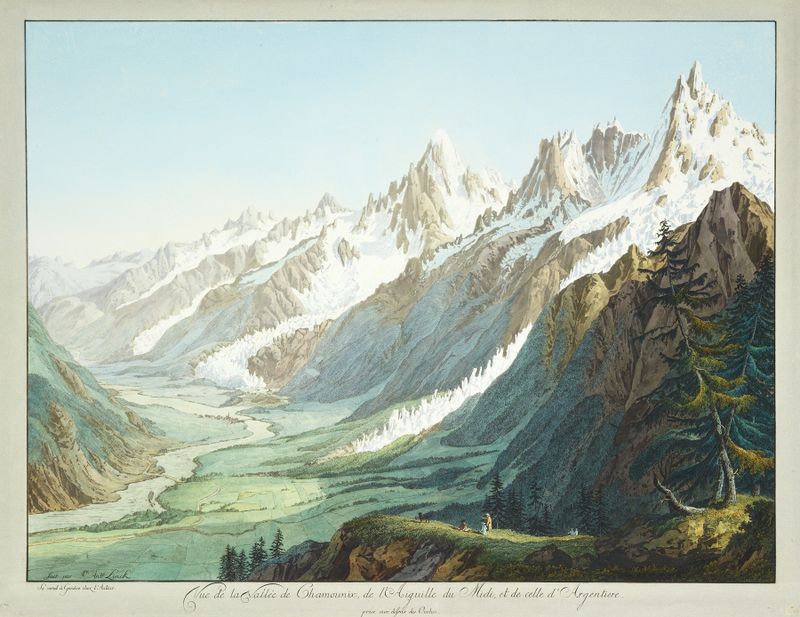
Vue de la Vallée de Chamounix, de l’Aiguille du Midi, et de celle d’Argentiere
Jean-Antoine Linck
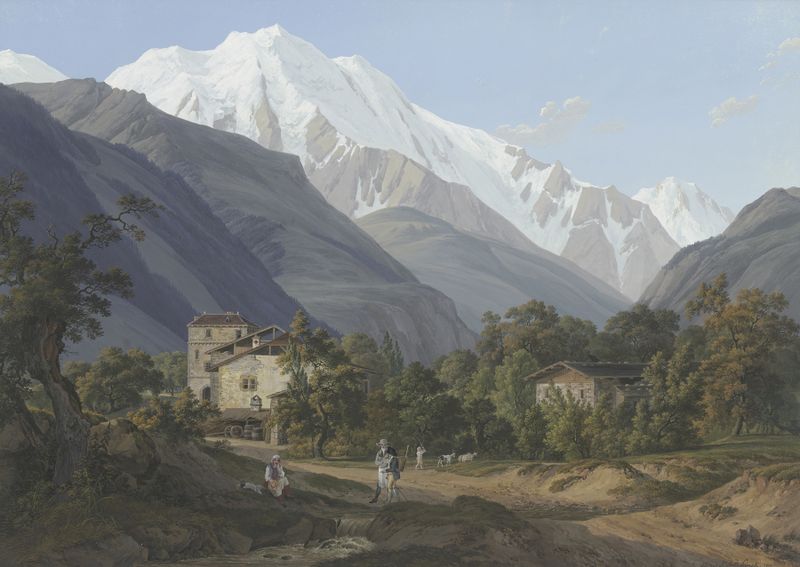
Vue de St. Gervais, de l’Aiguille blance, & du bon homme
Jean-Antoine Linck





