
Vue de la Vallée de Chamounix, de l’Aiguille du Midi, et de celle d’Argentiere — History & Facts
When did color learn to lie? In this breathtaking vista, the mountains loom—silent giants cloaked in hues that seem both vivid and deceptive, as if they conceal a deeper sorrow beneath their beauty. Look to the center, where the jagged peaks rise sharply against the sky, their icy surfaces reflecting a spectrum of blues and grays. The interplay of light and shadow creates an almost otherworldly atmosphere, drawing the eye into the craggy depths of the landscape. Notice how the foreground is painted with delicate strokes of green, hinting at life amidst the stark, imposing backdrop, while wispy clouds cling to the mountain tops, suggesting both majesty and melancholy. Each element in this piece speaks of contrasts—between the warmth of nature's palette and the coldness of the rock faces, between the vibrant brushwork of the valley below and the stillness above.
The delicate balance between beauty and grief resonates here, suggesting that even the most stunning landscapes carry the weight of loss. It hints at the fragility of life, where the allure of nature belies the emotional turmoil it can evoke in the viewer. The artist crafted this work during a period of significant transformation within the art world, likely in the late 18th century, amidst the rise of Romanticism. Using the lush landscapes of the Alps as his muse, Linck encapsulated the sublime—a blend of awe and apprehension.
This era saw artists yearning to express emotional depth through natural scenery, reflecting their own struggles and the shifting tides of society.
More Artworks by Jean-Antoine Linck
Browse all →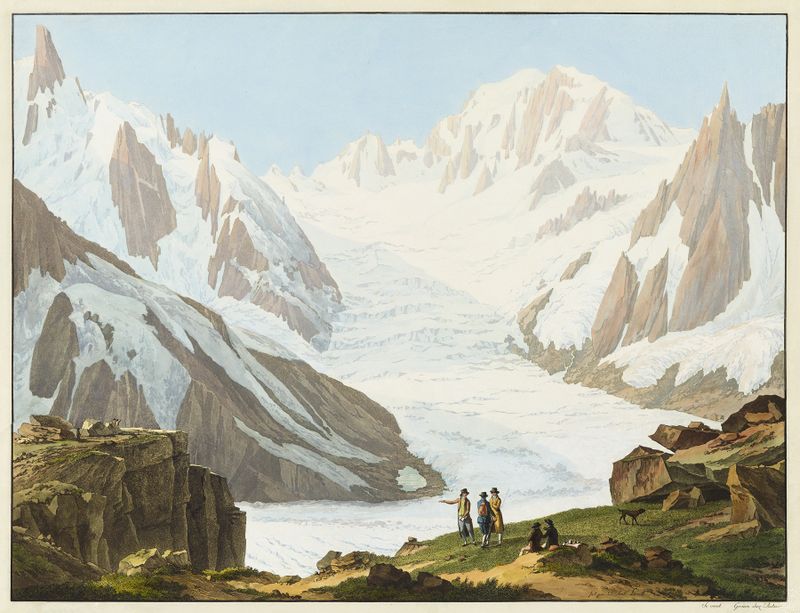
Vue du Mont-Blanc, des Aiguilles du Midi, des Blaitieres, du Géant, du Glacier du Tacul, prise du Sommet du Rocher du Couvercle
Jean-Antoine Linck
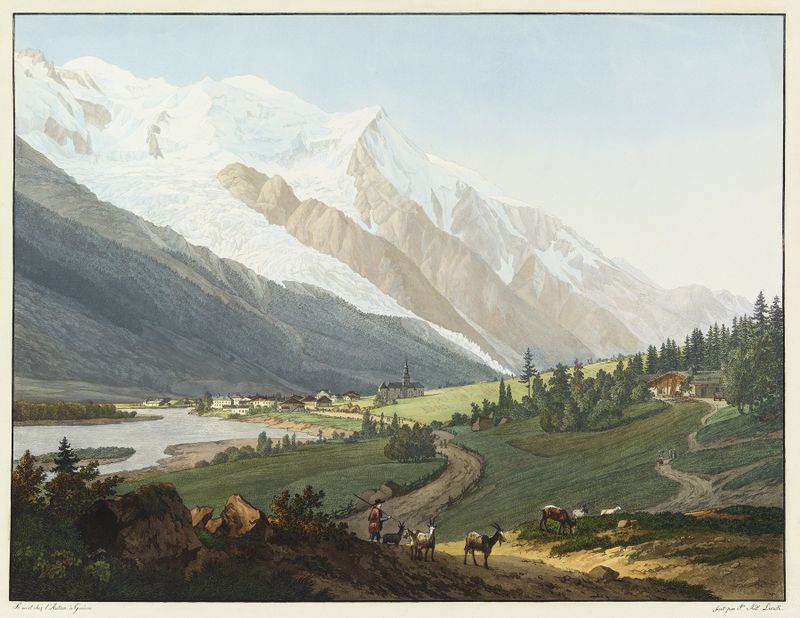
Vue du Prieuré de Chamouni, du Mont-Blanc, de l’Aiguille du Gouté, et du Glacier des Buissons
Jean-Antoine Linck
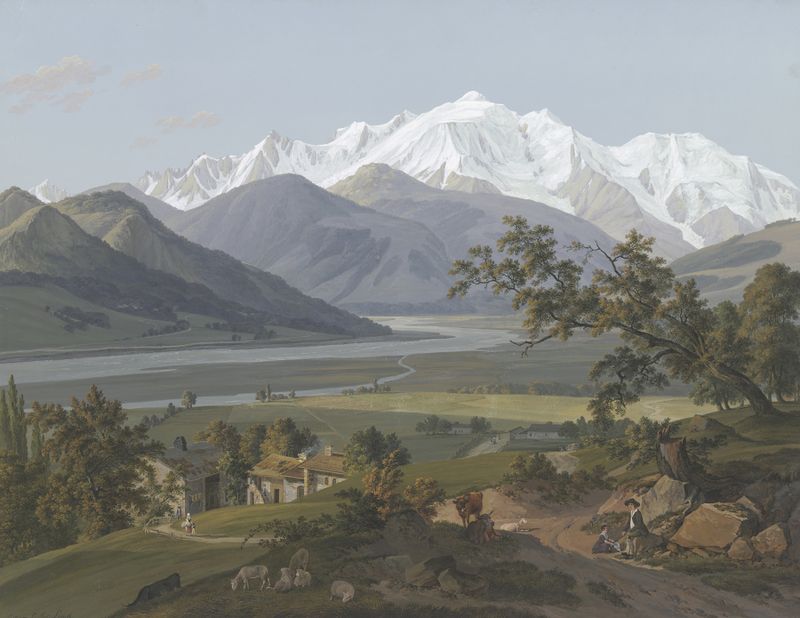
Vue du Mont-Blanc prise près de Salanche
Jean-Antoine Linck
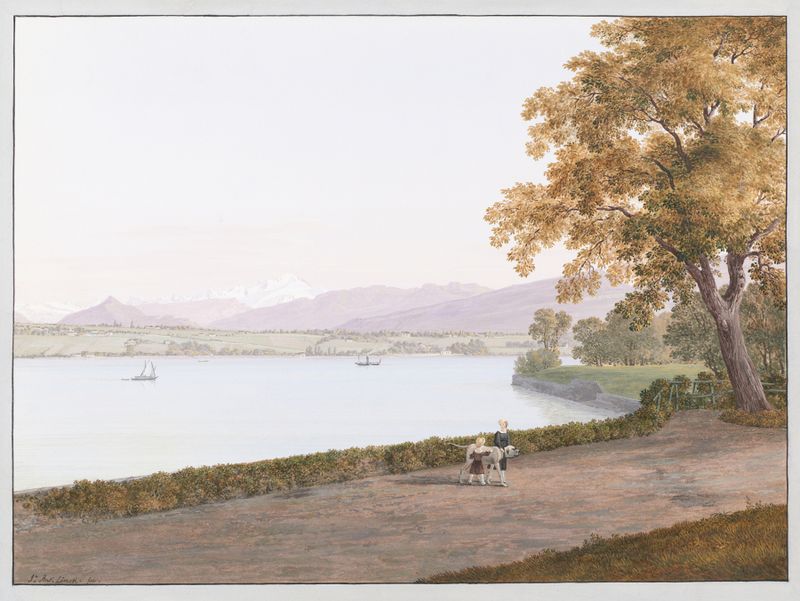
Vue du Lac Léman près de Genève
Jean-Antoine Linck
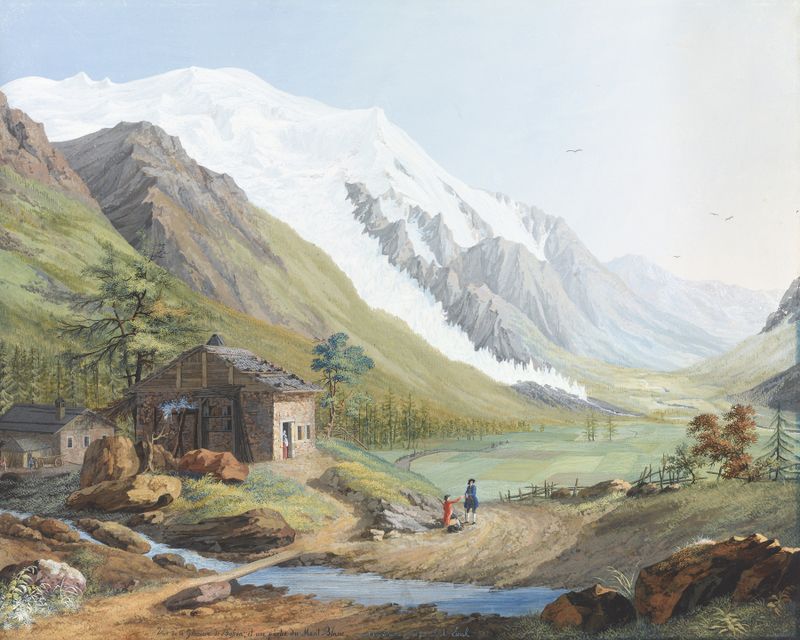
Vue de la Glaciere de Bosson, et une partie du Mont Blanc
Jean-Antoine Linck
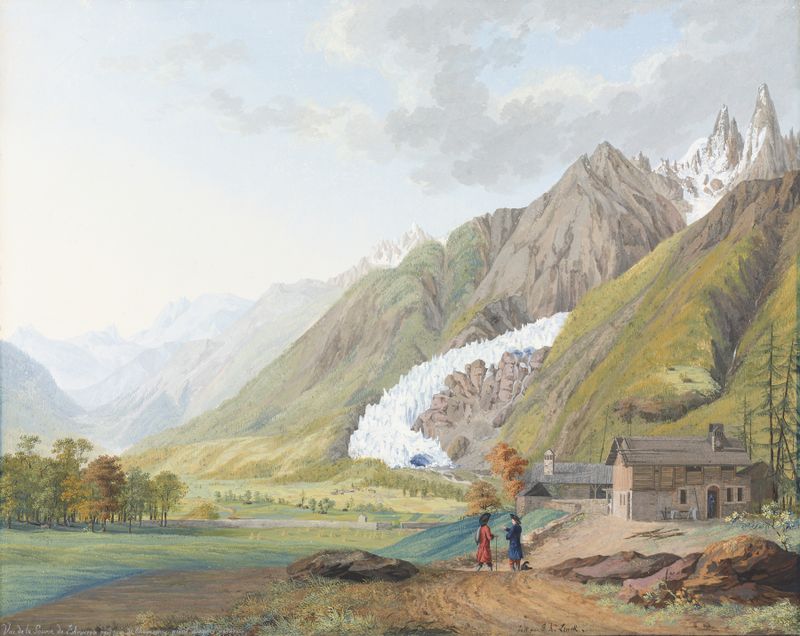
Vue de la Sourse de l’Arveron prit près de Chamouny peint d’après nature
Jean-Antoine Linck
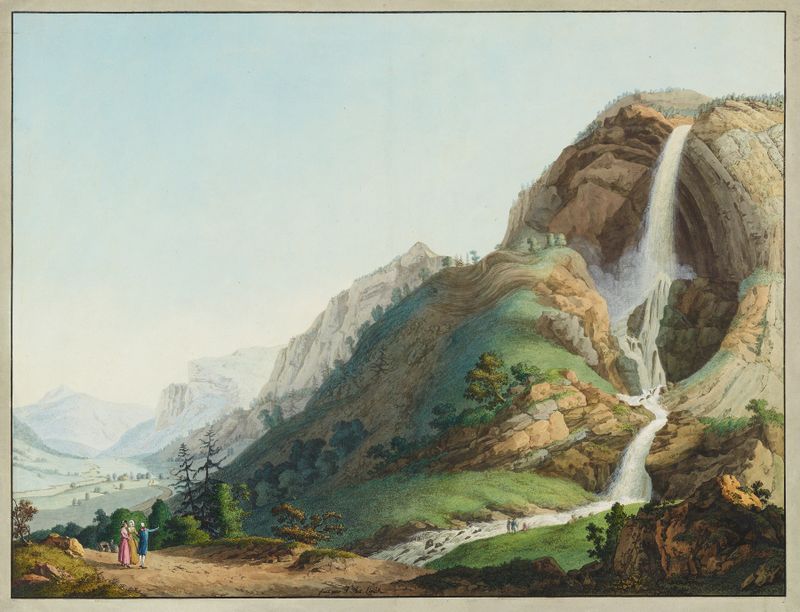
Vue de la Cascade de l’Arpenas
Jean-Antoine Linck
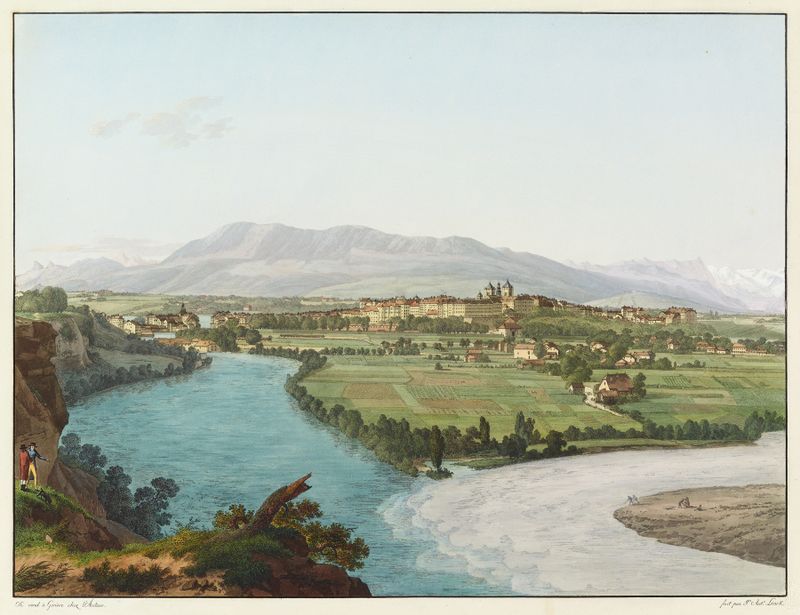
Vue de Genève & Jonction de l’Arve avec le Rhône
Jean-Antoine Linck
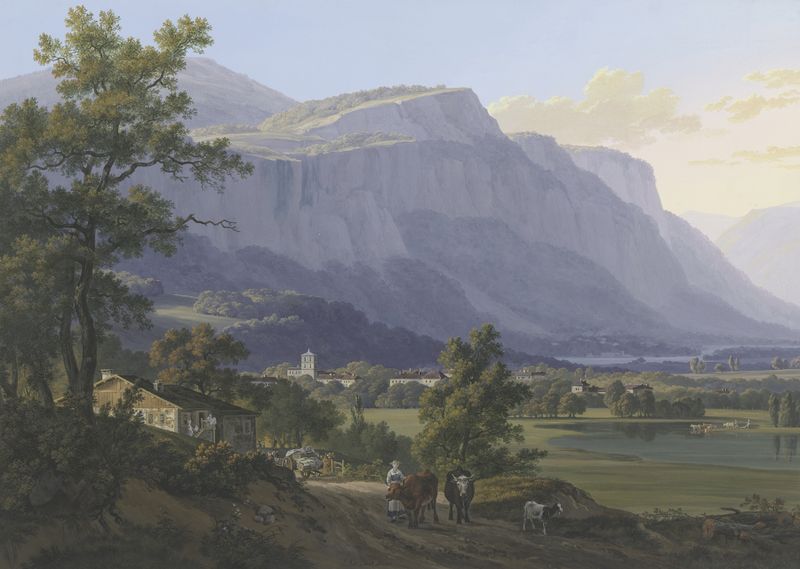
Vue de la ville de St. Jeoire à 5. lieus de Genève, et des Montagnes de Machily, et Fausigny
Jean-Antoine Linck
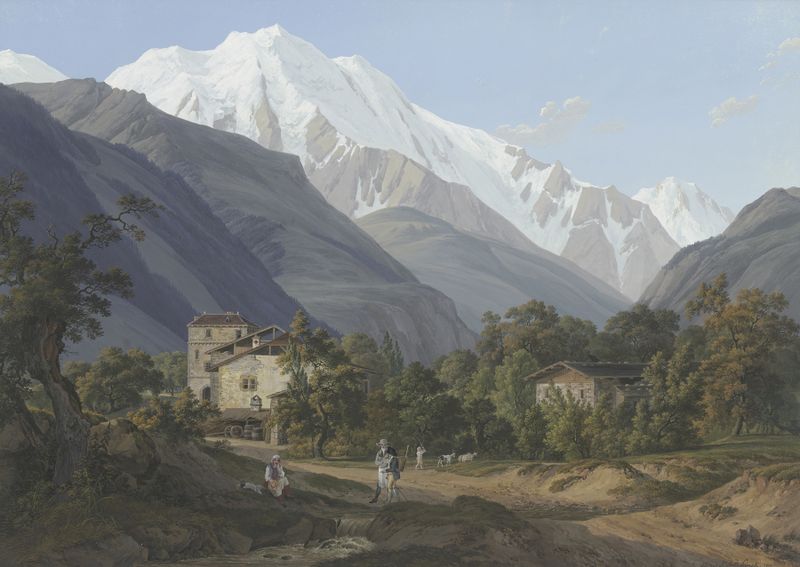
Vue de St. Gervais, de l’Aiguille blance, & du bon homme
Jean-Antoine Linck





