Lake at the foot of Bandaisan Mountain — History & Facts
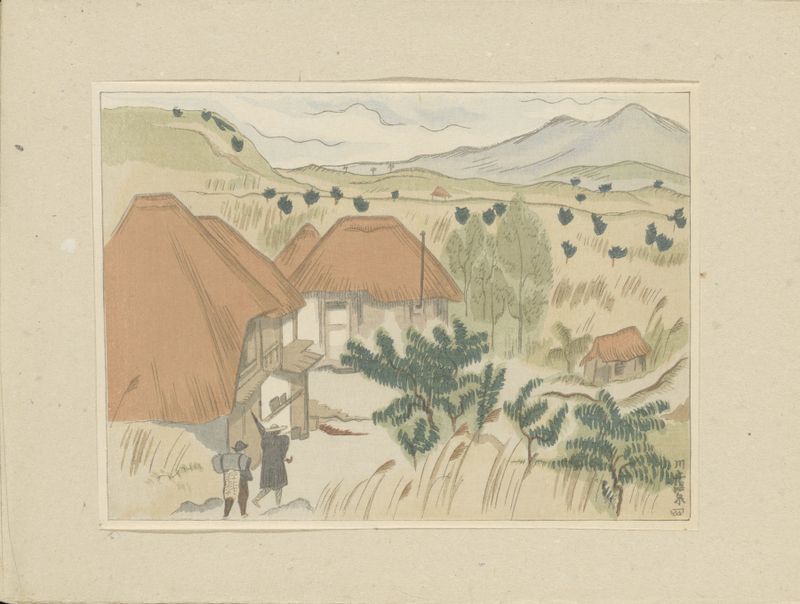
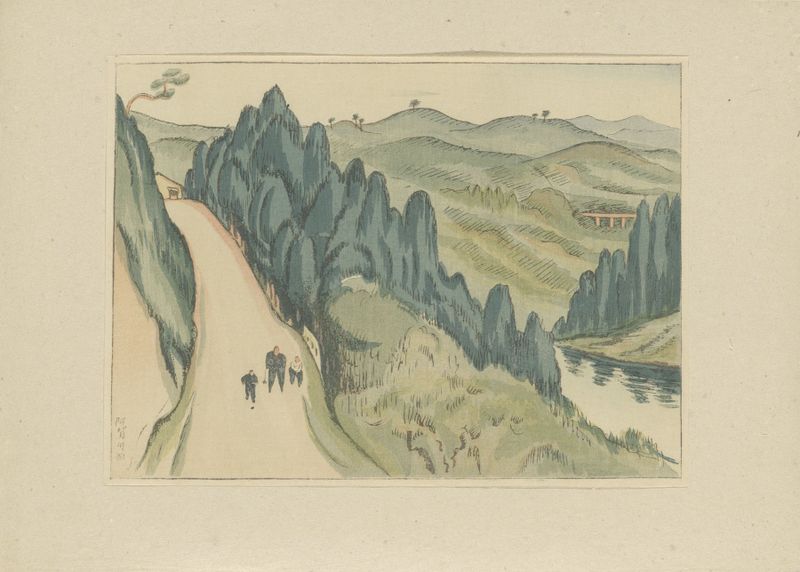
In Lake at the foot of Bandaisan Mountain, the tumultuous energy of nature converges into a serene tableau, striking a balance that invites contemplation. This moment captured on canvas embodies the delicate interplay between disorder and tranquility, urging us to reflect on the beauty that can arise from apparent chaos. Focus on the shimmering surface of the lake, where vibrant strokes of blue and green create a sense of movement that dances with the light. The mountain looms majestically in the background, its rugged contours softened by the gentle hues of twilight.
Notice how the layers of paint interact; the thick impasto technique adds texture and depth, while the subtle gradations of color suggest a flickering harmony between the vivid chaos of foliage and the calm stillness of the water beneath it. As you delve deeper, consider the contrast presented between the tumult of the mountainous terrain and the placid lake. The vibrant colors symbolize the vitality of life, yet they are juxtaposed with the serene, reflective quality of the water, embodying a moment of quiet introspection amidst nature's wildness. This duality speaks to a universal experience — the oscillation between external chaos and inner peace. Morita Tsunetomo created this work in 1917, a time marked by significant social change in Japan as it transitioned into modernity.
Living in a period of artistic experimentation, Tsunetomo was influenced by Western techniques and philosophies while remaining deeply rooted in natural landscapes. This painting reflects both the turmoil of the era and the artist's profound appreciation for the calming beauty found in the natural world.