Kawakami hot springs — History & Facts
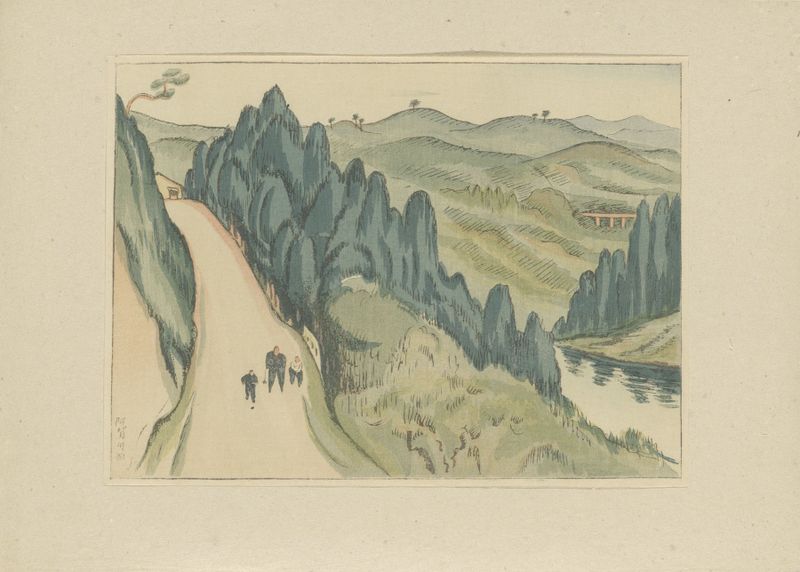
This notion echoes powerfully in a work that invites viewers to peel back layers of gilded tranquility. The delicate interplay between calm and turmoil becomes a revelation, prompting introspection and deeper understanding. Focus on the shimmering surface that captures sunlight, drawing your eye to the pool’s edge where subtle ripples hint at unseen depths. The warm palette, infused with golds and soft blues, evokes a serene atmosphere, while the meticulous brushwork reflects the artist's mastery in capturing both the natural beauty and the emotional weight of the scene.
Each stroke seems to breathe life into the water, inviting the viewer to imagine the stories hidden within its depths. Yet, beneath this tranquil facade lies a complex emotional landscape. The juxtaposition of warm light against the coolness of the water speaks to the balance between joy and sorrow inherent in the human experience. This duality prompts contemplation—are we watching a moment of quiet reflection or the surface of deeper, unresolved feelings? Attention to detail reveals that each element, from the mossy stones to the distant trees, plays a role in this delicate tension between beauty and melancholy. In 1917, Morita Tsunetomo created this poignant piece during a period of significant change in Japan.
As the country navigated the tumult of modernization and the aftermath of World War I, the artist sought to capture the essence of serene landscapes infused with emotional depth. This work reflects a personal and collective quest for solace amidst a rapidly transforming world—a testament to the timeless nature of beauty intertwined with pain.