Near Lake Nippara — History & Facts
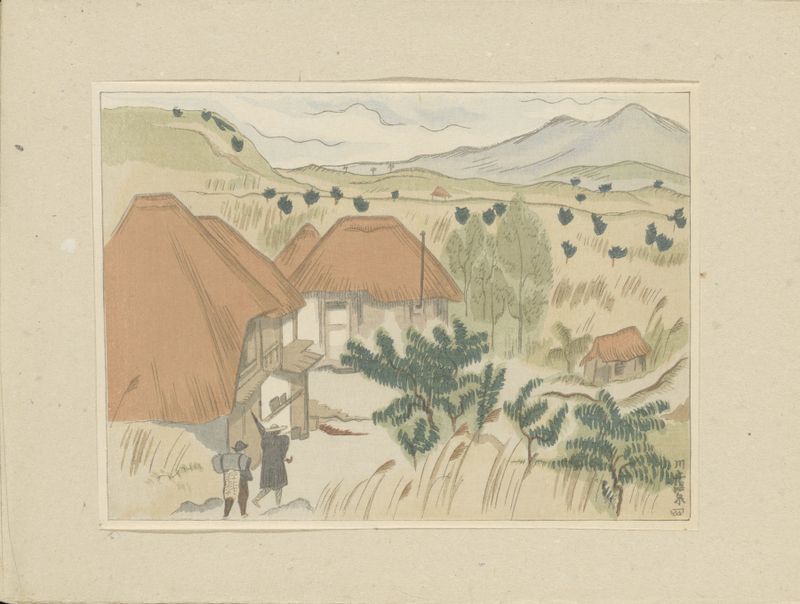
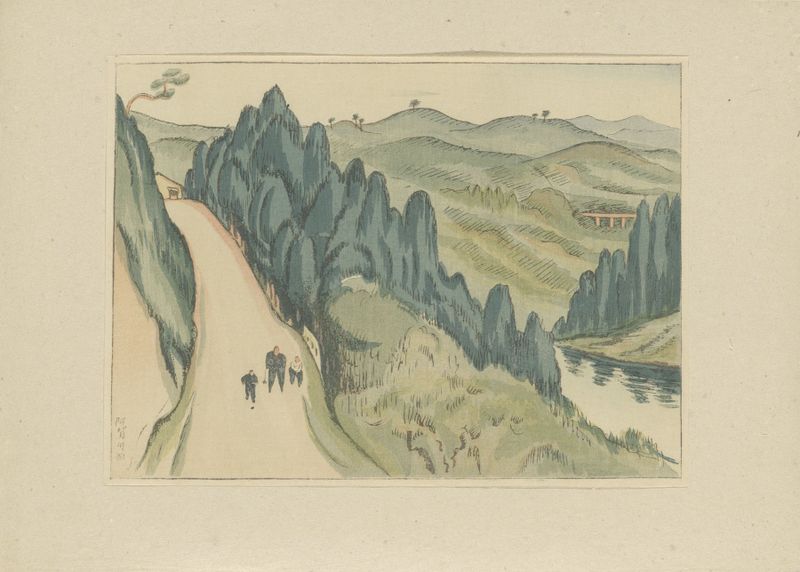
Did the painter know this moment would outlive them? In Near Lake Nippara, the silent interplay of light and shadow creates a contemplative atmosphere that invites viewers to reflect on their own transient existence. Look to the center of the canvas, where a serene lake mirrors the surrounding landscape. The deep blues of the water blend seamlessly with the soft hues of the sky, while the silhouettes of distant mountains are softened by the ethereal glow of twilight. Notice how the light dances on the surface, casting delicate reflections that pull the eye inward, drawing you deeper into this tranquil scene.
The brushstrokes are deft yet gentle, creating a sense of calm that pervades the painting. Within this serene composition lies a poignant tension between stillness and the inevitable passage of time. The juxtaposition of the vibrant sky against the darkening water suggests the fleeting nature of daylight, as if the moment captured is both perfect and impermanent. Shadows stretch long across the landscape, emphasizing the encroaching night, hinting at the transient beauty of life itself.
Each element, from the tranquil water to the silhouetted trees, holds a deeper resonance about the balance between light and darkness. In 1917, Morita Tsunetomo painted this work during a time of personal reflection and cultural introspection in Japan. Influenced by the shifting tides of modernization and the remnants of traditional art forms, he sought to capture the essence of natural beauty. This painting emerged at a pivotal moment in his life, as he blended Western techniques with the delicate sensibilities of Eastern aesthetics, creating a bridge between the two worlds.