The Aga River — History & Facts
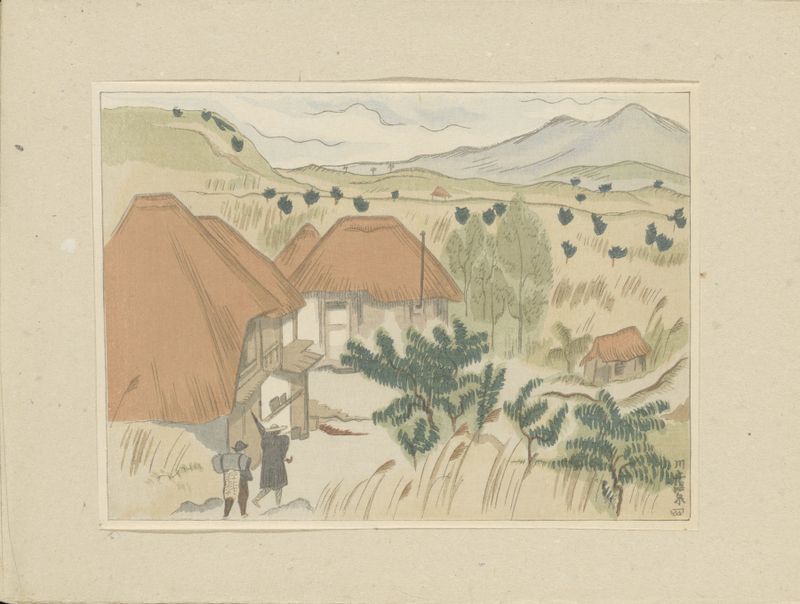
What secret hides in the quiet of the canvas? Beneath the surface of The Aga River, lifeless waters conceal whispers of stories untold. Look to the center, where the gentle ripples of the river shimmer like glass, capturing the soft hues of twilight. Notice how the deep blues blend seamlessly with hints of lavender and gold, creating a harmonious palette that invites contemplation. The delicate brushstrokes evoke movement, yet the stillness of the scene captivates the viewer, drawing eyes toward the calming reflection of the overhanging trees and the distant mountains.
Here, nature holds its breath, and the hues blend into a serene embrace. Within the tranquil setting lies a contrast between the calm waters and the unseen currents beneath, suggesting a hidden depth that mirrors human emotions. The dark silhouettes of the trees stand sentinel, hinting at the passage of time and secrets buried within nature's stillness. Each brushstroke, from the lightest touch to the deepest shadow, tells of serenity yet also speaks to the complexities of existence — a reminder that beneath calm surfaces, turbulence often persists. In 1917, Morita Tsunetomo painted this piece during a period of significant transition for Japan, as the nation was grappling with the impacts of World War I and the Meiji Restoration's lingering effects on society.
Living in a time of artistic evolution, he sought to capture the essence of nature and the profound connection it holds with human emotion, allowing the viewer a glimpse into a reflective moment that resonates through time.