
Lake Grunewald — History & Facts
Did the painter know this moment would outlive them? Lake Grunewald captures the delicate balance between nature and transience, inviting reflection on human fragility amidst the vastness of the world. Look to the foreground where gentle ripples disturb the lake’s surface, creating a dance of light that shimmers with a life of its own. The soft blues and greens blend harmoniously, while the wispy clouds above seem to weave a connection between the land and sky. Notice how the trees frame the scene, their emerald leaves whispering secrets to the water below, as if nature itself holds its breath, suspended in peace. Within this idyllic landscape, the contrast between vibrant life and the stillness of water speaks to deeper themes of impermanence.
The interplay of light and shadow on the lake’s surface evokes a sense of fleeting beauty, reminding us that moments like this are ephemeral. The careful brushwork hints at the artist’s awareness of fragility, encapsulating the notion that while nature endures, individual experiences remain transient and precious. In 1895, Walter Leistikow painted Lake Grunewald at a time when the Symbolist movement was gaining traction in Germany, reflecting a shift towards introspection and mood in art. He was influenced by the Impressionist techniques that emphasized light and atmosphere, as well as the growing appreciation for landscapes that portrayed emotional resonance.
This work emerged during a period where nature was seen as both a refuge and a source of inspiration, mirroring the artist's own connection to the serene beauty of the world around him.
More Artworks by Walter Leistikow
Browse all →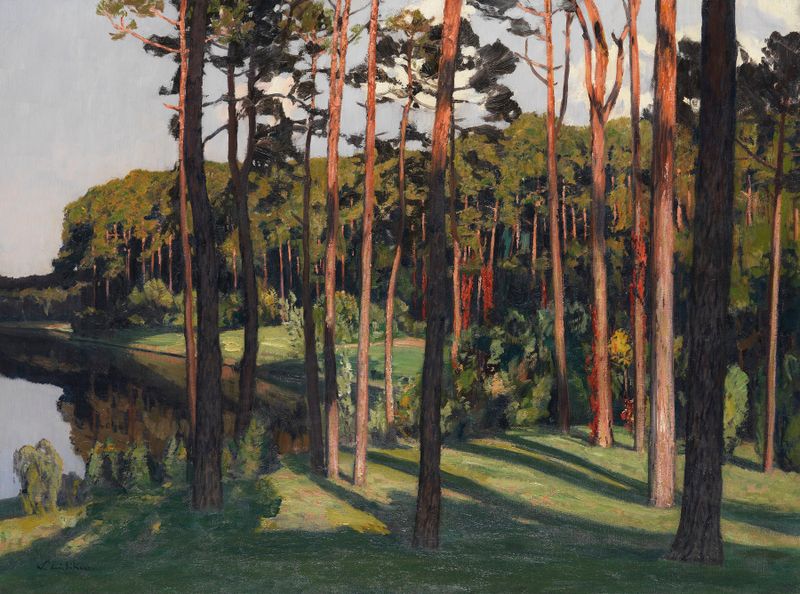
Märkische Landschaft
Walter Leistikow

Grunewaldsee
Walter Leistikow

Birken am Seeufer bei untergehender Sonne
Walter Leistikow
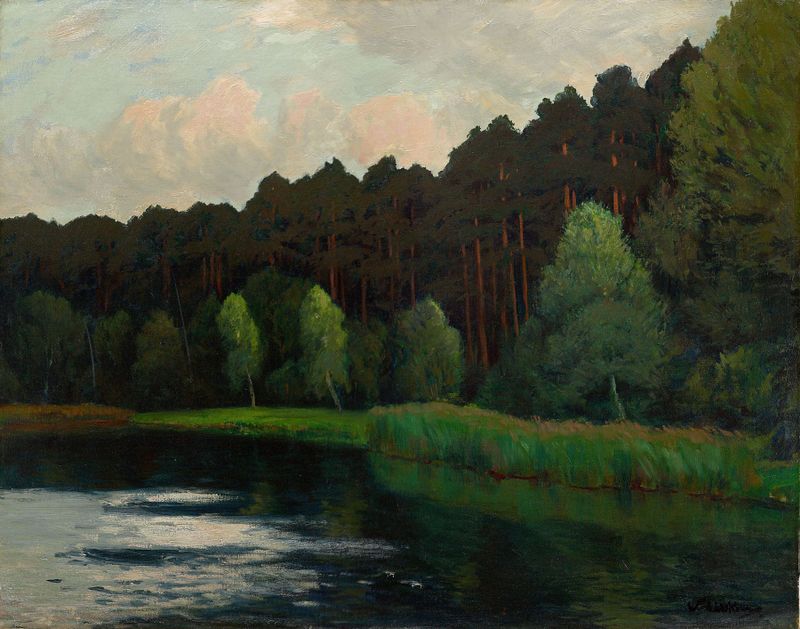
Märkischer See
Walter Leistikow
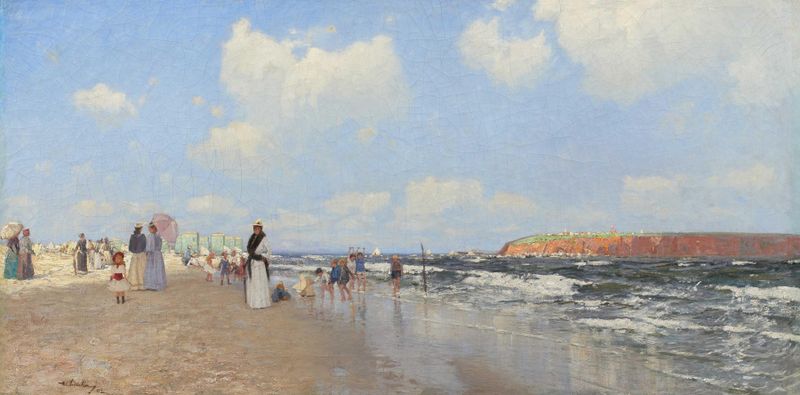
Strandpromenade von Helgoland
Walter Leistikow

Sailing Ships On The Baltic Sea
Walter Leistikow
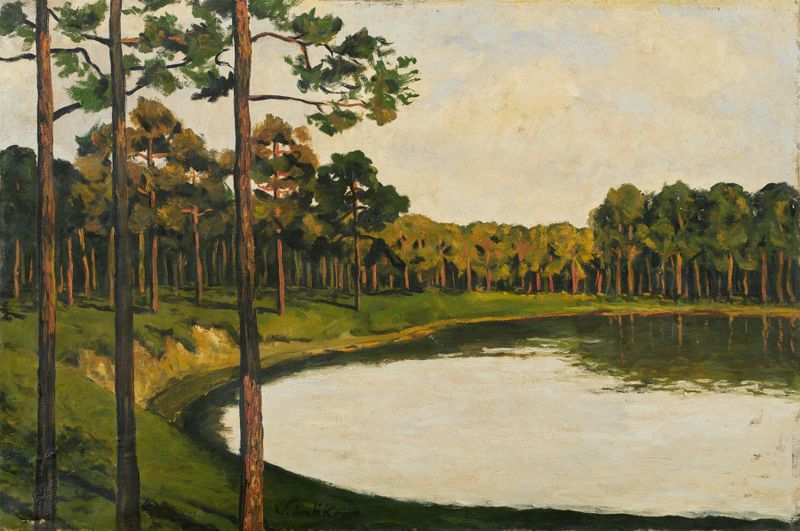
Grunewaldsee
Walter Leistikow
Garten in Grünheide
Walter Leistikow
Grunewaldsee
Walter Leistikow
Grunewaldsee am Morgen
Walter Leistikow





