
Lake Tahoe — History & Facts
In Lake Tahoe, serenity flows like a gentle breeze across the canvas, inviting viewers to escape into a moment of tranquil beauty. The vastness of nature whispers stories, beckoning us to find solace in its embrace. Focus on the shimmering surface of the lake, where it reflects the azure sky and towering mountains. As your gaze drifts across the scene, notice how the sunlight filters through the trees, casting dappled shadows on the shore.
Bierstadt's deft brushwork and harmonious color palette evoke a sense of peace, with soft greens melding into rich blues, creating an idyllic vista that feels almost untouched by time. Yet, beneath this tranquil exterior lies a tension between nature's grandeur and humanity's thirst for exploration. The towering pines stand sentinel over the still waters, hinting at both the beauty and fragility of this pristine environment. The composition invites contemplation, suggesting an underlying narrative about the balance between human presence and the raw power of nature. In 1872, Bierstadt painted Lake Tahoe during a pivotal moment in American art, where the transcendental movement was flourishing.
He was inspired by the West's vast landscapes, capturing the awe of America's natural wonders. This period marked a growing fascination with the untamed frontier, as the nation grappled with its identity in a rapidly changing world.
More Artworks by Albert Bierstadt
Browse all →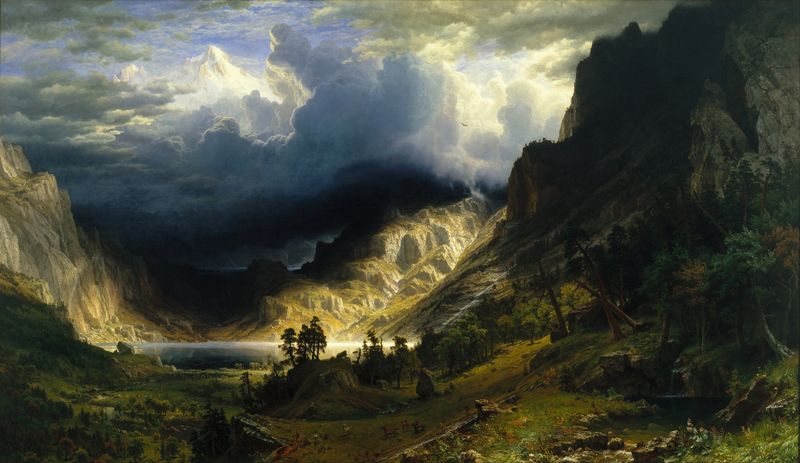
A Storm in the Rocky Mountains, Mt. Rosalie
Albert Bierstadt
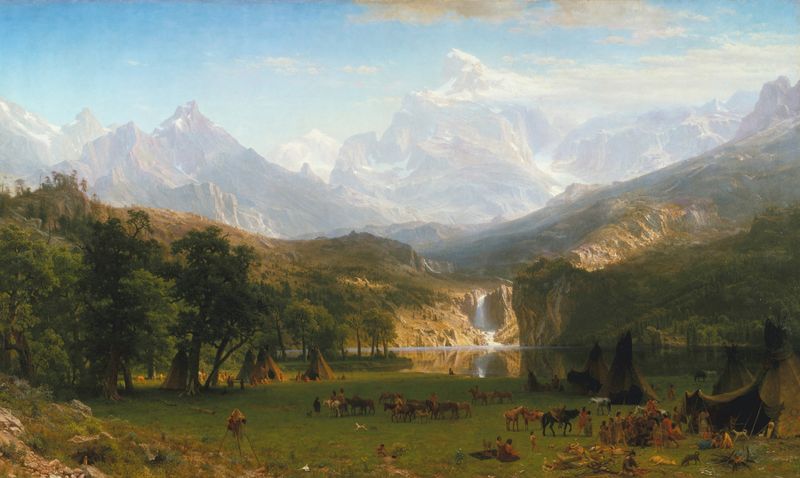
The Rocky Mountains, Lander’s Peak
Albert Bierstadt
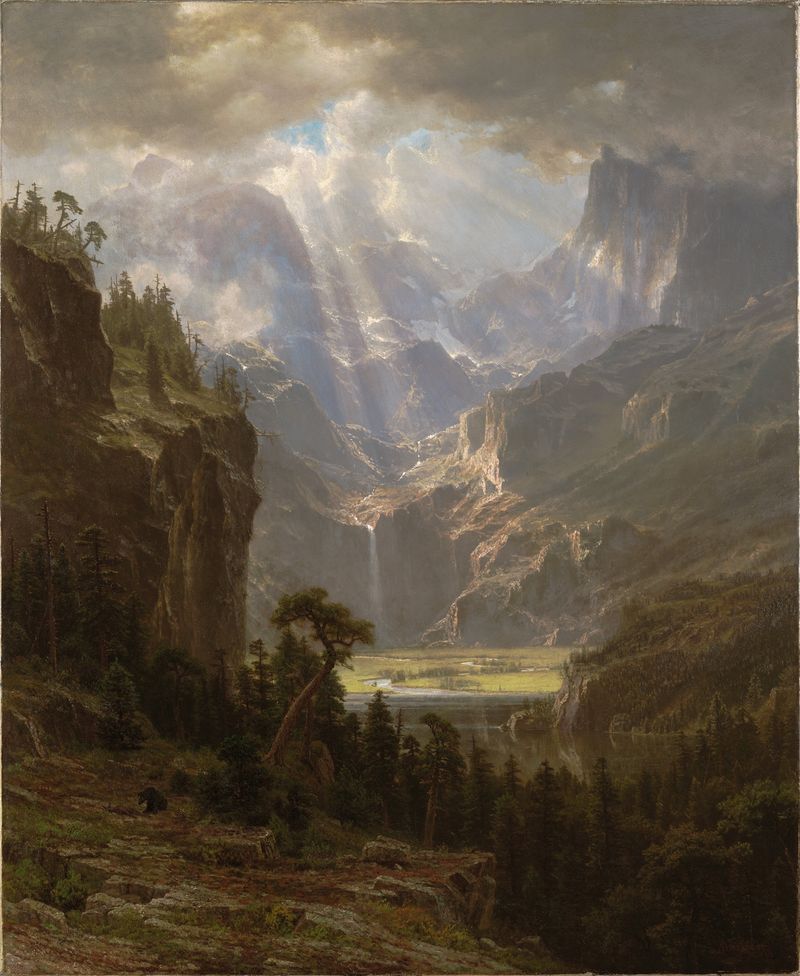
Rocky Mountains, Lander’s Peak
Albert Bierstadt
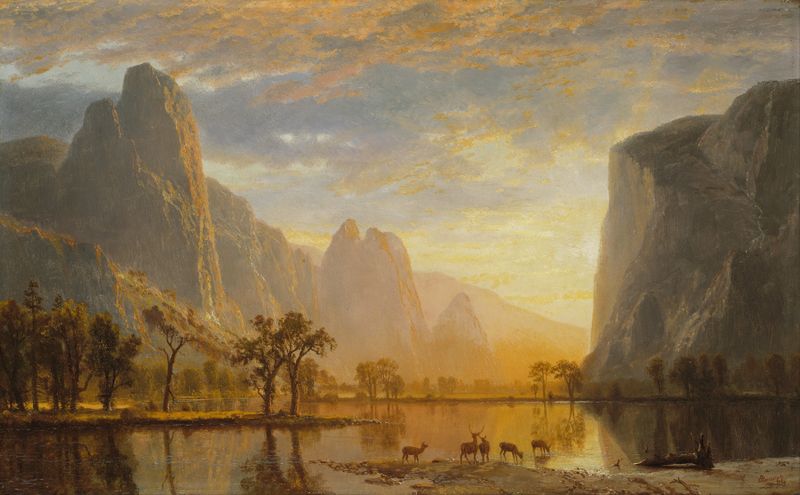
Valley of the Yosemite
Albert Bierstadt
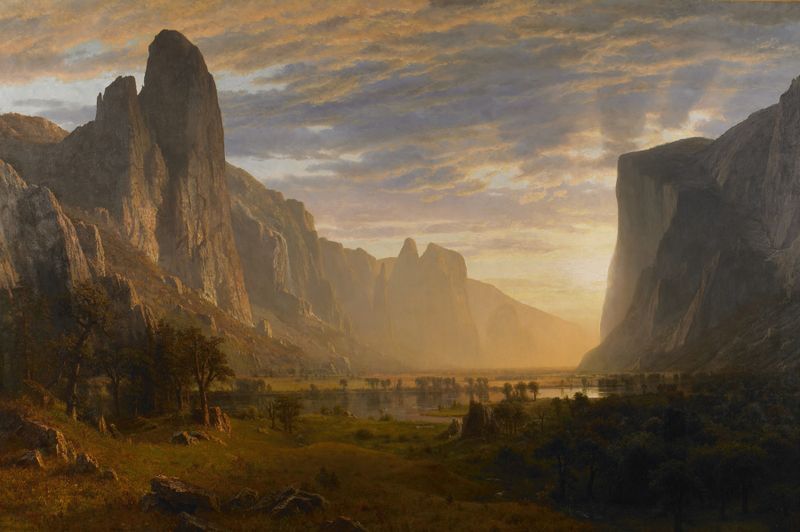
Looking Down Yosemite Valley, California
Albert Bierstadt
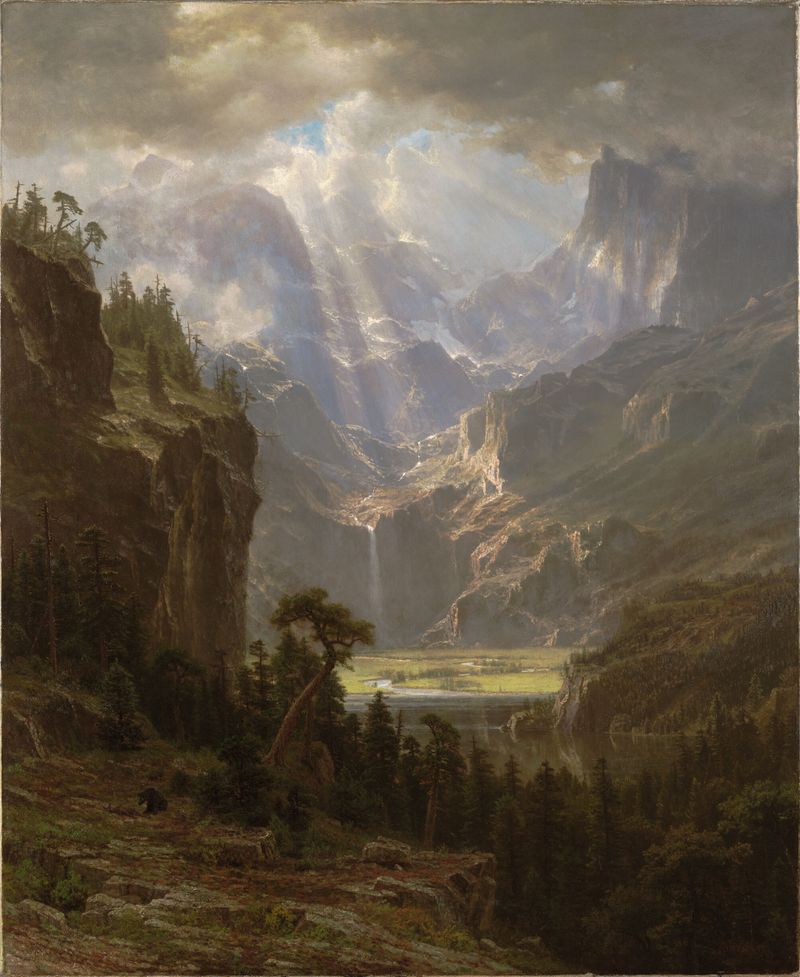
Rocky Mountains, "Lander's Peak"
Albert Bierstadt
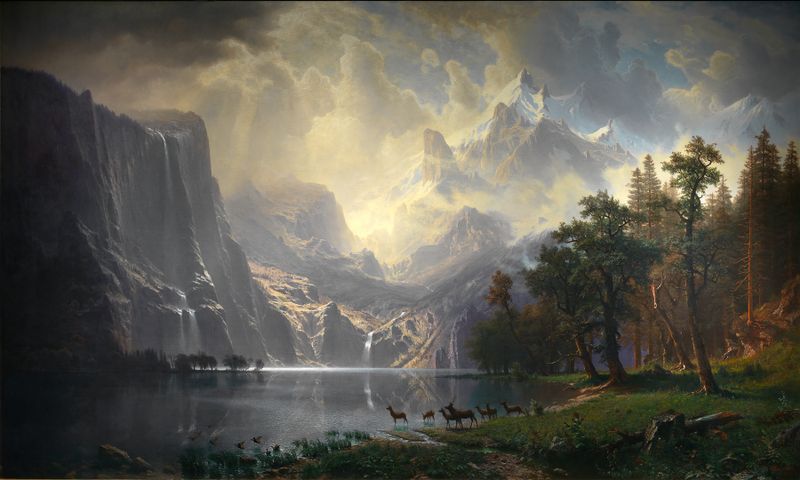
Among the Sierra Nevada, California
Albert Bierstadt
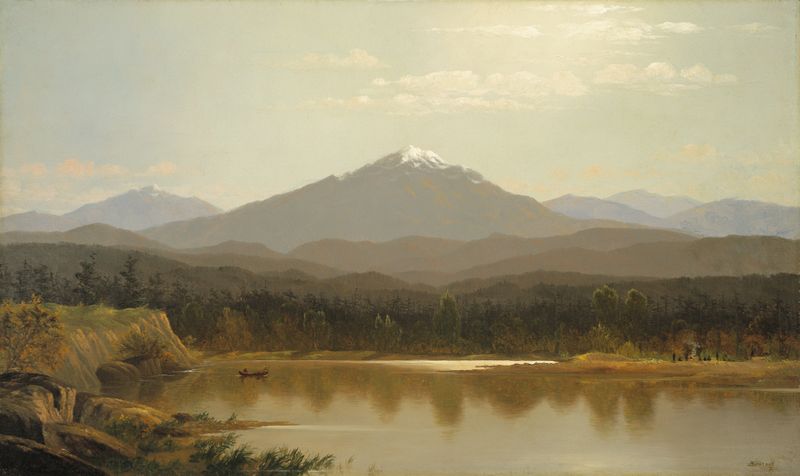
Laramie Peak
Albert Bierstadt
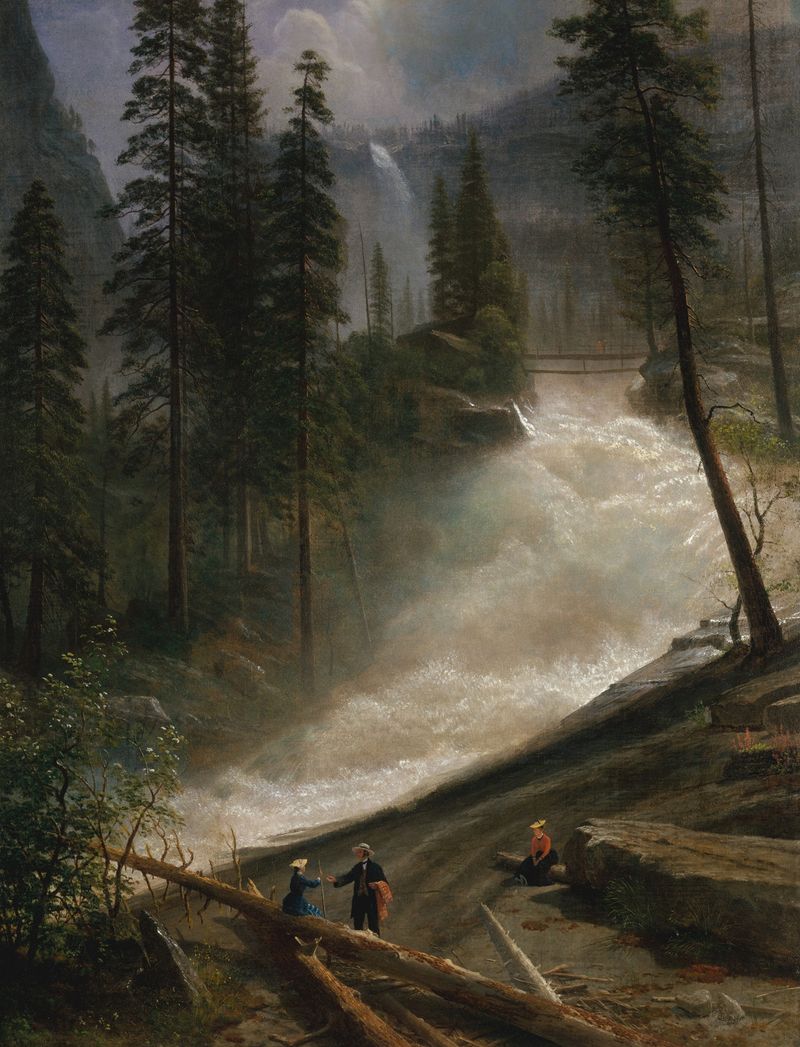
Nevada Falls, Yosemite
Albert Bierstadt
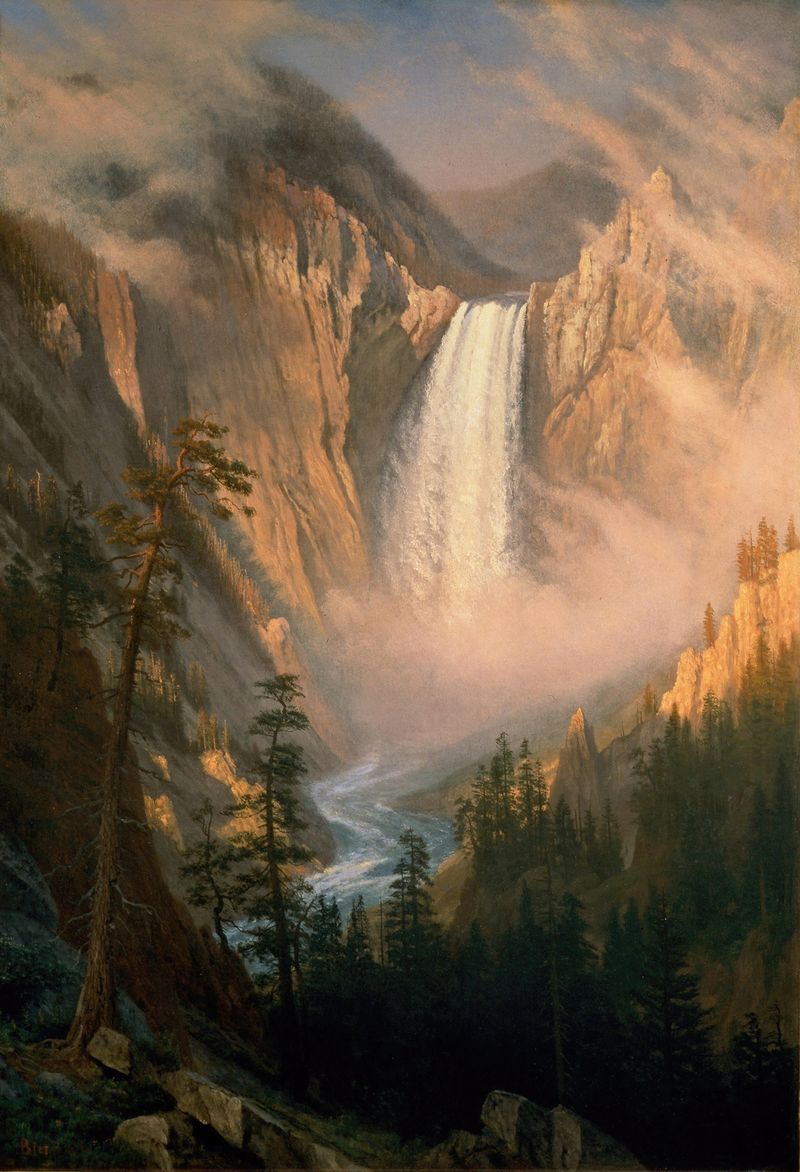
Yellowstone Falls
Albert Bierstadt





