
Lake Windermere — History & Facts
Time dances delicately on the surface of water, whispering stories of the past while mirroring the present. In the interplay of hues, one can sense the weight of nostalgia and the fleeting nature of existence. Look to the left, where the rolling hills cradle the serene expanse of water. Shades of blue and green blend harmoniously, punctuated by soft touches of white clouds that float gently above.
Notice how the strokes of the brush create a sense of movement, as if the water itself breathes, inviting you to step closer into this tranquil memory. The light spills across the canvas, illuminating the scene with a soft glow that evokes both peace and longing. Beneath this placid surface, however, lies a tension between the ephemeral and the eternal. The stillness of the lake contrasts sharply with the vibrant colors, revealing how moments of beauty are often fleeting and yet indelible.
The juxtaposition of light and shadow hints at the often-overlooked complexities of nature—how serenity can be both a balm and a reminder of time's passage. In 1786, amidst the rise of the Romantic movement, Francis Towne painted this work while immersing himself in the picturesque landscapes of England. Life in the late 18th century was shifting, with artists increasingly drawn to the natural world as a source of inspiration. Towne’s keen observations of light and atmosphere reflected a broader artistic awakening, as he sought to capture the essence of fleeting beauty in an ever-changing world.
More Artworks by Francis Towne
Browse all →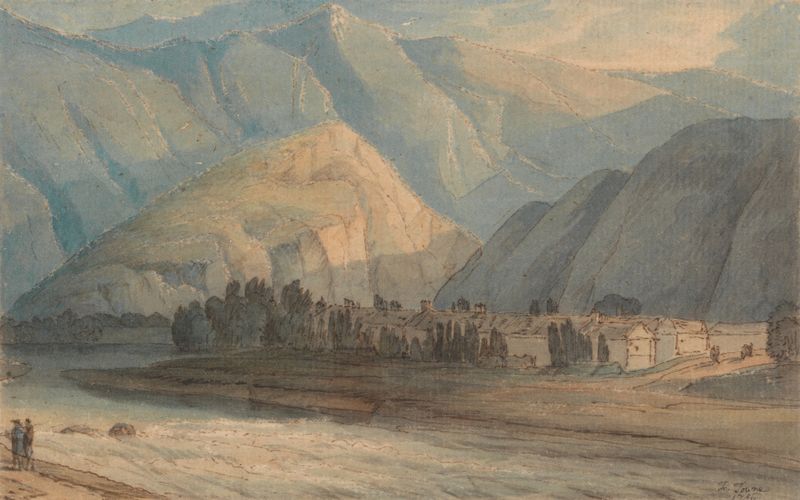
The Grange at the Head of Keswick Lake
Francis Towne

Vauxhall Stairs, from Millbank, July 5, 1797
Francis Towne

View in Borrowdale of Eagle Crag and Rosthwaite
Francis Towne

View of Lake Como with Monte Leoni
Francis Towne
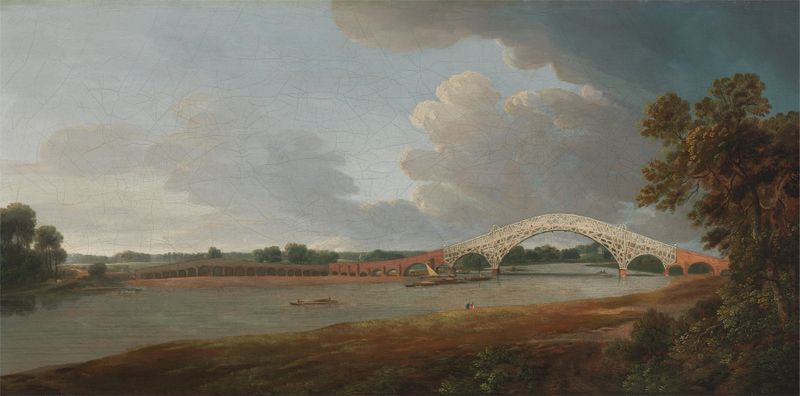
Old Walton Bridge
Francis Towne
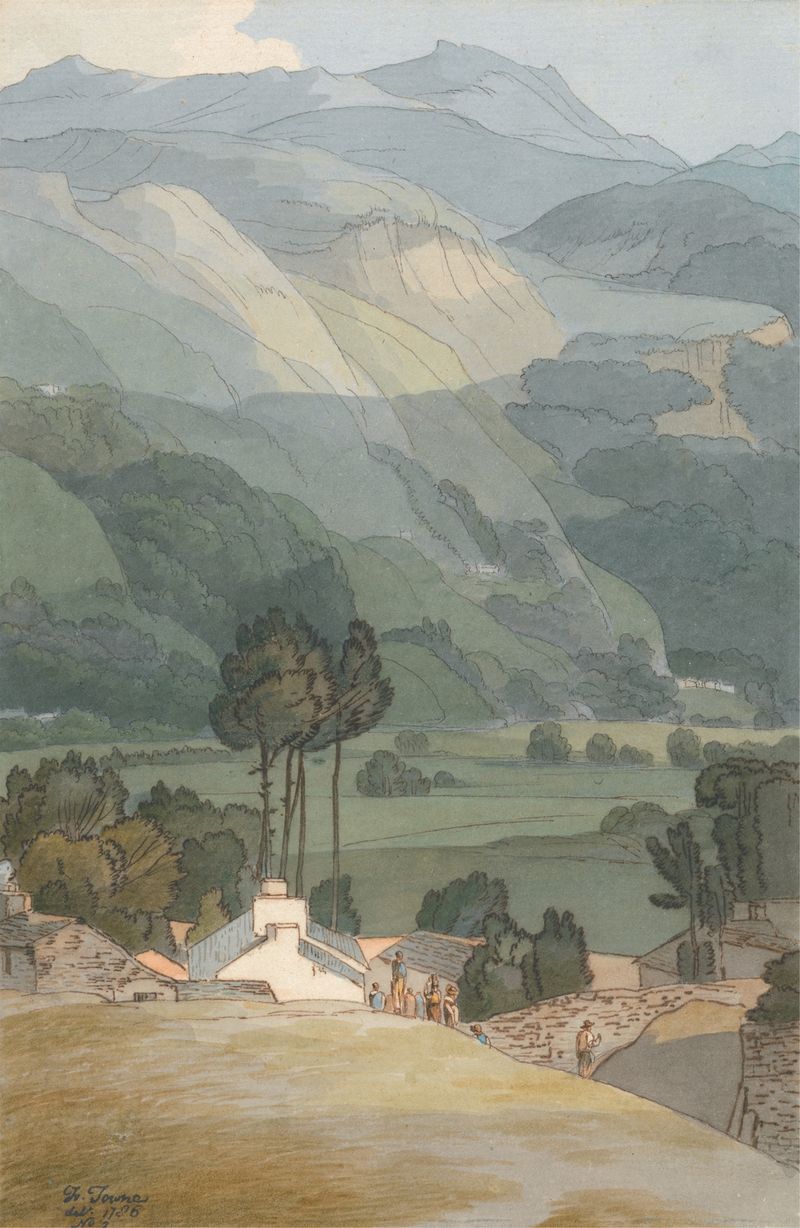
Ambleside
Francis Towne
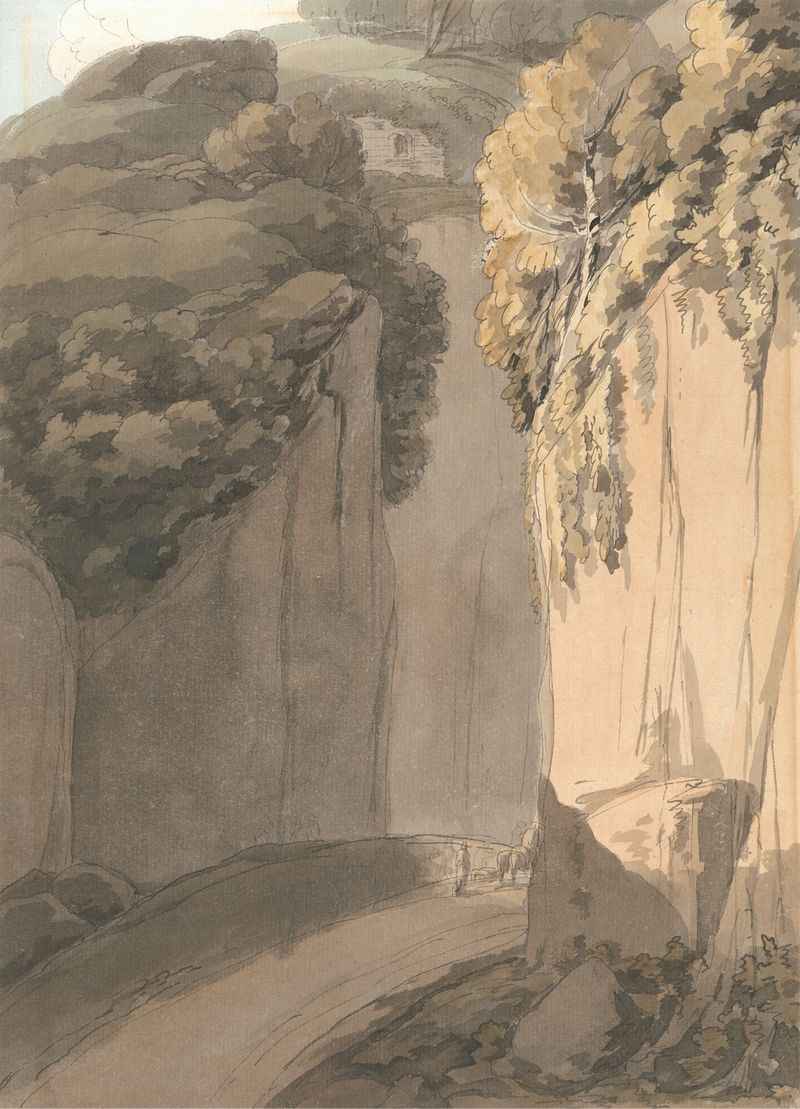
Entrance to the Grotto at Posilippo, Naples
Francis Towne

The Claudian Aquaduct, Rome
Francis Towne

A View Near the Arco Scuro, Looking Towards the Villa Medici, Rome
Francis Towne

View of the Rhydaer
Francis Towne





