
Lamentation over the Body of Christ — History & Facts
Could a single brushstroke hold eternity? In Lamentation over the Body of Christ, a poignant narrative unfolds, encapsulating both sorrow and reverence in a moment suspended in time. It is a piece that invites viewers to awaken to the depth of grief and loss, captured with the delicate precision of the artist's hand. Focus on the central figure, Christ's lifeless body, cradled in the arms of Mary. The soft, muted palette harmonizes with the somber atmosphere, drawing the eye to the tender gestures—the way Mary's fingers gently caress her son’s face, a heartbreaking testament to maternal love.
The contrast of light and shadow enhances the emotional weight, as the divine light emanates subtly from above, illuminating the figures and casting a glow that signifies both hope and despair. Beneath the surface, the painting resonates with complex emotions; the juxtaposition of life and death is palpable. Notice the expressions on the faces of the mourners, each a unique manifestation of grief, capturing the collective sorrow of humanity. The fine details, from the embroidered garments to the intricate folds of fabric, serve not just as embellishments but as symbols of devotion, grounding the sacred event in reality while inviting the viewer into a shared moment of compassion. Gerard David created this masterpiece around 1500, during a time of early Northern Renaissance, rooted in Bruges.
As he painted, the art world was shifting towards greater realism and emotional expression, reflecting the spiritual and societal changes of the era. This work not only embodies David's mastery of oil painting but also signals a profound moment in art history, where the sacred and the human experience intertwine seamlessly.
More Artworks by Gerard David
Browse all →
The Nativity with Donors and Saints Jerome and Leonard
Gerard David
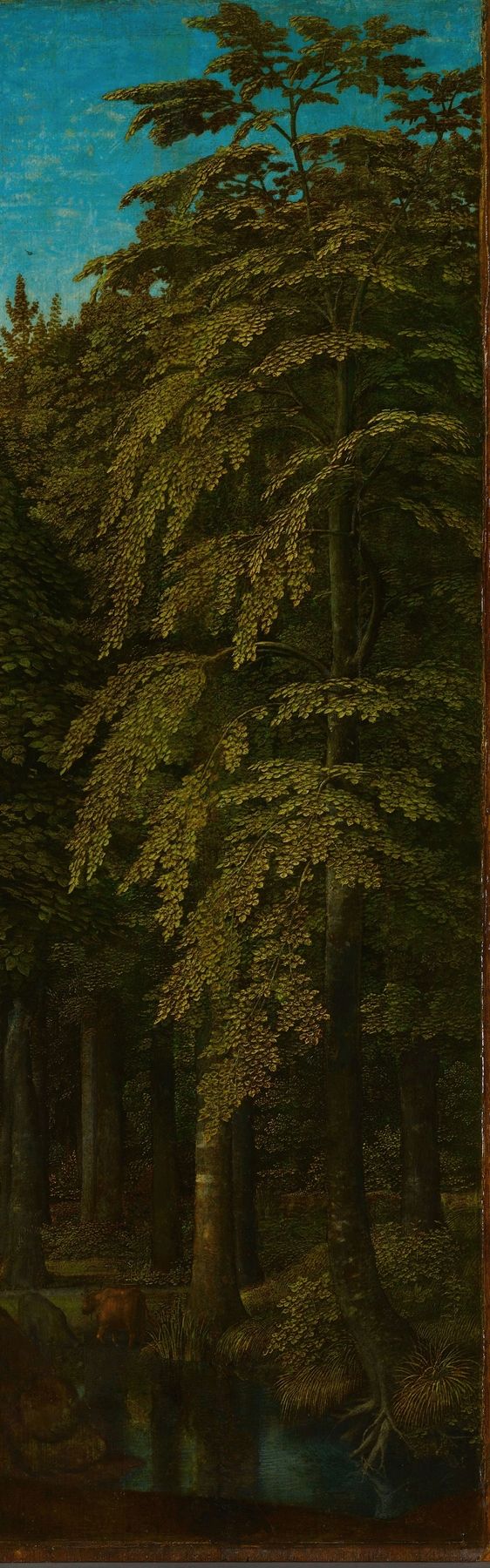
View in a Forest, outer right wing of a triptych
Gerard David

Joos van der Burch and Saint Simon of Jerusalem
Gerard David
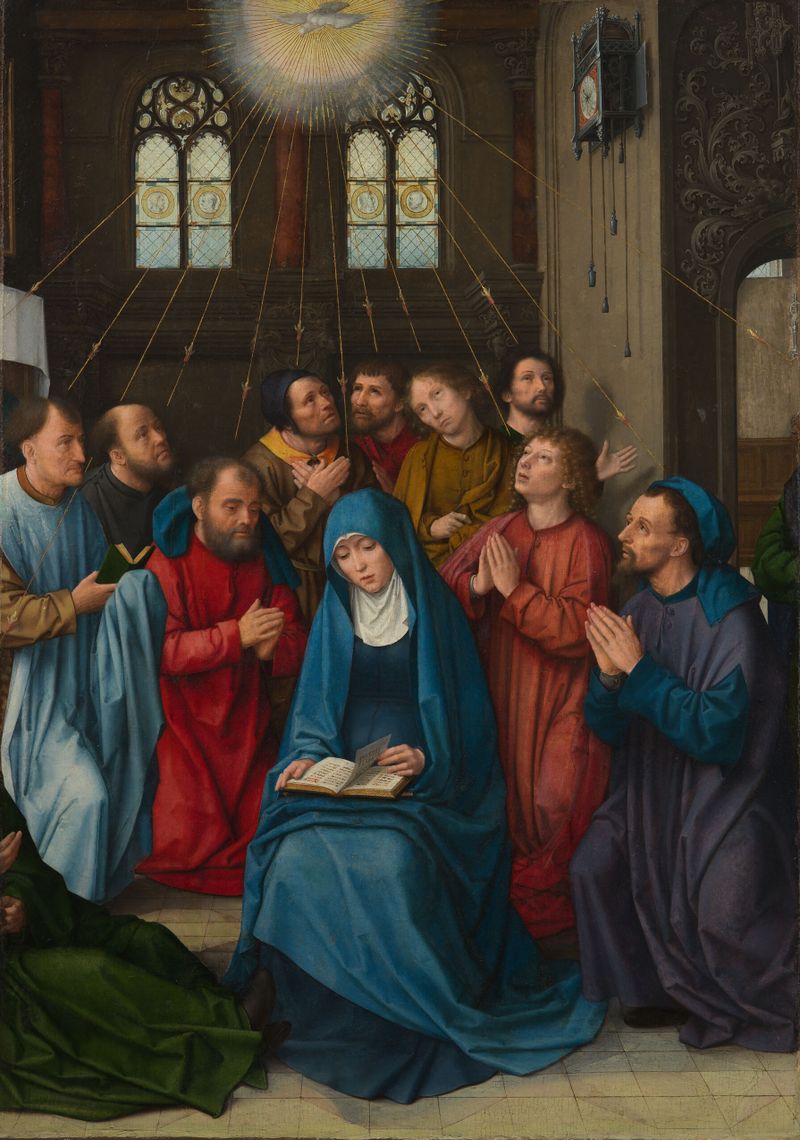
The Descent of the Holy Spirit
Gerard David
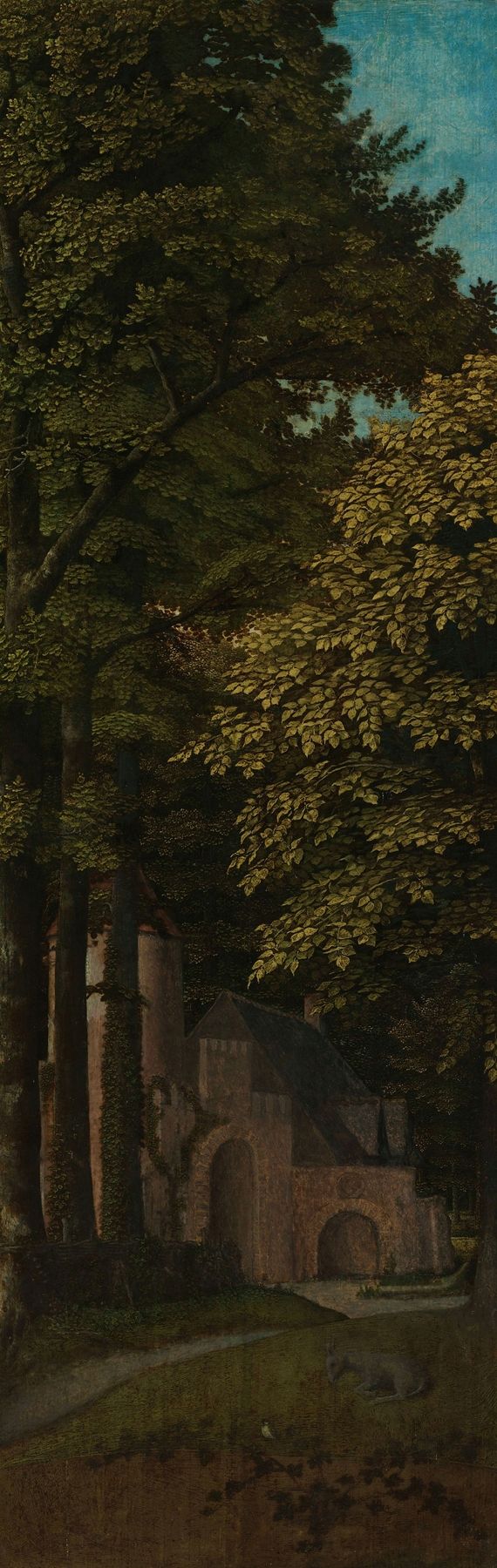
View in a Forest, Outer Left Wing of a Triptych
Gerard David
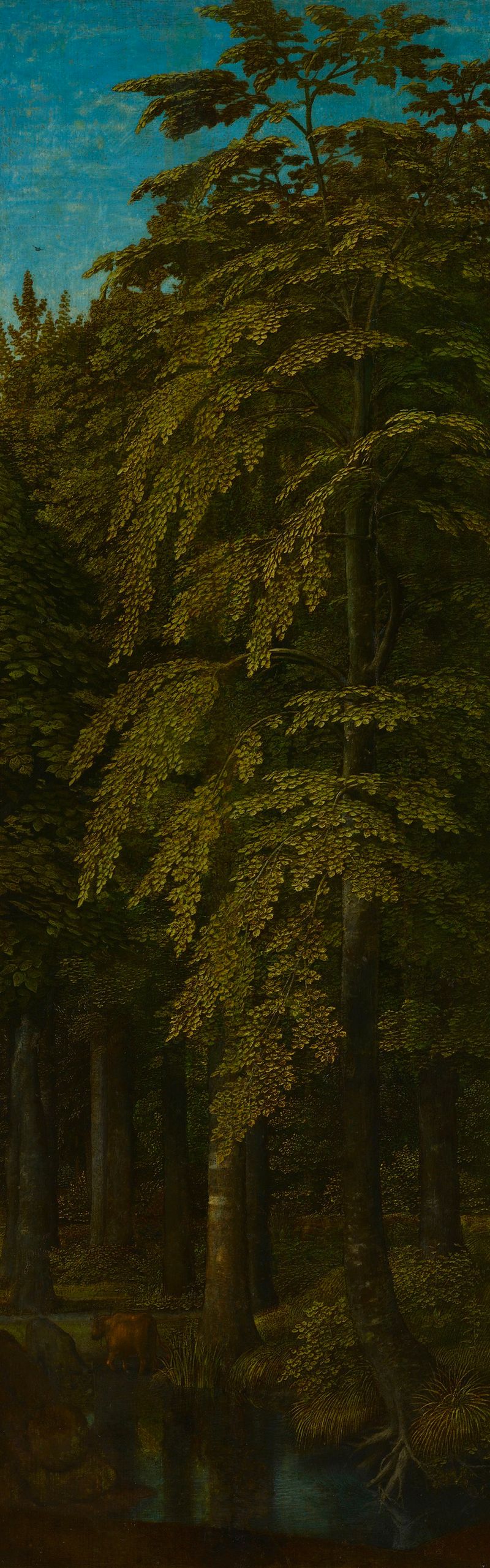
View in a Forest, outer right wing of a triptych
Gerard David
More Religious Art
Browse all →
The Return of the Prodigal Son
Rembrandt van Rijn

The Garden of Earthly Delights
El Bosco

Count Orgaz’ funeral
El Greco

The Hundred Guilder Print: the central piece with Christ preaching, the plate arched
Rembrandt van Rijn

The Descent from the Cross
Rogier van der Weyden

The return of the prodigal son
Rembrandt van Rijn