
The Descent of the Holy Spirit — History & Facts
It is within this delicate transformation that innocence breathes life into divine moments. In The Descent of the Holy Spirit, a sacred scene unfolds, capturing an ethereal shift from earthly turmoil to spiritual enlightenment. Look to the center of the canvas, where a radiant dove descends, symbolizing the Holy Spirit. Surrounding it, a group of figures is ensconced in a serene reverence, their expressions a blend of wonder and introspection.
Notice how the soft, golden light illuminates their faces, creating an almost celestial glow that contrasts with the muted tones of their garments. The painter's meticulous attention to detail in the folds of fabric and the soft brushwork elicits a sense of harmony that invites viewers to linger. Beneath the surface, the juxtaposition of innocence and divine presence permeates the work. The figures, embodying purity, seem caught between awe and humility, their gazes lifted towards the dove, representing the promise of grace.
This tension not only speaks to a moment of heavenly intervention but also evokes the universal quest for connection with the divine. The interplay of light and shadow further accentuates the emotional weight of the scene, suggesting that the descent of the Holy Spirit heralds an awakening from chaos to clarity. Gerard David painted this masterpiece around 1515 during a period of significant artistic evolution in the northern Renaissance. Living in Bruges, he was part of a flourishing art scene, steeped in the transition from Gothic to more humanistic themes.
The era was marked by a growing emphasis on individual experience and spirituality, which is poignantly reflected in this work that encapsulates both the innocence of faith and the complexity of divine revelation.
More Artworks by Gerard David
Browse all →
Lamentation over the Body of Christ
Gerard David

The Nativity with Donors and Saints Jerome and Leonard
Gerard David
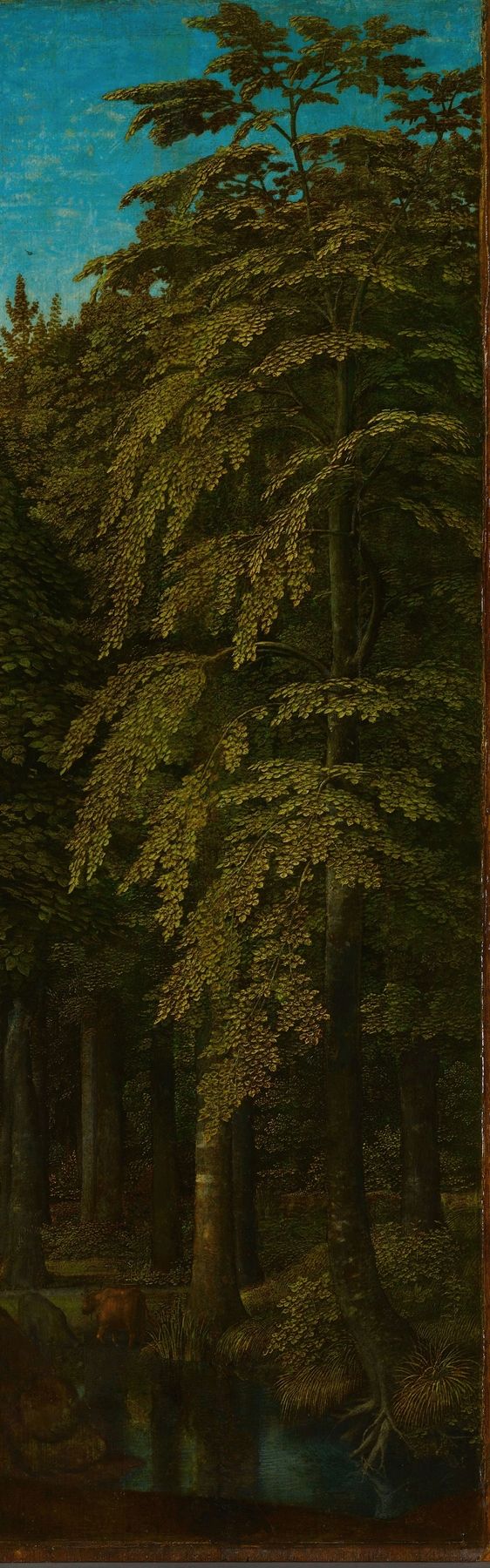
View in a Forest, outer right wing of a triptych
Gerard David

Joos van der Burch and Saint Simon of Jerusalem
Gerard David
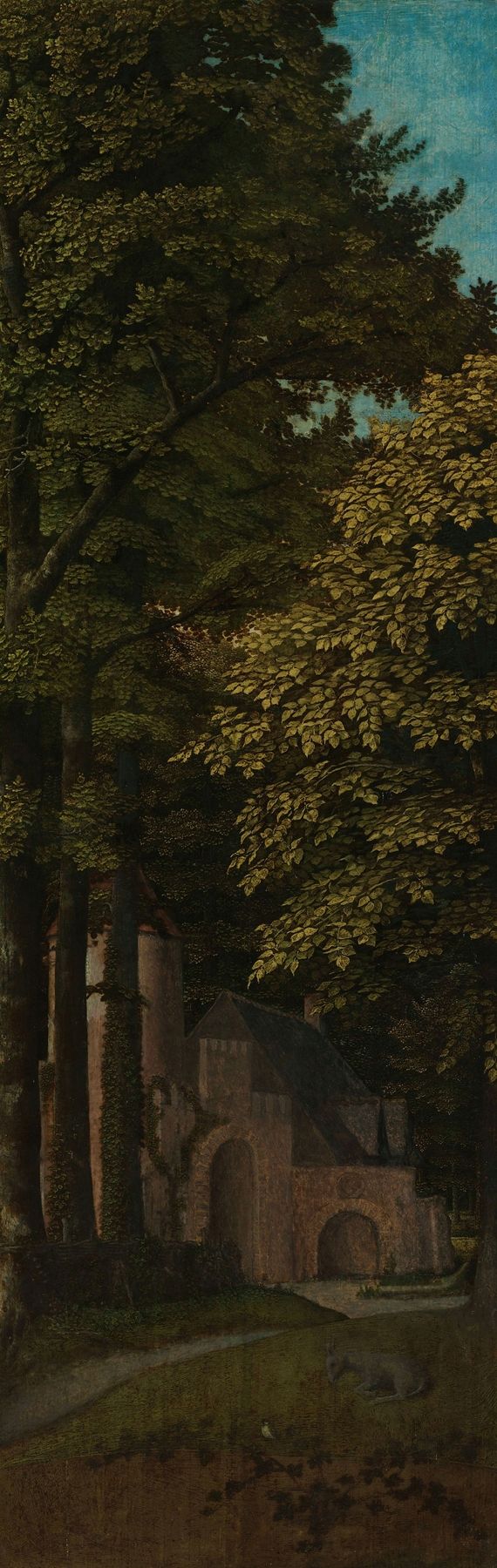
View in a Forest, Outer Left Wing of a Triptych
Gerard David
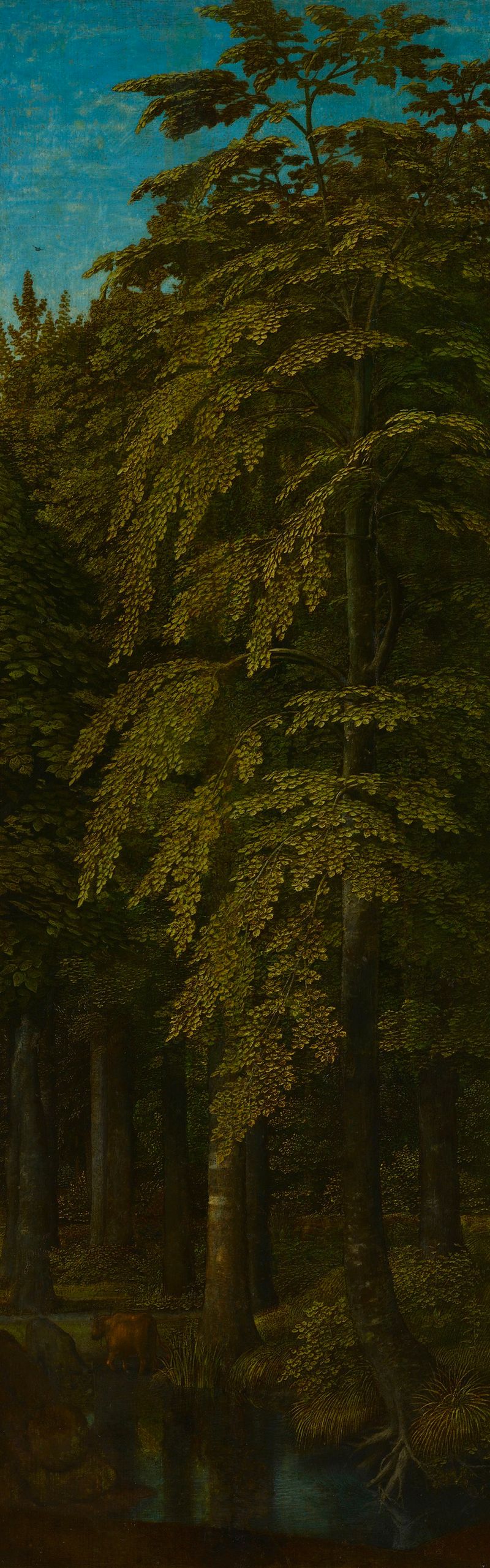
View in a Forest, outer right wing of a triptych
Gerard David
More Religious Art
Browse all →
The Return of the Prodigal Son
Rembrandt van Rijn

The Garden of Earthly Delights
El Bosco

Count Orgaz’ funeral
El Greco

The Hundred Guilder Print: the central piece with Christ preaching, the plate arched
Rembrandt van Rijn

The Descent from the Cross
Rogier van der Weyden

The return of the prodigal son
Rembrandt van Rijn