Landscape — History & Facts
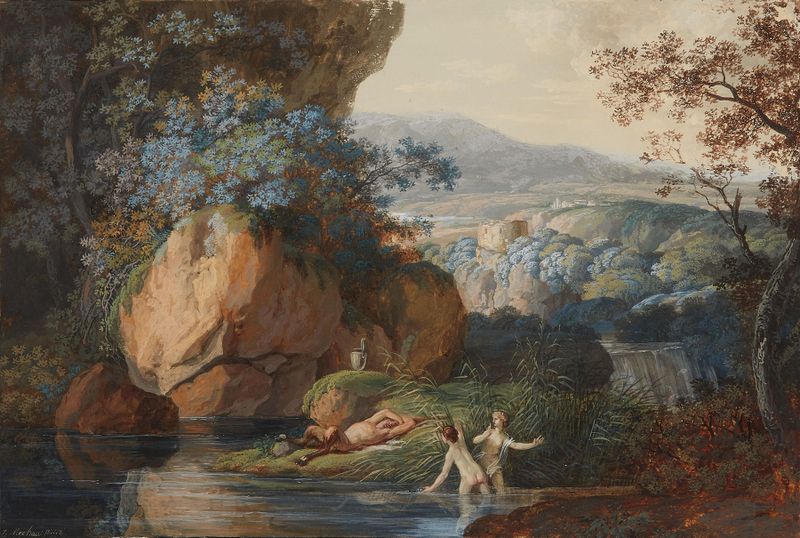
This phrase resonates deeply as our eyes wander over the delicate interplay of nature and emotion captured in this artwork. A landscape can evoke serenity, yet beneath its surface lies the fragility of existence. Look to the horizon where soft greens and deep blues merge effortlessly, guiding your gaze toward a tranquil sky that hints at an impending storm. Notice how the brushstrokes delicately build texture on the rolling hills, while the muted palette casts a dreamy haze over the scene.
The gentle play of light and shadow invites you to explore the nuances, almost as if the landscape is an intimate secret waiting to be revealed. Within the serene composition, hidden tensions arise—an undercurrent of unease that reflects the transient nature of beauty. The gentle curves of the hills contrast sharply with the dark, encroaching clouds, suggesting a fragile balance between peace and chaos. Each element is meticulously placed to evoke a sense of yearning, reminding us that beauty is often accompanied by the inevitable passage of time. In 1785, Jacob Wilhelm Mechau painted this piece during a period marked by shifts in both personal and artistic landscapes.
Residing in a world that was grappling with the Enlightenment’s ideals and burgeoning Romanticism, he sought to capture the essence of nature while exploring deeper emotional themes. This painting stands as a testimony to the artist’s engagement with the fragility of beauty, a theme that would resonate throughout European art during this transformative era.