
Landscape — History & Facts
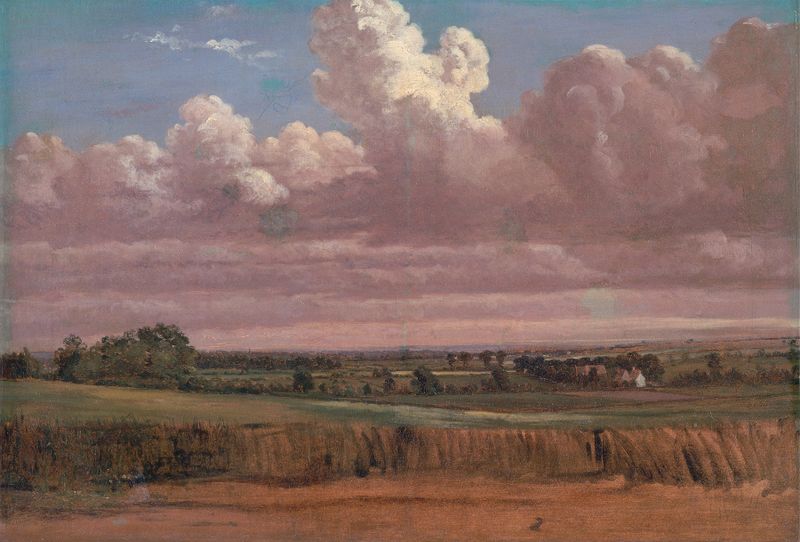
Can beauty exist without sorrow? In the quiet, rolling hills and expansive skies of this landscape, hope lingers like a gentle breeze, whispering of renewal amidst life’s inevitable trials. Look to the horizon, where soft brush strokes of greens and browns merge into a tranquil vista. The meandering path, painted with delicate lines, invites the viewer's eye, leading us from the foreground’s rich details to the expansive sky above. Notice how the light plays upon the surfaces, illuminating the trees with a golden glow, hinting at a moment suspended in time.
The colors—muted yet vibrant—create a harmonious balance, embodying the artist's intent to evoke serenity and reflection. Beneath the surface of this idyllic scene lies a deeper tension. The contrast between the lush life of the fields and the vast, uncertain expanse of the sky suggests an interplay between hope and melancholy. The winding path, while inviting, also symbolizes life's journey, winding through both beauty and uncertainty.
Additionally, subtle shadows may evoke feelings of introspection, hinting at the unseen challenges that lie ahead, reinforcing the idea that while beauty surrounds us, it often coexists with the weight of our sorrows. During the years from 1849 to 1855, the artist was immersed in the English Romantic tradition, drawing inspiration from nature's landscapes. This period marked a shift towards a more personal expression within landscape painting, as artists like him sought to convey emotional depth and connection to the natural world. As he painted this work, Constable was refining his style and exploring the nuances of light and color, carving his niche in a rapidly evolving artistic landscape.
More Artworks by Lionel Constable
Browse all →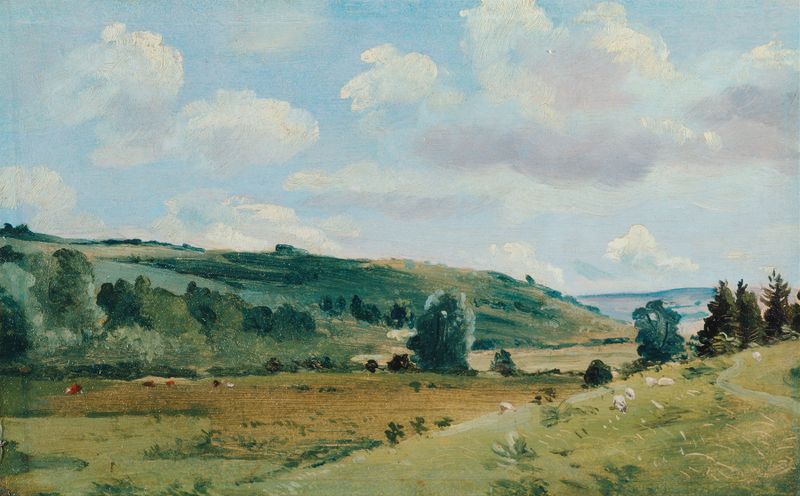
Summer Landscape near Dedham
Lionel Constable
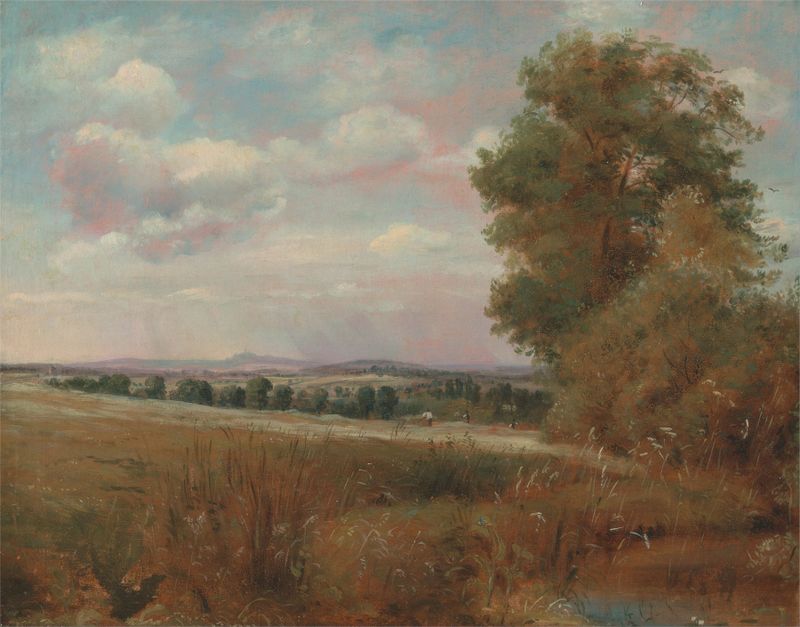
Landscape at Hampstead, with Harrow in the Distance
Lionel Constable
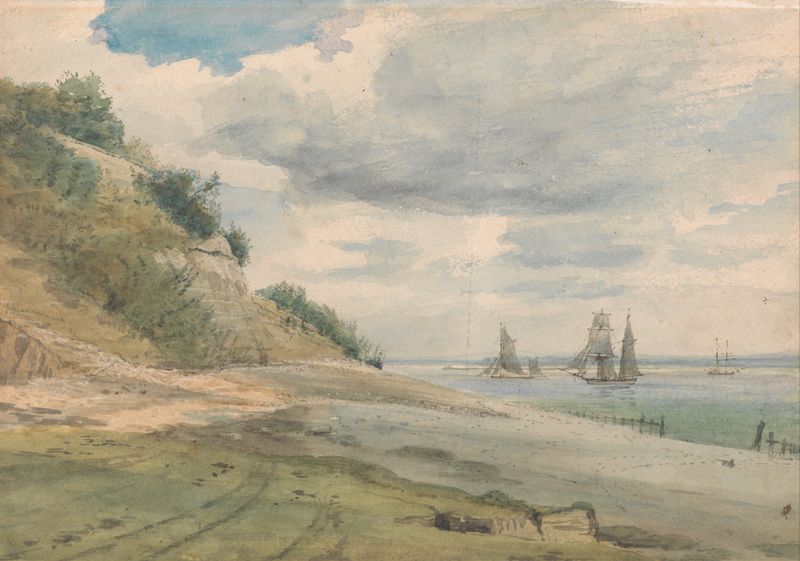
View near Walton on Naze
Lionel Constable
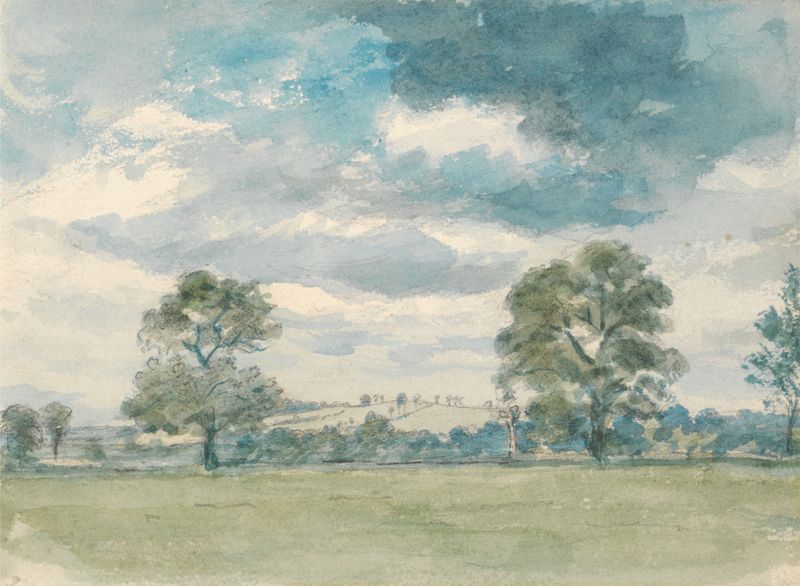
Summer Landscape
Lionel Constable
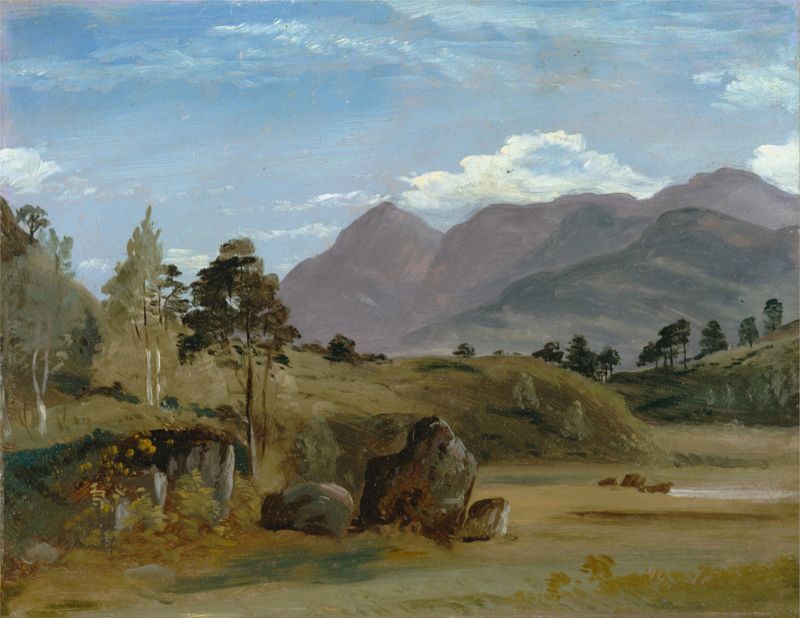
Mountain Landscape, possibly in the Lake District
Lionel Constable
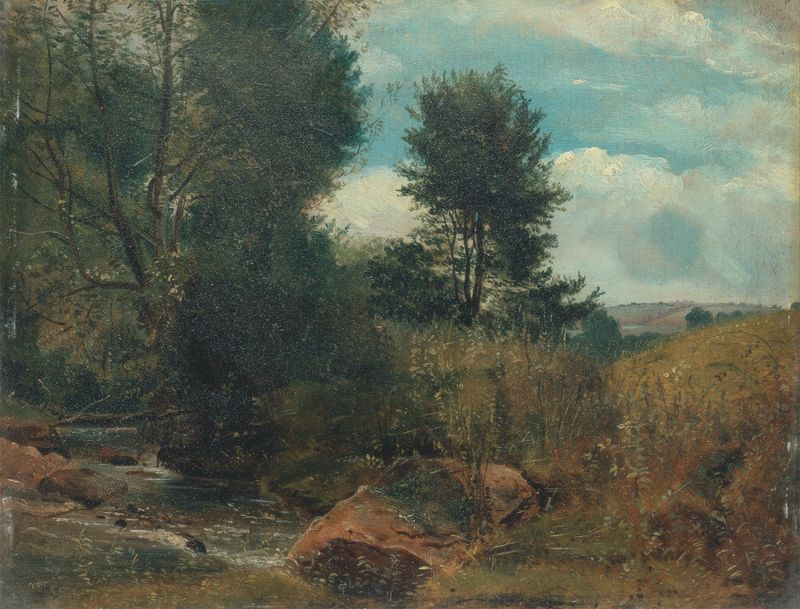
View on the River Sid, near Sidmouth
Lionel Constable
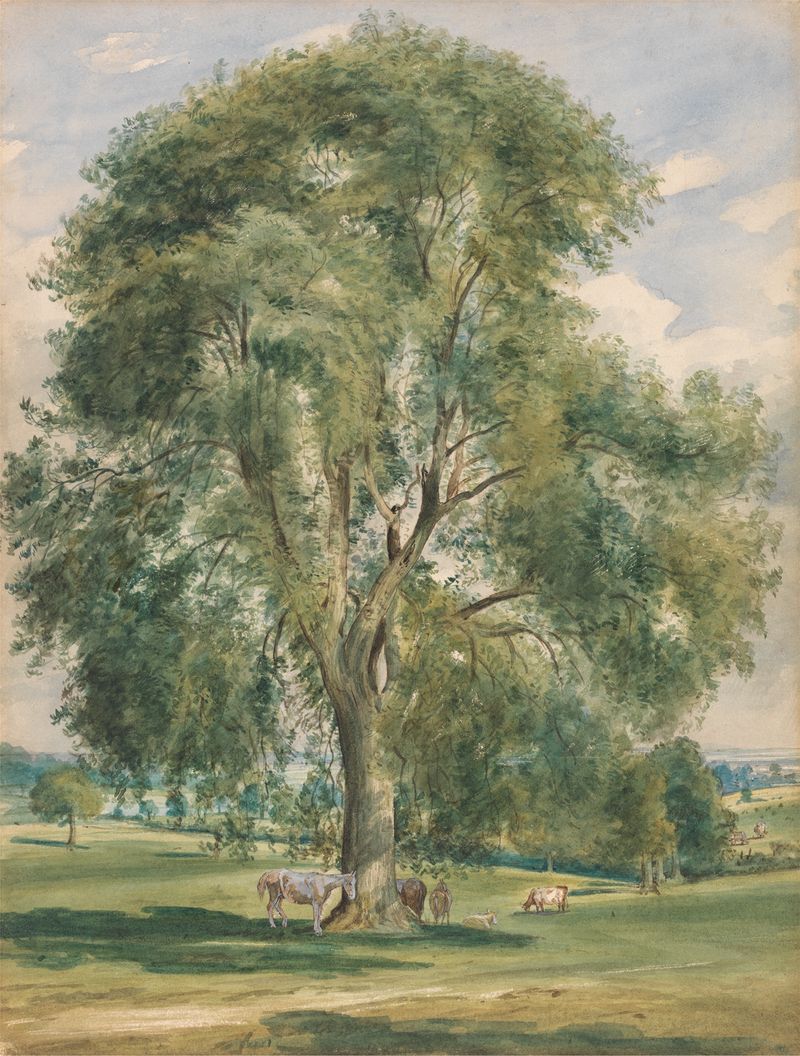
A Large Tree in a Summer Landscape, a Horse Standing at the Base
Lionel Constable
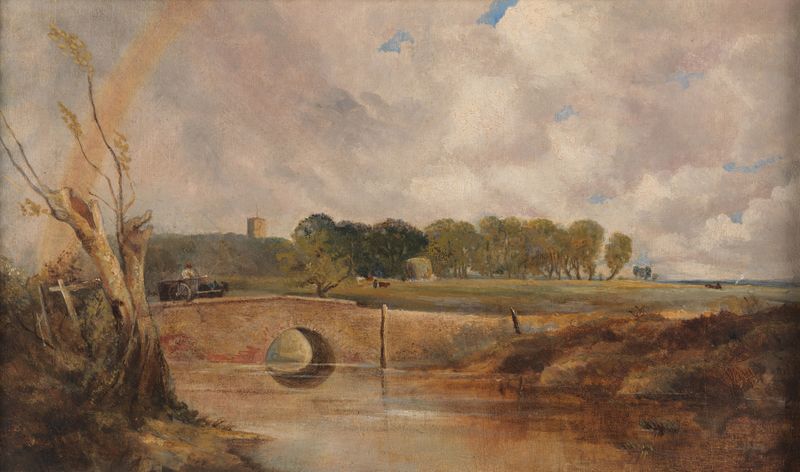
A Rainbow, View of the Stour
Lionel Constable
Landscape with Wheatfield
Lionel Constable
Cloud Study
Lionel Constable





