Landscape — History & Facts
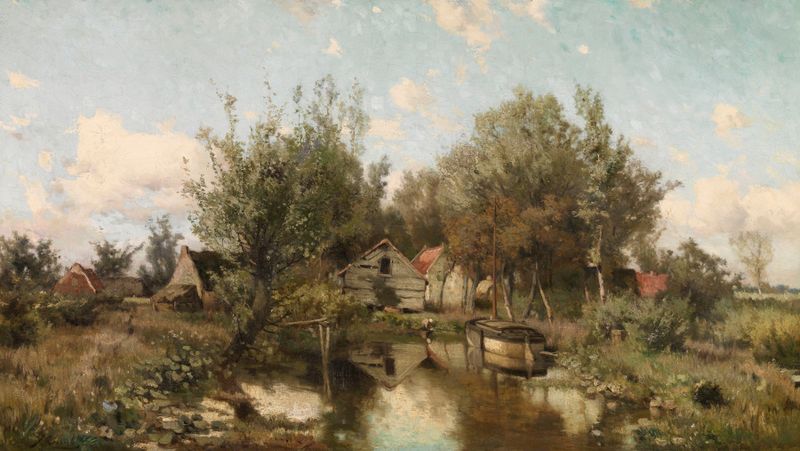
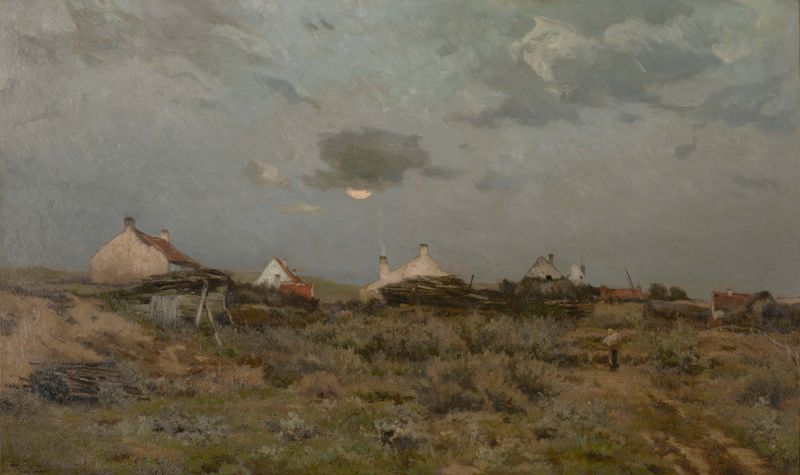
When did color learn to lie? In the quiet realm of visual art, shades can whisper truths or fabricate illusions, guiding us through a delicate balance between reality and perception. Look to the left at the gentle undulations of the hills, where soft greens blend seamlessly with the earthy browns. Notice how the light plays across the canvas, casting ethereal highlights that breathe life into the scene. A subtle gradient of blues and yellows harmonizes in the sky, infusing the landscape with a serene ambiance, while the brushwork reveals a confident yet tender hand, coaxing the viewer into a world that feels familiar yet dreamlike. Delve deeper, and you'll uncover the underlying tensions woven throughout the composition.
The juxtaposition of vibrant colors with muted tones suggests a dichotomy between joy and melancholy, inviting introspection. Each brushstroke seems to echo an emotional resonance, reflecting a balance not only of nature but of the human experience. The selected palette and rhythmic lines invite contemplation on the fragility and permanence inherent in both the landscape and our perceptions of it. Jacques Rosseels created this work during a time when the post-war art scene was evolving, exploring the realms of abstraction and realism.
Emerging from an era steeped in turmoil, Rosseels sought to capture the beauty and tranquility of nature, reflecting a yearning for harmony amidst chaos. This period, marked by innovation and a search for identity, profoundly influenced his approach to landscape painting, creating a dialogue between the seen and the felt.