Moonlight — History & Facts
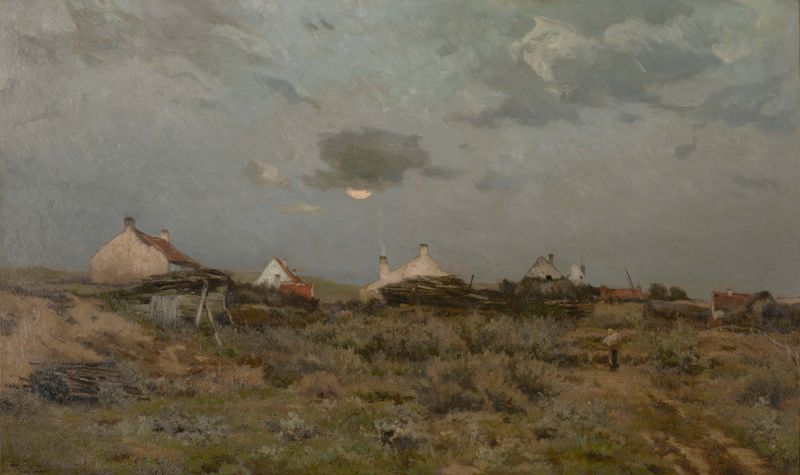
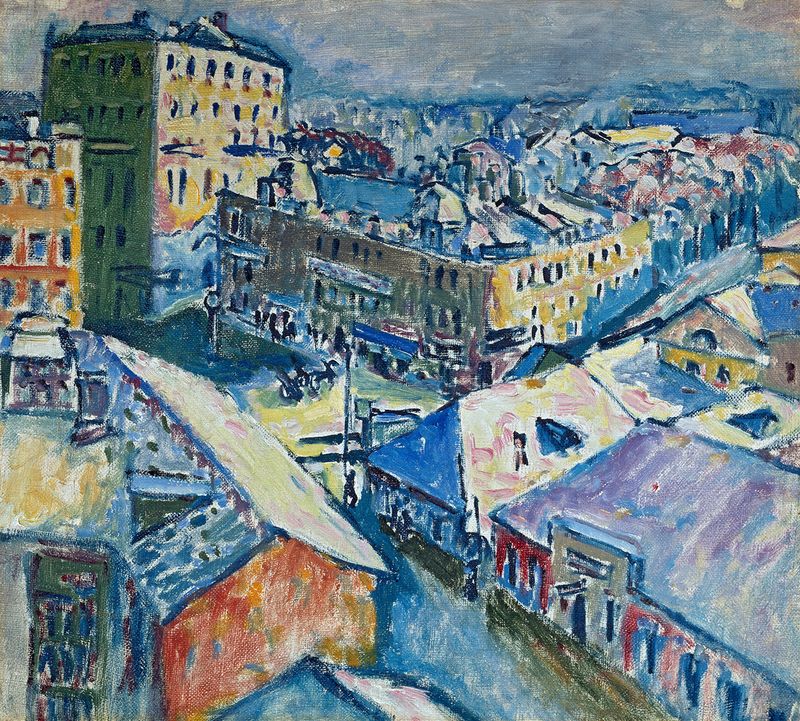
This profound transformation lies at the heart of a captivating exploration of color and form. The interplay between tumultuous energy and serene beauty invites viewers to ponder the balance within life's complexities. Look to the center of the canvas, where swirling hues blend and erupt, creating an almost musical rhythm. The vivid blues and whites evoke a moonlit night, while fragments of darker shades suggest hidden depths beneath the surface.
Notice how the strokes seem to dance, capturing a moment of flux, as if the artist sought to encapsulate a fleeting emotion or thought within the chaos of creation. Delve deeper into the layers of texture, for they hold a narrative of their own. Each brushstroke is a whisper, reflecting the turmoil and tranquility of human experience. The contrast between the chaotic movement and the calmness of the moonlit palette speaks to life’s dualities—joy and sorrow, order and disorder.
This tension creates a visceral connection, inviting reflection on how beauty can emerge from disruption. The artist’s journey during the creation of this piece was marked by introspection and experimentation. Though the exact date remains unknown, Rosseels was likely engaged in a period of artistic exploration, steeped in the modernist movements that sought to redefine expression and emotion through abstraction. This backdrop of uncertainty and challenge in the art world allowed Rosseels to explore the depths of chaos, ultimately leading to a profound statement in Moonlight.