
Landscape — History & Facts
In the stillness of a landscape, memories whisper through the brushstrokes, inviting introspection and reverie. Focus on the horizon where soft blues and greens converge, revealing a delicate interplay of light and shadow. Notice the gentle rise of the hills, adorned with a wash of earthy tones that ground the composition. The artist’s technique, blending Impressionist sensibilities with a subtle realism, creates an almost tactile experience; the viewer can almost feel the cool breeze and the warmth of sunlight cascading over the scene. As you delve deeper, the emotional tension becomes palpable.
The juxtaposition of light and dark not only enhances the beauty of nature but suggests the transient nature of memories. Each tree stands as a sentinel of time, their branches reaching out like fingers grasping for lost moments. The muted colors evoke a sense of nostalgia and longing, drawing viewers into a contemplative space where the silence of the landscape speaks volumes. During this time, the artist was living in the United States, navigating a world infused with the complexities of the post-Civil War era and the struggle for recognition as an African American artist.
Although the exact date of creation remains unknown, Bannister was known for his rich landscapes and masterful use of color during the late 19th century. This artwork reflects not just a personal vision but also an era grappling with identity and artistic expression, establishing a quieter yet profound dialogue with history.
More Artworks by Edward Mitchell Bannister
Browse all →
Landscape
Edward Mitchell Bannister
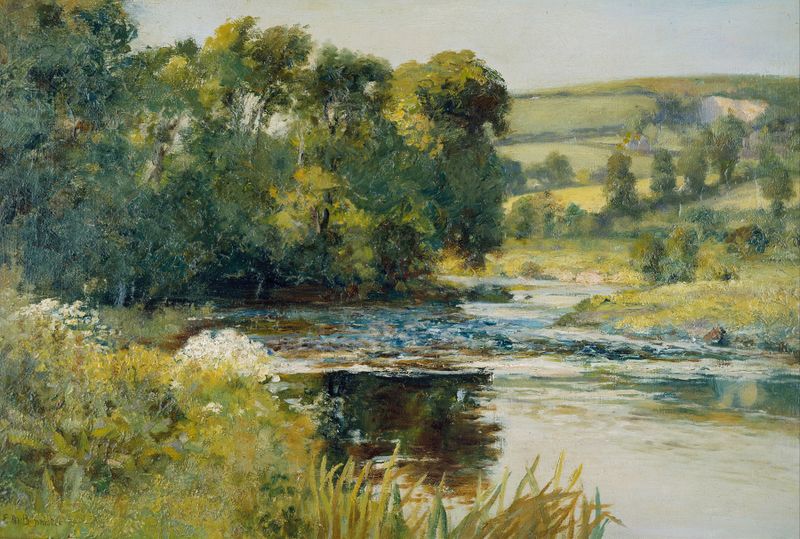
Streamside
Edward Mitchell Bannister

Untitled
Edward Mitchell Bannister

On the Seekonk
Edward Mitchell Bannister

Morning on the Shore
Edward Mitchell Bannister

Summer Twilight
Edward Mitchell Bannister
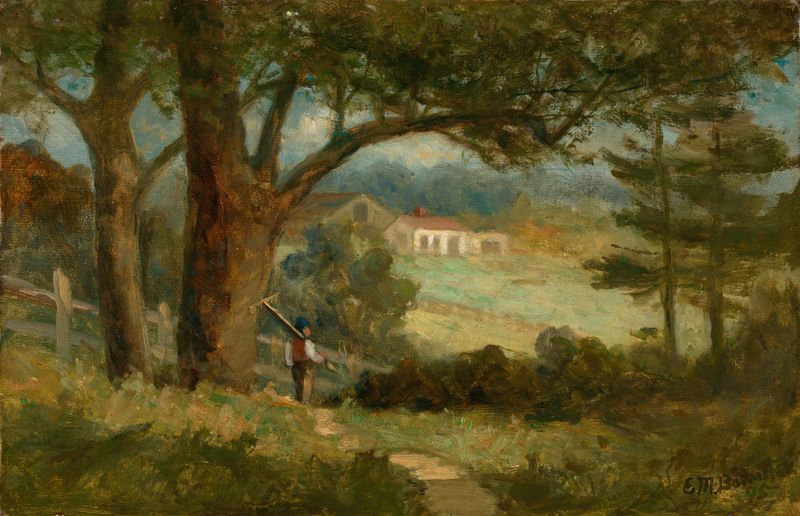
Homeward
Edward Mitchell Bannister
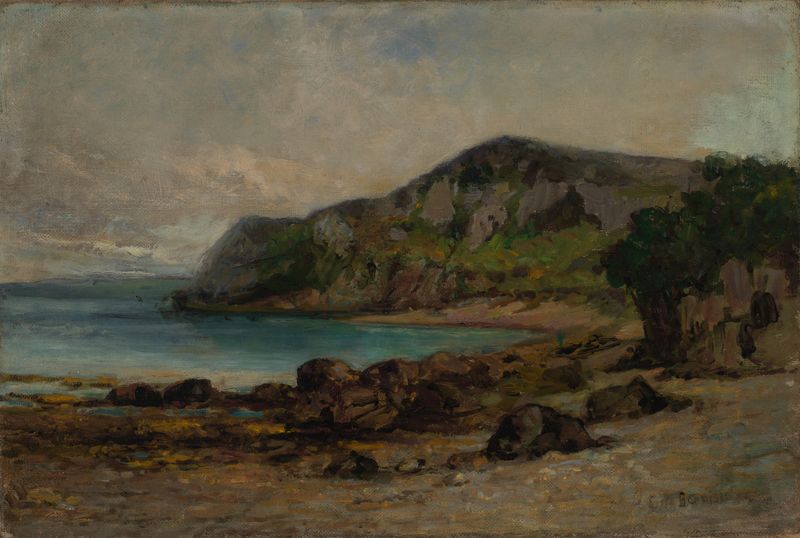
Rocks at Newport
Edward Mitchell Bannister

Sunset
Edward Mitchell Bannister
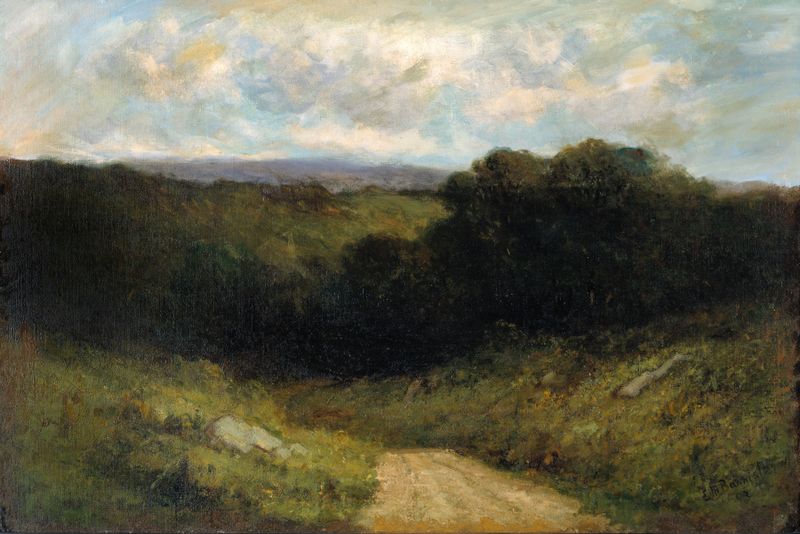
The Road to the Valley
Edward Mitchell Bannister





