
Sunset — History & Facts
Did the painter know this moment would outlive them? In Sunset, the essence of an evening sky pulses with a vibrancy that seems to awaken the viewer's senses, capturing a fleeting moment of natural beauty. Focus first on the horizon, where an explosion of oranges and yellows bathes the sky, contrasting with the deep, calming blues above. Notice how the light spills across the canvas, creating a warm glow that illuminates the tranquil water below. Each brushstroke is deliberate, weaving together hues that blend seamlessly, inviting you to linger on the delicate interplay between dusk and dawn. As you explore the painting further, consider the juxtaposition of tranquility and energy.
The calm water reflects the fiery sky, symbolizing a moment of stillness amidst nature's chaos. Hidden within the vibrant colors lies a subtle commentary on change—the inevitable passing of time illustrated in the transition from day to night. This duality evokes a sense of exploration and wonder, as if the moment embodies both an end and a beginning. During the late 1870s, Bannister painted Sunset amidst a burgeoning artistic movement, marked by an increasing embrace of color and light.
Residing in Providence, Rhode Island, he was influenced by the Impressionist trends emerging across the Atlantic while also navigating the complexities of his identity as a Black artist in a predominantly white art world. This painting reflects not just an aesthetic choice but also a profound personal expression during a transformative period in American art.
More Artworks by Edward Mitchell Bannister
Browse all →
Landscape
Edward Mitchell Bannister
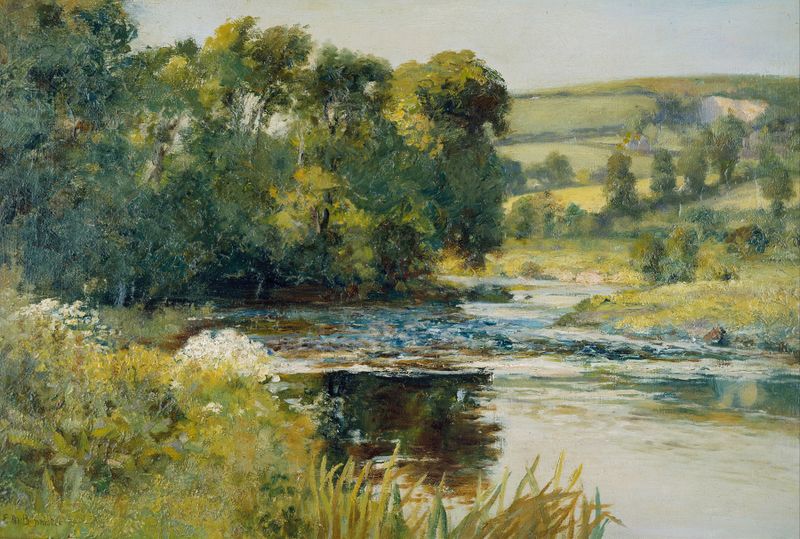
Streamside
Edward Mitchell Bannister

Untitled
Edward Mitchell Bannister

On the Seekonk
Edward Mitchell Bannister

Morning on the Shore
Edward Mitchell Bannister

Summer Twilight
Edward Mitchell Bannister
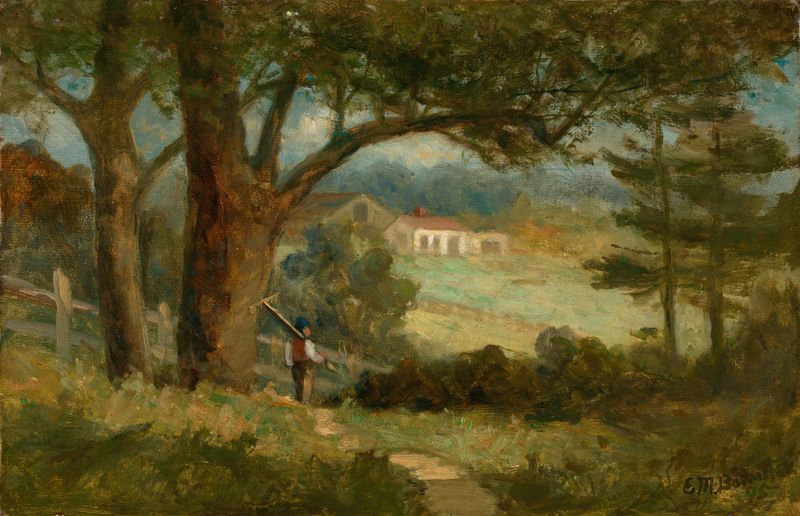
Homeward
Edward Mitchell Bannister
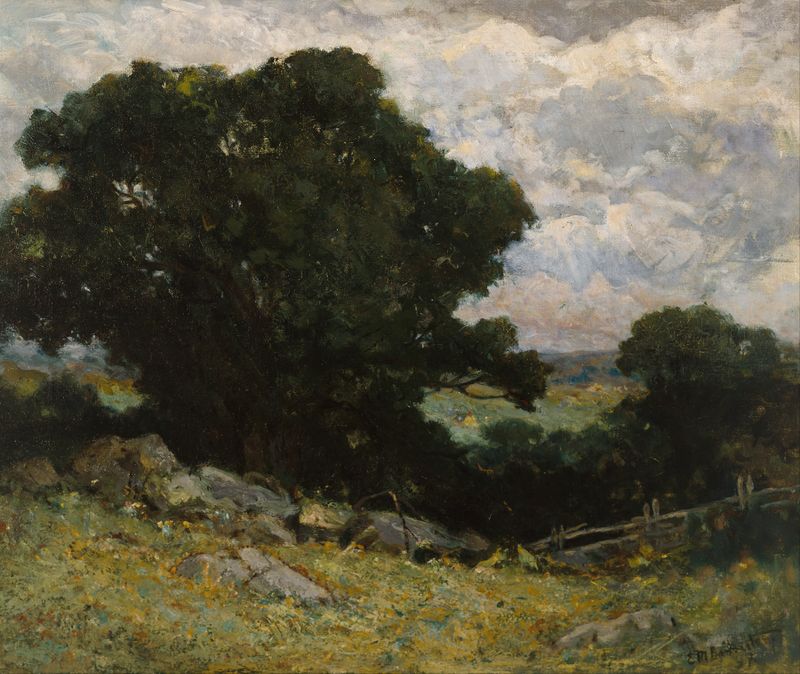
Landscape
Edward Mitchell Bannister
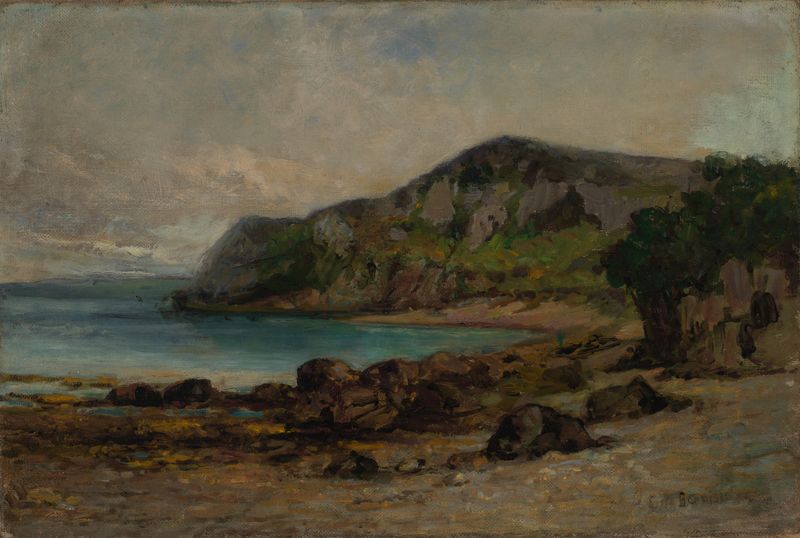
Rocks at Newport
Edward Mitchell Bannister
The Road to the Valley
Edward Mitchell Bannister





