
The Road to the Valley — History & Facts
Who listens when art speaks of silence? In The Road to the Valley, shadows hold their breath, whispering secrets of a journey yet to unfold. Look to the left at the winding path, its subtle curves inviting the viewer deeper into the compositional landscape. Bannister employs a rich palette of greens and browns, with dappled sunlight filtering through the trees, creating a dance of light and shadow. Notice how the road, painted in softer hues, beckons as it disappears into the distance, drawing your gaze toward an uncertain horizon.
The gentle brushstrokes exhibit a masterful interplay of texture that mirrors the organic forms of nature, imbuing the scene with a palpable sense of tranquility. Yet, beneath the serene exterior lies a profound tension between solitude and the promise of discovery. The looming trees cast long shadows, which suggest both guidance and isolation, hinting at a journey that is as much inward as outward. The absence of figures invites contemplation—who might traverse this path? Each shadow seems to echo the emotional weight of choices made and those yet to come.
The contrast of light and dark not only highlights the physical landscape but also serves as a metaphor for the uncertainties of life. During the late 19th century, Bannister created this work amid a burgeoning landscape of American Impressionism, likely while navigating the societal challenges of his time as a Black artist. His commitment to capturing the beauty of the natural world was a response to the cultural limitations placed upon him. This piece resonates with a quiet strength, embodying his artistic voice against a backdrop of silence and reflection.
More Artworks by Edward Mitchell Bannister
Browse all →
Landscape
Edward Mitchell Bannister
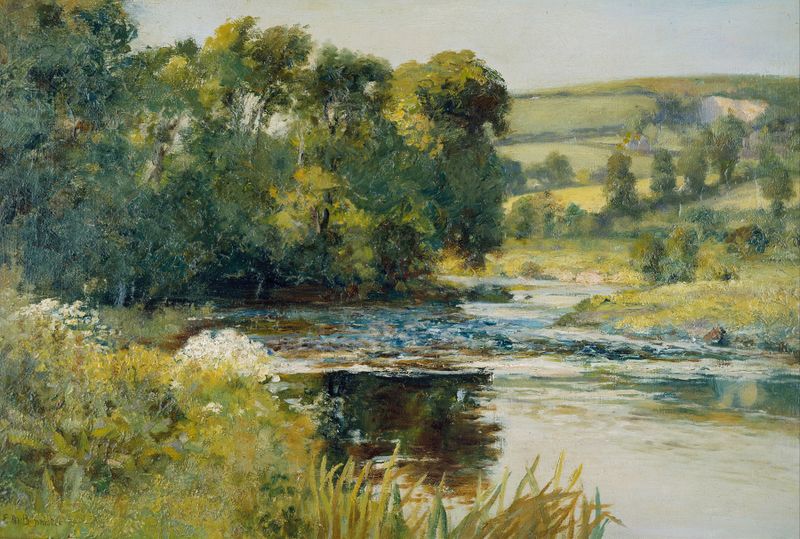
Streamside
Edward Mitchell Bannister

Untitled
Edward Mitchell Bannister

On the Seekonk
Edward Mitchell Bannister

Morning on the Shore
Edward Mitchell Bannister

Summer Twilight
Edward Mitchell Bannister
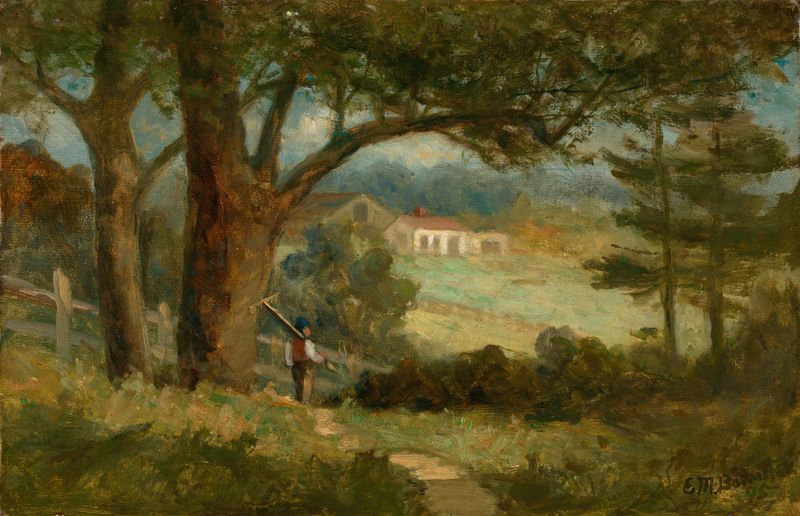
Homeward
Edward Mitchell Bannister
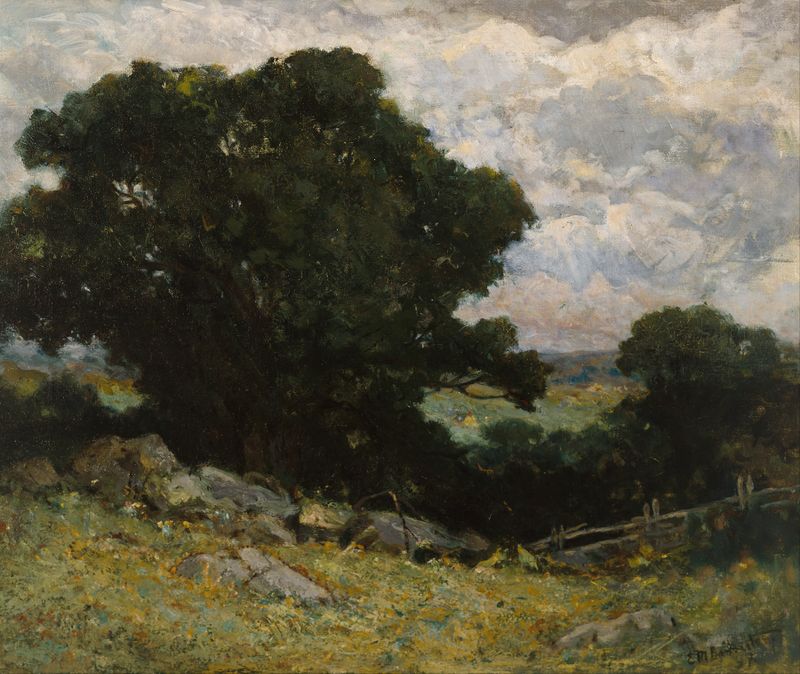
Landscape
Edward Mitchell Bannister
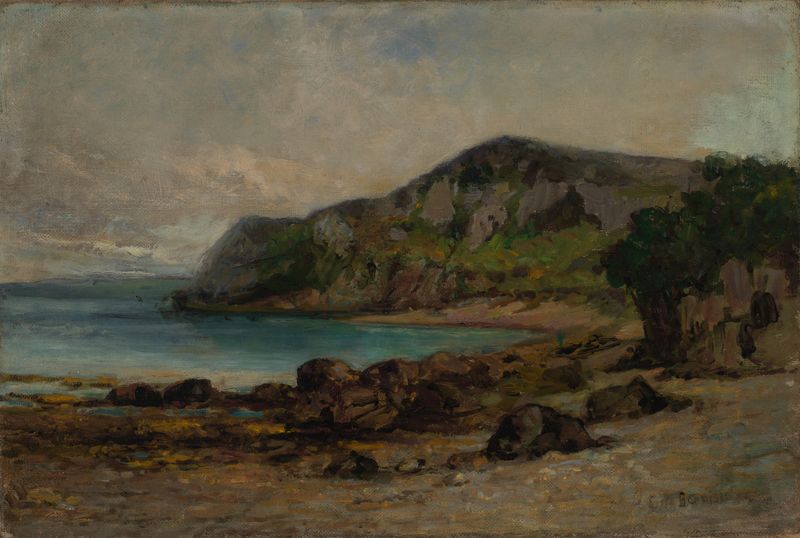
Rocks at Newport
Edward Mitchell Bannister

Sunset
Edward Mitchell Bannister





