
Landscape — History & Facts
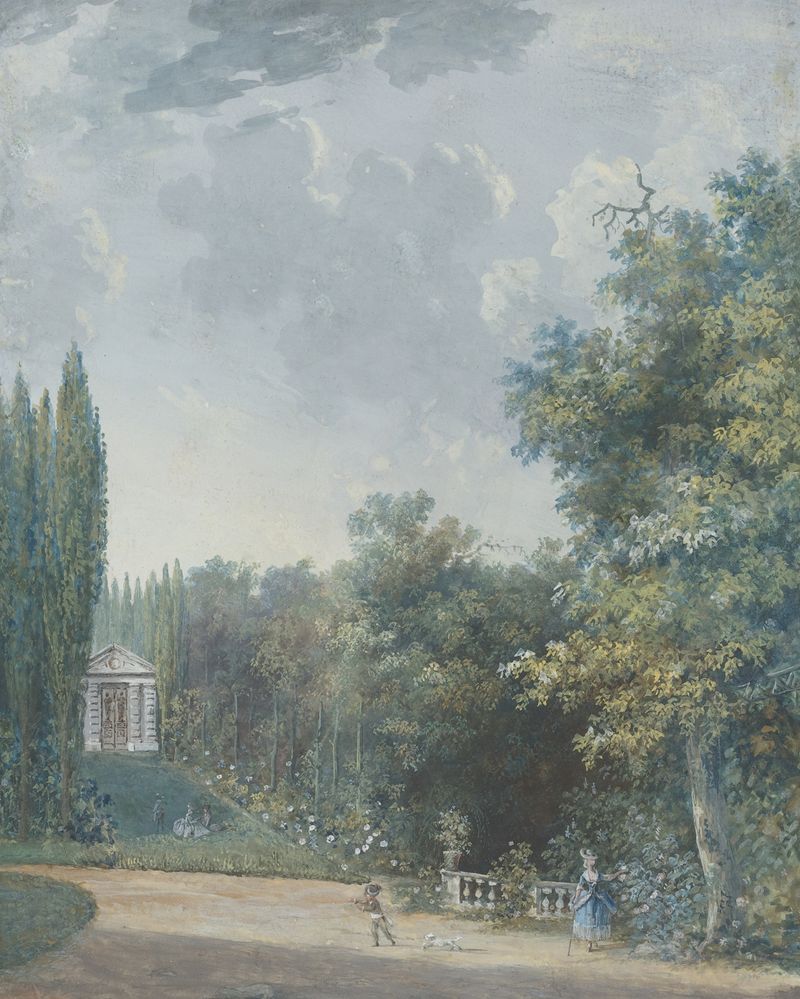
Can beauty exist without sorrow? In the delicate interplay of light and shadow, a quiet awakening unfolds within the landscape, whispering the stories of both joy and heartache. Look to the left at the gently sloping hills, their verdant hues contrasting with the deepening twilight sky. Notice how the golden sunlight filters through the trees, casting elongated shadows that dance across the grassy expanse. The meticulous brushwork reveals layers of texture, inviting the viewer to traverse the undulating paths that lead both to the horizon and inward, toward reflection. Within this serene composition lies a tension between tranquility and the inevitable passage of time.
The brilliant colors evoke a sense of fleeting beauty, while the darkening sky hints at the encroaching night. Each element speaks to the duality of existence: the warmth of daylight symbolizes vitality, while the shadows beckon toward introspection and the acceptance of transience. In the late 1770s, Moreau created this landscape during a time when France was rife with social and political change. The Enlightenment was at its peak, influencing artists to explore nature and humanity's relationship with it.
This period marked a shift toward Romanticism, where personal emotion began to intertwine with artistic expression, casting a new light on the landscapes that would come to define the era.
More Artworks by Louis Gabriel Moreau
Browse all →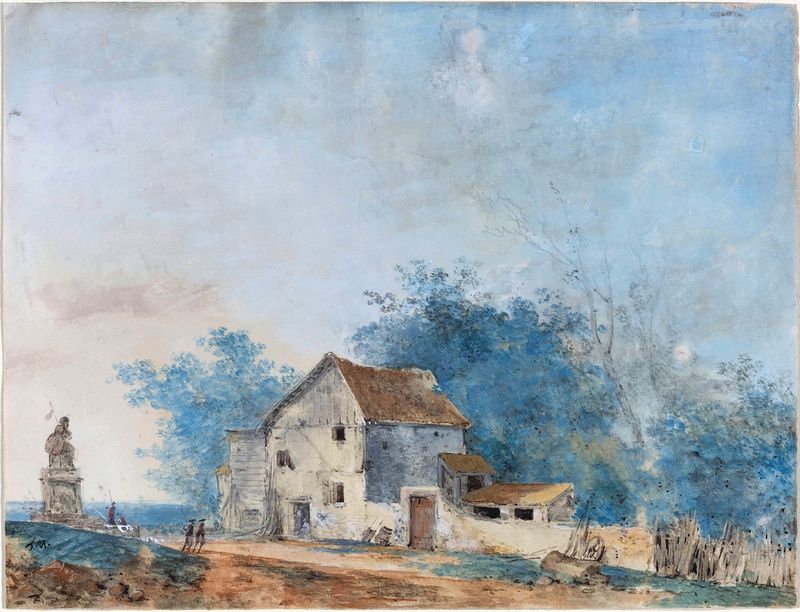
Landscape
Louis Gabriel Moreau

Italian Landscape with a Boating Party
Louis Gabriel Moreau
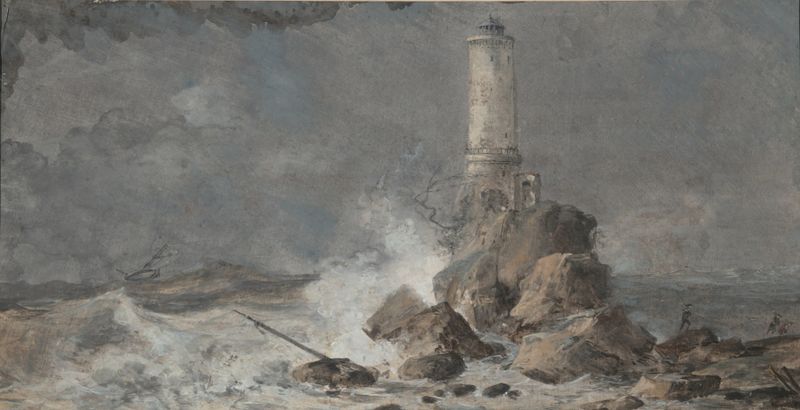
The Lighthouse [ Le Grand Phare]
Louis Gabriel Moreau

Landschaft mit zerfallenem Gehöft
Louis Gabriel Moreau

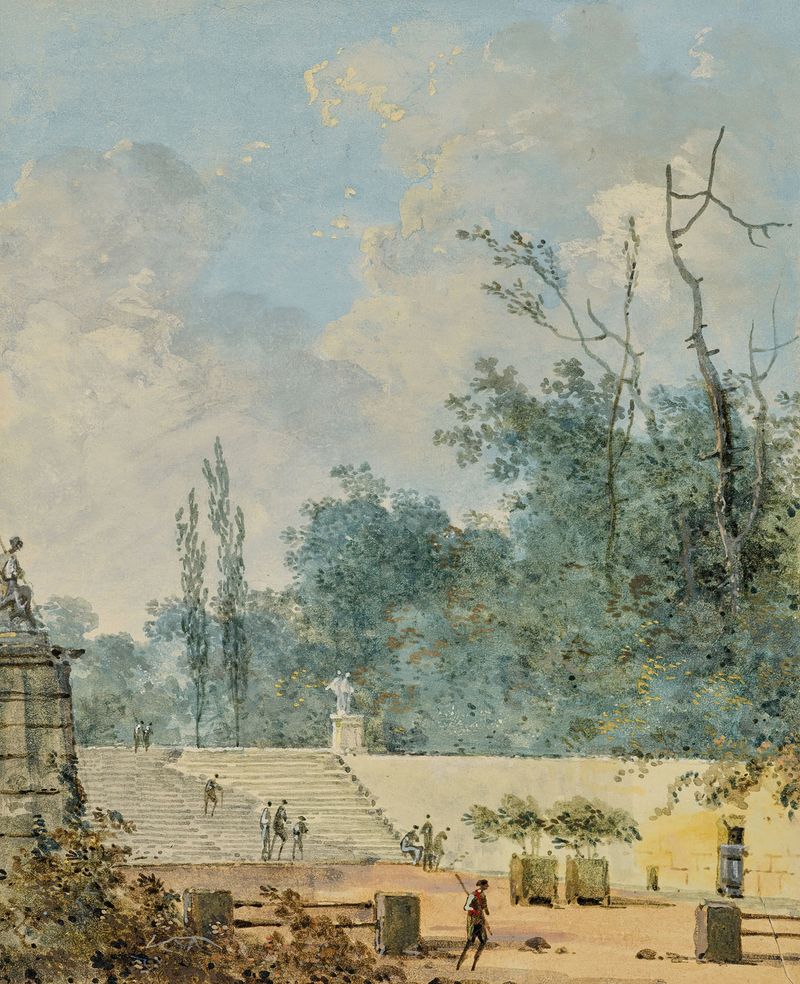
Parklandschaft mit hohen Bäumen und dem Blick auf einen Treppenanstieg im Mittelgrund
Louis Gabriel Moreau
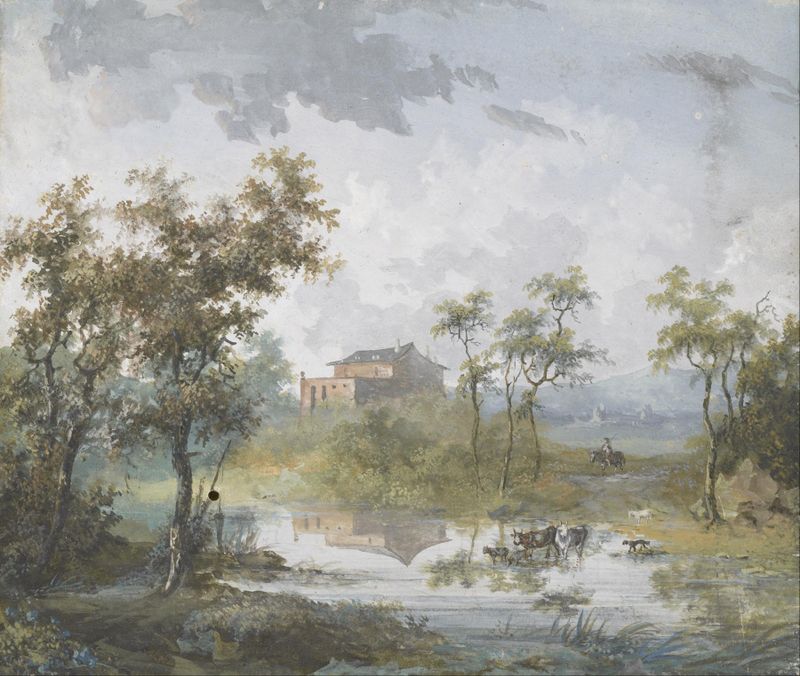
The Rustic River Ford
Louis Gabriel Moreau
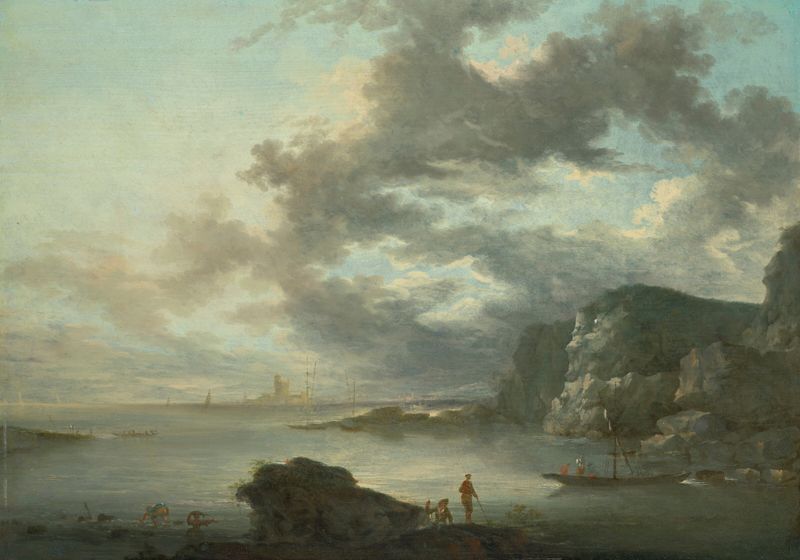
Seascape
Louis Gabriel Moreau

A river landscape with washerwomen by a mill
Louis Gabriel Moreau
Park View
Louis Gabriel Moreau
Deux vues du parc de Saint-Cloud
Louis Gabriel Moreau





