
Landscape — History & Facts
When did color learn to lie? In the delicate interplay of hues, the landscape reveals layers of illusion and truth, challenging our perception of reality and memory. Look to the bottom left where the gentle curve of the river beckons, its shimmering surface capturing the dance of light as it reflects the surrounding vitality. Notice how earthy greens and soft blues merge to create a harmonious palette, inviting the eye to meander through the scene. The sky, a cascade of pastel tones, seems to hold whispers of both dawn and dusk, suggesting the transience of time and experience. Yet, within this tranquil beauty lies an undercurrent of tension: the vibrant foliage contrasts with the hint of a storm cloud on the horizon, mirroring the duality of serenity and chaos.
The figures, small and almost ethereal amidst nature's grandeur, evoke a sense of insignificance and isolation; they are guardians of the ephemeral, their presence a mere brushstroke against the vastness of existence. Through these subtleties, the painting delves into themes of legacy—what we leave behind in the wake of our fleeting moments. Created around 1780, this work emerged during a period of significant transformation in France, where the Enlightenment was giving way to revolutionary fervor. In the midst of societal upheaval, the artist sought solace in the natural world, channeling his observations into an idyllic vision.
Moreau’s landscapes reflect both a personal sanctuary and a distant echo of a changing society, capturing an essence that transcends time.
More Artworks by Louis Gabriel Moreau
Browse all →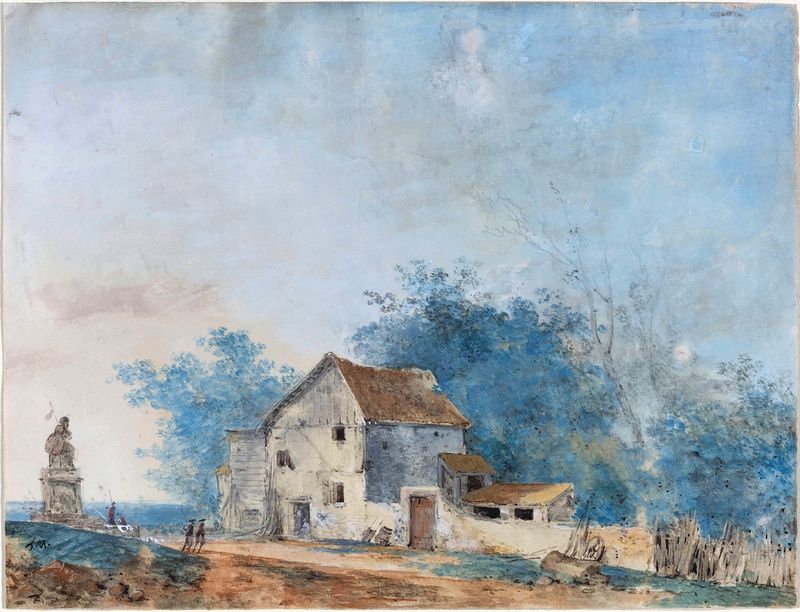
Landscape
Louis Gabriel Moreau

Italian Landscape with a Boating Party
Louis Gabriel Moreau
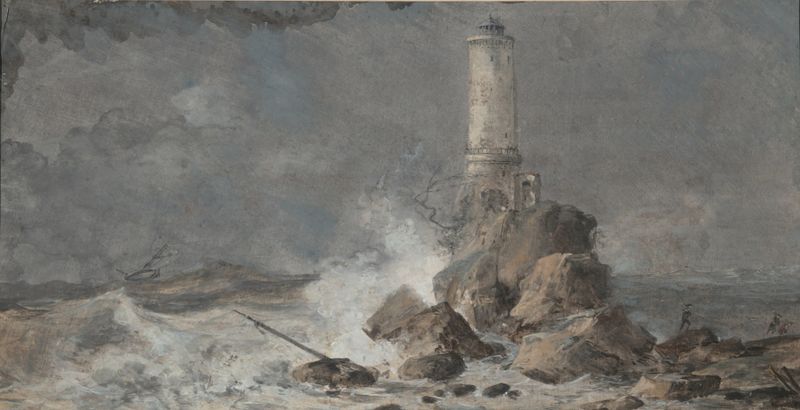
The Lighthouse [ Le Grand Phare]
Louis Gabriel Moreau

Landschaft mit zerfallenem Gehöft
Louis Gabriel Moreau

Parklandschaft mit hohen Bäumen und dem Blick auf einen Treppenanstieg im Mittelgrund
Louis Gabriel Moreau
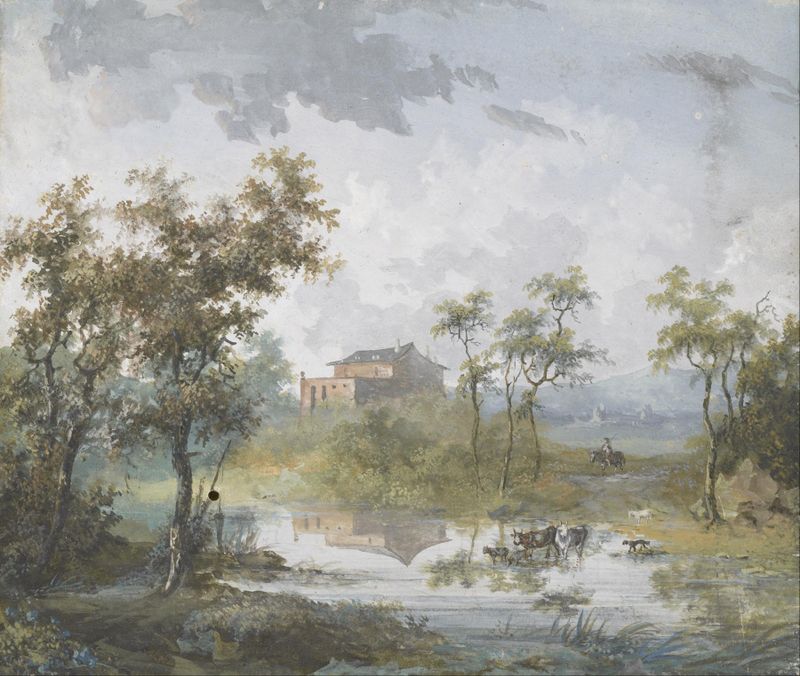
The Rustic River Ford
Louis Gabriel Moreau
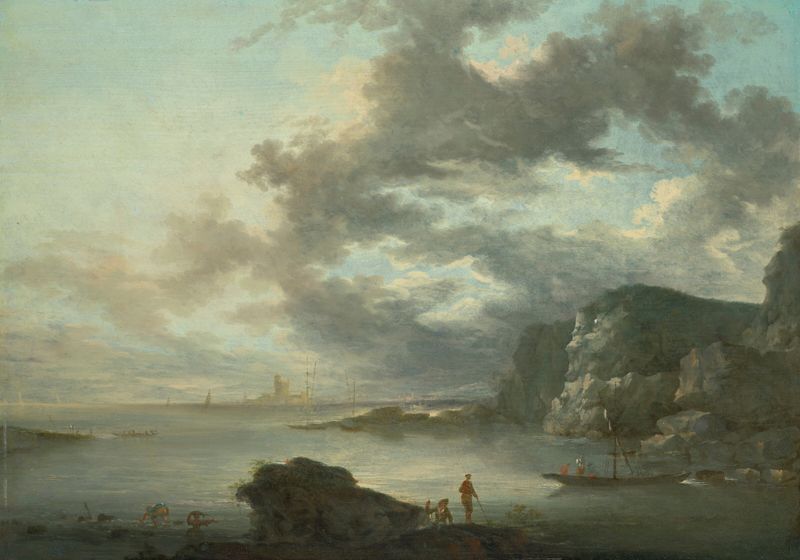
Seascape
Louis Gabriel Moreau

A river landscape with washerwomen by a mill
Louis Gabriel Moreau
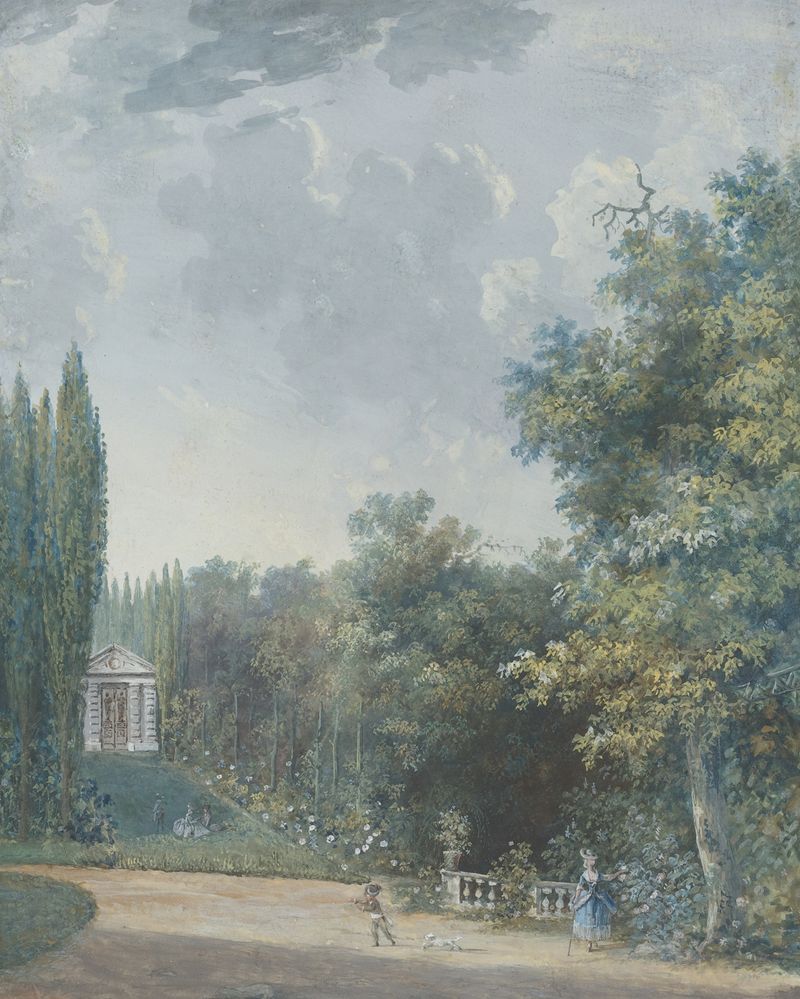
Park View
Louis Gabriel Moreau
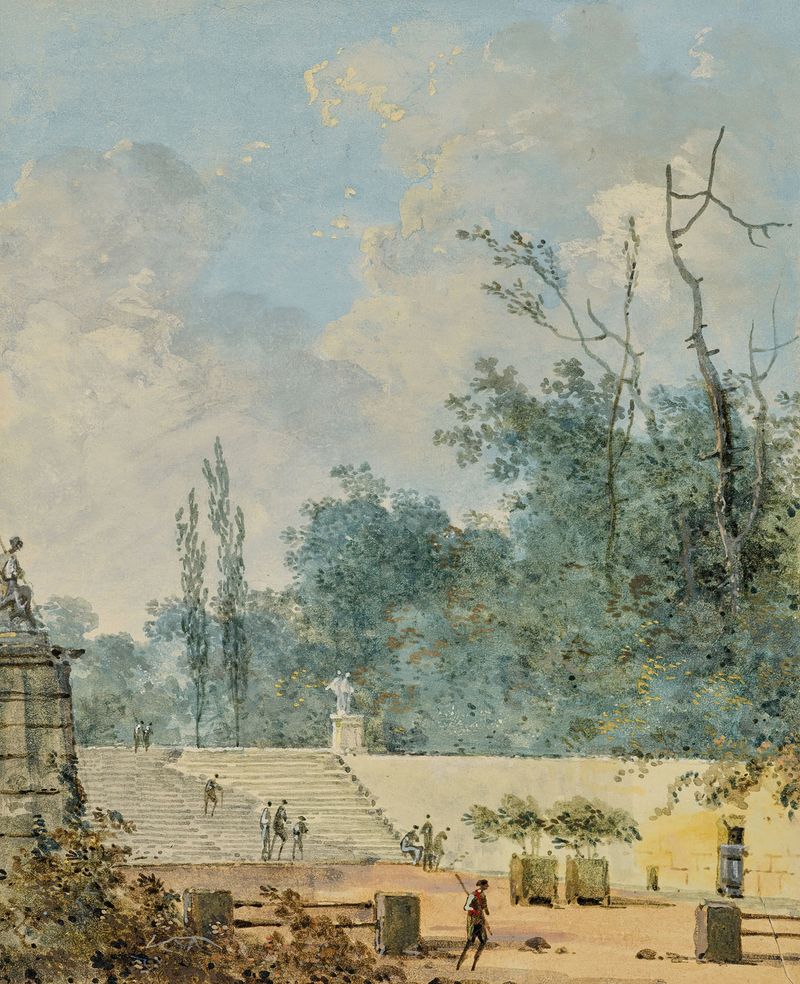
Deux vues du parc de Saint-Cloud
Louis Gabriel Moreau





